
Can Yoga Build Muscles? Exploring the Strength-Building Potential of Yoga
So, you're wondering if yoga can actually help you build muscle, right? It's a common question. Lots of people think of yoga as just stretching and chilling out, but if you've ever done a more intense class, you know it can leave your muscles totally burning. We're going to break down if yoga really counts as strength training and what you can expect.
Key Takeaways
- Yoga can build muscle through bodyweight resistance, isometric holds, and mechanical tension, especially in more vigorous styles.
- Dynamic yoga styles like Power Yoga and Ashtanga are more effective for muscle building than slower, more restorative practices.
- Consistent practice, proper form, and challenging yourself with variations are key to maximizing strength gains in yoga.
- While yoga builds functional strength and endurance, it may not fully replace traditional weightlifting for maximal muscle growth (hypertrophy).
- Factors like practice frequency, nutrition, recovery, and individual differences all play a role in how much muscle you can build with yoga.
Understanding How Yoga Builds Muscle
So, you're curious if rolling out your mat can actually lead to stronger muscles? It's a fair question, especially when you see folks lifting heavy weights. But here's the thing: yoga works muscles in a different, often more subtle, way. It's not just about the big, showy muscles; it's about building functional strength from the inside out. Yoga taps into your body's own resistance to create the stimulus needed for muscle growth.
The Science Behind Muscle Hypertrophy
Muscle growth, or hypertrophy, happens when your muscle fibers are challenged and then repair themselves to become stronger and bigger. Think of it like this: you stress the muscle, it breaks down a tiny bit, and then it rebuilds itself to handle that stress better next time. There are a few key ways this happens:
- Mechanical Tension: This is when your muscles are put under strain. In yoga, this comes from holding poses against gravity. Your bodyweight becomes the resistance.
- Muscle Damage: Challenging poses, especially those held for a while, can cause micro-tears in your muscle fibers. Your body's repair process then makes those fibers thicker and stronger.
- Metabolic Stress: This is that burning feeling you get during a tough set. It's caused by the buildup of certain substances in your muscles. More dynamic yoga styles can definitely create this effect.
Mechanical Tension and Bodyweight Resistance
When you're in a pose like Plank, your entire body is working. Your arms, shoulders, core, and legs are all engaged to hold you up. This sustained effort creates mechanical tension. It's your bodyweight pushing down, and your muscles pushing back to resist that force. Over time, this consistent tension signals your muscles to adapt and grow stronger. It's a very effective way to build lean muscle, and it's happening every time you hold a challenging pose.
The beauty of yoga is that it often works multiple muscle groups simultaneously, promoting balanced development. You're not just isolating one muscle; you're engaging a whole kinetic chain, which is great for overall functional strength.
The Role of Isometric Contractions
Many yoga poses rely heavily on isometric contractions. This is when a muscle contracts and generates force, but it doesn't change length, and the joint angle stays the same. Think about holding Warrior II – your thigh muscles are working hard to keep your legs stable, but your knees aren't bending or straightening. These sustained contractions are fantastic for building endurance and strength in the muscles that stabilize your joints. They help create a solid foundation for movement and can significantly contribute to muscle tone and definition over time. It's a different kind of strength than you get from lifting and lowering weights, but it's incredibly beneficial for overall muscle development.
Here's a quick look at how different yoga elements contribute:
| Yoga Element | Muscle Building Mechanism |
|---|---|
| Holding Poses (e.g., Plank) | Mechanical Tension, Isometric Contraction |
| Flowing Sequences | Metabolic Stress, Muscle Damage |
| Bodyweight | Resistance Source |
Exploring the Strength-Building Potential of Yoga
So, can yoga actually help you get stronger? The short answer is yes, but it's not quite as simple as lifting heavy weights. Many people think of yoga as just stretching and relaxing, and sure, some styles are like that. But if you've ever done a Power Yoga or Vinyasa class, you know it can be a serious workout. Holding poses, moving through flows – it all engages your muscles.
Evidence Supporting Muscle Growth in Yoga
Research is starting to back up what many yogis already feel: regular practice can lead to noticeable improvements in muscular strength and endurance. Studies have shown that people who stick with yoga for a few months see significant gains. It turns out that holding your own body weight in challenging positions, like Plank or Warrior poses, is a form of resistance training. Over time, as your muscles adapt to this consistent challenge, they get stronger.
- Improved Muscular Strength: Studies indicate that consistent yoga practice can lead to significant increases in how strong your muscles are.
- Enhanced Endurance: Beyond just strength, yoga helps your muscles work for longer periods without fatiguing.
- Bodyweight Resistance: Poses require you to support and move your own body, which is a natural and effective way to build strength.
Neuromuscular Coordination and Muscle Activation
Yoga is fantastic for teaching your brain and muscles to work together better. When you're in a pose, you're not just holding it; you're actively thinking about which muscles to engage. This conscious activation, combined with the balance and stability required in many poses, really wakes up muscles that might not get used as much in other activities. It's about learning to control your body in new ways, which is a big part of building functional strength.
The intricate movements and sustained holds in yoga demand a high level of control and coordination between your nervous system and your muscles. This practice refines your ability to recruit muscle fibers effectively, leading to more efficient and powerful movements both on and off the mat.
Gaining Strength Through Consistent Practice
Like any form of training, consistency is key with yoga. Showing up a few times a week makes a difference. You'll notice that poses you found difficult at first become easier. This progression happens because your muscles are adapting and getting stronger. It’s a gradual process, but the results are real. You might not get huge muscles like a bodybuilder, but you'll definitely feel more capable and resilient in your body. For those looking to complement their practice, consider adding other forms of strength training to your routine.
| Pose Example | Primary Muscles Worked | Benefit |
|---|---|---|
| Chair Pose | Quads, Glutes, Core | Builds leg strength and core stability |
| Plank Pose | Core, Shoulders, Arms | Develops upper body and core strength |
| Warrior II | Legs, Core, Shoulders | Improves balance and leg endurance |
The Power of Dynamic Yoga Styles
When we talk about yoga building muscle, it's often the more vigorous styles that come to mind. These aren't your slow, meditative sessions (though those have their own benefits!). We're talking about styles that get your heart pumping and your muscles working hard. These dynamic practices can seriously challenge your body and contribute to strength gains.
What Defines Power Yoga?
Power yoga is essentially a more athletic take on traditional yoga. Think of it as a flowing, fitness-focused sequence of poses. It's rooted in Ashtanga yoga but often adapted to be more flexible in its sequencing. The pace is generally faster, and the focus is on building heat, endurance, and strength. It's less about holding a single pose for a long time and more about moving smoothly from one to the next, often with breath synchronized to the movement. This constant motion and engagement mean you're working multiple muscle groups simultaneously, much like a circuit training session.
How Power Yoga Contributes to Muscle Development
So, how does this translate into muscle building? It's a combination of factors. First, you're using your own body weight as resistance. Poses like Plank, Chaturanga (the push-up like pose), and various Warrior poses require you to support and move your own body, which is a form of resistance training. Holding these poses, even for a short while during a flow, creates isometric contractions – your muscles are engaged and working without changing length. This builds muscular endurance and strength.
Then there are the transitions between poses. Moving from Downward-Facing Dog to Plank, for example, involves eccentric muscle action, where your muscles lengthen under tension. This type of movement is actually quite effective for muscle growth. The continuous movement and the effort required to maintain form throughout a sequence can also lead to metabolic stress, that
Maximizing Strength Gains with Yoga
So, you're looking to really amp up the strength you're building with your yoga practice? That's awesome. It's totally possible to get stronger with yoga, but like anything, there are ways to make sure you're getting the most bang for your buck. It's not just about showing up; it's about showing up with intention.
Frequency, Duration, and Progressive Overload
To really see those muscles grow and get stronger, consistency is key. Think about it like this: you wouldn't expect to learn a new language by studying for an hour once a month, right? The same applies to building strength. Aim to practice yoga at least three to four times a week. Your sessions should ideally be around 45 to 60 minutes long. This gives you enough time to move through sequences and really hold those challenging poses. The real magic happens with progressive overload. This means gradually increasing the demands on your muscles over time. You can do this by holding poses for longer, trying more difficult variations, or even adding more dynamic movements into your flow. It's about consistently pushing your limits just a little bit further each week.
The Importance of Proper Form and Technique
This one is super important, and honestly, it's easy to overlook when you're just trying to get through a tough pose. Focusing on correct alignment and technique isn't just about looking good; it's about making sure you're actually engaging the right muscles and, more importantly, staying injury-free. When your form is on point, you're targeting the muscles effectively, which means better strength gains. It's better to do fewer reps with perfect form than many with sloppy technique. Pay attention to what your instructor is saying, and don't be afraid to modify poses if you need to.
Getting the form right means you're not just moving your body; you're actively working the muscles you intend to. This focused engagement is what truly builds strength over time.
Challenging Yourself with Pose Variations
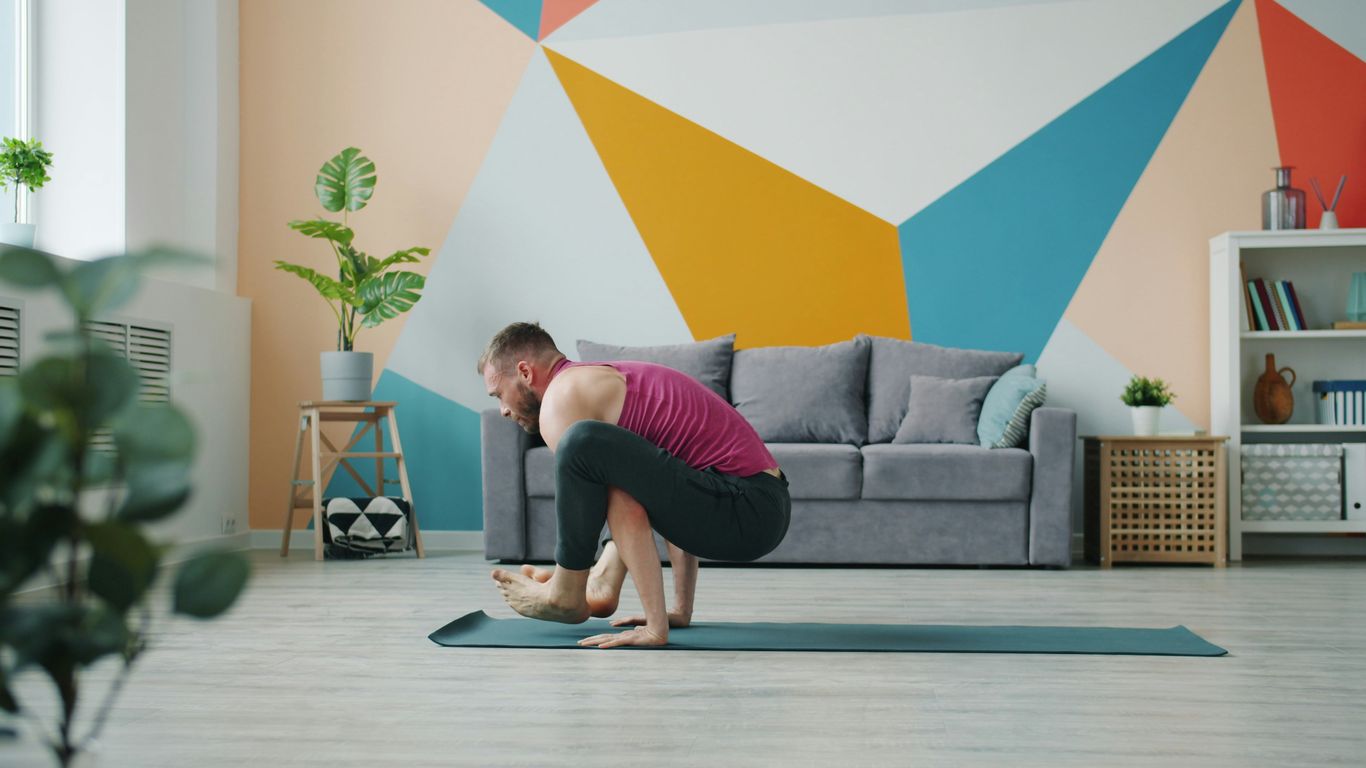
Once you've got the basics down and your form is solid, it's time to start mixing things up. Sticking to the same poses every single day can lead to a plateau. To keep progressing, you need to introduce new challenges. This could mean moving from a standard Plank pose to a Side Plank, which works different stabilizing muscles. Or perhaps trying Chair Pose on your tiptoes for an added calf and ankle challenge. Even small adjustments, like deepening a hip crease or extending your reach further, can make a big difference. The goal is to keep your muscles guessing and adapting, which is exactly what leads to greater strength and improved physical power.
Here are a few ideas to spice up your practice:
- Arm Balances: Poses like Crow Pose or even Handstand require significant upper body and core strength.
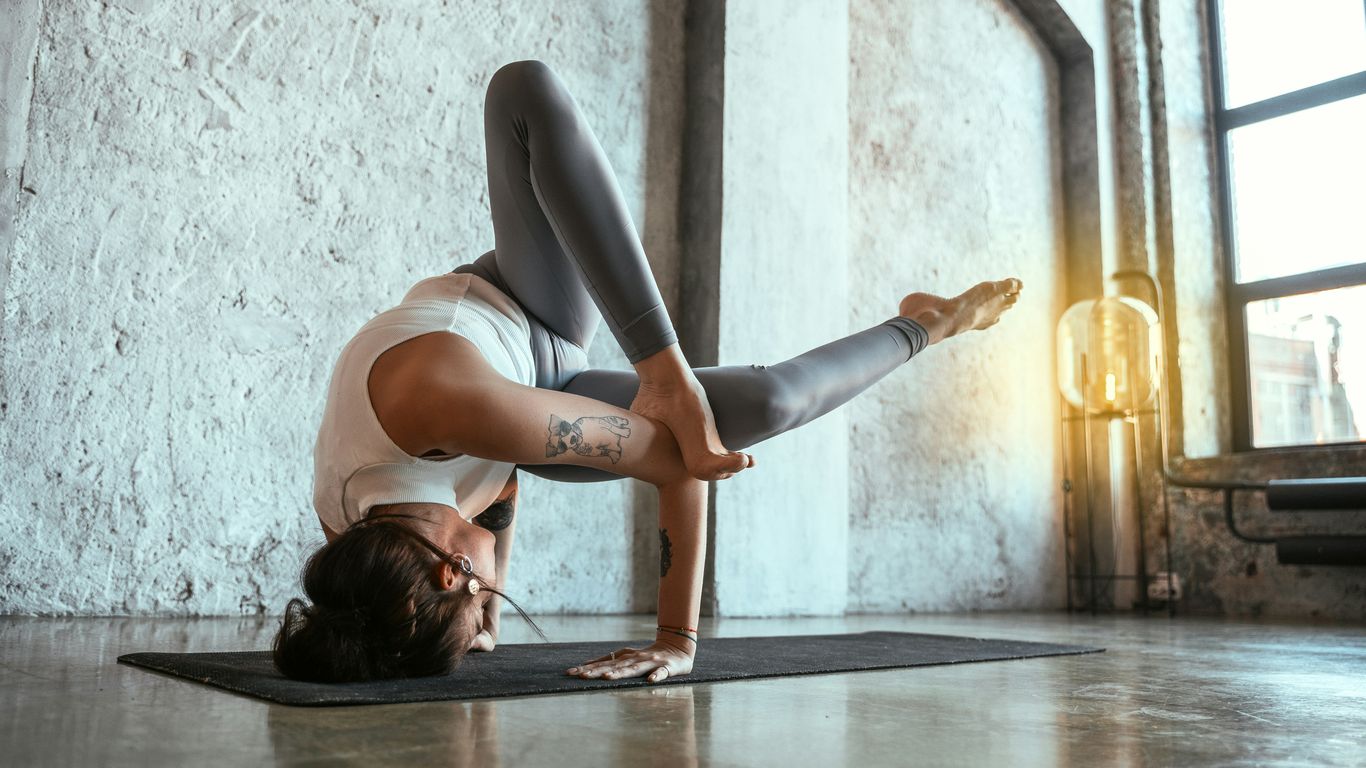
- Inversions: While challenging, inversions like Headstand or Forearm Stand build incredible shoulder and core stability.
- Deeper Holds: Instead of just holding a pose for a few breaths, try holding it for 5-10 breaths, really focusing on muscle engagement.
- Flow Transitions: Practice moving smoothly and with control between poses, like transitioning from Warrior II to Reverse Warrior with intention.
Can Yoga Replace Traditional Strength Training?
So, the big question: can you ditch the dumbbells and barbells entirely and just stick with yoga for all your strength needs? It's a common thought, especially as you get deeper into your practice and notice your muscles getting stronger. The short answer is, it depends on what you're aiming for. If your main goal is to pack on serious muscle mass or achieve peak strength for, say, powerlifting, yoga alone probably won't get you there. Traditional strength training, with its progressive overload of weights, is generally more effective for that kind of muscle growth, often called hypertrophy. But if you're looking for improved overall functional strength, better balance, increased flexibility, and a more resilient body, yoga can be a fantastic primary component of your fitness routine.
Functional Strength vs. Maximal Strength
Think about it this way: yoga is brilliant at building what we call functional strength. This is the kind of strength you use every day – pushing open a heavy door, carrying groceries, or getting up from a chair. Poses that require you to hold your body weight, like Plank or Warrior poses, work your muscles in integrated ways that mimic real-life movements. You're building endurance and stability, which are super important. Maximal strength, on the other hand, is about how much force your muscles can produce in a single, maximum effort, like lifting your heaviest weight once. While yoga can make you stronger, it typically doesn't push your muscles to that absolute limit in the same way lifting heavy weights does. It's more about sustained effort and control.
When to Complement Yoga with Weightlifting
If building significant muscle size or maximal strength is a priority, yoga is best viewed as a powerful complement rather than a complete replacement for weightlifting. Combining the two can offer a well-rounded approach to fitness. Yoga can help improve your range of motion, reduce muscle soreness from lifting, and teach you to listen to your body better, potentially lowering your risk of injury. It's like giving your muscles a chance to recover and move more freely while still getting a workout. For instance, a regular yoga practice can help maintain flexibility in the muscles you're working hard to build with weights.
Here's a quick look at how they differ:
| Feature | Yoga | Traditional Strength Training (Weights) |
|---|---|---|
| Primary Focus | Flexibility, balance, functional strength | Muscle mass, maximal strength |
| Resistance Type | Bodyweight, isometric holds | External weights, progressive overload |
| Muscle Growth | Moderate, endurance-focused | Significant, hypertrophy-focused |
| Injury Prevention | High (improves body awareness) | Moderate (requires proper form) |
The Benefits of Yoga for Overall Fitness
Even if you decide to keep lifting weights, yoga brings a ton of benefits to the table that traditional strength training might not cover as thoroughly. It's amazing for stress reduction and mental clarity, which are huge parts of overall well-being. Plus, it can significantly improve your posture and balance. Many people find that adding yoga to their routine helps them feel more connected to their bodies and more mindful during other physical activities. It's not just about building brute strength; it's about building a more capable, resilient, and balanced self. So, while it might not replace weightlifting for everyone's specific goals, yoga is undeniably a valuable part of a holistic fitness plan for overall fitness.
Yoga's strength-building potential is undeniable, especially for functional movements and body awareness. However, for those chasing significant muscle hypertrophy or peak maximal strength, incorporating traditional weightlifting alongside yoga is often the most effective path. It's about choosing the right tools for your specific fitness objectives.
Factors Influencing Muscle Development Through Yoga
So, you're wondering what makes muscles grow when you're doing yoga? It's not just about showing up to class. A bunch of things play a role, and understanding them can really help you get the most out of your practice. Think of it like baking a cake – you need the right ingredients and the right temperature, or it just won't turn out right.
The Impact of Practice Frequency and Intensity
How often you hit the mat and how hard you push yourself really matters. Practicing yoga a few times a week is good, but if you're aiming for muscle growth, aiming for three to four sessions weekly is a better bet. And within those sessions, holding poses longer or moving through sequences with more effort makes a difference. It's about consistently challenging those muscles.
- Daily Practice: Even short, focused sessions can add up over time.
- Weekly Sessions: Aim for 3-4 sessions per week for noticeable results.
- Session Duration: Longer classes (45-60 minutes) often allow for more intense work.
The Crucial Role of Nutrition and Recovery
This is a big one that people sometimes overlook. Your muscles need fuel to grow and repair. Eating enough protein is super important for this. Think lean meats, beans, or tofu – whatever works for you. And just as important as the workout itself is the downtime. Your muscles actually grow when you're resting, not when you're in a pose. So, getting enough sleep and letting your body recover between intense sessions is key. Without proper rest, you're just wearing your body down.
Muscles don't grow in the studio; they grow when you're recovering. Make sure you're fueling your body with good food and giving it enough sleep.
Individual Factors Affecting Muscle Growth
We're all built differently, right? Your age, your genetics, and your overall health status all influence how quickly and how much muscle you can build. Someone who's been active their whole life might see changes faster than someone just starting out. It's also why some people naturally have more muscle mass. Don't get discouraged if your progress looks different from someone else's; focus on your own journey and celebrate your personal wins. It's about building sustainable muscle strength that serves your body well.
Wrapping It Up: Yoga's Place in Your Strength Journey
So, can yoga actually build muscle? The short answer is yes, especially styles like power yoga. By using your own body weight for resistance and holding poses, you're definitely challenging your muscles. You might not get the same kind of bulk as lifting heavy weights, but you'll build lean muscle, improve endurance, and get stronger overall. Think of yoga as a fantastic way to complement your existing fitness routine, adding flexibility and core strength that traditional workouts might miss. It’s a holistic approach that strengthens your body and mind, and that’s pretty powerful stuff.
Frequently Asked Questions
Can yoga really help me build muscle?
Yes, yoga can help you build muscle! While it might not give you the same bulky muscles as lifting heavy weights, it uses your own body weight as resistance. Holding poses and moving through flows works your muscles, making them stronger and a bit bigger over time, especially with styles like Power Yoga.
How often should I do yoga to see muscle gains?
To really see your muscles grow, aim to practice yoga about three to four times a week. Make sure your sessions are long enough, around 45 to 60 minutes, so you can really challenge your body and hold those poses.
What's the difference between yoga and weightlifting for muscles?
Weightlifting is great for building the biggest, strongest muscles possible, called maximal strength. Yoga is more about building functional strength, which helps you move better in everyday life. It also improves flexibility and balance, which weightlifting doesn't focus on as much.
Do I need to do other exercises if I do yoga regularly?
It depends on your goals! If you want to get as strong as possible or build very large muscles, you might want to add weightlifting. But if you're happy with getting leaner, stronger for daily activities, and more flexible, yoga alone can be very effective.
What are the best yoga poses for building muscle?
Poses where you hold your body weight are fantastic! Think about Plank, Chaturanga (the push-up like pose), Warrior poses (like Warrior I and II), and Chair Pose. These poses make your muscles work hard and build strength.
Besides muscles, what else does yoga offer?
Yoga is a whole-body workout! Besides building strength, it's amazing for improving your flexibility, balance, and posture. It also helps calm your mind, reduce stress, and can even help you breathe better, which aids in recovery.

