

Your Complete Introduction to Yoga PDF: A Beginner's Guide
So, you're thinking about starting yoga? That's great! It can feel a bit overwhelming at first with all the different styles and poses. But don't worry, this guide is here to help. We'll break down what yoga really is, look at some common types, and get you ready to try it out. Think of this as your friendly introduction to yoga, kind of like a handy introduction of yoga pdf you can keep around. We'll cover the basics so you can feel confident stepping onto the mat.
Key Takeaways
- Yoga is more than just exercise; it's a way to connect your mind, body, and spirit.
- There are many types of yoga, like Hatha, Raja, Karma, Bhakti, and Jnana, each with its own focus.
- Getting started with yoga involves simple equipment, basic poses, and paying attention to your breath.
- Practicing yoga offers benefits for your physical health, mental well-being, and can even support spiritual growth.
- Yoga has a long history, evolving from ancient Indian traditions to the many forms practiced around the world today.
Understanding The Essence Of Yoga
So, what exactly is yoga? It’s easy to see pictures of people in pretzel-like poses and think that’s all there is to it. But honestly, it’s so much more than just the physical stuff. The word 'yoga' itself comes from an old Sanskrit word, 'yuj,' which means 'to unite' or 'to join.' Think of it as bringing different parts of yourself together – your body, your mind, and maybe even something deeper, like your spirit.
What Yoga Truly Means
At its core, yoga is about connection. It’s about finding a sense of balance and inner peace by connecting your physical self with your mental and emotional states. It’s not about being the most flexible person in the room or mastering a handstand on day one. It’s a personal journey toward self-awareness and harmony. It’s a practice that helps you understand yourself better, both on and off the mat. It’s a way to manage life's ups and downs with a bit more calm and clarity.
The Ancient Roots Of Yoga
Yoga isn't some new trend; it's been around for thousands of years, originating in ancient India. Back then, it was often practiced by ascetics and sages as a way to achieve spiritual liberation and a deeper understanding of reality. It was deeply woven into the philosophical and spiritual traditions of India. While the physical postures, or asanas, are what many people recognize today, they were originally just one part of a much larger system. The early practices were more focused on meditation and breath control, aiming for a profound inner transformation. It's fascinating to see how these ancient ideas are still relevant today, even as yoga has spread across the globe.
Yoga's Holistic Approach To Well-Being
What’s really cool about yoga is how it looks at you as a whole person. It’s not just about fixing a sore back or getting stronger muscles, though those things can definitely happen. Yoga works on your physical health, yes, but it also calms your mind, helps you deal with stress, and can even lead to a greater sense of spiritual connection. It’s like a multi-tool for your well-being.
Here’s a quick look at how it covers different areas:
- Physical: Improves flexibility, strength, and balance.
- Mental: Reduces stress, increases focus, and promotes mental clarity.
- Emotional: Helps regulate emotions and fosters a sense of inner peace.
- Spiritual: Encourages self-reflection and a connection to something larger than oneself.
Yoga offers a path to integrate your physical, mental, and emotional selves, leading to a more balanced and fulfilling life. It's a practice that supports you in becoming more present and aware in your daily activities.
It’s this all-encompassing approach that makes yoga such a powerful practice for so many people looking for a more balanced way of living. It’s a path that can lead to a deeper connection with yourself and the world around you.
Exploring Different Yoga Styles
So, you're curious about yoga, huh? It's not just one thing, you know. There are actually quite a few different paths you can take, each with its own flavor. It can feel a bit overwhelming at first, trying to figure out which one is right for you, but that's totally normal.
Hatha Yoga For Beginners
When most people in the West think of yoga, they're probably picturing Hatha yoga. It's the style that really focuses on the physical postures, or 'asanas', combined with breathing techniques and a bit of meditation. Think of it as the foundational style. It's generally slower-paced, which makes it a great starting point if you're just getting your feet wet. You'll learn basic poses and how to move between them smoothly. It's all about building a connection between your body and your breath. If you're looking for a gentle introduction to the physical side of yoga, Hatha is definitely a good place to start. You can find many resources online that explain the basics of Hatha Yoga.
Raja Yoga And Its Principles
Raja Yoga is a bit different. It's often called the 'royal path' and it's more about the mind and meditation. While Hatha focuses on the body to prepare for meditation, Raja Yoga directly works with the mind. It's structured around eight limbs, kind of like steps, that guide you towards self-realization. These limbs include things like ethical principles, physical postures (yes, Hatha is one of the limbs!), breath control, and then moving into deeper states of concentration and meditation. It's a more in-depth, philosophical approach.
Karma, Bhakti, And Jnana Yoga Paths
Beyond Hatha and Raja, there are other paths too, often described by their focus:
- Karma Yoga: This is the yoga of action. It's about performing your duties and actions selflessly, without attachment to the results. It's about doing good work in the world.
- Bhakti Yoga: This is the path of devotion. It often involves chanting, prayer, and focusing your love and adoration on a higher power or ideal.
- Jnana Yoga: This is the path of knowledge and wisdom. It involves study, contemplation, and self-inquiry to understand the true nature of reality and the self.
It's important to remember that these paths aren't always separate. Many practitioners weave elements from different styles into their practice, creating a personal journey that suits their individual needs and goals. The ultimate aim is often the same, even if the route taken varies.
Each of these styles offers a unique way to explore yoga. Don't feel pressured to pick just one right away. Many beginners find that exploring different classes or styles helps them discover what truly speaks to them. It's your journey, after all!
Getting Started With Your Yoga Practice
So, you're ready to roll out that mat and give yoga a whirl? Awesome! It can feel a bit overwhelming at first, with all the different poses and terms, but honestly, getting started is simpler than you might think. The key is to begin with the basics and build from there. Don't worry about being perfect; just focus on showing up and being present.
Essential Yoga Equipment For Newcomers
When you're just starting out, you don't need a whole lot of fancy gear. Most people begin with just a few key items. Think of it like this: you wouldn't go for a run without shoes, right? Yoga is similar, but the essentials are pretty straightforward.
- Yoga Mat: This is probably the most important piece of equipment. It gives you grip so you don't slide around, and it provides a bit of cushioning for your joints. There are tons of options out there, from basic to super-cushioned, but a standard mat is perfectly fine for beginners.
- Comfortable Clothing: You want clothes that let you move freely. Stretchy pants or shorts and a comfortable top that isn't too baggy are ideal. You'll be bending and stretching, so make sure nothing is too tight or restrictive.
- Water Bottle: Staying hydrated is always a good idea, especially after a practice. Keep a bottle of water nearby.
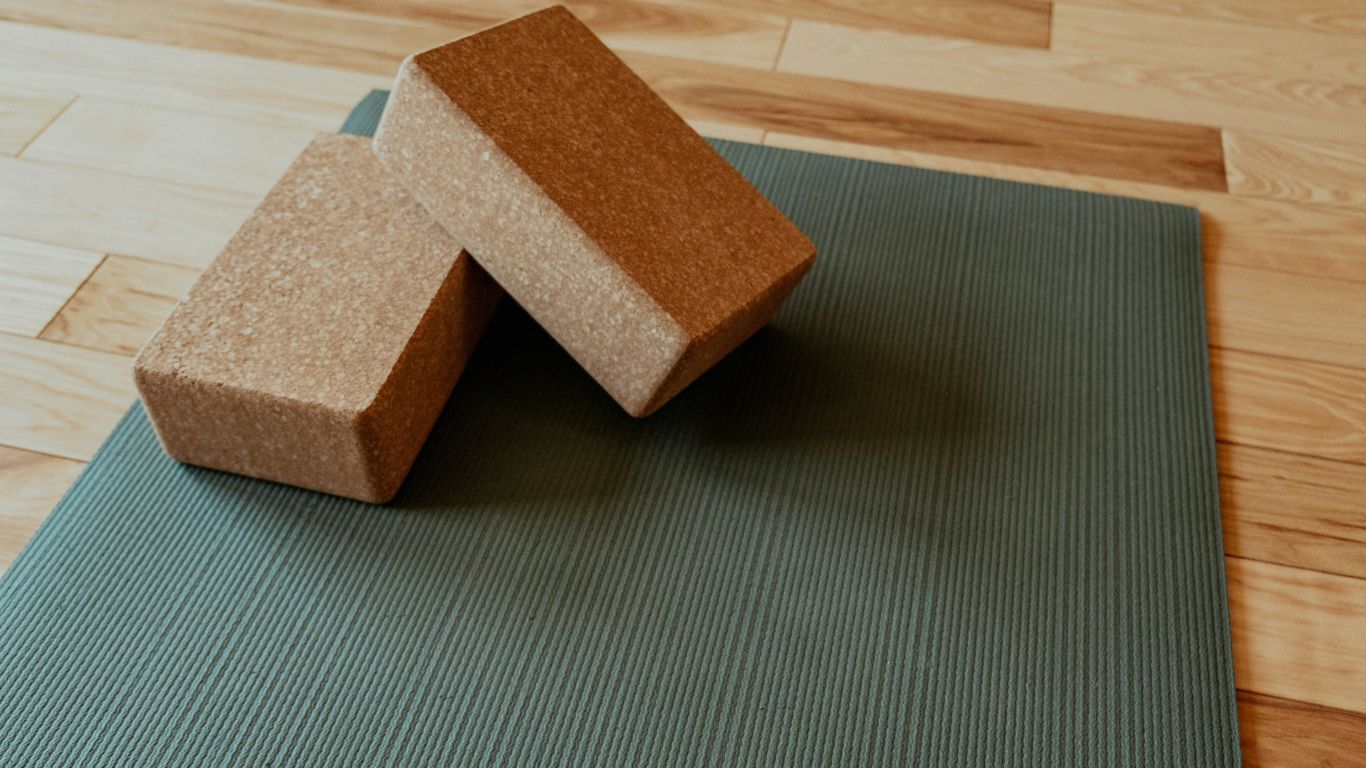
That's really it for the absolute must-haves. Some people like to use yoga blocks or straps to help them get into certain poses, but you can definitely start without them. You can always add more as you get more comfortable and your practice evolves. For some simple warm-up exercises you can do at home, check out these beginner yoga exercises.
Basic Yoga Postures For A Strong Foundation
Building a solid foundation means getting familiar with some fundamental poses. These are the building blocks for more complex sequences. Don't get discouraged if you can't do them perfectly right away; it takes time and practice. Focus on how the pose feels in your body.
Here are a few to get you started:
- Tadasana (Mountain Pose): This might sound too simple, but it's the basis for many standing poses. Stand tall with your feet together or hip-width apart, arms by your sides, and feel your connection to the ground. It's all about posture and grounding.
- Adho Mukha Svanasana (Downward-Facing Dog): This is a classic! It's a gentle inversion that stretches your hamstrings, calves, and shoulders. Start on your hands and knees, then lift your hips up and back, forming an inverted 'V' shape.
- Balasana (Child's Pose): This is your go-to resting pose. Kneel on the floor, sit back on your heels, and fold your torso forward, resting your forehead on the mat. It's a great way to reset and breathe.
Learning these basic poses is like learning your ABCs. They help you understand alignment and how your body moves. You can find detailed instructions on many accessible yoga poses to help you get the form right.
The Role Of Breathing In Yoga
Breathing, or pranayama, is a huge part of yoga. It's not just about filling your lungs; it's about controlling and directing your breath to calm your mind and energize your body. Think of your breath as the anchor for your practice.
When you focus on your breath, you naturally start to slow down. This simple act can quiet the mental chatter and bring you into the present moment. It's amazing how much of a difference a few deep, conscious breaths can make.
Most yoga classes will guide you through specific breathing techniques. For beginners, simply focusing on taking slow, deep breaths through your nose is a great start. Inhale deeply, feeling your belly and chest expand, and exhale slowly, releasing all the air. This conscious breathing helps to link your movement with your breath, creating a moving meditation. It's a practice within the practice, and it's incredibly calming.
Benefits Of An Introduction To Yoga
Starting yoga can really change things for the better, not just for your body but for your head too. It's not just about touching your toes, though that's a nice bonus. Think of it as a way to get your whole self feeling more put together.
Physical Health Advantages Of Yoga
When you start doing yoga, you'll probably notice your body changing. You get stronger, sure, but it's a different kind of strength. It's more about stability and control. Your posture might improve without you even thinking about it, and those little aches and pains you’ve gotten used to might start to fade. It's also great for your balance, which is something we all need as we get older. Plus, it can help with things like stiff joints and even improve how well you sleep.
Here’s a quick look at some physical wins:
- Increased flexibility and range of motion.
- Better muscle tone and strength.
- Improved posture and spinal alignment.
- Enhanced balance and coordination.
- Potential relief from chronic pain.
Mental Clarity And Stress Reduction
This is where yoga really shines for a lot of people. Life gets hectic, right? Work, family, just… everything. Yoga gives you a space to slow down and focus on just you, right here, right now. The breathing exercises, called pranayama, are a big part of this. They help calm your nervous system. When you’re on the mat, you’re not thinking about that email you forgot to send or what’s for dinner. You’re just breathing and moving. This practice can really help clear out the mental clutter and make you feel more centered. It’s like hitting a reset button for your brain. Many find that regular practice helps them manage daily pressures better, leading to a calmer outlook. It’s a way to find some peace in the middle of the chaos. You can find some simple breathing techniques to get you started here.
Spiritual Growth Through Yoga
Beyond the physical and mental stuff, yoga has a spiritual side. It’s not about religion, necessarily, but more about connecting with yourself on a deeper level. It encourages you to be more aware of your thoughts and feelings without judgment. This self-awareness can lead to a greater sense of purpose and inner peace. It’s about understanding yourself better and how you fit into the world around you. This journey of self-discovery is a big part of what makes yoga so rewarding for so many people. It’s a path to feeling more connected, not just to yourself, but to everything. It’s a way to explore your inner landscape and find a sense of wholeness. This practice can be a great addition to your fitness routine [0886].
Yoga encourages a mindful presence, helping you to observe your thoughts and emotions without getting carried away by them. This practice cultivates a sense of inner calm and resilience, making it easier to navigate life's challenges with a more balanced perspective.
The Historical Journey Of Yoga
Yoga isn't some new trend that popped up last week. It's got some serious history behind it, stretching back thousands of years. Its roots are deeply embedded in ancient Indian culture and philosophy.
Yoga's Evolution Through Time
Think of yoga's journey like a river. It started as a small stream, flowing through ancient traditions, and over time, it's grown into a vast ocean, reaching almost every corner of the globe. Initially, it was more about spiritual discipline and self-discovery, passed down from teacher to student, often in quiet, natural settings. As centuries rolled by, different schools of thought emerged, and the practices began to diversify. We see the emergence of texts like the Yoga Sutras of Patanjali, which helped codify some of the core ideas, though it was still quite different from what many people practice today. This period saw yoga as a more philosophical and introspective pursuit.
Yoga In Ancient Indian Traditions
In its earliest forms, yoga was deeply intertwined with the spiritual and philosophical landscape of India. It wasn't just about physical poses; it was a holistic system for understanding oneself and the universe. Early yogic practices were often associated with asceticism and meditation, aiming for liberation or enlightenment. Archaeological findings, like those from the Indus Valley Civilization, even suggest early visual representations that might be linked to yogic postures. This ancient foundation is what gives yoga its depth and its connection to a rich cultural heritage. It's fascinating to consider how these ancient practices have influenced modern life.
Modern Interpretations Of Yoga
Fast forward to today, and yoga looks quite different in many ways. While the spiritual core remains for many, modern yoga has also become a popular way to improve physical fitness, manage stress, and enhance overall well-being. You see yoga studios everywhere, offering classes that range from gentle stretching to vigorous workouts. This evolution means yoga is accessible to a much wider audience now than ever before. It's a blend of ancient wisdom and contemporary needs, adapting to fit into our busy lives. The way yoga is practiced and understood has certainly broadened, making it a truly global phenomenon.
Here's a quick look at how yoga has developed:
- Pre-Historic Era: Oral traditions, teachings in forest hermitages.
- Historic Era: Oral and written traditions, codification of texts.
- Modern Era: Diverse interpretations, global spread, focus on physical and mental health alongside spiritual aspects.
The journey of yoga from ancient India to the modern world is a testament to its adaptability and enduring appeal. It continues to evolve, offering something unique to each practitioner.
Ready to Roll Out Your Mat?
So, that's pretty much the lowdown on yoga for beginners. We've covered what it is, why people do it, and how you can get started without feeling totally lost. It's not about being perfect right away; it's more about showing up for yourself, even if it's just for a few minutes. Remember, everyone starts somewhere, and this guide is just the first step. Give it a try, see how it feels, and don't be afraid to explore different styles to find what clicks for you. Happy practicing!
Frequently Asked Questions
What exactly is yoga?
Yoga is a way of life that helps connect your body, mind, and spirit. It's not just about stretching or doing weird poses; it's a whole system that aims to bring balance to your life. Think of it as a practice that helps you feel more at peace and in control.
Where did yoga come from?
Yoga started in ancient India thousands of years ago. It began as a way for wise people to connect with themselves and the world around them. Over time, it spread and changed, becoming what we know today.
Do I need special equipment to start yoga?
Not really! When you're just starting, all you truly need is comfortable clothing that lets you move freely. A yoga mat is helpful for cushioning and grip, but you can even start on a carpet or a towel. Don't let a lack of fancy gear stop you!
What are some basic yoga poses for beginners?
Great question! Some simple poses to begin with include Mountain Pose (Tadasana) for standing tall, Downward-Facing Dog (Adho Mukha Svanasana) to stretch your whole body, and Child's Pose (Balasana) for a relaxing break. These are good starting points to build strength and flexibility.
How important is breathing in yoga?
Breathing is super important in yoga! It's called 'pranayama.' Focusing on your breath helps calm your mind, makes your body feel more alive, and deepens your practice. It's like the engine that powers your yoga journey.
What are the main benefits of practicing yoga?
Yoga offers tons of benefits! Physically, it can make you more flexible, stronger, and help with balance. Mentally, it's fantastic for reducing stress, clearing your mind, and improving focus. Some people also find it helps them feel more connected spiritually.


