

Yoga mat Gaiam 6mm: a complete guide to choosing, using, and caring for your mat
Key Takeaways
A 6mm mat can be a comfortable middle ground for everyday practice, but the right choice still depends on surface feel, room size, and how you carry it.
- Six millimeters adds cushioning for kneeling, reclining, and floor-based work.
- Texture and traction matter as much as thickness for standing poses.
- Measure your practice space and check the rolled size before buying.
- Air out a new mat, clean it gently, and store it away from prolonged sun.
- Compare portability, construction, and return terms—not just the price tag.
What makes a Gaiam 6mm yoga mat different
A yoga mat gaiam 6mm model sits in a versatile thickness range: more cushioned than a very thin travel mat, while still practical for regular home use. The extra material can make floor work feel less harsh, though it may slightly change how closely you sense the floor. The best fit is not simply the softest mat; it is the one that supports your practice without making balance feel vague.
How 6mm thickness affects cushioning
Six millimeters gives your hands, knees, hips, and spine a little more separation from a hard floor. That can be welcome during child’s pose, seated stretches, and longer kneeling sequences. Cushioning is personal, however, so notice whether the mat feels supportive or overly springy when you shift weight.
A thicker mat does not replace careful positioning. If a joint still feels uncomfortable, adjust your posture, add a folded towel, or change the exercise rather than assuming more foam will solve everything.
Balancing comfort, stability, and portability
Thickness creates a trade-off. A 6mm mat generally feels more comfortable for floor work, but it can weigh or roll larger than a minimalist mat. For a mat that stays at home, that difference may barely matter; for studio visits, hotel rooms, or outdoor sessions, it becomes part of the decision.
The Gaiam premium mats collection is a useful starting point for comparing options by sorting preferences such as featured, best-selling, price, or alphabetical order. Use those filters as a shortlist, then check the individual specifications rather than choosing by appearance alone.
Comparing reversible and single-sided designs
A single-sided mat keeps the decision simple: identify the intended practice surface and place it face up. A reversible design gives you two surfaces to choose from, which can be handy when you want a different feel for a slower or more active session. The underside still needs to stay clean, since it contacts the floor.
The Gaiam Reversible Yoga Mat is described as having two distinct surfaces, with cushioning and grip suited to different needs. That makes reversibility a practical feature, not just a decorative detail, provided you are willing to turn and clean the mat carefully.
Who benefits most from a thicker yoga mat
A 6mm mat can suit people who spend a lot of time on their knees, practice on firm floors, or want one mat for both gentle yoga and moderate movement. It can also be a comfortable choice for beginners who are still learning which surfaces and thicknesses feel natural. Those who travel frequently may prefer something thinner if packing space matters more than cushioning.
The useful question is simple: where will you practice most often, and which positions tend to feel least comfortable? Your answer will usually be more revealing than a thickness label by itself.
How to choose the right Gaiam 6mm yoga mat
Choosing a mat involves more than matching a color to your room. Surface texture, dimensions, materials, and storage all shape the experience over time. Start with the conditions you can predict—your floor, your available space, and the type of sessions you usually do—then weigh style and price.
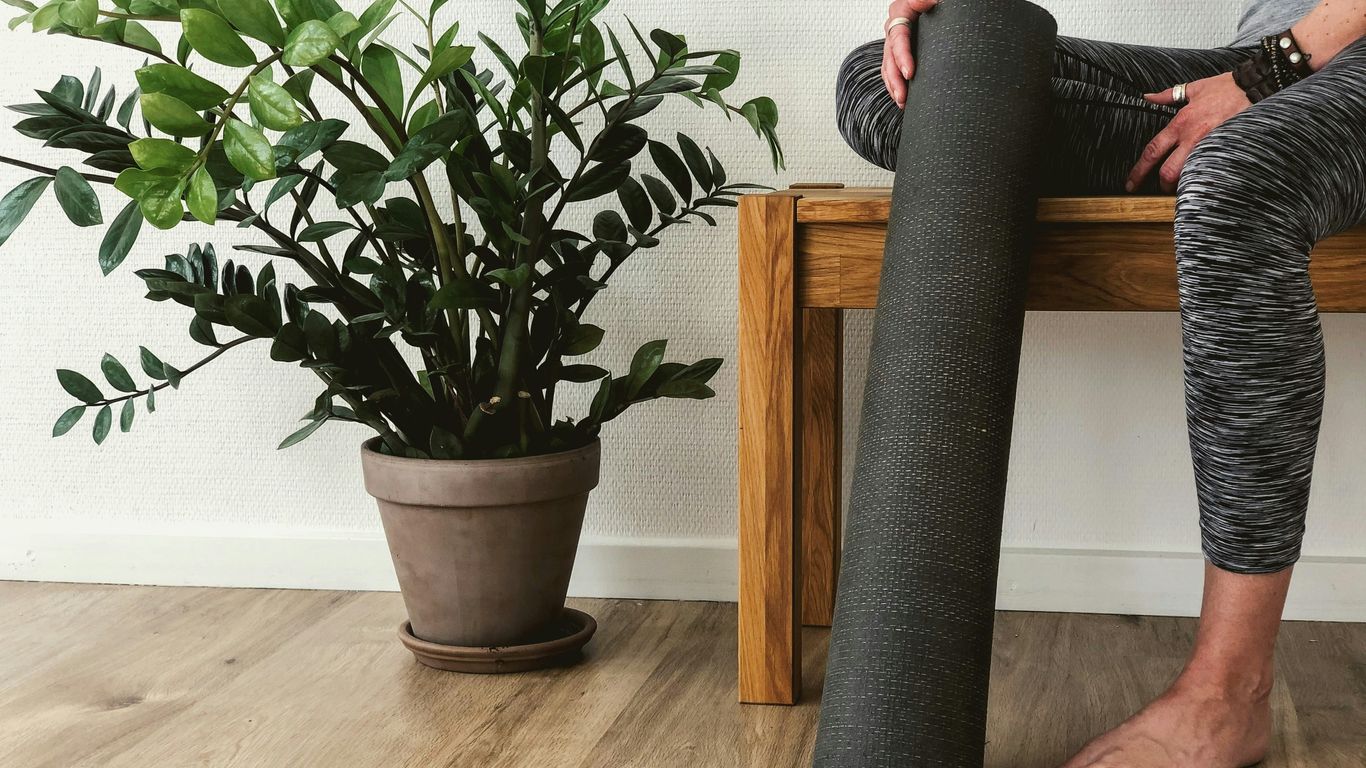
Selecting the best surface texture
Texture affects how secure your hands and feet feel during transitions. A lightly textured surface may feel comfortable for slower work, while a more pronounced pattern can provide a clearer sense of traction. Try to distinguish between a surface that feels grippy when dry and one that remains manageable when your hands become warm or damp.
Do not judge grip from a photograph. Product descriptions, user care instructions, and an in-person touch test can reveal more about the actual feel than a close-up image.
Checking dimensions and available space
Measure the open area where you practice, especially if you move through wide lunges or lie down fully. Standard dimensions work for many rooms, but a mat can feel cramped beside furniture or on a narrow balcony. Also consider the doorway, closet, or shelf where the rolled mat will live.
A small amount of planning prevents an annoying routine in which the mat must be shifted every time you practice. Leave enough surrounding space to step off safely and keep nearby objects from catching the edges.
Considering color, pattern, and personal style
Color is not a performance feature, but it does affect whether you enjoy seeing the mat in your space. Darker surfaces may make dust more visible, while intricate patterns can disguise small marks. Choose something that feels inviting without allowing the design to distract you from foot placement.
There is room for personality in a practical purchase. A calm neutral may suit a shared room, while a brighter pattern can make a portable setup easier to spot in a busy studio.
Reviewing materials and construction details
Read the material description, surface claims, dimensions, and care instructions together. Look for details about latex or phthalate content if those matter to you, and check whether the surface is described as moisture-resistant or easy to clean. Construction details such as reinforced edges or anti-tear language can also help you compare mats intended for frequent use.
Here is a simple comparison framework to use while browsing. It keeps attractive artwork from overshadowing the practical details that affect daily use.
| Detail to compare | Why it matters | What to check |
|---|---|---|
| Surface texture | Influences traction and feel | Dry grip, pattern, cleaning needs |
| Dimensions | Determines movement room | Length, width, open floor area |
| Material | Affects feel and preferences | Latex, PVC, PER, stated additives |
| Construction | Relates to repeated handling | Edges, tear resistance, print finish |
After the table, return to the product page and confirm the details for the exact color or design you want. Variations within a collection can have different specifications, so a general category description should not be your only source.
Matching the mat to your yoga practice
The same 6mm thickness can feel very different depending on how you use it. Restorative poses ask for comfort and calm, while standing sequences reveal whether the surface stays stable under shifting weight. Floor-based workouts bring another concern: whether the mat remains comfortable without becoming too soft.
Think in terms of repeated movements rather than labels. A mat that works for your most common transitions is usually a better choice than one selected for a single occasional class.
Choosing support for restorative and gentle yoga
Slow sessions often include seated folds, reclined positions, and time spent with knees or hips on the floor. A 6mm mat can make those pauses more comfortable, particularly on tile or wood. You may still want a blanket or bolster for extra support, since the mat is only one part of the setup.
For gentle practice, surface comfort and easy cleaning may matter more than maximum traction. Choose a texture that feels pleasant against bare skin and does not make small adjustments awkward.
Evaluating stability for standing poses
Standing poses put pressure on the mat’s grip and the floor beneath it. If the mat shifts or your feet slide, alignment becomes harder to maintain. Test it with slow weight transfers, a wide stance, and transitions between standing and hands-and-knees positions.
A supportive mat should feel planted without feeling sticky enough to interrupt movement. Pay attention to whether the edges stay flat as you travel across the surface.
Improving comfort during kneeling and floor work
Kneeling, seated work, and side-lying exercises expose thin spots in your setup quickly. Six millimeters can soften contact with the floor, but body position still matters. If one area remains sensitive, use a folded towel under that joint rather than layering the entire mat with extra padding.
This is also where a mat’s density matters. Plushness can feel lovely at first, yet too much give may make transitions less precise, so look for a balanced rather than pillowy feel.
Using the mat for stretching, Pilates, or home workouts
A 6mm mat can serve beyond yoga when the surface is large enough and the grip suits repeated repositioning. Stretching and low-impact home workouts may benefit from the added cushioning, while Pilates movements call for a stable base that does not slide across the floor. Check the manufacturer’s stated use rather than assuming every mat is designed for every activity.
Keep the exercises moderate if the mat is primarily made for yoga. Shoes, sharp equipment, and rough outdoor surfaces can wear a practice surface faster than bare-foot movement.
Setting up and using your yoga mat
A little setup work improves the first session and reduces many common annoyances. Mats can arrive tightly rolled, and their behavior changes with temperature, floor texture, and use. Give yours time to settle before judging its grip or flatness.
The goal is an easy, repeatable foundation: open enough space, a clean underside, and a mat oriented the same way each time.
Preparing the mat before its first session
Unroll the mat in a ventilated area and follow the care directions supplied with it. A new-mat odor can be noticeable, so airing it out before practice is sensible. Wipe it only with a suitable mild solution if the instructions permit, then let it dry fully.
Avoid rushing straight from packaging to an intense session. Letting the material relax can also reduce curling at the ends and gives you a better first impression of the surface.
Positioning it on different floor types
Hard, clean floors usually provide the most predictable base, while rugs and uneven outdoor surfaces can introduce movement. Clear grit and small stones before placing the mat outside. On carpet, test whether the mat grips or slides as you step on and off it.
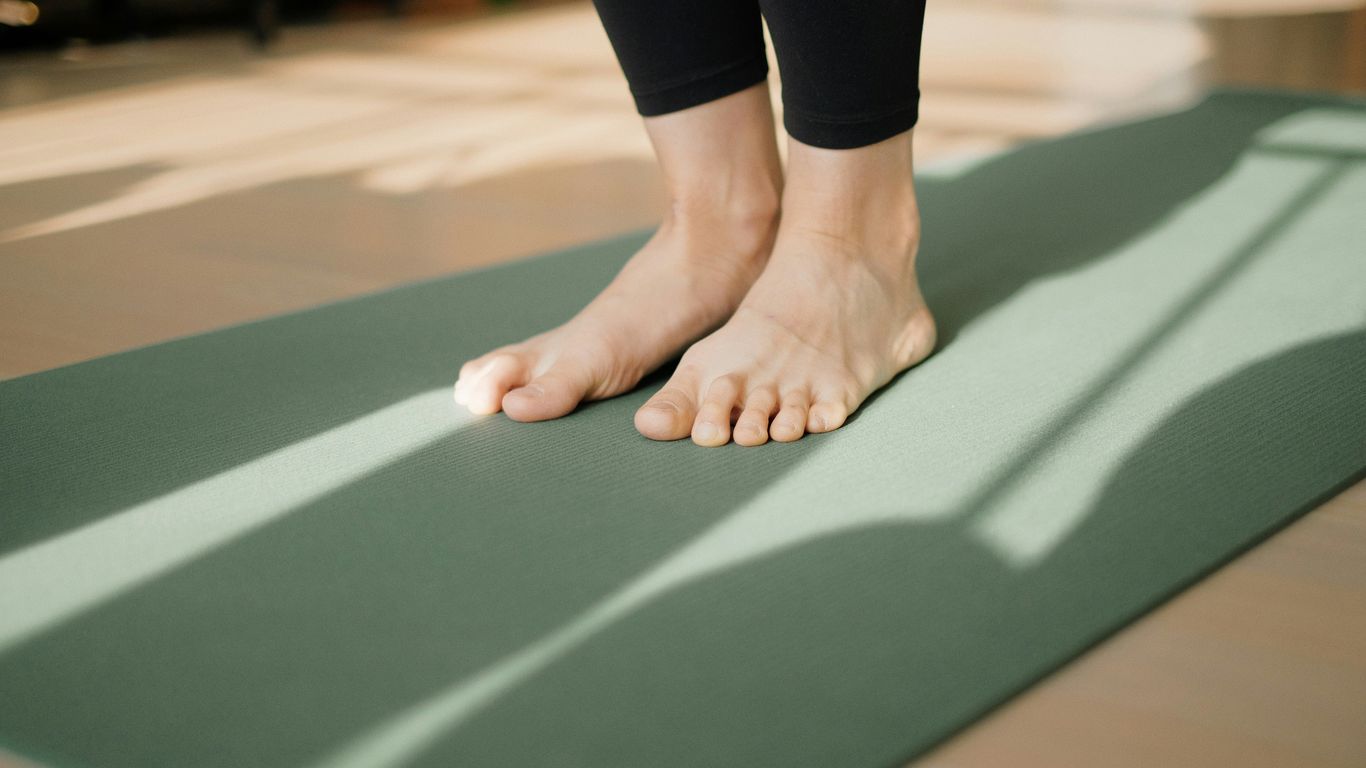
For travel, choose a location that is level and dry. A hotel room, park, or beach may require a quick inspection before you begin, especially where sand or moisture could affect the underside.
Keeping alignment and balance consistent
Use the long edges and surface pattern as visual references. Place the mat in the same direction whenever possible, and keep enough space beyond both ends for standing and reclining work. Consistent orientation makes it easier to notice when your feet or hands drift.
If balance feels uncertain, slow the movement and reduce the range rather than blaming the thickness immediately. Stability comes from the interaction of your body, the mat, and the floor.
Managing curling, slipping, and movement
Persistent curling often improves after the mat is unrolled and stored flat or loosely rolled in the opposite direction, if the care guidance allows. Slipping may come from sweat, dust, a smooth floor, or the wrong side facing down. Clean both the practice surface and the floor before changing mats.
One practical setup checklist can keep the fix simple:
- Remove grit and dust from the floor.
- Place the intended practice side facing up.
- Unroll the mat fully and flatten the ends.
- Keep towels or props from sitting under the edges.
Then test a few slow movements before starting a full session. If the mat still travels across the floor, use a compatible rug or mat underneath rather than forcing a risky setup.
Cleaning and maintaining a Gaiam 6mm yoga mat
Regular care is mostly about removing sweat, dust, and oils before they build up. A quick wipe after practice takes less effort than trying to revive a neglected surface later. Gentle cleaning also protects the texture that gives the mat its familiar feel.
Care instructions vary by material, so use the product guidance as the final authority. When in doubt, choose less product, less water, and more drying time.
Establishing a simple post-practice cleaning routine
After each session, wipe the mat with a damp cloth or a mat-safe cleaner, paying extra attention to areas touched by hands and feet. Avoid rolling it while wet. If the practice was especially sweaty, give the surface a more thorough wipe and allow it to dry before storage.
A small towel kept with your mat makes the routine easier to repeat. Consistency matters more than using a complicated cleaning system.
Choosing suitable cleaning products
Mild soap diluted in water may be suitable for some mats, but strong solvents, abrasive powders, and heavily fragranced products can damage or irritate the surface. Always test a new cleaner on a small, inconspicuous area first. Do not soak the mat unless its instructions specifically allow it.
Read the care label before using essential oils or disinfectants. Natural-sounding ingredients are not automatically safe for every mat material.
Drying and storing the mat correctly
Let the mat dry flat or fully open in a shaded, ventilated place. Prolonged direct sun can fade some finishes and may make certain materials brittle. Once dry, roll it without sharp folds and store it in a cool spot where heavy objects will not press against it.
If you carry it often, a mat bag can keep dust off and make transport easier. Keep the bag dry too; enclosing a damp mat simply traps the moisture.
Addressing odor, stains, and surface wear
A mild new-mat smell often decreases with airing, but strong or persistent odor deserves a review of the care instructions. Treat fresh stains promptly with a soft cloth instead of scrubbing hard. If the surface becomes slick, cracked, or visibly degraded, replace the mat rather than trying increasingly aggressive cleaners.
Wear is not always dramatic. A gradual loss of grip or edges that no longer lie flat can be enough to change how confidently you practice.
Comparing value before you buy
Price is only one part of value. A mat used several times a week may justify better construction or easier care, while an occasional traveler may value a lighter, simpler option. Compare the features you will actually use with the effort required to carry and maintain them.
A thoughtful purchase also leaves room for practical questions about delivery, returns, and storage. Those details matter once the initial excitement fades.
Assessing price against cushioning and durability
Start by asking whether the 6mm cushioning solves a real problem for you. Then compare the surface, construction, cleaning requirements, and stated guarantees at similar prices. A lower-cost mat may be perfectly adequate if it matches your practice and receives careful use.
The Premium Violet Vision Yoga Mat is described as a 6mm mat with cushioning, a textured non-slip surface, a PVC construction, latex-free materials, a lifetime guarantee, and access to an online video library. Those are specific features to weigh—not promises that every mat will feel identical in every practice.
Checking portability and storage requirements
Measure the rolled mat if you plan to use public transport, fly, or walk to class. A 6mm mat may be manageable for many people but less convenient than a thin foldable option. Consider whether you have a mat bag, a closet shelf, or a place where the mat can remain unrolled between sessions.
Portability is also about setup time. A mat that is easy to carry but constantly curls or needs extensive cleaning may not feel convenient in real use.
Understanding return policies and warranties
Before buying, check the return window, condition requirements, shipping responsibility, and warranty language. A warranty may cover manufacturing defects but not ordinary wear, sun exposure, or damage from unsuitable cleaning. Save the receipt and product information until you know the mat works for you.
These terms are especially useful when buying online, where you cannot assess texture or weight in person. Read the current policy rather than relying on an old product review.
Identifying signs of a good fit for your needs
A good fit feels unremarkable in the best way: it stays put, gives enough cushioning, and does not create extra chores. Before deciding, consider these questions:
- Does the surface feel secure during your most common transitions?
- Is the length and width comfortable in your actual practice space?
- Can you carry and store the rolled mat without inconvenience?
- Are the care instructions realistic for your routine?
If most answers are yes, the mat is probably meeting your practical needs. For readers comparing broader wellness choices, even a wellness center selection guide can reinforce the same useful habit: judge options against your own routine rather than a generic ideal.
The surrounding purchase context can matter too. If your practice is part of a travel weekend, you may care about nearby plans such as a waterfront Miami outing, while a home-focused routine may be more concerned with consistent real estate marketing or documenting pain and suffering damages—different topics, but reminders that the right choice depends on the situation. A solar setup such as a solar pool mat belongs to another kind of planning entirely, yet it makes the same point: check compatibility, space, and maintenance before committing.
Conclusion
A 6mm yoga mat can be a dependable middle ground when you want noticeable cushioning without giving up everyday versatility. Compare texture, dimensions, materials, portability, and care requirements, then test the mat in the movements you actually practice. With a little airing, gentle cleaning, and sensible storage, your choice can remain comfortable and useful for a long time.
Frequently Asked Questions
Is a 6mm yoga mat good for beginners?
Yes. It offers a comfortable amount of cushioning while remaining versatile enough for learning standing, seated, and floor-based movements. Beginners should still prioritize a stable surface and a manageable size.
Is thicker always better for yoga?
No. More cushioning can improve comfort, but excessive softness may make balance and transitions feel less precise. The best thickness depends on your joints, floor, practice style, and portability needs.
How do I stop a yoga mat from slipping?
Clean dust and sweat from both the floor and mat, confirm that the intended side is facing up, and practice on a level surface. If slipping continues, reassess the surface texture and floor compatibility.
Can I use a yoga mat for Pilates?
Often, yes, especially for low-impact floor exercises and stretching. Check the mat’s dimensions, grip, and care guidance, and avoid sharp equipment or footwear that could damage the surface.
How often should I clean a yoga mat?
Wipe it after regular sessions and clean it more thoroughly when sweat, dust, or odor builds up. Let it dry completely before rolling and storing it.
Can I leave a yoga mat in direct sunlight?
It is better to avoid prolonged direct sunlight. Extended exposure can fade some surfaces and may contribute to brittleness, so dry and store the mat in a shaded, ventilated place.
How should I store a 6mm yoga mat?
Roll it without sharp creases, keep it dry, and store it away from heat and heavy pressure. A mat bag can help protect it during transport, provided the mat is fully dry first.

