

Yoga Mat Bags & Straps: How to Choose the Right Carrier for Your Practice
Key Takeaways
The best yoga mat bags & straps fit both your mat and the way you actually practice. A little measuring and a quick look at materials, closures, and carrying comfort can prevent an inconvenient purchase.
- Measure your rolled mat before choosing a carrier.
- Pick a full bag for protection or a strap for speed.
- Match materials and padding to your climate and routine.
- Leave room for towels, blocks, water, and personal items.
- Clean and inspect the carrier regularly to extend its useful life.
Understand the different types of yoga mat carriers
Yoga mat carriers generally fall into four groups: protective bags, open slings, simple straps, and larger bags that hold more equipment. Each solves a slightly different transport problem. Think about whether your priority is protection, quick access, low weight, or extra storage. The right choice should make leaving for practice feel easier, not add another piece of gear to manage.
Full-coverage yoga mat bags for storage and protection
A full-coverage bag surrounds the rolled mat and usually closes with a zipper, drawstring, or flap. It is a sensible choice for public transit, storage in a shared space, or any situation where the mat may encounter dust and light rain. The enclosed design also keeps straps, clothing, and other belongings from rubbing directly against the mat. Look for enough room to insert the roll without forcing it into the opening.
Open-ended mat slings for quick access
An open-ended sling holds the mat with loops or bands while leaving most of its surface exposed. That makes it quick to put on and remove, especially when you are heading from a car into a studio. The trade-off is less protection from weather and dirt. A sling works best when your mat is already clean, securely rolled, and unlikely to be packed beside loose items.
Adjustable straps for lightweight everyday carrying
A strap is the simplest carrier and often the easiest to store in a drawer or gym locker. Adjustable loops can hold the roll while the longer section rests over your shoulder or across your body. Some straps also function as stretching aids; for example, the Bowie Yoga Carrier Strap is described as both a mat carrier and a stretching tool, with adjustable metal D-ring buckles. That dual use can be useful if you want one small accessory to serve two jobs.
Backpacks and tote-style options for extra gear
A backpack or tote makes more sense when the mat is only one part of your load. Separate space for a towel, bottle, change of clothes, or blocks can keep the rest of your belongings from becoming a loose bundle. The Yune Yoga Tote Bag is described as a durable organic cotton canvas tote with room for a rolled mat, towel, water bottle, and more. Choose this format when organization matters as much as carrying the mat itself.
Choose the right bag or strap for your yoga mat
Fit is more than a question of whether the mat can technically go inside. A carrier that is too short strains its closure, while one that is too wide lets the roll shift as you walk. Check the mat’s dimensions, weight, and roll shape before comparing colors or patterns. Those few details usually narrow the field quickly.
Measuring mat length, width, and thickness
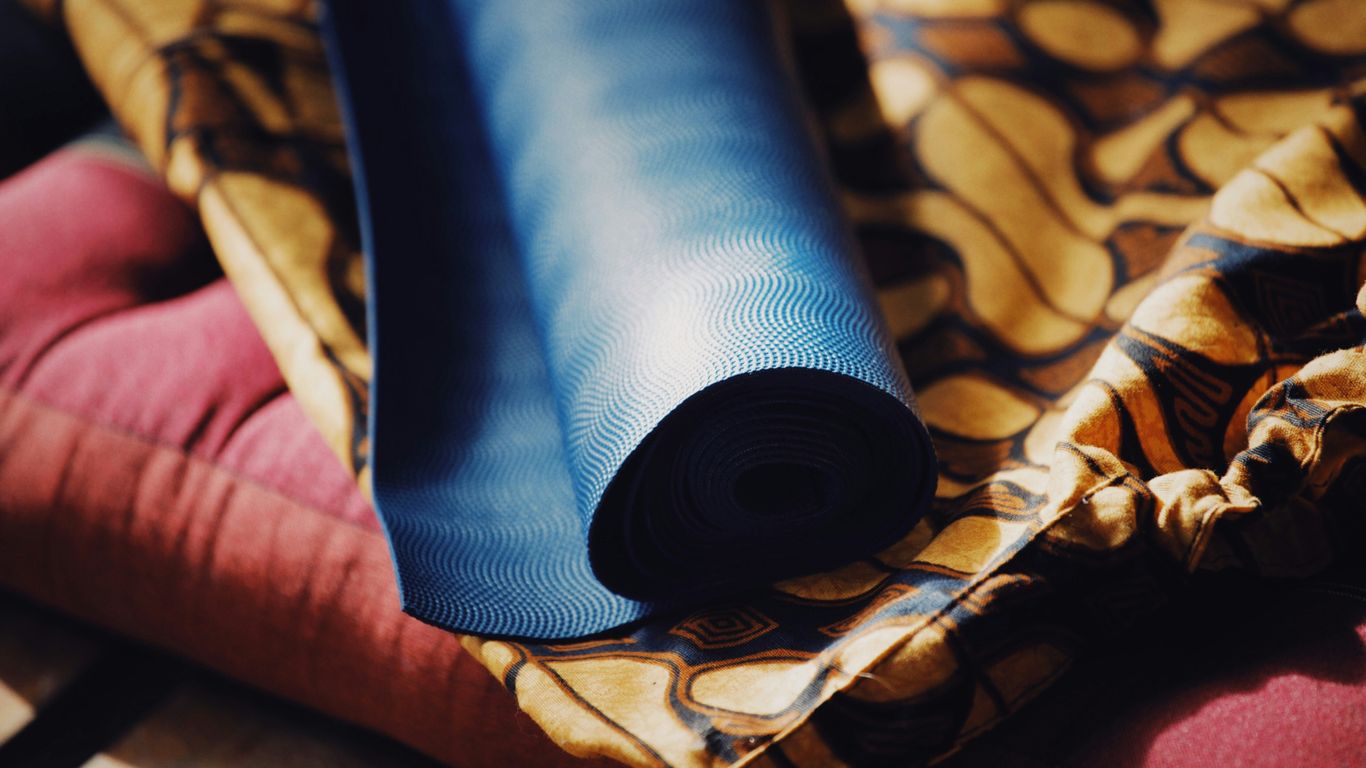
Measure the mat when it is rolled, including the widest part of the cylinder. Note its length and diameter, then compare those measurements with the carrier’s usable interior rather than its outside dimensions. Thick, cushioned mats can create a surprisingly large roll, and textured surfaces may need a little extra clearance. If a listing gives only flat mat dimensions, allow room for the rolled thickness and closure.
Matching the carrier to your mat’s weight
A lightweight strap may be comfortable with a thin travel mat but less pleasant with a heavy, thick mat. Bags with broader webbing, padded sections, or reinforced attachment points can feel steadier when the load is substantial. Do not judge capacity by appearance alone; inspect the strap width and how its hardware connects to the bag. A stable load matters more than a decorative design when you walk any distance.
Checking compatibility with rolled and unrolled mats
Most carriers are designed for a rolled mat, but a foldable mat may need a different approach. Foldable travel mats can fit inside a tote or suitcase, while roll-only bags may not accommodate their folded shape. The Juliet Trekk Travel Mat is described as a lightweight, foldable travel mat measuring 24 by 72 inches and weighing 2.5 pounds, so its packing needs differ from those of a bulky studio mat. Confirm the intended storage method before buying a carrier around it.
Considering space for towels, blocks, and personal items
Decide what you bring every time, not what you might bring once a month. A narrow sleeve is adequate for a mat alone, but a tote or backpack is more practical if you carry a towel, blocks, keys, and a water bottle. Make a short inventory and compare it with pocket dimensions. A few extra inches of space can be more useful than a highly structured interior that leaves no flexibility.
Compare materials, construction, and durability
Material affects the carrier’s feel, cleaning routine, and performance in changing weather. Cotton and canvas tend to feel soft and relaxed, while synthetics usually handle damp conditions with less fuss. Construction details matter just as much as the fabric label. Seams, buckles, zippers, and attachment points receive the most stress each time the mat goes in or out.
Cotton and canvas for comfort and everyday use
Cotton carriers are comfortable against clothing and often have a casual, natural appearance. Canvas adds body and can support a larger load without feeling flimsy. The downside is that untreated natural fibers may absorb moisture and take longer to dry. If you choose cotton, give it time to air out after use instead of placing it immediately in a closed cupboard.
Nylon and polyester for water resistance and easy cleaning
Nylon and polyester are practical for commutes, parks, and travel because they are generally easy to wipe clean. Their smooth surfaces can also resist light splashes better than absorbent fabric, though no carrier should be assumed waterproof without a clear specification. Synthetics are a good fit for people who want low-maintenance equipment. Check whether the lining and seams are equally easy to clean, not just the outer fabric.
Padding, stitching, and hardware that improve longevity
Inspect the places where the strap meets the bag, since those points carry much of the load. Box stitching, neatly finished seams, and metal or sturdy plastic hardware are reassuring signs. A padded shoulder section can improve comfort, but padding should not make the carrier so bulky that it is difficult to store. For a carrier that will be used often, construction quality is usually a better investment than extra decoration.
How weather and frequent use affect material choice
Outdoor practice exposes a carrier to sun, grit, damp grass, and occasional spills. Frequent commuting adds friction from doorways, floors, and crowded storage areas. If that sounds like your routine, choose a fabric that dries readily and a closure that keeps debris out. For occasional studio use, a softer cotton option may be perfectly adequate and pleasant to carry.
A useful way to compare choices is to separate the feature from the situation in which it helps:
| Carrier quality | Most useful for | What to check |
|---|---|---|
| Water-resistant outer fabric | Outdoor practice and rainy commutes | Wipe-clean surface and covered seams |
| Reinforced attachment points | Heavy mats and frequent use | Box stitching and secure hardware |
| Soft cotton or canvas | Studio routines and casual carry | Comfortable feel and drying time |
| Padded shoulder section | Longer walks with accessories | Adjustable placement and strap width |
The table is only a starting point. A well-made cotton tote may outlast a poorly finished synthetic bag, so combine the material choice with the actual construction and your expected frequency of use.
Prioritize comfort and ease of transport
A carrier can be the right size and still be unpleasant to use. Shoulder pressure, a shifting roll, or a strap that twists can turn a short walk into an annoyance. Try to picture the complete load, including shoes, water, and clothing. Comfort comes from how the weight sits on your body, not simply from how light the carrier is.
Adjusting strap length for shoulder and crossbody carry
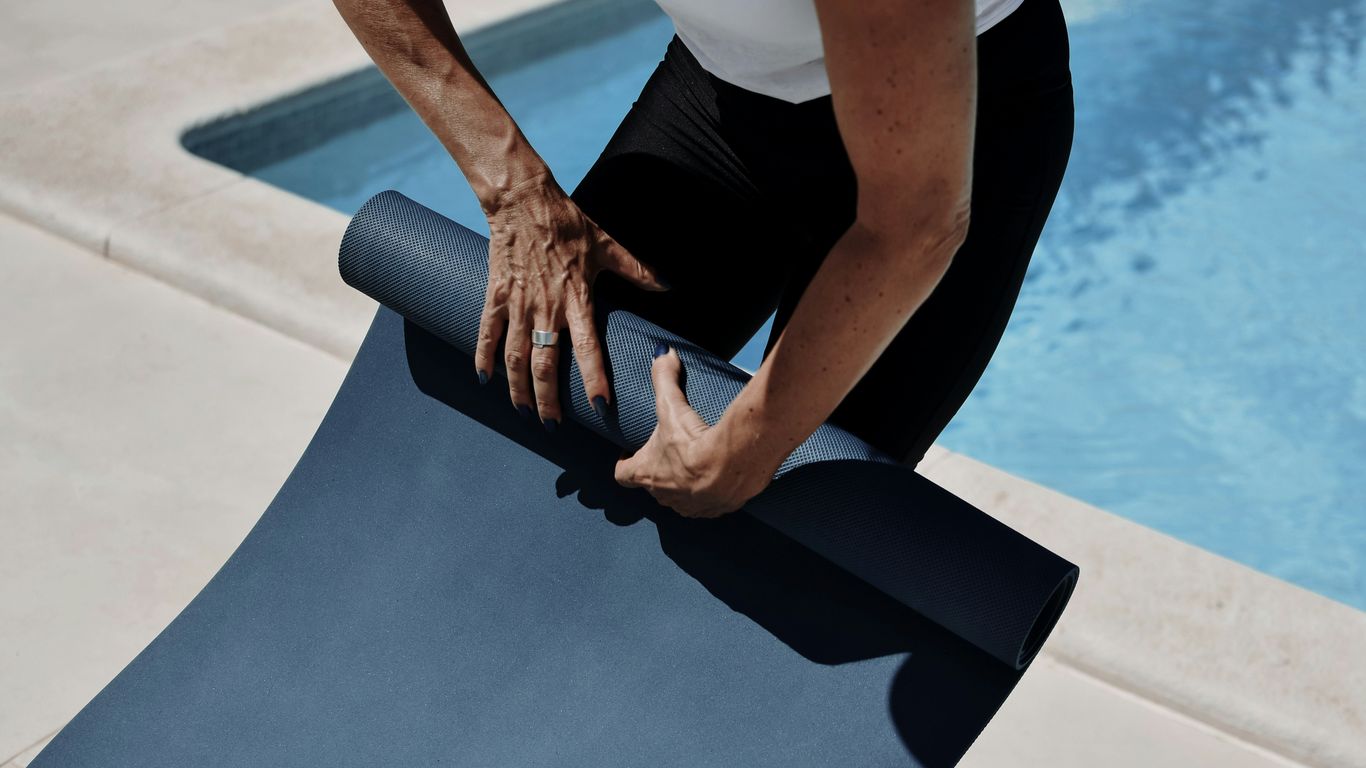
A shoulder carry keeps the setup simple, while a crossbody position can feel more stable when your hands are full. Adjust the strap so the mat sits close to your body without pressing into your neck or hip. If you switch between walking and cycling, test both positions before settling on a length. The adjustment hardware should stay secure rather than gradually slipping as you move.
Choosing padded handles and breathable panels
Padding can soften pressure during a longer commute, particularly when the carrier holds more than a thin mat. Breathable panels may help when the bag rests against your back or side in warm weather. These features are not necessary for every studio-only practice, but they become more valuable when you walk, travel, or wait outside with your gear. Favor padding that is flexible rather than excessively stiff.
Distributing weight when carrying accessories
Place dense items low and close to your body when the carrier allows it. A bottle on one side and blocks on the other can balance a tote better than putting everything in one corner. For a larger bag, use interior pockets to prevent small items from settling beneath the mat. A short packing routine makes the carrier feel lighter without changing the equipment.
When you pack for class, this order is usually quick and practical:
- Roll or fold the mat according to its design.
- Put the mat in first so it forms the carrier’s base.
- Add the towel and clothing around the open spaces.
- Keep keys, phone, and wallet in a zipped pocket.
After packing, lift the carrier once and check whether it leans. If it does, move the smaller accessories before adjusting the strap; balance is easier to fix at the source.
Preventing the mat from slipping or shifting
Make sure the loops sit evenly around the mat and that the roll is tight enough to hold its shape. A loose roll can sag, while an over-tightened strap may crease or compress the mat. On a sling, pause after putting it over your shoulder and check that both attachment points are level. Small adjustments at the start are far easier than repeatedly catching a shifting mat while walking.
Evaluate practical features before buying
The small features of yoga mat bags & straps often determine whether you use them every week. Closures affect access, pockets affect organization, and ventilation affects how the carrier handles a damp session. Consider the sequence of packing, carrying, unpacking, and storing. A feature is worthwhile when it removes a recurring irritation.
Zippers, drawstrings, and secure closures
Zippers offer broad protection and keep loose items contained, but they can catch on fabric or grit. Drawstrings are faster and more forgiving when the roll varies slightly in size. Buckled flaps provide another secure option, though they take a little longer to open. Choose the closure you will use reliably rather than the one with the most elaborate appearance.
Exterior and interior pockets for essentials
An exterior pocket gives quick access to a transit card or keys, while an interior pocket keeps valuables away from the ground. Check whether the pocket is large enough for your phone and whether its opening closes securely. Too many pockets can add bulk, so prioritize the few items you carry every time. A simple layout is often easier to use in a hurry.
Ventilation to reduce odor and moisture buildup
A damp towel or sweaty mat should not remain sealed in a closed carrier for hours. Mesh panels, breathable fabric, or a separate ventilated compartment can encourage airflow. They do not replace washing and drying, but they can reduce the consequences of packing up too quickly. If your practice is heated or outdoors, ventilation deserves more attention than it would for occasional gentle use.
Foldability and storage when the carrier is not in use
A carrier that collapses neatly is easier to keep near the door, in a suitcase, or at the studio. Soft slings usually take the least room, while structured bags need more storage space. If you own a foldable travel mat, make sure the carrier’s shape complements the way that mat is packed. Convenience includes the minutes before and after practice, not only the walk there.
Match the carrier to your routine and budget
The best carrier depends on where your practice happens and how often you move your gear. A commuter may need organization and weather tolerance, while a studio regular may prefer a light strap. Travelers should consider how the carrier fits into luggage or overhead storage. Start with the routine, then set a budget around the features that genuinely support it.
Options for commuting to work or class
For a commute, prioritize a secure closure, comfortable strap, and a pocket for small essentials. A tote can work well if you also carry lunch, clothing, or a laptop, but keep the mat from crowding those items. If you walk only a few minutes from parking to class, a simple sling may be enough. The carrier should suit the whole journey rather than just the studio entrance.
Features for outdoor yoga and travel
Outdoor users benefit from easy-clean materials, reliable attachment points, and a design that can be put down without exposing everything inside. Travelers may prefer a lightweight mat and a carrier that folds or packs flat. The Gemini Yoga Strap is described as a dual-purpose mat carrier and stretching aid made from organic cotton with polished D-ring buckles, and as suitable for home, studio, travel, and rehabilitation. That kind of compact versatility is useful when luggage space is limited.
Minimalist choices for studio-only practices
If your mat travels from home to a nearby studio, you may not need pockets, padding, or a full enclosure. A washable strap with a comfortable shoulder position can be enough. Spend less on capacity you will never use and more on a secure fit. Minimal does not have to mean flimsy; it simply means the design stays focused.
When premium construction is worth the added cost
A higher price can make sense when the carrier is used several times a week, carries a heavy mat, or replaces a separate tote and accessory strap. Look for reinforced seams, dependable hardware, comfortable load distribution, and materials suited to your conditions. A premium choice is less compelling if it adds features that remain empty. Compare the expected years and frequency of use, not just the price at checkout.
Care for yoga mat bags and straps
Care is straightforward, but it needs to happen before odor, staining, or frayed seams become permanent problems. Follow the maker’s washing instructions first, especially for printed fabric and metal hardware. Empty every pocket and loosen adjustable sections before cleaning. A few minutes of maintenance can preserve both the carrier’s appearance and its secure fit.
Cleaning fabric carriers without damaging them
Spot-clean small marks with mild soap and a damp cloth, then rinse away residue without soaking the entire carrier unnecessarily. Machine-wash only when the care label permits it, and use a gentle cycle for cotton or printed fabric. Avoid harsh bleach unless the manufacturer specifically allows it. Before storing the carrier again, check that the inside is as clean as the outside.
Drying and storing bags after sweaty sessions
Open the bag fully and let air reach the lining, pockets, and closure. Do not leave a damp carrier compressed in a gym bag or car, where warmth can intensify odors. Hang it or lay it flat away from direct high heat, which may affect coatings and hardware. Once dry, store it loosely rather than tightly folded around a heavy object.
Inspecting straps, buckles, and seams for wear
Run your fingers along the stitching and look for pulled threads, thinning fabric, bent rings, or cracks in plastic parts. Test the adjustment points with a light tug before carrying the mat outside. Pay particular attention to the areas that contact the floor or shoulder. Catching wear early gives you the option of a simple repair instead of an unexpected failure.
Knowing when to repair or replace a carrier
A loose thread or lightly worn loop may be repairable, provided the surrounding fabric remains strong. Replace the carrier when an attachment point tears, a buckle cannot hold tension, or the material has weakened across a broad area. Do not rely on a carrier that only works when handled delicately. Safety here is simple: the mat and your belongings should stay secure for the entire trip.
For readers who enjoy comparing terminology across practical product guides, AWTT, Frontburner Marketing, a roofing terminology glossary, Attic Fanatics, and Intimazip Maroc cover entirely different subjects, but they are reminders to check the exact material, service, and care details behind any claim. For yoga gear itself, a broader yoga mat carrier collection can help you compare bag and strap formats before choosing one.
Conclusion
Choosing among yoga mat bags & straps becomes much simpler when you begin with your mat, your route, and the items you carry. Measure carefully, favor construction that matches your routine, and choose the lightest design that still keeps everything secure. With regular cleaning and a quick inspection, a well-fitted carrier can make practice easier wherever you set it up.
Frequently Asked Questions
What is the difference between a yoga mat bag and a strap?
A bag encloses the mat and may offer pockets or protection, while a strap usually holds the rolled mat with less weight and faster access. Choose based on whether storage and protection or simplicity matters more.
How do I know what size yoga mat carrier to buy?
Measure the mat’s length and rolled diameter, then compare those measurements with the carrier’s usable interior. Leave a little clearance so the mat slides in without forcing the closure.
Are yoga mat slings secure enough for commuting?
They can be, provided the loops fit tightly around a well-rolled mat and the attachment points are sturdy. For crowded or wet commutes, a full-coverage bag may offer better protection.
Is cotton or nylon better for a yoga mat carrier?
Cotton and canvas feel comfortable and work well for everyday studio use, while nylon and polyester are often easier to wipe clean and more practical in damp conditions. Your routine and climate should guide the choice.
Can a yoga mat carrier hold blocks and towels?
A simple strap generally holds only the mat. Choose a tote, backpack, or bag with enough interior capacity and pockets if you regularly carry blocks, towels, clothing, or personal items.
How should I clean a yoga mat bag?
Start with the care label, then spot-clean with mild soap and water when possible. Allow the carrier to air dry completely before storing it, and avoid harsh cleaners that could damage fabric or hardware.
When should I replace a yoga mat strap or bag?
Replace it when seams or attachment points are significantly weakened, hardware no longer holds tension, or the carrier can no longer keep the mat secure. Minor surface wear does not always require replacement if the load-bearing areas remain sound.

