

Hemingweigh yoga mat review: Features, comfort, grip, and buying guide
Key Takeaways
The Hemingweigh yoga mat range centers on thick, cushioned designs for yoga, Pilates, stretching, and floor workouts. The right choice depends mostly on thickness, floor stability, portability, and whether the included accessories will actually be used.
- Half-inch and one-inch options serve different comfort and stability preferences.
- Extra cushioning can make kneeling, stretching, and floor exercises more comfortable.
- A non-slip surface helps, but grip still depends on moisture, flooring, and technique.
- Blocks and Pilates accessories may add useful versatility for beginners and home users.
- Dimensions, storage, cleaning needs, and return terms deserve a check before buying.
What to know about the Hemingweigh yoga mat
A mat can look simple online, yet thickness and configuration change how it feels in everyday use. The Hemingweigh yoga mat is presented in multiple versions, including a half-inch set and an extra-thick one-inch option. That gives shoppers a practical starting point: decide whether comfort, stability, or easier storage matters most. Product details should still be checked on the current listing because included items and colors can vary.
Available thicknesses and mat configurations
The main choice is between a 1/2-inch non-slip mat and a 1-inch extra-thick mat. The former is described for yoga, Pilates, and floor exercise, while the latter is described for indoor and outdoor use, workouts, and more. The HemingWeigh Thick Yoga Mat Set is therefore the more straightforward reference for shoppers seeking the half-inch configuration, while the thicker version is aimed at people who want more padding.
Included blocks and Pilates accessories
Some listings pair a mat with blocks or Pilates-oriented accessories rather than selling only a standalone surface. The Hemingweigh Yoga Mat and Blocks Pilates Kit is positioned as a kit intended to add comfort and support to yoga and Pilates practice. That can be useful for a beginner building a home setup, but it is worth confirming the exact accessory count before checkout.
Intended users and exercise styles
The documented uses cover yoga, Pilates, floor exercise, workouts, and general movement at home or in a studio. Beginners may appreciate having a broad surface for learning positions without assembling several pieces of equipment. More experienced users can still use a thick mat for restorative sessions, mobility work, or exercises where kneeling comfort matters.
Key specifications to check before buying
Read past the product name and confirm the thickness, dimensions, surface description, intended setting, and included pieces. Also check whether the listing describes indoor and outdoor use, since that wording can differ between configurations. For wider wellness context, Hemingweigh wellness guidance emphasizes balance, strength, flexibility, breathing, consistency, and self-compassion, but those general ideas should not be confused with product specifications.
How the Hemingweigh yoga mat performs during workouts
Performance is less about one headline feature than about how the mat behaves under your particular movements. A thicker surface can feel forgiving under pressure, while a very soft surface may feel less planted during transitions. Grip also changes with sweat, dust, flooring, and how firmly the mat is placed. The following points are best treated as practical expectations to test rather than universal guarantees.
Cushioning for knees, wrists, and joints
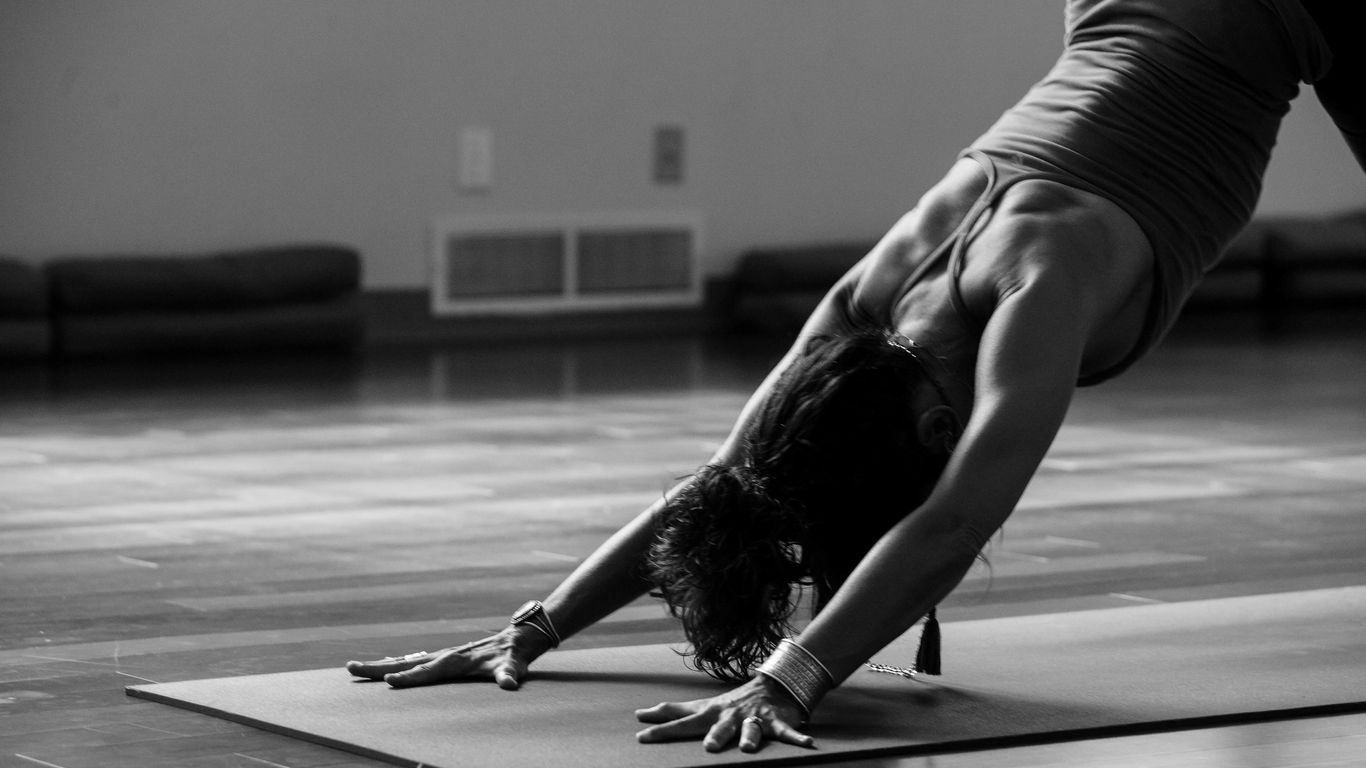
A half-inch mat provides a noticeable buffer between the body and a hard floor, and the one-inch version is described as offering superior cushioning. That extra depth may be welcome during kneeling poses, seated work, Pilates movements, or floor exercises. If your joints are sensitive, try shifting weight slowly and use a folded towel or block when a position still feels uncomfortable.
Grip during standing and balance poses
The available descriptions call the mats non-slip and say that the surface helps prevent slipping. In practice, traction is affected by perspiration and the floor underneath, so a non-slip label is not a promise that every pose will feel locked in. Keep the surface clean and test a few controlled transitions before using the mat for faster sequences.
Stability on hard and carpeted floors
On a hard floor, thickness can soften impact and make longer sessions more inviting. Carpet may add softness but can also allow a thick mat to shift slightly, especially during lateral movement. Place the mat on a clear, even area and check that its edges lie flat before starting.
Comfort for yoga, Pilates, and stretching
The range is suited to activities that involve both standing and floor-based movement. A broad, cushioned surface can make stretching, Pilates, and low-impact workouts feel less harsh than practicing directly on the floor. For a visual comparison point, a 6mm non-slip yoga mat represents the middle-ground approach of cushioning with a more grounded feel, though it is a different product.
Comparing the Hemingweigh mat’s thickness options
Thickness is a useful shortcut, but it should not be the only buying decision. More foam generally means more separation from the floor, while a thinner mat usually folds, rolls, and transports more easily. The best option depends on where you practice and how much movement involves balance or weight transfer. Think about your regular routine rather than the most extreme session you might do once in a while.
When to choose a half-inch mat
The half-inch option is a sensible starting point for general yoga, Pilates, and floor exercise. It offers cushioning without reaching the bulk of the extra-thick configuration, which may make it easier to store between sessions. The half-inch format is particularly practical when the mat needs to move from a closet to a living room or studio.
Who benefits from a one-inch extra-thick mat
A one-inch mat is aimed at users who prioritize padding and want a more substantial barrier from the floor. The HemingWeigh 1-inch Thick Yoga Mat is described as an extra-thick, non-slip exercise mat for indoor and outdoor use. That makes the option worth considering for floor workouts, outdoor sessions, or anyone who finds hard surfaces distracting.
Trade-offs between cushioning and stability
The cushioning-versus-control decision is easier when written out. More padding can feel comfortable under knees and hips, but it may also feel less precise beneath a standing foot. Use this quick comparison as a starting point, then consider your own balance and movement style.
| Feature | Half-inch option | One-inch option |
|---|---|---|
| Floor cushioning | Comfortable for general use | More substantial padding |
| Stability feel | Typically more grounded | Softer and more elevated |
| Best setting | Home, studio, floor exercise | Indoor or outdoor workouts |
| Storage | Easier to manage | Requires more space |
The table is not a substitute for trying a mat, but it clarifies the central compromise. If you move quickly between standing poses, a firmer feel may matter more than maximum padding. If most sessions involve kneeling or seated exercises, extra depth may be the more useful priority.
Portability and storage considerations
Thick mats are rarely the easiest fitness items to carry, especially when bundled with accessories. Measure the space where the mat will be stored and check whether the rolled diameter will fit. For frequent travel, a thinner foldable option such as the Hemlock Trekk Travel Mat is designed around a lightweight, packable format, making that category more practical than a heavily cushioned mat.
How to use and maintain a Hemingweigh yoga mat
Good care starts before the first workout. Give the mat a flat, uncluttered place to open fully, and avoid dragging it across rough ground when possible. Cleaning should be gentle enough to preserve the surface while still removing sweat and dust. A few simple habits can help a thick mat stay pleasant to use over time.
Setting up the mat for different surfaces
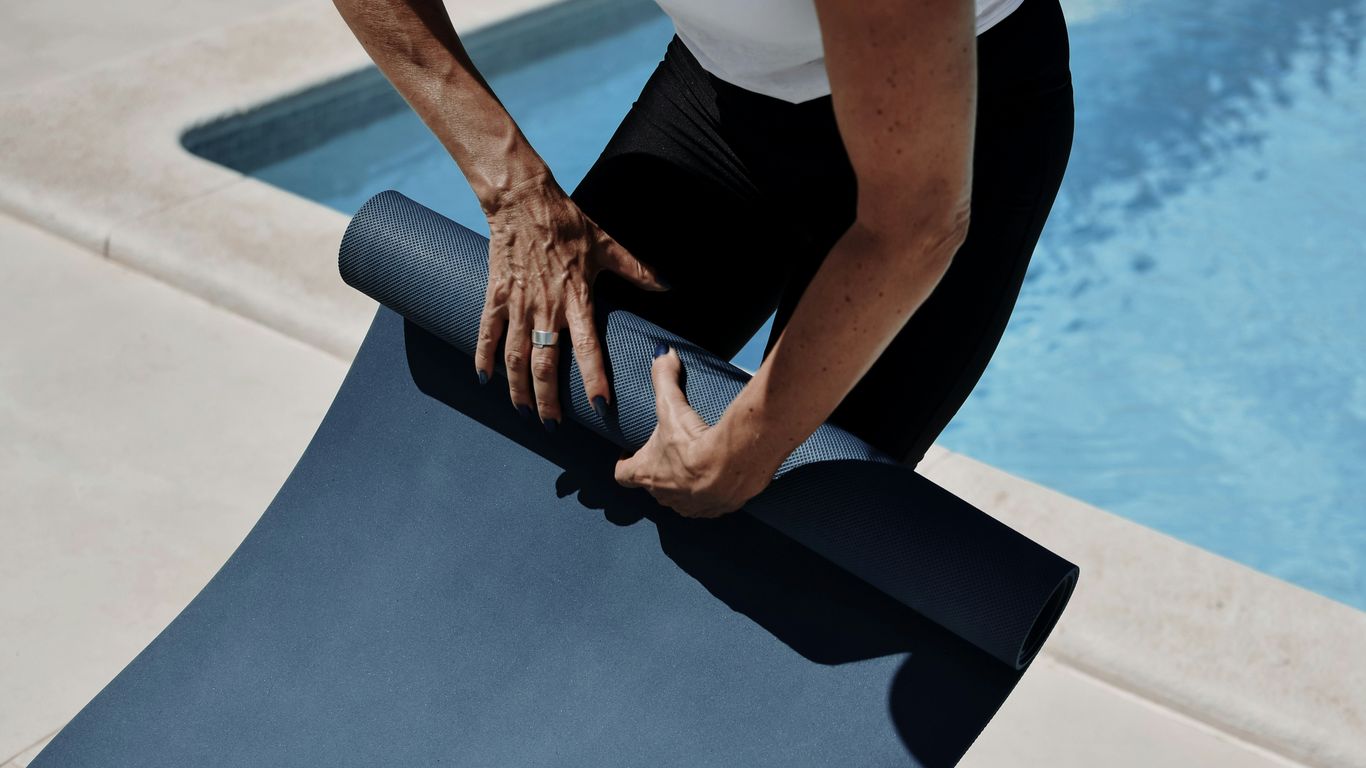
Use a clean, level floor indoors and inspect outdoor locations for stones, sticks, or sharp debris. On carpet, make sure the mat does not bunch beneath your feet; on hard flooring, check that the underside sits evenly. Outdoor use may be convenient for the one-inch configuration, but the mat should still be protected from abrasive surfaces and prolonged exposure to harsh conditions.
Cleaning products and care techniques
Follow the seller’s care directions first, especially if the listing specifies a particular cleaning method. In the absence of detailed instructions, wipe the surface with a soft cloth and a mild, diluted cleaner, then remove residue with clean water. Avoid abrasive brushes, strong solvents, and soaking the mat unless the manufacturer specifically permits it.
Drying and odor-management tips
Let the mat dry completely before rolling it up. Air circulation is more useful than masking smells with perfume, and a damp mat stored in a closed space can develop an unpleasant odor. After a sweaty session, wipe it down promptly and leave it open until the surface feels dry.
Preventing dents, curling, and surface wear
Store the mat rolled rather than sharply folded, and alternate the direction of the roll if the edges begin to curl. Do not leave heavy furniture on it for long periods, since thick foam can retain impressions. Regularly clearing grit from both the mat and the floor also reduces small scratches and premature surface wear.
Hemingweigh yoga mat buying considerations
A product page should answer more than whether the mat looks comfortable. Dimensions determine whether you have enough room for your practice, while color and surface texture affect everyday satisfaction. Price should be considered alongside accessories, intended use, and the hassle of returning a bulky item. A calm, specification-first check is usually more useful than relying on a dramatic product photograph.
Checking dimensions and available colors
Confirm the length and width before ordering, particularly if you are tall or share a small practice area. Color availability can change by configuration, and the black one-inch listing is distinct from other versions described in the range. Save a screenshot or note of the selected size and color so the delivered item is easy to compare with the order.
Evaluating the non-slip surface
Non-slip wording is helpful, but look for details about the texture and intended use as well. Consider whether you practice barefoot, how much you sweat, and whether the mat will sit on wood, tile, carpet, or outdoor ground. A clean, dry surface generally gives you a more reliable starting point than one coated with lotion or dust.
Deciding whether the accessory kit adds value
Blocks and Pilates accessories are worthwhile when they will replace separate purchases or support movements you already plan to practice. They are less useful if you already own comparable equipment or prefer a minimalist setup. Make a short inventory before buying: mat, blocks, towel, strap, and storage space are the practical pieces to compare.
Reviewing return policies and warranty coverage
Check the return window, shipping responsibility, and conditions for opened fitness equipment. Look for warranty language covering manufacturing defects, and keep the order confirmation until you are satisfied with the surface and dimensions. The same careful comparison habit used for floating cover types, roof inspection timing, attic insulation, and natural vitality routines applies here: identify the actual decision criteria before judging the purchase.
Who should and should not choose this yoga mat
This mat range makes the most sense for people who want a comfortable home or studio surface and do not mind carrying a thicker roll. It is less compelling for someone whose first priority is ultralight travel or a very close connection to the floor. Neither preference is inherently better. The useful question is whether the mat’s thickness and format fit the way you actually exercise.
Best fit for beginners and home workouts
Beginners often benefit from a forgiving surface while they learn basic positions and floor transitions. A mat that supports yoga, Pilates, and floor exercise can also simplify a home setup by serving several routines. The half-inch configuration is likely the easier general-purpose starting point when storage and versatility matter equally.
Benefits for users who need extra cushioning
Users who dislike pressure on their knees, wrists, hips, or spine may prefer the one-inch option’s deeper padding. It can make slow stretching and floor-based strength work more comfortable, particularly on hard surfaces. Still, comfort should not override alignment or pain signals; a thicker mat is a convenience, not a treatment.
Situations where a thinner performance mat may work better
A thinner mat may be preferable for balance-focused practice, rapid transitions, or users who want a firmer, more responsive base. It can also be easier to carry and store in a small apartment. If you regularly practice on the go, prioritize weight, folded dimensions, and packability over maximum cushioning.
Alternatives for travel, hot yoga, and advanced practice
Travelers may want a foldable mat or a thin layer that fits inside luggage. Hot-yoga practitioners should pay close attention to sweat management and may need a towel designed for absorbency, while advanced users may prefer a surface with a specific firmness and traction profile. For people comparing marketing resources while setting up a wellness business, a small-business digital marketing guide is a separate but useful planning resource—not a substitute for checking the mat’s own specifications.
Conclusion
The Hemingweigh yoga mat range is best judged by the balance between cushioning, grip, floor stability, and portability. Choose the half-inch format for a more manageable all-purpose setup, or consider the one-inch version when deeper padding and indoor or outdoor flexibility matter more. Confirm dimensions, accessories, care instructions, and return terms before ordering so the mat supports your real routine rather than an imagined one.
Frequently Asked Questions
Is a thicker yoga mat better for beginners?
Not automatically. Extra thickness can feel more comfortable for kneeling and floor exercises, while a thinner mat may feel steadier during balance work and easier to carry.
What thickness is best for Pilates?
A half-inch mat is often a practical middle ground for Pilates because it provides cushioning without being excessively bulky. Users who need more padding may prefer a thicker option.
Can a thick yoga mat be used outdoors?
Some thick mats are described for indoor and outdoor use, but outdoor surfaces should be cleared of sharp debris. Avoid placing any mat on rough ground that could damage its surface.
How do I improve grip on a yoga mat?
Keep the mat clean and dry, practice on an even surface, and consider a yoga towel if perspiration affects traction. Grip can vary with flooring, moisture, and movement style.
How should a yoga mat be stored?
Roll it loosely with the practice surface facing outward or follow the manufacturer’s instructions. Store it dry and avoid leaving heavy objects on top of it.
Do yoga mats need blocks and straps?
No. Accessories are optional, but blocks and straps can make certain stretches, balance exercises, and beginner modifications easier to set up.
What should I check before buying a yoga mat online?
Review thickness, dimensions, materials, surface description, included accessories, shipping, returns, and warranty terms. These details usually matter more than the product image alone.

