

Yoga Bar guide: how to find the right studio, café, or snack brand
Key Takeaways
“Yoga Bar” can refer to different things, so start by deciding whether you’re looking for a class, a café experience, or a packaged snack.
- Choose a studio by class style, teaching approach, schedule, and access.
- Check a café’s class booking details, menu, and atmosphere before you go.
- Compare packaged snacks by their labels, serving sizes, and fit with your preferences.
- Set a budget and use specific details—not just star ratings—to compare options.
- Try one class or product before making a larger commitment.
1. What “Yoga Bar” can mean
The phrase “yoga bar” can point to a few different kinds of places or products. You might mean a studio where people take classes, a café with movement or wellness offerings, or a packaged-food brand. A quick check of the location, menu, or product page can help you tell which one you’ve found.
A yoga studio that offers classes and community
A studio is a place to practice with an instructor and, often, a familiar group of students. Classes can differ in pace and approach, so look beyond a studio’s name and read how it describes each session. For a concrete example of a yoga-school listing, Yoga Bar is described as a traditional shala in Greater Cincinnati with several class styles.
A café that combines movement, food, or wellness
A yoga café may pair classes with a place to eat or spend time before and after practice. The details matter: some spaces center on scheduled classes, while others may primarily serve food and drinks. A listing for Yoga Bar in North Canton, for instance, provides information about booking a class and finding the location.
A packaged-food brand selling bars and other snacks
The same phrase can also refer to packaged food, which calls for a different kind of decision. In this use, you’re comparing labels and snack formats rather than a timetable or teaching style. The Yoga Bar brand is described as an Indian food brand, while a Yoga Bar shop listing focuses on snack and breakfast products; check the specific product details before deciding what suits you.
2. How to choose a yoga studio
A good studio choice is less about finding a universally “best” place and more about matching the setting to your routine. Think about the kind of class you want, how often you can attend, and what would make arriving feel straightforward. It can also help to check practical gear in advance: one Yune Yoga option, the Leo Yoga Mat, is described as a cushioned mat with non-slip grip for practice at home, in a studio, or outdoors.
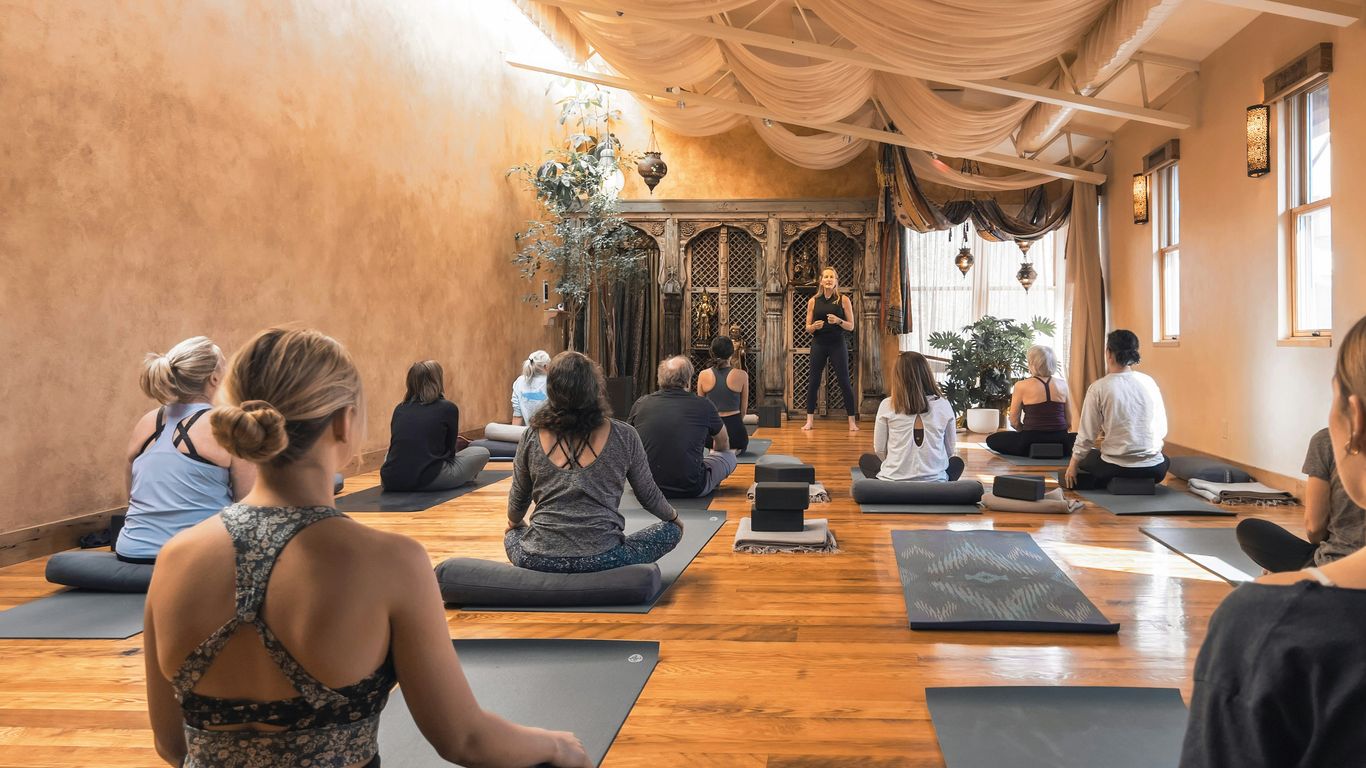
Match class styles to your experience and goals
Read class descriptions carefully, especially if you’re new or returning after a break. A slower class may leave more room to learn poses, while a quicker sequence may suit someone looking for a more continuous practice. If you’re unsure, ask the studio which class is a comfortable starting point rather than judging only by the class name.
Check instructor qualifications and class size
Ask who teaches the class and what training or experience they bring. Class size matters too: a smaller group may make it easier for the instructor to notice questions, while a larger one may feel more anonymous. There isn’t one right number; the useful question is whether the teaching format feels clear and attentive to you.
Compare schedules, locations, and membership options
A schedule that looks appealing is only useful if it fits your week and is practical to reach. Compare a few basic details side by side before you commit:
| Detail | What to check | Why it matters |
|---|---|---|
| Class time | Start times and duration | Does it fit your day? |
| Location | Route and travel time | Can you get there regularly? |
| Booking | Drop-in or advance booking | How much planning is needed? |
| Price | Single class and package terms | Does the cost fit your routine? |
Once you’ve compared them, favor the studio you can realistically attend, not just the one with the most appealing schedule on paper.
Look for accessibility and beginner-friendly policies
Look for plain-language information about entry, changing areas, equipment, and how to ask for modifications. Policies for late arrivals, cancellations, and borrowing or bringing a mat can make a first visit less uncertain. If something important isn’t explained online, a quick message to the studio can save a last-minute surprise.
3. What to consider at a yoga café
A café that includes yoga can be a pleasant way to combine a class with time to eat or unwind, but the two parts may operate differently. Confirm what is actually offered rather than assuming every café has classes or every class includes food. A little planning can help you arrive knowing whether you’re there to practice, grab something to eat, or do both.
Review the class schedule and booking process
Check which classes are currently listed, how long they run, and whether you need to reserve a spot. Confirm whether booking happens through a website, a message, or another process, and look for any arrival instructions. A posted schedule can change, so verify the date and time before setting out.
Check menus for dietary options and clear ingredients
Read the menu for ingredients and any dietary notes that matter to you. If an ingredient or preparation detail isn’t clear, ask rather than relying on a broad label such as “healthy.” The same care applies to packaged food: a useful snack-label comparison should start with the actual product information, not assumptions based on its name.
Find out whether café purchases or classes require reservations
A class may require advance booking even if café seating is available, or the café may have a separate reservation process. Before you go, check whether you need to reserve both parts of the visit or only the class. These three questions cover the basics:
- Is a class reservation required?
- Can café seating be reserved, or is it walk-in?
- Are there separate arrival times for class and food?
Knowing the answers lets you plan a comfortable gap between movement and a meal, rather than rushing through both.
Assess the space, amenities, and atmosphere
Look at practical details such as seating, noise, changing facilities, and where students wait before class. Photos can give you a first impression, but they may not show how busy the space feels at your intended time. If local food and a relaxed outing are part of the appeal, a Hayesville local guide offers one example of how a place can be explored through its food, crafts, and surrounding area.
4. How to evaluate Yoga Bar packaged snacks
Packaged snacks are best assessed one item at a time, since products within a brand can vary. Start with the ingredient list and nutrition panel, then consider whether the serving and format make sense for when you plan to eat it. Product availability and packaging can also vary by seller, so confirm details on the listing or package in front of you.

Compare ingredients, nutrition facts, and serving sizes
Look at the full ingredient list and nutrition information rather than relying on front-of-pack language. Check how many pieces or portions are in the package and whether the displayed nutrition facts refer to one serving or the whole pack. A snack that seems suitable at first glance may be a different fit once you check the portion details.
Consider protein, fiber, sugar, and allergens
The right balance depends on your preferences and needs, so compare the numbers across products you’re considering. Read allergen statements and ingredient details carefully, especially if you avoid particular foods. If the label leaves something unclear, don’t guess; look for additional product information or choose an option with details you can verify.
Match the product type to your routine and preferences
Think about where and when you’d eat the snack. A bar may be convenient to carry, while another packaged format might suit a break at home; texture, flavor, and portion size matter as much as convenience. Choose a product you’d actually enjoy eating, not simply one that sounds appropriate for a particular routine.
Check availability, pricing, and storage needs
Compare the price per serving as well as the total package price, and check whether the listing shows a current size or a restock notice. Storage instructions can affect whether a product is easy to keep at work, in a bag, or at home. If you’re trying a brand for the first time, a smaller purchase can help you assess taste and convenience before buying more.
5. How to decide which option fits your needs
Make the decision in stages: first identify what you want, then compare the few practical details that could change your mind. A class, a café visit, and a packaged snack solve different needs, so it helps not to treat them as substitutes. Keep your comparison grounded in what you can confirm—schedule, price, location, ingredients, and your own preferences.
Start with your main goal: movement, food, or convenience
If your main goal is to practice, begin with studios and class schedules. If you want a meal or a place to sit, focus on café menus, access, and hours. If convenience is the priority, a packaged snack may be more relevant; decide what you need it to be convenient for before choosing a product.
Set a realistic budget for classes or products
For classes, compare the price of a single visit with any package terms and consider how often you’ll realistically go. For snacks, check the cost per serving and whether the package size fits your habits. A budget decision is personal; a KiwiSaver fund comparison guide, for example, illustrates how goals, timeframes, and fees can all be factors in a different kind of choice.
Read recent reviews while checking for specific details
Reviews can help you spot recurring practical details, but look for comments that describe a specific visit or product. A note about a class starting on time or a snack’s texture tells you more than a broad rating alone. Reviews reflect individual experiences, so use them alongside current information from the studio, café, or seller.
Try a single class or product before committing
A one-time visit or small purchase can show whether the experience suits you better than online descriptions can. Pay attention to straightforward things: how easy it was to book, whether the timing worked, and whether the product matched its label and your expectations. If you’re considering related gear, a Yune Yoga strap is described as helping carry a mat and supporting stretching; check whether that kind of accessory is useful for your own practice.
6. How to plan your first visit or purchase
Once you’ve chosen an option, a few small checks can make the first try feel easy. Confirm the details directly with the studio, café, or seller, since schedules and stock can change. Give yourself room to notice what works instead of trying to make a perfect decision in advance.
Confirm the location, hours, and booking requirements
Check the current address, opening hours, and any reservation instructions before leaving. For a class, verify the date and arrival time; for a café or purchase, check whether the location or online listing has updated details. If something remains unclear, contact the business rather than relying on an old post or search result.
Bring suitable clothing and arrive early for a studio class
Choose clothing that lets you move comfortably, and allow extra time to find the entrance and settle in. If you need to bring a mat, confirm that beforehand; a mat-carrying barrel sweatpants fit guide is a separate example of why checking fit and practical use can be worthwhile when choosing clothing. One Yune Yoga accessory, the Dark Suzy Yoga Strap, is described as a way to carry a mat and support stretching, if that would be useful for your setup.
Check product labels before buying snacks
Read the package rather than relying solely on a shelf tag or product image. Confirm the ingredients, serving size, allergen information, and storage directions, and check that the package is intact. If you’re buying online, make sure the item and size shown match what you intended to order.
Reassess the experience after your first visit or trial purchase
Afterward, ask yourself whether the option worked in real life: Was the schedule manageable? Did the space feel comfortable? Did the snack suit your taste and routine? For anyone who practices in different places, Yune Yoga’s foldable travel mats are described as portable, packable options; consider whether that type of setup fits how and where you practice.
Conclusion
“Yoga Bar” can mean a studio, a café, or a packaged snack brand, and each calls for a different kind of check. Start with the experience you want, verify the practical details, and try a single class or product before making a bigger commitment. The best fit is the one that works comfortably in your everyday routine.
Frequently Asked Questions
What does “yoga bar” mean?
It may refer to a yoga studio, a café that offers movement or wellness activities, or a packaged-food brand. Check the specific location or product listing to see which meaning applies.
How do I choose a yoga class as a beginner?
Read the class description and ask the studio which sessions are suitable for a first visit. Look for clear information about pace, booking, and what to bring.
Should I book a yoga class in advance?
Booking rules vary by studio and class. Check the current schedule and reservation instructions before you go, especially if you have a specific time in mind.
What should I check before visiting a yoga café?
Confirm its hours, menu, class schedule, and whether seating or classes require reservations. If dietary information matters to you, check ingredients or ask the café directly.
How do I compare packaged snack bars?
Compare serving size, ingredients, nutrition facts, price per serving, and allergen information. Choose based on your own preferences and the details printed on the package.
Is a single class or a small product purchase a good trial?
Yes, a small first try can help you judge the experience before you commit to a package or larger purchase. Use it to assess practical details as well as your own preferences.
What should I bring to my first yoga class?
Wear comfortable clothing and check whether the studio provides mats or expects you to bring one. Arriving a little early gives you time to find the room and ask any questions.

