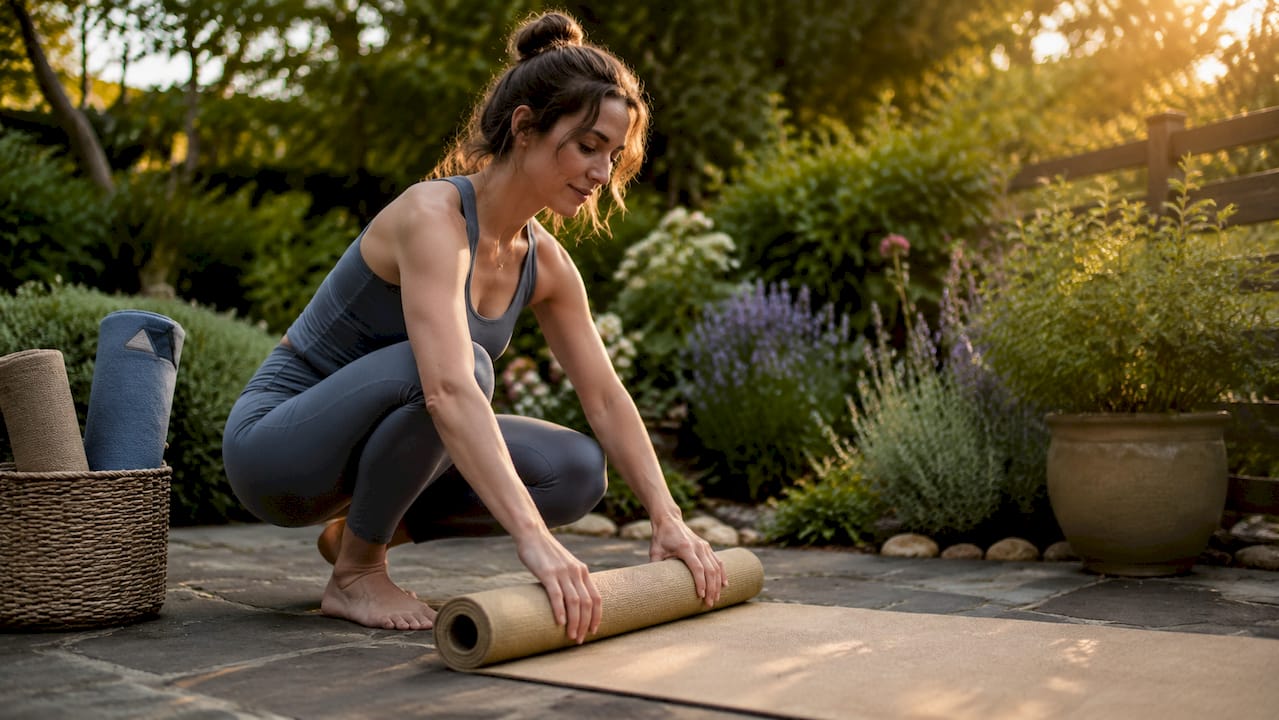
Why Hemp Yoga Accessories Matter for Your Practice
Hemp yoga accessories are defined as yoga gear made from natural Cannabis sativa plant fibers, and they outperform synthetic alternatives in durability, breathability, and environmental impact. Understanding why hemp yoga accessories matter starts with one fact: eco-friendly hemp props last 5–10 years longer than conventional plastic or synthetic foam alternatives. That longevity alone changes the math on what you spend and what ends up in a landfill. Yuneyoga builds its entire product philosophy around this principle, offering mats, straps, and accessories made from materials that hold up session after session. Organic hemp cultivation also reduces synthetic pesticide use drastically compared to conventional cotton, protecting ecosystems and the practitioners who practice near them.
Why hemp yoga accessories matter for performance
Hemp’s physical structure makes it a functional upgrade for yoga practice. Hemp fibers wick moisture and allow airflow through their hollow core, which disperses sweat effectively during practice. That mean better grip in a heated Vinyasa class and faster drying between sessions. Synthetic mats trap moisture and develop odor quickly. Hemp mats stay fresher longer without chemical sprays.
Hemp is also resistant to mold and bacteria, which reduces the need for chemical cleaning and lowers allergy and irritation risks. This antimicrobial quality is built into the fiber itself, not added through a coating that wears off. For practitioners with sensitive skin or allergies, that distinction matters. You get consistent hygiene without the chemical exposure that comes with synthetic cleaning products.
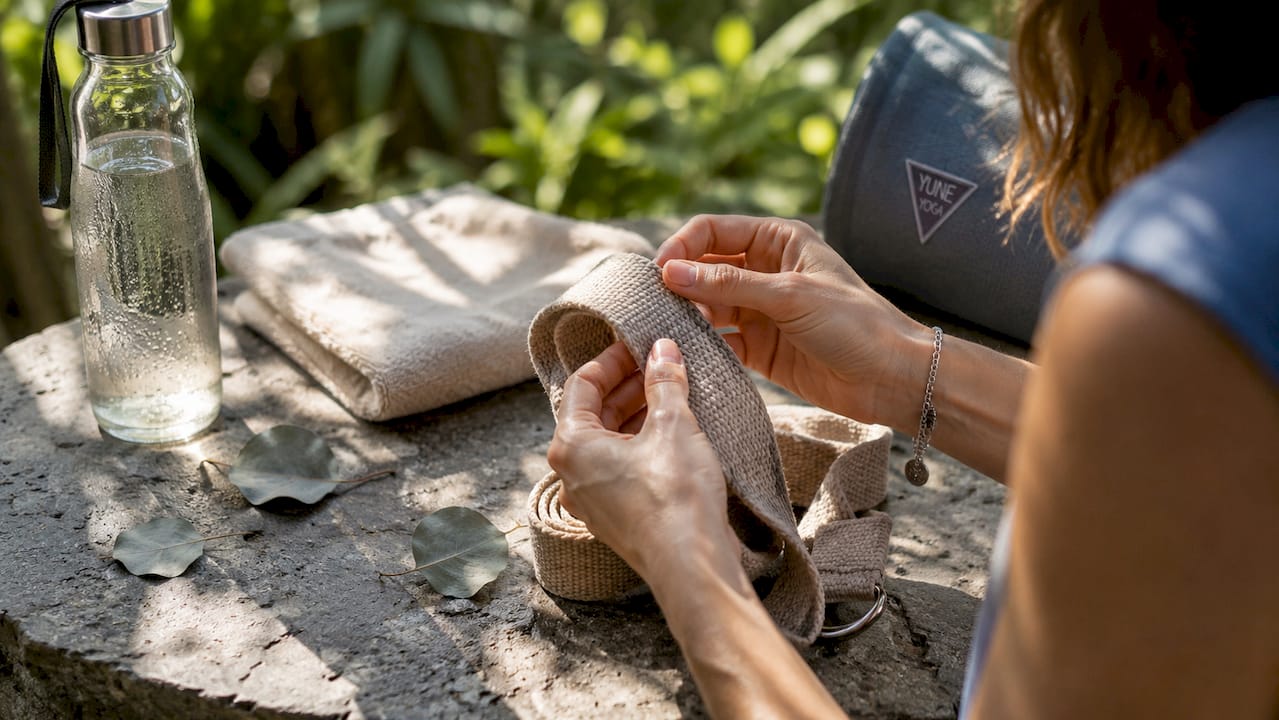
Here is how hemp compares to the two most common alternatives across the properties that affect yoga practice most:
| Property | Hemp | Organic cotton | Synthetic (polyester/foam) |
|---|---|---|---|
| Moisture wicking | Excellent | Moderate | Poor to moderate |
| Antimicrobial | Natural, built-in | Minimal | None (coating only) |
| Durability | 5–10 years longer | Good, less than hemp | Breaks down sooner |
| Off-gassing | None | None | Common |
| Grip texture | Firm and natural | Soft, less grip | Varies widely |
Pro Tip: Wash your hemp mat or strap with cold water and mild soap for the first few uses. Hemp fibers soften through mechanical action, meaning wearing and washing naturally improve texture without stripping the fiber’s antimicrobial properties.
What makes hemp a better choice for the environment?
Hemp is a regenerative crop. It improves soil health, removes toxins through a process called phytoremediation, and requires far less water than conventional cotton. Organic hemp farming reduces synthetic pesticide use drastically, cutting chemical runoff that damages ecosystems near rivers, farms, and yoga retreat destinations.
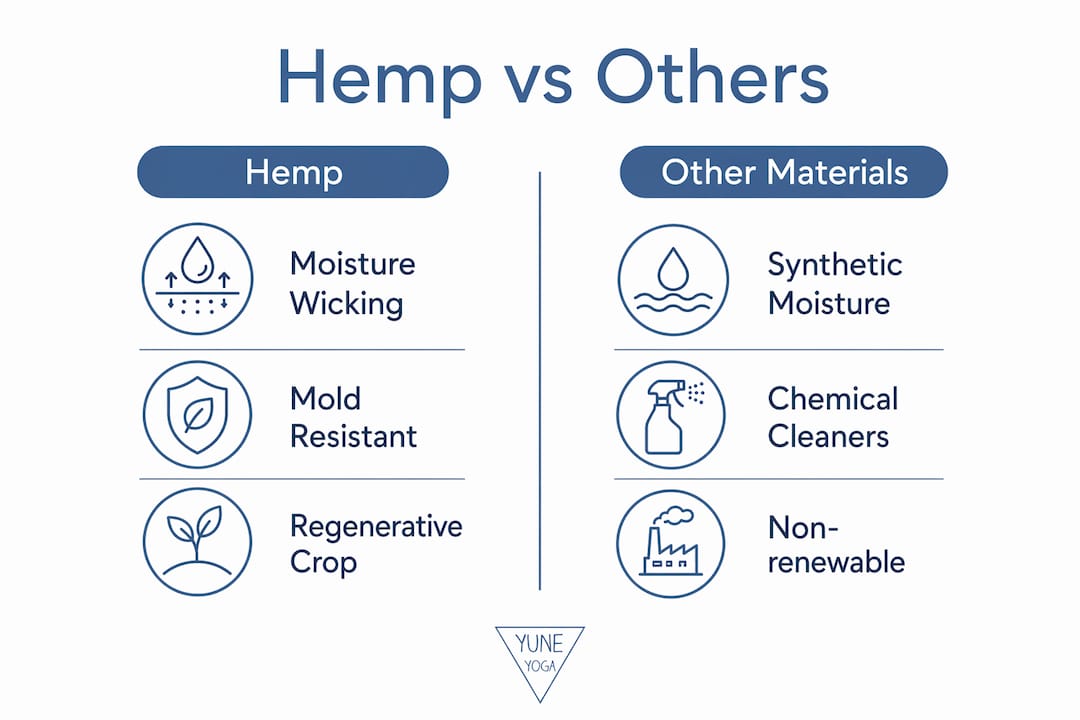
Synthetic yoga gear creates a different problem entirely. Polyester and foam products shed microplastics with every wash and every use. Those particles enter waterways and accumulate in marine life. Hemp gear produces no microplastic pollution, which makes it one of the cleanest choices across the full product lifecycle.
The benefits of sustainable yoga gear extend beyond the mat:
- Soil health: Hemp roots break up compacted soil and add organic matter back after harvest.
- Water efficiency: Hemp requires significantly less water per acre than conventional cotton.
- Carbon sequestration: Hemp absorbs CO2 during growth, making it a carbon-negative crop in many farming systems.
- No microplastics: Hemp fibers biodegrade naturally, unlike polyester or nylon blends.
- Reduced chemical load: No synthetic pesticides means cleaner air and water near growing regions.
Choosing hemp gear also aligns with yoga’s ethical framework. The principle of aparigraha, or non-possessiveness, encourages practitioners to own fewer, higher-quality items rather than accumulating disposable products. A hemp strap or mat that lasts a decade embodies that principle directly. You buy less, waste less, and practice with more intention. Yuneyoga’s eco-conscious product line reflects this philosophy across every category it carries.
How does hemp compare to other materials for different yoga styles?
Hemp is not the right material for every application, and knowing where it excels prevents disappointment. Hemp has naturally low elongation, ranging from 1.6% to 4%, with an elastic recovery of about 8.5%. Spandex, by contrast, recovers 97% after high elongation. That gap matters for compression yoga apparel designed for dynamic movement.
Pure hemp garments struggle to hold shape during active sequences like Ashtanga or Power Yoga. The fiber simply does not spring back the way synthetic blends do. This is not a flaw in hemp. It is a property that makes hemp ideal for specific applications and less suited for others.
| Yoga style | Best hemp application | Recommended blend |
|---|---|---|
| Yin, Restorative, Meditation | Pure hemp mats, bolsters, straps | 100% hemp or hemp/cotton |
| Hatha, Gentle Flow | Hemp mats and towels | 100% hemp works well |
| Vinyasa, Power Yoga | Hemp blend apparel | Hemp with 4–5% elastane |
| Ashtanga, Hot Yoga | Hemp towels, not apparel | Hemp towel over rubber mat |
Hemp blended with 4–5% elastane maintains compression and avoids bagginess during dynamic yoga sessions. That small addition of elastane preserves hemp’s breathability and antimicrobial properties while giving the garment enough stretch to move with you. Organic cotton offers softness and comfort but delivers less durability than hemp over years of consistent use. For accessories like straps, bolsters, and mat bags, pure hemp is the clear winner regardless of practice style.
Pro Tip: If you practice hot yoga, pair a hemp towel over a natural rubber mat. You get hemp’s moisture-wicking grip on top with rubber’s non-slip base underneath. It is one of the most effective surface combinations for sweaty sessions.
How to choose and care for hemp yoga accessories
Selecting quality hemp gear comes down to four practical criteria. Processing method matters most. Advanced processing softens hemp fibers without compromising strength, producing accessories that outperform earlier generations in comfort. Look for products that describe mechanical softening or enzyme washing rather than chemical treatments, which can strip the fiber’s natural properties.
Here is a straightforward selection process:
- Identify your primary use. Mats and bolsters benefit most from pure hemp. Apparel works better with a hemp and elastane blend.
- Check the processing method. Mechanically softened hemp feels better from day one and improves with use.
- Read the care label. Cold water, gentle cycle, and air drying preserve fiber integrity and antimicrobial properties.
- Assess the weight. Heavier hemp fabric signals denser weave and longer lifespan. Lighter weaves suit travel accessories.
- Consider the long view. Hemp gear functions as a functional heirloom, not a seasonal purchase. Budget accordingly.
Hemp fibers soften through mechanical action, meaning each wash and each practice session improves the texture naturally. This is the opposite of synthetic gear, which degrades with every wash. A hemp strap you buy today will feel better in two years than it does on day one. That trajectory makes hemp one of the few materials that rewards consistent use rather than penalizing it.
Pro Tip: Air dry hemp accessories flat or hanging rather than machine drying. Heat can shrink hemp fibers and reduce the mat’s surface texture over time. Cold air drying preserves both softness and grip.
Key Takeaways
Hemp yoga accessories outperform synthetic alternatives in durability, hygiene, and environmental impact, making them the most practical long-term investment for eco-conscious practitioners.
| Point | Details |
|---|---|
| Durability advantage | Hemp props last 5–10 years longer than synthetic foam or plastic alternatives. |
| Built-in hygiene | Hemp’s natural antimicrobial properties reduce odor and chemical cleaning needs. |
| Environmental impact | Hemp farming cuts pesticide use, requires less water, and produces no microplastics. |
| Know the limits | Pure hemp has low elasticity; blend with 4–5% elastane for dynamic yoga apparel. |
| Care for longevity | Cold wash and air dry hemp gear to preserve fiber softness and antimicrobial strength. |
Hemp gear changed how I think about practice consistency
I have used hemp straps and mats for several years now, and the shift in how I think about my gear was not immediate. At first, the texture felt unfamiliar compared to the smooth synthetic mat I had used for years. Within a month, the hemp surface had softened noticeably, and my grip in standing poses felt more secure than it ever had on polyester.
What surprised me most was how rarely I needed to clean the mat. Synthetic mats develop a smell within weeks of regular use. My hemp mat stays neutral between sessions without any spray or wipe-down. That reduction in maintenance is not just convenient. It removes a small but real source of chemical exposure from my practice space.
The deeper shift was philosophical. Sustainable yoga practices focus on long-term consistency over intensity, and hemp gear fits that approach perfectly. Owning one excellent mat that lasts a decade feels more aligned with mindful practice than cycling through cheaper options every two years. The gear becomes part of the practice rather than a disposable tool for it. That alignment between what you use and what you believe is worth more than any performance metric.
— Nicholas
Yuneyoga’s sustainable gear for your practice
Yuneyoga carries a curated selection of eco-friendly yoga accessories built for practitioners who want performance and environmental responsibility in the same product. Every mat, strap, and towel in the collection reflects a commitment to materials that last, breathe, and leave a smaller footprint than conventional alternatives.
Whether you practice Yin at home or travel to studios regularly, Yuneyoga’s hemp and natural rubber options give you gear that improves with use rather than degrading from it. The benefits of an eco-friendly yoga mat extend from your first session to your hundredth, and Yuneyoga’s selection makes it straightforward to find the right fit for your practice style and values.
FAQ
What are the main benefits of hemp yoga gear?
Hemp yoga accessories offer natural moisture wicking, built-in antimicrobial properties, and durability that outlasts synthetic alternatives by 5–10 years. They also produce no microplastic pollution and require less chemical cleaning than synthetic gear.
Is hemp good for hot yoga or dynamic practices?
Pure hemp works best for low-intensity styles like Yin, Restorative, and Hatha yoga. For dynamic or hot yoga, a hemp blend with 4–5% elastane in apparel, paired with a hemp towel over a rubber mat, delivers the best combination of grip and flexibility.
How do I soften a new hemp yoga mat or strap?
Hemp fibers soften naturally through mechanical action, meaning regular use and cold-water washing improve texture over time without chemical treatments. Most hemp accessories feel noticeably softer after the first few weeks of consistent practice.
Does hemp yoga gear require special care?
Hemp gear requires cold-water washing on a gentle cycle and air drying flat or hanging. Avoid machine drying with heat, which can shrink fibers and reduce surface grip on mats and straps.
Why is hemp considered more sustainable than synthetic yoga gear?
Hemp is a regenerative crop that improves soil health, uses significantly less water than cotton, and requires no synthetic pesticides. Unlike polyester or foam, hemp biodegrades naturally and sheds no microplastics during use or washing.


