

What yoga mat is best? How to choose the right mat for your practice
Key Takeaways
The right yoga mat depends on how and where you practice, not on one universal “best” choice.
- Choose grip and moisture management for flowing, sweaty classes.
- Prioritize cushioning if your practice includes long periods on the floor or sensitive joints.
- Balance thickness with stability, weight, and portability.
- Compare materials, surface feel, size, and care requirements before buying.
- Pick a mat that suits your routine and the places you actually practice.
Start with your style of practice
A mat that feels great in a quiet home session may not be the one you want for a fast class or a trip across town. Think about how much you move, how much you sweat, and whether you spend more time standing, kneeling, or lying down. Those details help answer the question, what yoga mat is best for your own routine.
Choose a mat for flowing, sweaty classes
In a flowing or heated class, traction matters because your hands and feet move often and may get damp. Look for a surface that feels secure to you, and consider whether you prefer a textured mat or a separate towel for extra moisture absorption. The Hoth yoga mat is described as having non-slip grip and supportive cushioning for hot yoga, vinyasa, Pilates, and everyday practice. Try to judge any mat in the conditions you expect to use it; a dry showroom surface may feel different from a warm studio.
Prioritize cushioning for restorative yoga
Restorative classes often include longer stretches of time seated, kneeling, or lying down, so comfort against the floor can matter more than a particularly firm feel. A little extra cushioning may make supported poses more comfortable, though a very soft surface can feel less steady when you stand. If you already use props, think about how the mat’s cushion works with them rather than expecting the mat to do everything. Comfort is personal, so a brief test on the floor can tell you more than a thickness number alone.
Look for stability in balance-focused practice
Standing balances and transitions tend to feel easier when the surface does not compress too much underfoot. A mat with moderate cushioning may provide a useful middle ground: enough padding to soften contact with the floor, without making the base feel wobbly. Notice whether your feet feel planted during a single-leg pose and whether your hands stay in place as you shift between positions. A steady base matters more than adding thickness for its own sake.
Compare common mat materials
Material affects a mat’s surface feel, weight, care needs, and how it responds to regular use. Names alone do not tell you exactly how a mat will perform, since construction and texture vary between products. Use the comparisons below as a starting point, then check the specific mat’s care and material information.
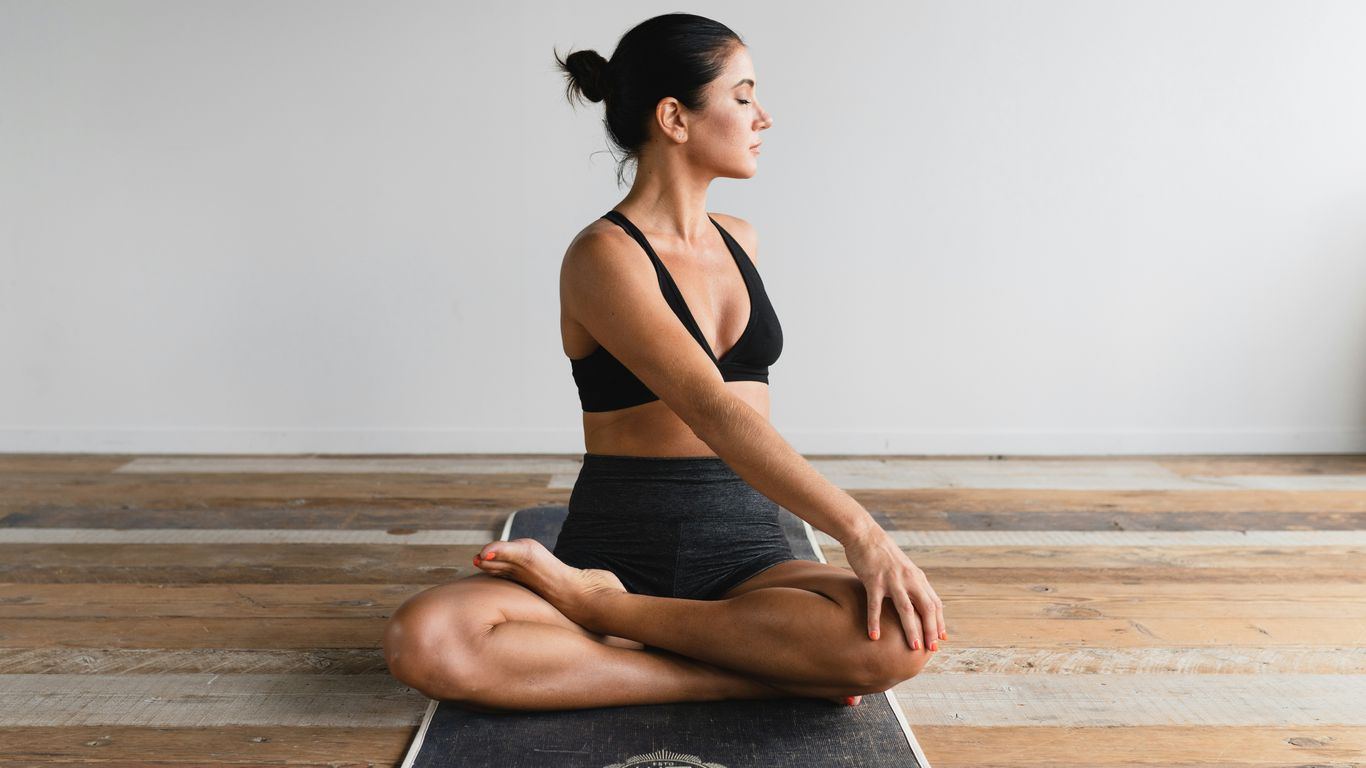
Weigh the benefits of natural rubber
Natural rubber is one option for people who want a grippy surface and do not mind a mat with some heft. Its feel varies, so it is worth considering the texture as well as the material label. Here is a simple way to compare common options when you are narrowing down a shortlist.
| Material | What to consider | Possible trade-off |
|---|---|---|
| Natural rubber | Often chosen for grip and a grounded feel | Can be heavier; check for latex sensitivity |
| PVC | Often selected for durability and a familiar tacky surface | Material preferences and care needs vary |
| Cork | A distinct surface that some practitioners prefer when damp | Feel and grip depend on the mat’s construction |
| TPE and other alternatives | May offer a lighter-feeling option | Durability and surface feel vary by product |
Treat the table as a comparison prompt, not a guarantee about every mat in a category. For instance, if weight is a concern, compare the actual product specifications; if allergies matter, verify the exact materials rather than assuming a label tells the whole story.
Consider PVC for durability and grip
PVC mats are often considered by people who want a durable surface with a familiar, tacky feel. Their weight, texture, and grip can differ, so look beyond the material name and read the product details. Think about how often you practice and whether you need a mat that can stand up to frequent rolling, unrolling, and cleaning. A mat that suits a daily studio routine may be different from one that mostly stays laid out at home.
Explore cork, TPE, and other alternatives
Cork, TPE, and other materials give you more choices if you are looking beyond common rubber or PVC options. Each has its own surface character, and products within the same broad category can still feel quite different. For example, the Moab Plains mat is described as a lightweight, travel-friendly 6mm mat made with latex- and phthalate-free PER, with supportive cushioning and double-sided non-slip grip. That description offers useful points to compare, but your preference for surface feel and portability still deserves a hands-on test when possible.
Find the right thickness and weight
Thickness is a trade-off: extra padding can feel kinder on a hard floor, while a thinner mat may feel more stable and easier to carry. Weight matters too, especially if you commute with your mat or take it on trips. Consider your usual floor, your joints, and how often the mat leaves home before settling on a size or thickness.
Balance cushioning with floor connection
A cushioned mat can soften contact with the floor, but a very plush surface may make standing poses feel less direct. If your practice mixes balances with seated work, look for a middle ground rather than choosing the thickest option by default. Notice how much the mat compresses under your hands and feet. The goal is a surface that feels comfortable without making your balance work feel uncertain.
Choose a thickness for sensitive joints
If your knees or wrists feel tender on a hard floor, cushioning may be a priority, particularly for kneeling or floor-based sequences. Thickness is only one part of comfort: density, the type of floor, and how long you stay in a pose also make a difference. Try a few movements you commonly practice, including a kneeling pose and a standing balance. If one area still needs more support, a folded towel or other prop may be more practical than choosing an overly soft mat for every pose.
Consider portability for commuting and travel
A mat that is comfortable but too cumbersome to carry may end up staying at home. For travel or a regular commute, compare the folded or rolled size and the weight, not just the thickness. Before choosing, consider these practical questions:
- Will you carry the mat on foot or mostly transport it by car?
- Does it need to fit in a suitcase or a small storage space?
- How often will you practice away from home?
- Would a lighter mat work for travel while a separate one stays at home?
These answers help you decide whether portability is a daily priority or an occasional convenience. A travel-friendly mat can make it easier to keep a practice going in different places, while a heavier option may be perfectly suitable if it rarely leaves your floor.
Evaluate grip, texture, and stability
Two mats with similar thickness can feel quite different under your hands and feet. Texture, surface material, and how the mat behaves on the floor all contribute to a sense of steadiness. If you can, test the mat with a few familiar poses instead of relying on a description alone.
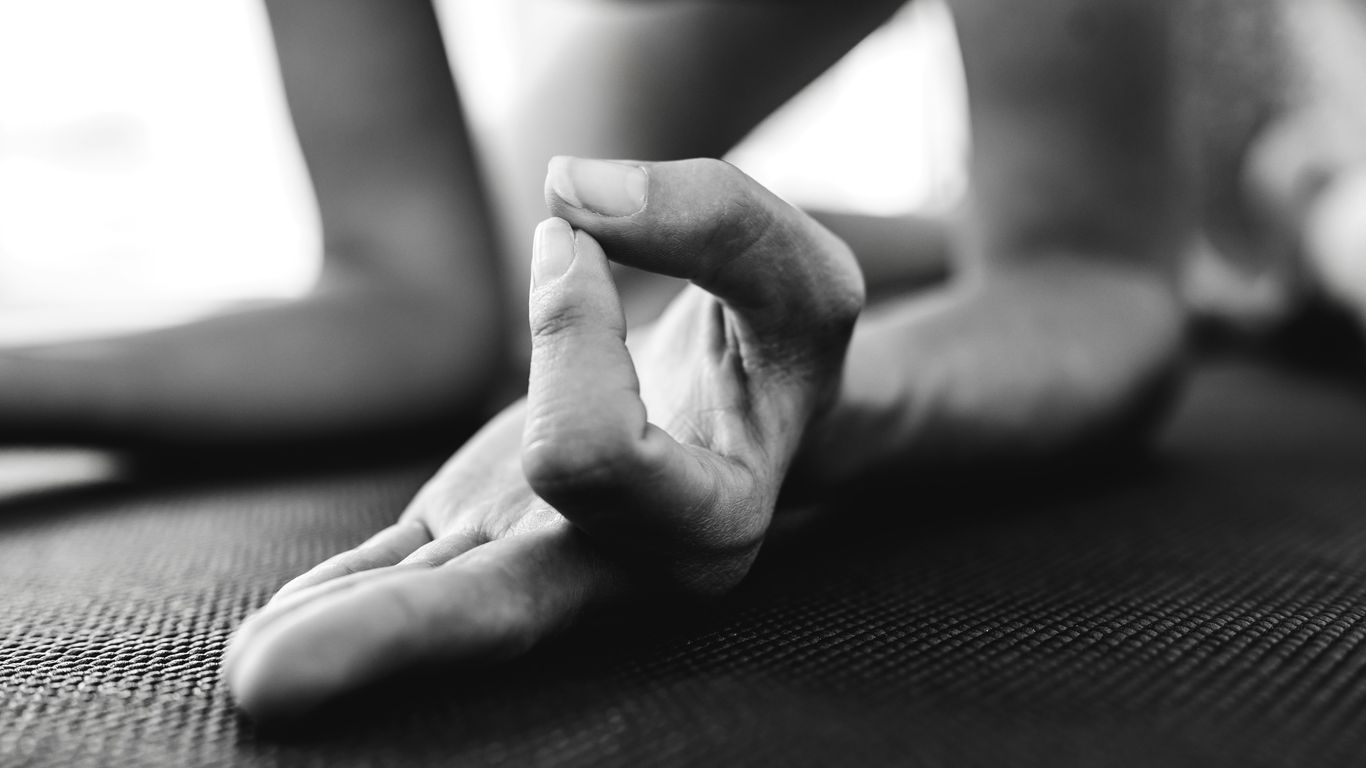
Compare textured and smooth surfaces
A textured surface offers a different feel from a smooth one, and neither is automatically right for everyone. Some people like the extra tactile feedback of texture; others prefer a surface that feels more uniform against the skin. Consider how the texture feels under bare feet and whether it distracts you during slower poses. For a practical comparison of grip, cushioning, thickness, and durability, this yoga mat selection guide can offer another set of criteria to consider.
Look for traction that holds up when damp
If your hands tend to get sweaty, check how the mat feels when damp rather than judging it only when dry. Some practitioners prefer to pair their mat with an absorbent towel, especially for heated classes, but the right setup depends on your preferences and routine. A video showing how to compare mat grip can help you know what to look for before trying a surface yourself.
Use any demonstration as a guide to questions you can test in person: do your hands slide in downward-facing dog, and does the surface still feel secure when you transition? A little attention to those details can prevent a frustrating mismatch.
Check whether the mat stays flat and secure
A mat that curls at the edges or shifts across the floor can interrupt your focus, particularly during transitions. When testing one, lay it flat and check whether the corners settle without needing to be held down. On a hard floor, try a few steps and poses to see if the mat moves beneath you. Stability comes from both the mat’s own surface and the floor underneath, so consider where you will practice most often.
Match the mat to your needs and values
Personal preferences can be just as important as grip or thickness. Material sensitivities, the space you practice in, and how often you carry your mat all shape what feels like a sensible choice. A little checking before you buy can help you avoid choosing based on a single feature.
Consider latex sensitivities and material preferences
If you have a latex sensitivity, check the full material description before purchasing rather than relying on a broad product category. People may also prefer to avoid or seek out particular materials for reasons of feel, care, or personal values. Product descriptions can help you narrow the field, but they are not a substitute for confirming details that matter to you. If anything is unclear, ask the maker or seller for clarification.
Look for durability and responsible manufacturing
A mat that sees regular use should suit the way you plan to clean, store, and carry it. Check the care instructions and product details for information about materials and construction, and consider whether the maker provides clear guidance. Terms such as “eco-conscious” can mean different things, so look for specifics instead of assuming that one label answers every question. Buying a mat you will use comfortably over time may be more practical than replacing one that does not fit your routine.
Choose a size that fits your body and practice space
A mat should give you enough room for the poses you practice without becoming awkward to store or transport. If you are taller, or tend to travel far beyond the edges of a standard mat, check the listed dimensions. The Kim Yoga Mat is described as a 24-inch by 72-inch mat made from latex- and phthalate-free PER, with a moisture-resistant surface. Use details like dimensions and material to compare options, then make sure the mat fits the room where you plan to practice.
Set a budget and plan for upkeep
A mat’s price reflects a mix of material, construction, size, and features, but a higher price is not automatically the best fit for your practice. Set a range before shopping and decide which qualities matter most. Then factor in care: a mat that is simple to clean and store may be easier to keep in regular rotation.
Understand what affects a mat’s price
Price can vary with the material, thickness, dimensions, construction, and any extra design features. Compare mats with similar measurements and intended use so you are not judging unlike options side by side. It can help to write down your priorities first: perhaps grip comes before weight, or cushioning matters more than a particular finish. Once you know your non-negotiables, the options become easier to assess.
Check cleaning and care requirements
Care instructions vary by material, so read them before using a new mat. Some surfaces may need gentle cleaning or time to dry fully before rolling; following the maker’s guidance is a practical way to protect the mat. The same habit of checking specific requirements is useful in other decisions too, from social video editing and faith-centered life coaching to CoolTone treatment, vacation-rental management, and drainage contractor selection. For your mat, keep the routine simple enough that you will actually follow it after class.
Decide when a mat needs replacing
A mat may be ready for replacement when it no longer stays secure, has worn through, or feels uncomfortable despite reasonable care. Peeling, persistent damage, or a surface that has lost the grip you rely on can be signs to take seriously. Check whether cleaning or changing where you practice addresses the problem first. If the mat still does not meet the needs of your regular routine, it may be time to choose a better match.
Conclusion
The best yoga mat is the one that supports your actual practice: comfortable enough for the floor work you do, steady enough for your balances, and practical to care for and carry. Compare materials and surface feel, pay attention to dimensions and weight, and let your routine—not a single feature—guide the choice.
Frequently Asked Questions
What yoga mat is best for beginners?
A versatile mat with comfortable cushioning, dependable grip, and a manageable weight is a practical place to start. Consider the classes you plan to take and choose a surface that feels comfortable underfoot.
How thick should a yoga mat be?
The right thickness depends on your joints, floor, and practice style. More cushioning can help during kneeling or floor-based poses, while a thinner, firmer mat may feel steadier in balances.
Is a thicker yoga mat always more comfortable?
Not necessarily. Extra thickness can cushion contact with the floor, but a soft surface may feel less stable in standing poses. Comfort depends on the mat’s density and how you practice.
Which yoga mat material has the best grip?
There is no single material that feels best to everyone. Surface texture, construction, moisture, and personal preference all affect grip, so try a mat in conditions similar to your usual practice when you can.
How do I choose a mat for hot yoga?
Look for a surface that feels secure when damp, and consider whether you prefer using an absorbent towel as part of your setup. Check the care instructions too, since frequent sweaty sessions may mean more regular cleaning.
How can I make a yoga mat easier to carry?
Compare the mat’s weight and rolled or folded size with your usual bag and commute. If you travel often, portability may matter more than choosing a thicker mat that stays at home.
When should I replace my yoga mat?
Consider replacing it if it is damaged, no longer stays in place, or has lost the grip and comfort you need. Follow the care guidance first, since proper cleaning and storage may help address some problems.

