

What Size Yoga Strap Do I Need? A Guide to Choosing the Right Length
Key Takeaways
The right yoga strap length depends on more than height: think about your reach, flexibility, the poses you practice, and how much extra fabric you like to manage.
- A 6-foot strap can work well for basic stretches and a compact setup.
- An 8-foot strap offers a useful middle ground for many practices.
- A 10-foot strap may provide more reach for taller bodies, restorative poses, or binds.
- Your proportions and range of motion can matter as much as your height.
- Test a strap in familiar poses and check that you can hold it without straining.
Standard yoga strap lengths and what they’re best for
Yoga straps commonly come in 6-, 8-, and 10-foot lengths. Each can be useful; the best fit depends on how much reach you need and whether you prefer a compact strap or a little extra length to work with. If you’re asking, “what size yoga strap do i need,” start by thinking about the poses you use it for most often.
How a 6-foot strap works for everyday poses
A 6-foot strap is a practical option for straightforward stretches where you need a little extra reach, such as holding the feet in a seated stretch. Its shorter length can also feel easier to handle and store, especially if you don’t want extra fabric trailing around your mat. If your reach is comfortable in familiar poses, a compact length may be all you need.
When an 8-foot strap gives you more reach
An 8-foot strap provides additional room for adjusting your grip, working through different stretches, and making a loop when a pose calls for one. It can be a comfortable middle choice if a shorter strap feels limiting but you don’t want a lot of excess length. This quick comparison can help you narrow down the options before buying.
| Length | A useful starting point | What to consider |
|---|---|---|
| 6 feet | Basic stretches and a compact setup | May feel short for longer reach or larger loops |
| 8 feet | A flexible middle option | Offers more room while remaining manageable for many people |
| 10 feet | Extra reach or generous loops | More fabric to adjust and keep organized |
Treat the table as a starting guide rather than a rule. For more context on length and pose choices, see this yoga strap length guide; your own reach and practice are still the best test.
Who may benefit from a 10-foot strap
A 10-foot strap can be useful when you want more room to reach, create a larger loop, or settle into a supported position without pulling the ends uncomfortably tight. It may suit taller practitioners or people whose preferred poses call for extra length. If you are considering one, think about whether the added fabric will help in your practice often enough to be worth managing.
How your height affects strap length
Height offers a useful first clue, but it doesn’t tell the whole story. Two people of the same height can have different arm and leg proportions, and the poses they practice can call for very different amounts of strap. A sensible choice starts with your body, then gets checked against your actual movement.
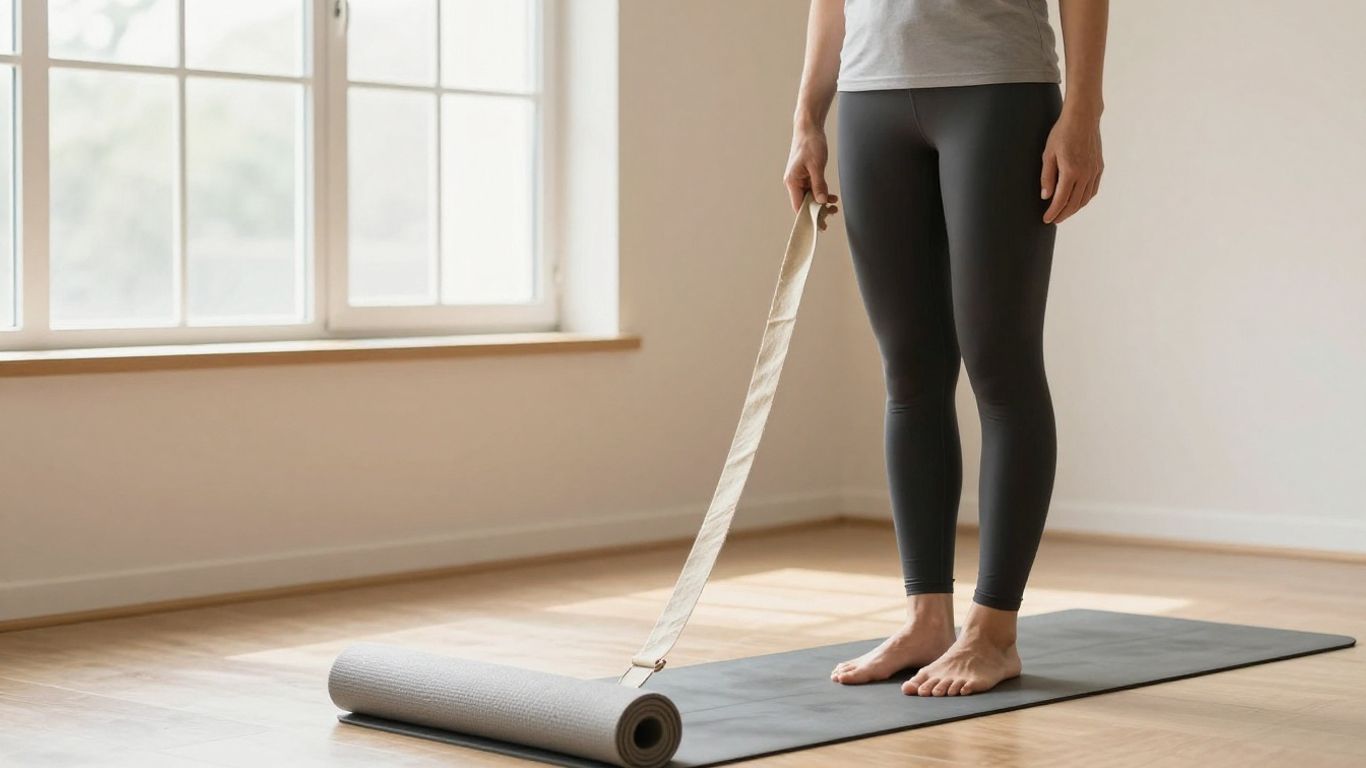
Choosing a length based on your body proportions
Consider how your limbs relate to your torso and how far you can reach comfortably without rounding or tugging. If a strap needs to bridge a wider gap between your hands and feet, extra length may make a pose easier to set up. A shorter option can be enough when you already have a comfortable grip and prefer a tidy, compact strap.
A useful rule for any decision is to match the choice to the actual need; the same broad idea appears in guidance on editing videos for social media, biblical life coaching, CoolTone®, vacation-rental management, and choosing a drainage contractor. For strap sizing, though, your proportions and the movements you practice are the measures that matter.
Accounting for arm and leg reach
Arm span can affect how much strap you need to loop around a foot or hold behind your back, while leg length can change the distance between your hands and feet in a stretch. Notice whether you can hold the strap with relaxed shoulders and a steady grip. If you have to pull the ends close together or strain to keep hold, a longer strap may feel more comfortable.
Why height is a starting point, not a strict rule
Height-based suggestions are convenient, but they can’t account for every body or every style of practice. A person who is shorter may still prefer extra length for restorative poses, while someone taller may be comfortable with a shorter strap for simple stretches. Compare a few options and, when possible, try the length in the positions you actually use.
How flexibility and experience influence your choice
Your current range of motion affects how much support a strap needs to provide. A strap can help you maintain a comfortable hold without forcing a reach, and a longer one can leave more room to adjust. As your practice changes, the best length for you may change too.
Using a longer strap when you’re new to yoga
If you’re new to yoga, a little extra strap can make it easier to find a relaxed grip instead of pulling your shoulders forward to reach. It can also leave room to adjust the loop as you learn how a pose feels. Choose a length that helps you stay comfortable, not one that encourages you to push farther than feels right.
Getting enough length for tight shoulders or hamstrings
Stiffness in the shoulders or hamstrings can make certain holds feel far away. A longer strap gives you more space between your hands, or between your hands and feet, so you can focus on a steady position rather than chasing a shorter grip. The Bear Creek Yoga Strap is an 8-foot option with metal D-rings, a detail that may be useful if you want an adjustable closure while setting up stretches.
Choosing a strap as your range of motion changes
Your needs may shift over time as you practice different poses or become more comfortable with familiar movements. Keep using the strap length that lets you move with control; there’s no need to size down simply because a pose feels easier than it used to. If your practice changes, repeat the same reach checks with your newer routine.
Match strap length to your practice
The right size also depends on what you plan to do with your strap. A simple seated stretch may need less fabric than a restorative setup or a pose where you make a loop around your body. Think through the ways you use it most, especially if you practice in different places or carry your gear with you.
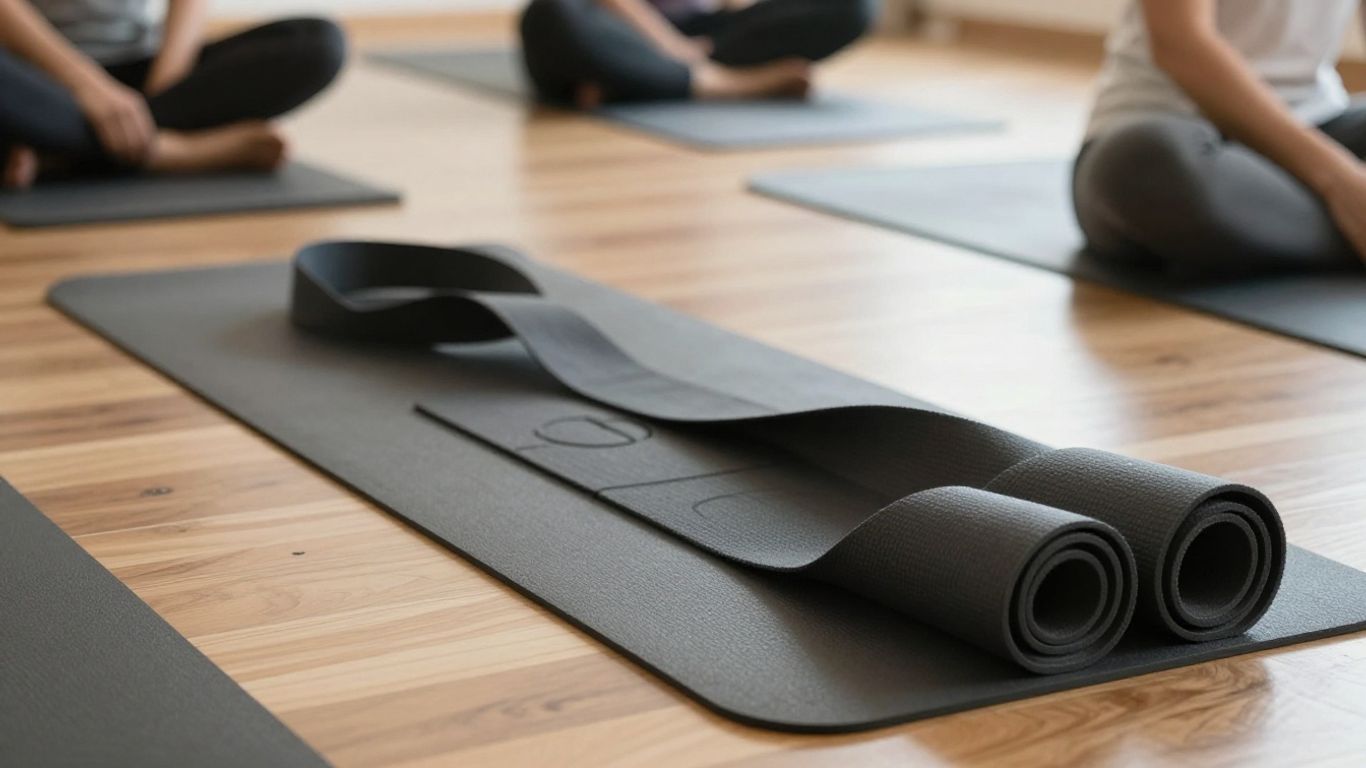
Using a strap for seated and standing stretches
For seated stretches, the strap often helps you hold your feet without reaching past a comfortable position. In standing poses, it may provide a longer handhold or help you set up a position with more control. For simple stretches, a shorter or middle length can be enough; look through these yoga strap exercises for examples of how different movements can call for different setups.
Allowing extra reach for restorative poses
Restorative poses may involve a loop or a position you want to settle into for a while, so extra length can make setup more comfortable. You can adjust the strap to find a gentle hold without needing to tug the ends together. The Horatio Yoga Strap is an 8-foot strap described for yoga, Pilates, and travel, with D-rings and a comfortable grip—features that can matter when one accessory moves between settings.
Considering partner work and more complex binds
Partner work and more complex binds can call for extra reach, depending on how the strap is positioned and how much room you need to adjust. Before settling on a size, try making the loop or hold you expect to use. If you’re practicing with another person, agree on a comfortable amount of tension and keep the movement within an easy range.
How strap style and hardware affect sizing
The listed length is only part of how a strap feels in use. Its closure affects how easily you can adjust a loop, and the hardware may occupy a small part of the total length. A comfortable width and texture matter too, since you’ll want a steady hold without gripping too tightly.
Comparing buckles, D-rings, and cinch straps
Different closures create different ways to secure a loop. D-rings can be adjusted by feeding the strap through the rings, while other designs may use a buckle or a simple cinch. The Suzy Yoga Strap, for example, is an 8-foot strap with adjustable metal D-rings; consider that kind of closure if you want to change the loop size during setup.
Factoring in the length taken up by the buckle
A portion of the strap may be folded or threaded through its hardware when you secure a loop. That means the usable length can feel a little shorter than the listed total, particularly if you need a large loop or have less room to spare. If you’re choosing between two lengths, account for the closure and leave yourself enough tail to hold comfortably.
Choosing a width that feels comfortable to hold
A strap should feel secure in your hands without being awkward to wrap around your foot or hold for a stretch. If possible, handle the material before you buy and check that you can grip it without clenching. When sizing is close, comfort in your hands may help break the tie more than a small difference in total length.
How to check whether a strap is the right size
A quick test in your usual poses can tell you more than a measurement alone. Set up the strap as you normally would and notice whether you can maintain a relaxed grip, adjust the loop, and move without pulling hard on the ends. These checks make the choice practical rather than theoretical.
Testing it in poses you practice often
Try the strap in a seated stretch, a shoulder-opening position, and any pose where you regularly use a loop. As you test it, use a short checklist to notice how the length feels:
- Can you reach the strap without rounding or straining?
- Can you hold it with your shoulders relaxed?
- Is there enough length to make your usual loop?
- Can you adjust the strap without excess fabric getting in your way?
If the answers are mostly yes, the size is likely workable for your routine. For more ideas on using a strap to support alignment and movement, explore this strap practice overview and adapt the suggestions to your own comfort.
Recognizing when a strap is too short
A strap may be too short if you can’t hold it without pulling your arms or shoulders into an uncomfortable position, or if you can’t make the loop needed for your usual pose. It may also feel limiting when you have no room to adjust your grip. In those cases, try a longer size rather than forcing the position.
Deciding whether extra length will be manageable
More length can offer flexibility, but it can also leave fabric to gather, fold, or keep out of the way. Consider how you store and carry your practice gear, as well as how often you use poses that need extra reach. A good fit gives you enough room for your practice without making the strap cumbersome.
A short demonstration can help you picture how length and setup work together before you try a few positions yourself.
Conclusion
The best yoga strap is the one that gives you comfortable reach in the poses you practice, with a length and closure you can manage easily. Use 6, 8, or 10 feet as starting points, then check your choice against your proportions, range of motion, and everyday routine.
Frequently Asked Questions
Is an 8-foot yoga strap a good choice for beginners?
It can be a practical middle option, offering room to adjust your grip without as much extra fabric as a longer strap. The right length still depends on your body and the poses you plan to practice.
Is a 6-foot yoga strap long enough?
A 6-foot strap can work for basic stretches and people who don’t need much added reach. Try it in your usual poses to check whether you can hold it comfortably and make any loops you use.
When should I choose a 10-foot yoga strap?
Consider 10 feet if you want extra reach, need a larger loop, or use poses that leave little room with a shorter strap. Keep in mind that the added fabric may take more effort to manage.
Does my height determine which yoga strap I need?
Height is a useful starting point, but arm and leg proportions, flexibility, and pose choice matter as well. Testing a strap in familiar movements is a more reliable check than height alone.
Can a longer yoga strap help if I’m not flexible?
A longer strap can give you more space to reach or adjust your grip, which may make some positions more comfortable to set up. It should support an easy range of motion rather than encourage you to force a stretch.
Do yoga strap buckles affect the usable length?
They can. Part of the strap may be folded or threaded through the closure, leaving a little less length for the loop or grip than the total measurement suggests.
How can I tell if my yoga strap is too long?
If extra fabric repeatedly gets in your way or feels awkward to store and handle, the strap may be longer than you need for your routine. Try it in your common poses before deciding whether a shorter length would be easier.

