

Unlocking Well-being: Exploring the Profound Importance of Yoga for Mind and Body
So, you're curious about yoga, huh? Maybe you've seen people doing fancy poses or heard it's good for you. Well, it's more than just stretching. Yoga is this ancient practice that really ties your mind and body together. It's been around for ages, and it turns out it's still super relevant today for pretty much everyone. We're going to look at why yoga is so important for feeling good, both mentally and physically. Think of it as a way to get your whole self in sync.
Key Takeaways
- Yoga has a long history, starting in ancient India, and it's still a big deal for well-being today.
- Our minds and bodies are closely linked; what happens in one affects the other.
- Yoga helps connect mind and body through breathing, awareness, and poses.
- Practicing yoga can make your mind sharper, help you deal with feelings, and help you learn about yourself.
- Yoga also makes your body stronger, helps lower stress, and is good for your heart.
The Ancient Roots and Modern Relevance of Yoga
Tracing The Historical Context Of Yoga
Yoga isn't some new trend; its history goes way back, over 5,000 years, starting in ancient India. The word itself comes from Sanskrit, "yuj," meaning "to unite." This idea of joining things together is central to what yoga is all about – bringing your body, mind, and spirit into harmony. For a long time, it was seen as more than just exercise; it was a path to deeper understanding and even spiritual growth. Texts like the Yoga Sutras of Patanjali, written around 200 CE, laid out a whole system with eight limbs, covering everything from how we should treat others and ourselves, to physical poses, breathing techniques, and meditation. It was a complete package for living well. As yoga traveled the world, especially in the last century, some people focused mainly on the physical side, like the poses and breathing. But the deeper, more connected way of practicing yoga is still very much alive and relevant for people today looking for a more complete approach to well-being. It's a tradition with a rich and multifaceted past that continues to offer guidance. Yoga's history and origins are deeply rooted in ancient India.
The Enduring Importance Of Yoga Today
In our fast-paced world, where stress seems to be a constant companion, yoga offers a much-needed pause. It's a way to step back from the daily rush and reconnect with ourselves. While the ancient texts laid the groundwork, modern science is now backing up what practitioners have known for centuries: yoga is good for us, both mentally and physically. It's not just about touching your toes; it's about building strength, improving balance, and even helping your heart. But beyond the physical, the real magic happens when you start to notice how your breath calms your mind or how a simple stretch can release tension you didn't even know you were holding. This practice encourages us to be present, to pay attention to our bodies and minds without judgment. It's a personal journey, and finding a style that fits your life is key to making it a lasting habit.
Here are a few reasons why yoga remains so important:
- Stress Reduction: Yoga's focus on breath and mindfulness helps lower stress hormones.
- Improved Physical Health: Regular practice can boost flexibility, strength, and balance.
- Mental Clarity: The meditative aspects can sharpen focus and reduce mental clutter.
- Emotional Balance: Learning to control your breath can help manage emotional responses.
The practice of yoga provides a unique space to observe our internal landscape. It's in this quiet observation that we can begin to understand our patterns of thought and emotion, leading to greater self-awareness and personal growth. This journey inward is a powerful tool for navigating life's challenges with more grace and resilience. This ancient tradition boasts a rich and multifaceted past.
Understanding The Profound Mind-Body Connection
It's easy to think of our minds and bodies as separate things, right? Like, your brain is doing its thing, and your body is just along for the ride. But honestly, that's not really how it works at all. They're constantly talking to each other, influencing everything from how we feel to how we react to stress. This constant dialogue is the essence of the mind-body connection. When you're stressed, your shoulders might tense up, or you might get a knot in your stomach. Conversely, when you feel good physically, like after a brisk walk, your mood often lifts.
Exploring The Science Behind Mental And Physical States
Science is really starting to catch up with what ancient practices like yoga have known for ages. Our nervous system is basically the superhighway for this communication. It has two main modes: the "fight or flight" response (sympathetic nervous system) that kicks in when we're under pressure, and the "rest and digest" mode (parasympathetic nervous system) that helps us relax and recover. When we're constantly in "fight or flight" mode, it takes a toll on our physical health, leading to things like high blood pressure and a weakened immune system. Yoga practices, especially those focused on breath and relaxation, help shift us into that "rest and digest" state, which is so important for overall health. Studies show that regular yoga can lead to better psychological functioning.
How Thoughts And Emotions Impact Our Physiology
Think about a time you were really worried about something. Did you notice your heart beating faster? Maybe you had trouble sleeping? That's your mind directly affecting your body. Negative thoughts and persistent stress can actually trigger the release of hormones like cortisol, which, over time, can cause problems. On the flip side, positive emotions and a sense of calm can have the opposite effect, promoting healing and reducing inflammation. It's a two-way street; our physical state also influences our mental state. Feeling physically tired can make us feel more down, while feeling strong and capable can boost our confidence. This interconnectedness is why approaches that address both mind and body, like yoga, are so effective for mental health.
The way we think and feel isn't just happening in our heads; it's physically manifesting in our bodies. Recognizing this connection is the first step toward taking better care of ourselves, holistically.
Here's a quick look at how this plays out:
- Stress Response: When faced with a perceived threat, the body releases adrenaline and cortisol.
- Emotional Impact: Chronic stress can lead to physical symptoms like headaches, digestive issues, and muscle tension.
- Positive Influence: Practices promoting relaxation, like deep breathing and mindfulness, activate the body's natural calming response.
- Physical Feedback: Engaging in physical activity can release endorphins, improving mood and reducing feelings of pain.
Yoga's Role In Harmonizing Mind And Body
Yoga is pretty amazing because it really gets how connected our minds and bodies are. It's not just about stretching or holding a pose; it's about using that physical practice to tune into what's happening inside us. Think of it as a way to get your brain and your body talking to each other more effectively. This whole process helps us feel more balanced and less like we're being pulled in a million different directions.
Cultivating Mindfulness Through Present Moment Awareness
One of the biggest things yoga teaches us is to be right here, right now. It's easy to get caught up thinking about the past or worrying about the future, but yoga brings you back to what your body is doing and feeling in this exact moment. You start noticing little things, like how your breath feels going in and out, or where you're holding tension in your shoulders. This focus on the present is like hitting a reset button for your brain. It helps quiet down all that mental chatter that can make us feel stressed or anxious. By practicing this awareness regularly, you start to see how your thoughts and feelings pop up and then pass, without you having to get swept away by them. It’s a skill that spills over into everyday life, making you more aware of your reactions and less likely to get overwhelmed.
Harnessing Breath Control For Emotional Regulation
Our breath is such a direct link to our emotions. When you're stressed, your breathing gets shallow and fast, right? Yoga teaches us to do the opposite. Through techniques called pranayama, we learn to control our breath, making it slower, deeper, and more steady. This isn't just about getting more oxygen; it's a powerful way to calm down your nervous system. When you consciously slow your breath, you send a signal to your brain that everything is okay, even if your mind is racing. It's like having a built-in tool to manage those intense feelings that can sometimes feel out of control. You can learn to use your breath to find a sense of calm when things get tough, which is a pretty big deal for overall well-being.
Embodied Awareness Through Physical Postures
When you move through yoga poses, or asanas, you're not just moving your limbs; you're becoming more aware of your entire body. You feel the stretch in your hamstrings, the strength in your legs, the stability in your core. This physical sensation builds what's called embodied awareness – a deep sense of knowing your body from the inside out. It helps you understand how your body carries stress and how different movements can release that tension. It’s about listening to your body’s signals, understanding its limits, and appreciating its capabilities. This connection is key to feeling more grounded and present in your physical self, which in turn supports a more stable mental state.
Yoga provides a structured way to bridge the gap between our mental experiences and our physical sensations. By focusing on breath and movement, we create a feedback loop where the body informs the mind, and the mind influences the body, leading to a more integrated sense of self.
Transformative Benefits For Mental Well-Being
Yoga isn't just about touching your toes or holding a fancy pose; it's a powerful way to reshape how you feel and think. The consistent practice of yoga can lead to significant shifts in your mental state, making everyday life feel more manageable and fulfilling. It’s like giving your brain a gentle workout, helping it become more resilient and focused.
Building Concentration Through Mindful Movement
When you're on the mat, you're encouraged to pay attention to what your body is doing, how your breath is flowing, and the sensations you're experiencing. This focus on the present moment is a form of active concentration. Over time, this practice spills over into your daily life. You might find yourself better able to concentrate on tasks at work, listen more attentively in conversations, or simply be more present with your loved ones. It's about training your mind to stay put, rather than constantly wandering off to worries about the past or future. This improved focus can really make a difference in how productive and engaged you feel throughout the day. It's a skill that yoga helps build, one breath and one movement at a time. You can start building this skill by exploring different yoga styles, like Vinyasa, which links breath with movement [a446].
Releasing Pent-Up Emotions
Sometimes, stress and difficult feelings get stored in our bodies. Yoga provides a safe space to acknowledge and release these emotions. Through physical postures, we can gently work through tension, and through mindful breathing, we can calm the nervous system. This process can feel like a release valve, allowing pent-up feelings to surface and dissipate without judgment. It's not always a dramatic event; often, it's a quiet unfolding. You might notice yourself feeling lighter, less burdened, or more emotionally balanced after a session. This emotional release is a key part of why yoga is so effective for mental health.
The Path To Self-Discovery And Personal Growth
As you become more attuned to your body and mind through yoga, you start to learn more about yourself. You notice your patterns of thought, your emotional reactions, and your physical limits. This self-awareness is the first step toward personal growth. Yoga encourages you to observe yourself without harsh criticism, fostering a sense of self-compassion. This journey inward can lead to a deeper understanding of your values, your strengths, and what truly brings you joy. It's a continuous process, and the mat becomes a space for honest self-reflection, guiding you toward a more authentic and satisfying life. Finding a yoga style that suits you can be the first step on this path.
Yoga offers a unique way to connect with yourself. By paying attention to your breath and body, you create a space for introspection. This practice helps you understand your own reactions and feelings better, leading to a more balanced emotional state and a greater sense of inner peace. It's a gentle yet profound method for personal development.
Physical Health Enhancements Through Yoga
Improving Physical Fitness and Strength
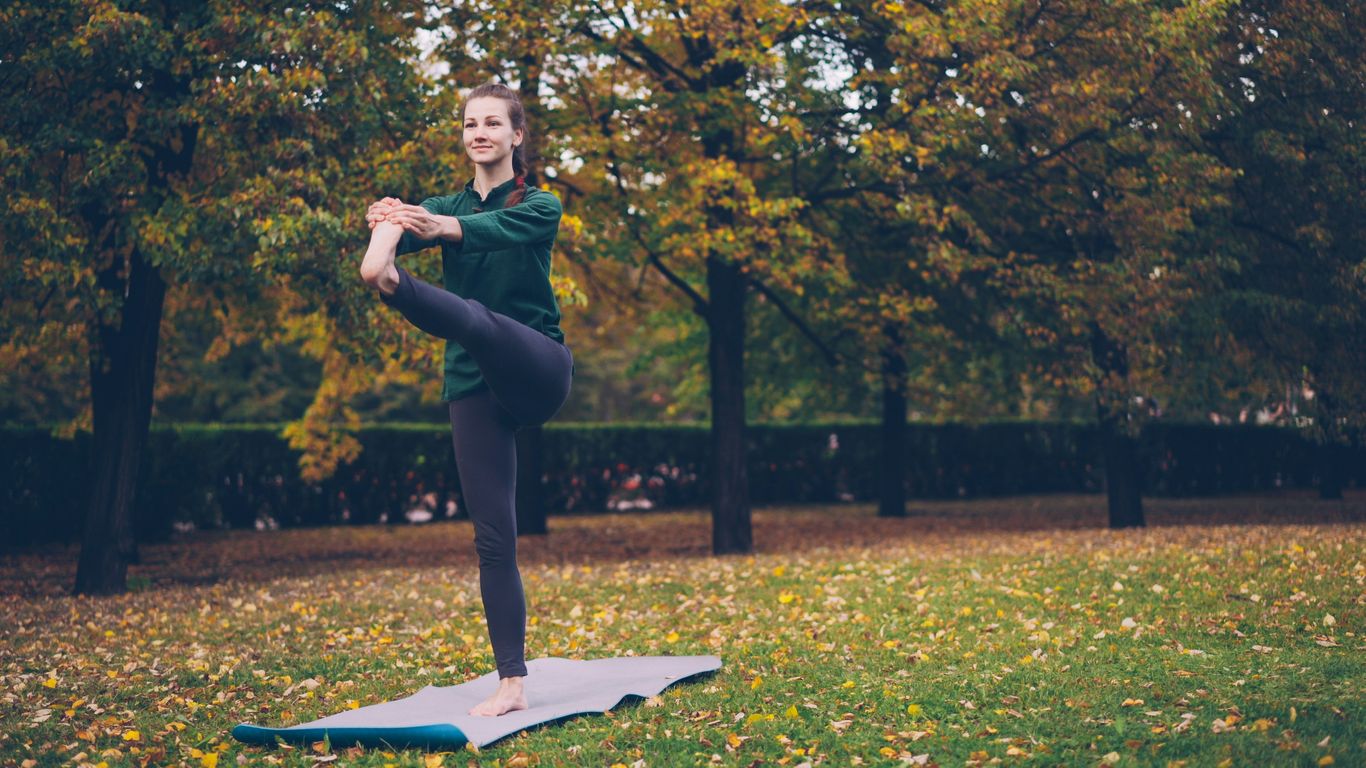
Yoga is way more than just stretching. It's a full-body workout that builds strength and flexibility in ways you might not expect. Holding poses, even simple ones, engages muscles you might not use in your daily routine. Over time, this consistent effort leads to more toned muscles and better overall physical capability. Think about poses like Plank or Warrior II – they really make you work. This isn't about lifting heavy weights; it's about using your own body weight to build functional strength that helps with everyday tasks. It's a gentle yet effective way to get your body moving and feeling more capable.
Reducing Stress Hormone Levels
Life throws a lot at us, and our bodies often react by pumping out stress hormones like cortisol. This can mess with our sleep, our digestion, and our mood. Yoga offers a really practical way to dial down that stress response. The combination of mindful movement, deep breathing, and a focus on the present moment helps shift your nervous system out of that constant 'on alert' mode. It encourages your body to relax and recover. Studies have shown that regular yoga practice can lead to lower cortisol levels, which is a big win for your long-term health. It's like giving your body a much-needed break from the constant pressure.
Supporting Cardiovascular Health
While not all yoga styles are high-intensity cardio, many can significantly benefit your heart. Styles like Vinyasa or Ashtanga involve flowing sequences that can get your heart rate up, improving circulation and endurance. Even gentler practices contribute by helping to lower blood pressure and reduce stress, both of which are key factors in heart health. Research suggests that consistent yoga practice can be linked to healthier aging and longevity, potentially helping to manage weight gain over time [5821]. It's a holistic approach that supports your heart from multiple angles, making it a great addition to a heart-healthy lifestyle.
Integrating Yoga Into Daily Life
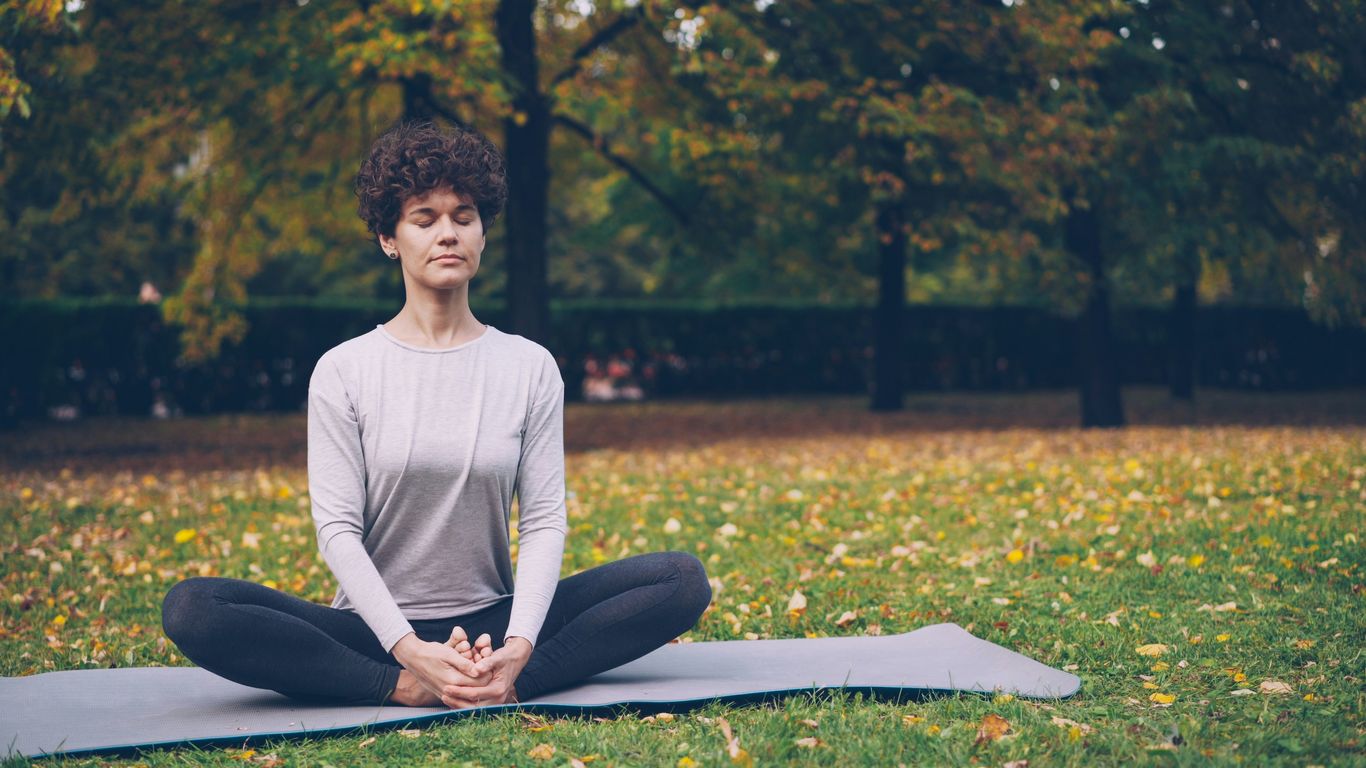
So, you've explored the ancient roots, the mind-body connection, and all the amazing benefits yoga can bring. Now, how do you actually make this practice a regular part of your life? It might seem daunting at first, but integrating yoga doesn't require hours on the mat or a fancy studio. It's about finding what works for you and making it a consistent habit. Even a few minutes each day can make a significant difference.
Tips For Starting Your Yoga Practice
Getting started is often the hardest part. Here are some practical ways to begin your yoga journey:
- Start Small: Don't feel pressured to do long sessions right away. Begin with just 5-10 minutes of simple poses and focus on your breath. You can find great resources for short home practices online [79df].
- Be Consistent: Aim for regularity rather than intensity. Practicing daily, even for a short period, builds momentum and makes it easier to stick with.
- Listen to Your Body: This is key. Yoga isn't about pushing yourself to your limit. Pay attention to what your body is telling you and honor its signals. Avoid any pain.
- Find a Quiet Space: Designate a small area in your home where you can practice without distractions. This helps create a dedicated space for your well-being.
- Journal Your Experience: After a session, take a moment to jot down how you feel. This can help you notice changes over time and understand the impact yoga is having.
Finding A Yoga Style That Suits You
Yoga isn't a one-size-fits-all practice. There are many different styles, each with its own focus and pace. Exploring these can help you find a type of yoga that truly resonates with your needs and preferences.
- Hatha Yoga: Often a good starting point for beginners, Hatha focuses on basic poses and breathwork at a moderate pace.
- Vinyasa Yoga: This style is more dynamic, linking breath with movement in a flowing sequence. It can be quite energizing.
- Restorative Yoga: If you're looking for deep relaxation, Restorative yoga uses props to support the body in gentle poses for extended periods.
- Yin Yoga: This practice targets deep connective tissues and involves holding poses for several minutes, promoting flexibility and calm.
Remember, the goal is to find a practice that feels good and supports your overall well-being. It's okay to try different styles until you discover your favorite. Your yoga journey is personal, and it should adapt to your life, not the other way around. Integrating yoga into your daily fitness routine can be as simple as dedicating ten minutes each day to basic stretches [ac3c].
Wrapping Up Your Yoga Journey
So, we've talked a lot about how yoga really ties your mind and body together. It's not just about bending and stretching; it's about finding a better way to handle stress and just feel more present in your day-to-day life. Whether you're a seasoned yogi or just thinking about trying it out, remember that every little bit helps. It’s a practice that grows with you, offering a way to feel more balanced and maybe even a little calmer. Give it a shot, see how it feels for you, and keep showing up on your mat. You might be surprised at what you discover.
Frequently Asked Questions
What is yoga all about?
Yoga is like a special way of connecting your mind and your body. It uses different poses, breathing tricks, and quiet thinking time to help you feel better all over, both inside and out. It's been around for thousands of years and was first started in India.
How does yoga help with stress?
When you do yoga, you learn to breathe deeply and focus on the present moment. This helps calm down the parts of your body that get worked up when you're stressed. It's like telling your body to relax and take a break.
Can beginners do yoga?
Absolutely! Yoga is for everyone, no matter how flexible you are or if you've never tried it before. There are many different kinds of yoga, and you can always change the poses to fit what your body can do right now.
How often should I practice yoga?
You don't have to do yoga for hours every day to see benefits. Even practicing for a little bit a few times a week can make a big difference. Find a schedule that works for you and try to stick with it.
Does yoga help with physical fitness?
Yes, it does! Yoga poses can help you build strength, become more flexible, and improve your balance. It's a great way to get your body moving and feeling stronger without needing any special equipment.
Can yoga help me feel calmer and happier?
Many people find that yoga helps them feel more peaceful and less worried. By focusing on your breath and body, you can learn to manage your feelings better and feel more in control of your emotions.

