
Unlock Your Potential: A Gentle Full Body Yoga for Beginners Guide
Thinking about trying yoga but not sure where to start? It's totally normal to feel a bit lost at first. This guide is here to help you get going with full body yoga for beginners. We'll keep things simple, focusing on easy poses and helpful tips so you can build confidence on your mat. Yoga is for everyone, and with a few gentle steps, you can start feeling better in your body and mind.
Key Takeaways
- Start your full body yoga for beginners practice with small, easy steps to build consistency.
- Set realistic goals for your yoga journey to avoid feeling discouraged.
- Create a calm space for your practice to help you relax and focus.
- Focus on breathing and the mind-body connection to get the most out of your yoga.
- Choose beginner-friendly poses that build strength and flexibility safely.
Getting Started with Your Full Body Yoga for Beginners Practice
Starting yoga might seem a bit daunting, especially if you're new to it. You might be wondering where to even begin. The good news is, you don't need to be a contortionist or have a perfectly zen attitude from day one. It's all about taking small, manageable steps. Think of it like learning to ride a bike; you start with training wheels and short rides before hitting the open road. The most important thing is to just begin.
Establishing Your Practice: Small Steps, Big Impact
Building a consistent yoga habit is key, but it doesn't mean you have to commit to an hour every single day right away. That can feel overwhelming and might lead to giving up if you miss a session. Instead, focus on making yoga a regular part of your week, even if it's just for 10-15 minutes a few times. Over time, these small efforts add up. It’s about consistency, not intensity, especially when you're starting out. You might find that setting aside specific times, like right after waking up or before bed, helps make it a routine. Remember, even a short practice is better than no practice at all.
Setting Simple and Achievable Goals
When you're new to yoga, it's easy to get caught up in wanting to achieve advanced poses or feel instantly flexible. But that's not really the point, especially at the start. Your initial goals should be simple. Maybe your goal is just to show up on your mat three times this week, or to focus on your breathing during each session. Another good goal could be to try one new beginner pose each week. Setting realistic targets helps you feel accomplished and motivated, rather than discouraged. It's a journey, and every little bit of progress is worth celebrating. You can track your progress in a journal, noting how you feel after each session. This can be really helpful for seeing how far you've come.
Creating a Calm and Peaceful Space
Your yoga practice deserves a dedicated spot, even if it's just a small corner of a room. You don't need a fancy studio; a quiet area where you won't be interrupted is perfect. Think about what helps you relax. Maybe it's soft lighting, a favorite calming scent, or some quiet instrumental music. Having a designated space can mentally prepare you for your practice, signaling that it's time to slow down and focus inward. It's your personal sanctuary for self-care. Make sure you have a comfortable yoga mat for support that feels right for you. This space is where you can connect with yourself without the distractions of daily life.
The real magic of yoga for beginners isn't about mastering difficult poses right away. It's about creating a gentle habit, setting realistic expectations, and finding a quiet space where you can simply be present with yourself. Small, consistent efforts build a strong foundation for a lifelong practice.
Foundational Elements of Full Body Yoga for Beginners
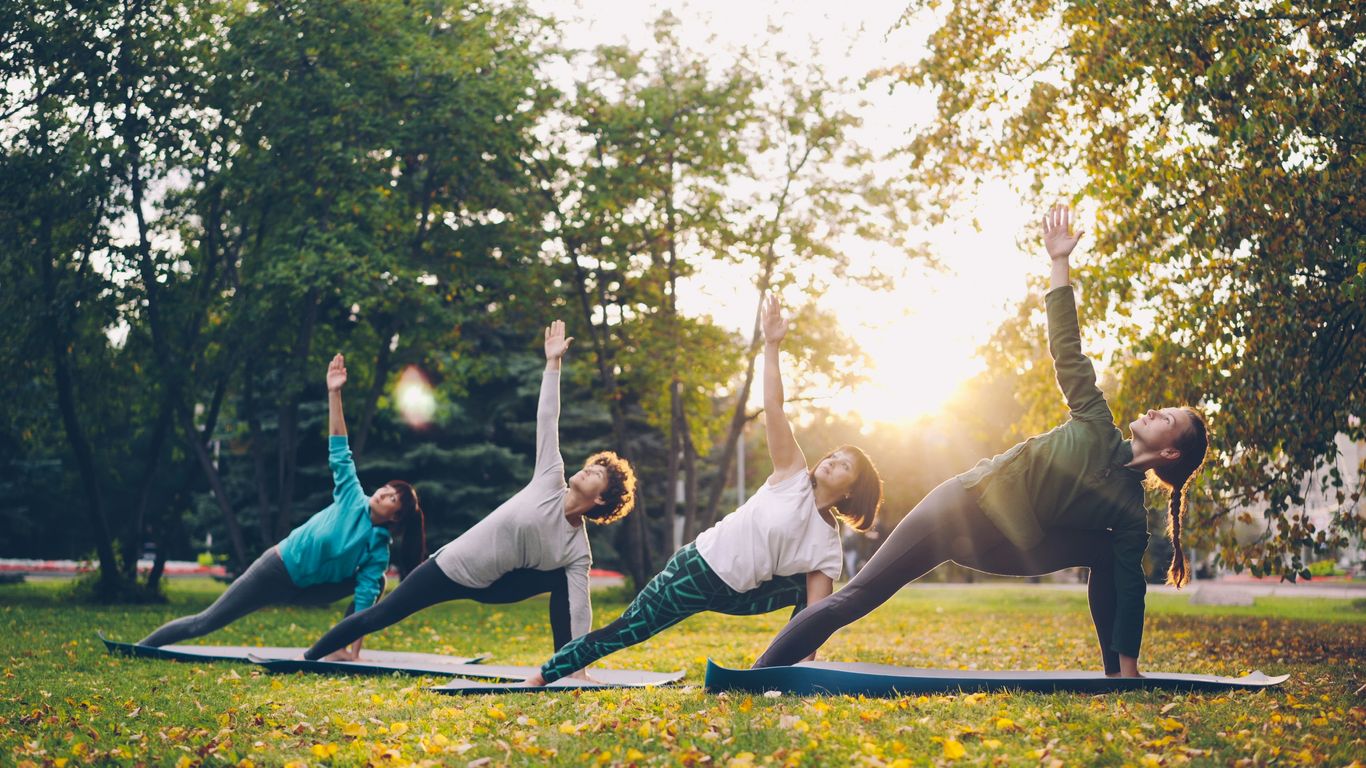
Getting into yoga for the first time can feel like a lot, but really, it boils down to a few key things. It's not just about bending yourself into a pretzel; it's about how you move and how you breathe. These are the building blocks that make your practice work for you.
Proper Breathing Techniques for Mindful Movement
Breathing is kind of the secret sauce in yoga. It's how you connect your body and mind, and it helps you get deeper into poses without pushing too hard. When you start, just focus on breathing in through your nose and out through your nose. Try to make your inhales and exhales roughly the same length. It sounds simple, but paying attention to your breath can really change how you feel during and after your practice.
Here’s a quick way to get started with mindful breathing:
- Sit comfortably, either on a cushion or in a chair, with your spine straight.
- Close your eyes gently.
- Place one hand on your belly and the other on your chest.
- Inhale slowly through your nose, feeling your belly rise.
- Exhale slowly through your nose, feeling your belly fall.
- Notice if your chest moves much. Try to keep that movement minimal.
This simple exercise helps calm your nervous system and prepares you for movement. It's a great way to start any yoga session, even if you only have a few minutes. You can find more on breathing exercises to help you relax and prepare for your yoga session ahead here.
Understanding the Mind-Body Connection
Yoga is a practice that really highlights how your mind and body work together. When you're holding a pose, you're not just thinking about how your muscles feel; you're also noticing your thoughts and emotions. This awareness is what yoga is all about. It's about being present in the moment, noticing sensations without judgment. This connection helps you understand your body's limits and strengths better. It's like having a conversation with yourself, where your body tells you what it needs.
The mind-body connection in yoga isn't some mystical concept; it's a practical tool. By focusing on physical sensations, you can learn to observe your mental patterns. This can lead to a greater sense of calm and control in your daily life, extending far beyond the yoga mat.
Finding the Right Yoga Mat for Support
Your yoga mat is your personal space on the floor, and having a good one makes a big difference. You want something that gives you enough cushioning so your knees and wrists don't hurt, especially when you're doing poses that put pressure on them. It also needs to have a surface that isn't slippery. Nobody wants to slide around during a pose! There are lots of options out there, from thicker mats for more comfort to thinner ones for better stability. Think about what feels best for your body and your practice. A good mat can make poses like Mountain Pose feel much more stable and comfortable.
| Mat Feature | Importance for Beginners |
|---|---|
| Cushioning | Protects joints (knees, wrists, hips) from hard floors |
| Grip | Prevents slipping, increasing safety and confidence |
| Thickness | Thicker mats offer more comfort; thinner mats offer more stability |
| Material | Affects grip, durability, and eco-friendliness |
| Size | Ensure it's long and wide enough for your poses |
Beginner-Friendly Poses for Full Body Yoga
Getting started with yoga doesn't mean you need to be able to twist yourself into a pretzel. The real magic for beginners lies in poses that are accessible, safe, and build a solid foundation. We're talking about movements that gently wake up your body, get your blood flowing, and help you connect with your breath. Think of these as your yoga building blocks.
Gentle Stretches and Restorative Poses
These poses are all about easing into movement and finding a sense of calm. They're perfect for when you're feeling a bit stiff or just need a moment to unwind. The goal here is relaxation and gentle opening, not pushing your limits.
- Child's Pose (Balasana): This is your go-to for a quick reset. Kneel on the floor, bring your big toes to touch, and widen your knees. Fold your torso forward, resting your forehead on the mat and extending your arms in front of you or alongside your body. It's like a gentle hug for your back and hips.
- Cat-Cow Stretch (Marjaryasana-Bitilasana): Get on your hands and knees, aligning your wrists under your shoulders and knees under your hips. As you inhale, drop your belly, lift your chest and tailbone (Cow). As you exhale, round your spine, tuck your chin to your chest, and draw your navel in (Cat). This flow is fantastic for spinal mobility.
- Legs-Up-the-Wall Pose (Viparita Karani): Find a wall and lie down, swinging your legs up to rest against it. Scoot your hips close to the wall. This simple inversion is incredibly calming and helps with circulation.
These restorative poses are like a gentle invitation to your body to relax and release tension. They help prepare you for deeper movement and promote a sense of peace.
Poses to Build Foundational Strength
Once you're comfortable with some gentle movement, it's time to introduce poses that start building a bit of strength. This isn't about heavy lifting; it's about engaging your muscles in a way that supports your body and improves posture. You'll find these poses help you feel more stable and grounded.
- Mountain Pose (Tadasana): Stand tall with your feet hip-width apart or together. Ground down through your feet, engage your leg muscles, lengthen your spine, and let your arms rest by your sides. It sounds simple, but it's the basis for so many other standing poses and really helps with body awareness. You can find more on basic yoga poses.
- Plank Pose (Phalakasana): Start on your hands and knees, then extend your legs back, coming onto the balls of your feet. Your body should form a straight line from your head to your heels. Engage your core to prevent your hips from sagging. Hold for a few breaths, focusing on keeping your body strong and steady.
- Warrior II (Virabhadrasana II): Step your feet wide apart, turning one foot out and the other slightly in. Bend the front knee over your ankle, keeping your thigh parallel to the floor. Extend your arms out to the sides, parallel to the floor, gazing over your front fingertips. This pose builds strength in your legs and opens your hips.
Poses to Enhance Flexibility
Flexibility isn't just about touching your toes; it's about increasing your body's range of motion and reducing stiffness. These poses help gently lengthen your muscles and connective tissues, making everyday movements feel easier.
- Downward Facing Dog (Adho Mukha Svanasana): From hands and knees, tuck your toes, lift your hips up and back, forming an inverted V-shape. Let your head hang heavy between your arms. You can keep a slight bend in your knees if your hamstrings feel tight. This pose is a fantastic full-body stretch, especially for the back of your legs and your spine. It's a great pose to explore as you start your yoga practice.
- Low Lunge (Anjaneyasana): From Downward Facing Dog or hands and knees, step one foot forward between your hands. Lower your back knee to the mat. Keep your front knee stacked over your ankle. You can keep your hands on the floor, on your front thigh, or reach them overhead. This pose is excellent for stretching the hip flexors.
- Seated Forward Fold (Paschimottanasana): Sit on the floor with your legs extended in front of you. Inhale and lengthen your spine, then exhale and hinge forward from your hips, reaching towards your feet. It's okay if you don't touch your toes; focus on the stretch in your hamstrings and lower back. Use a strap around your feet if needed.
Cultivating Strength and Flexibility Through Yoga
It might seem like flexibility and strength are opposites, right? One feels soft and yielding, the other firm and engaged. But in yoga, they actually work together really well. A good yoga practice helps you get more flexible by gently stretching your muscles, and at the same time, it builds strength and awareness as your muscles work together. Over time, you get more flexible, but you also build up that inner grit to push yourself a little further than you thought you could.
The Fusion of Flexibility and Strength
Yoga really finds that sweet spot between pushing yourself and taking it easy. Flexibility lets you move more freely, while strength gives you the stability to hold poses. When these two work together, your body becomes both bendy and strong, able to hold positions with control. It’s a practice that can truly last a lifetime. Here’s how you can think about building both:
- Static Stretching: Holding poses for a bit longer gently stretches your muscles and connective tissues, slowly increasing how far you can move.
- Dynamic Movements: Flowing from one pose to another, like in a Vinyasa style, uses movement to stretch and strengthen your body all at once.
- Balanced Approach: Different poses work different muscles, so you get a well-rounded workout. Try mixing active poses, like standing ones, with more relaxed seated or lying-down poses.
Yoga isn't just about how far you can bend or how much weight you can lift. It's about learning to be present with your body, understanding its limits, and gently encouraging it to grow. This awareness off the mat helps you stand firm in your beliefs and stay open to life's changes.
Static Stretching for Increased Range of Motion
When you hold a yoga pose for a longer period, you're giving your muscles, tendons, and ligaments a chance to lengthen. This gradual stretching helps to increase your overall range of motion over time. Think of it like slowly easing into a stretch rather than forcing it. This careful approach is key to making real progress without risking injury. For a great beginner routine that focuses on this, check out this 15-minute beginner yoga routine.
Dynamic Movements for a Supple Body
Dynamic movements in yoga involve flowing from one pose to another. This kind of movement is great for warming up your body and making it more supple. Instead of just holding a stretch, you're actively moving through a range of motion. This helps to build strength while also improving flexibility. It’s a more active way to prepare your body for deeper poses and can make your practice feel more fluid and connected. This playful approach to strength and flexibility can be really rewarding.
Here’s a quick look at some poses that help build both:
| Pose | Focus Area | Benefit |
|---|---|---|
| Plank | Core, Arms, Legs | Stability, overall strength |
| Warrior II | Legs, Hips | Leg strength, hip opening |
| Forward Fold | Hamstrings, Back | Gentle stretch, relaxation |
| Bridge Pose | Chest, Back, Hips | Chest opening, back strengthening |
Remember, consistency is more important than intensity. Even a short practice done regularly will yield better results than occasional long sessions. Be patient with yourself; your body is always learning.
Deepening Your Full Body Yoga for Beginners Journey
Taking Your Practice Further with New Poses
So, you've gotten comfortable with the basics and feel ready to explore a bit more. That's fantastic! Moving beyond the foundational poses is a natural next step. Think of it like learning a new skill; once you've got the hang of the fundamentals, you start adding more complex techniques. For yoga, this means looking into poses that might challenge your balance a little more or require a deeper stretch. For instance, you might try sequences that focus on improving your stability, like those that transition between poses such as Mountain Pose and Tree Pose. This approach helps build better stability through a flowing practice. Don't feel pressured to jump into anything too difficult right away. The goal is gradual progress, not perfection. Exploring new poses is about expanding your body's awareness and capabilities safely.
Maintaining Consistency for Progress
Consistency is really the secret sauce when it comes to yoga, or honestly, most things you want to get better at. Even if you can only spare 15-20 minutes a day, making that a regular part of your routine will make a bigger difference than one long session a week. It's about building a habit. Think about it: a little bit of practice every day helps your body and mind adapt more smoothly. It's not a race to see how many advanced poses you can do; it's about showing up for yourself regularly. This steady effort is what truly cultivates strength and flexibility over time. Remember, yoga is a journey, not a destination, and showing up consistently is how you travel it.
Restorative Poses for Rejuvenation
While building strength and trying new poses is exciting, it's equally important to know when to slow down and allow your body to recover. Restorative poses are like a gentle hug for your muscles and nervous system. They aren't about pushing your limits but about finding deep relaxation and promoting healing. Poses like Child's Pose are perfect for this. They help calm the mind, release tension in the back and hips, and give your body a chance to simply be. Incorporating these into your routine, especially after a more active practice or on days when you feel tired, is key to preventing burnout and maintaining a balanced approach to your yoga journey. It’s about honoring where your body is each day.
Yoga is a practice that encourages you to be present with yourself. It's about noticing how your body feels, how your breath moves, and what your mind is thinking, without judgment. This mindful awareness, cultivated on the mat, can spill over into your everyday life, helping you approach challenges with more calm and clarity.
Here's a look at how different poses can contribute to your journey:
- Strength Building: Poses like Plank and Warrior II engage multiple muscle groups, helping to develop lean muscle mass and improve posture. They challenge your body and push you to new limits.
- Flexibility Improvement: Poses such as Forward Fold and Bridge Pose gently stretch muscles and increase your range of motion, which can lead to better athletic performance and reduced risk of injury.
- Balance and Focus: Poses like Tree Pose help improve your stability and concentration, strengthening your core and hips in the process. This is a great way to work on your balance.
As you continue to explore, remember that a comprehensive approach to yoga can guide you from beginner stages to more advanced levels, offering a roadmap for deepening your practice.
Wrapping Up Your Yoga Journey
So, that's pretty much it for getting started with some gentle yoga. Remember, the most important thing is just to get on your mat, even if it's just for a few minutes. Don't worry too much about doing everything perfectly right away. Your body will thank you for the movement, and your mind will appreciate the quiet time. Keep showing up for yourself, and you'll start to notice the difference. It’s a marathon, not a sprint, so be kind to yourself along the way.
Frequently Asked Questions
How often should a beginner practice yoga?
It's best to start small! Aim for 2-3 times a week, even if it's just for 15-20 minutes. The most important thing is to be consistent and listen to your body. Gradually, you can increase the time and frequency as you feel more comfortable.
What if I can't do all the poses perfectly?
Don't worry! Yoga is not about perfection, it's about progress. Everyone starts somewhere. Use modifications, props like pillows or blocks, and focus on how the pose feels in your body. The goal is to feel better, not to be flawless.
Do I need special clothes or equipment to start?
Not really! Comfortable clothes that let you move freely are all you need. A yoga mat is helpful for cushioning and grip, but you can even start on a carpeted floor or a towel. As you continue, you might want to invest in a good mat.
What's the most important thing to focus on when I'm starting?
Your breath! Paying attention to your breathing helps calm your mind and connect your body and mind. Try to breathe deeply through your nose during poses. It makes the poses more effective and relaxing.
How can I make sure I'm doing the poses safely?
Always listen to your body. If something feels painful, ease out of the pose. It's also a good idea to watch videos or attend a beginner class to see how poses are done correctly. Gentle movements are key.
What are the main benefits of yoga for beginners?
Yoga helps you become more flexible and build strength gently. It also calms your mind, reduces stress, and helps you feel more connected to yourself. It's a great way to improve your overall well-being.

