

Unlocking Success: The Crucial Importance of Yoga for Students
When I was a student, I remember hearing about yoga but never really thought it was for me. I always pictured it as something only super-flexible people did in fancy studios. But the more I talked to friends and read about it, the more I realized that yoga isn’t just about bending your body into weird shapes. It’s actually a pretty simple way to feel better, both physically and mentally. In today’s busy school life, where stress and pressure seem to pile up, the importance of yoga for students is something people are starting to talk about a lot more. Turns out, it can actually help with focus, stress, and even those long hours hunched over a desk.
Key Takeaways
- Yoga helps students manage stress and stay calm during busy school days.
- Regular practice can improve flexibility, posture, and overall physical health.
- Yoga routines support better concentration and memory, which can help with studying.
- Simple poses and breathing exercises fit easily into a student’s daily schedule.
- Schools and parents can encourage yoga as a way to build healthy, lifelong habits.
Understanding Yoga's Role in Student Life
What Yoga Entails for Students
Yoga, for students, isn't just about fancy poses you see online. It's a practice that brings together the body and mind. Think of it as a toolkit for handling the daily grind of school. It involves simple physical movements, specific ways of breathing, and a bit of quiet time for your thoughts. For students, this means finding ways to feel more centered when things get hectic. It's about learning to connect with yourself, even when you're juggling classes, homework, and maybe a part-time job. This practice offers a much-needed pause in a world that often feels like it's moving too fast. It’s a way to build a stronger connection between what you’re doing and how you’re feeling, which is pretty important when you’re trying to learn and grow.
The Grounding Force of Yoga
Life as a student can feel like a constant whirlwind. Between lectures, assignments, social life, and just figuring things out, it's easy to feel scattered. Yoga acts like an anchor in this storm. It gives you a way to come back to yourself, to find a sense of calm amidst the chaos. By focusing on your breath and the physical sensations in your body, you learn to quiet the mental chatter that often distracts you. This practice helps you stay present, which is a big deal when you're trying to concentrate on your studies or deal with everyday pressures. It's about developing a steady inner core that helps you handle whatever comes your way. You can find some great introductory breathing exercises that really help with reducing anxiety.
Lifelong Habits Through Practice
Starting yoga as a student isn't just about getting through the next exam or assignment. It's about planting seeds for a healthier future. The habits you build now – like taking a few minutes to breathe deeply or stretch your body – can stick with you long after you've graduated. These aren't just fleeting trends; they're practical skills for managing stress, staying physically active, and maintaining a clear mind throughout your life. Think of it as building a personal foundation for well-being that you can rely on, no matter what challenges or opportunities come your way. It’s about learning to take care of yourself in a way that supports you not just now, but for years to come. Many schools are now recognizing this, incorporating mindfulness into their programs.
Physical Well-being Through Yoga for Students
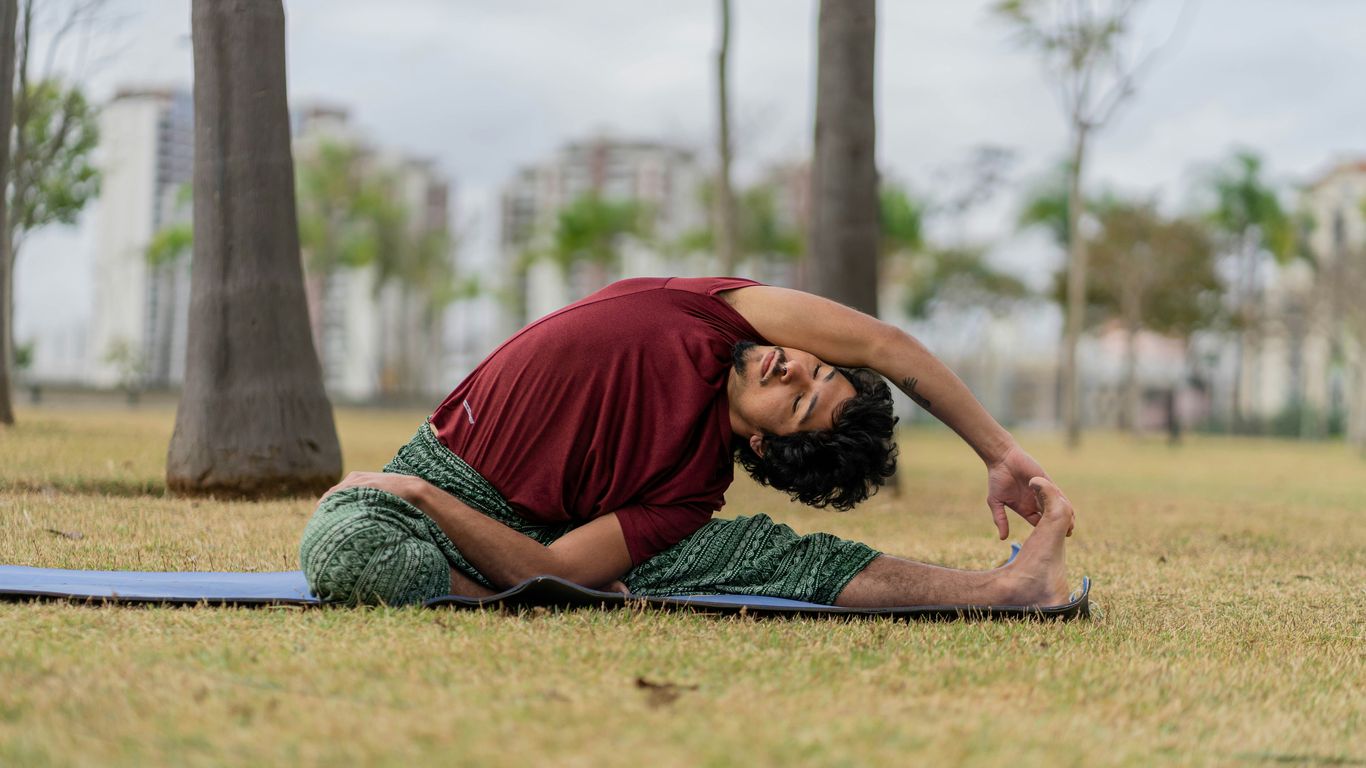
Being a student these days can really take a toll on your body. All those hours hunched over books or staring at a screen add up, right? Yoga offers a way to counteract some of that physical strain. It's not just about touching your toes; it's about building a stronger, more resilient body that can keep up with the demands of academic life.
Enhanced Flexibility and Strength
Think about it: sitting for long periods can make you feel stiff and achy. Yoga poses, or asanas, gently stretch your muscles and increase your range of motion. This isn't just about feeling more limber; it helps prevent the kind of stiffness that can lead to discomfort and even injury. Plus, many poses require you to support your own body weight, which is a fantastic way to build functional strength, especially in your core. This core strength is super important for everything from sitting up straight to carrying heavy backpacks.
Improved Posture and Spinal Health
Poor posture is a common complaint among students, and it can lead to back pain and other issues down the line. Yoga emphasizes proper alignment. Poses like the Cat-Cow stretch and Cobra pose work to open up the chest and strengthen the muscles along your spine. By regularly practicing these movements, you can start to correct slouching habits and promote a healthier, more aligned spine. This can make a big difference in how you feel day-to-day and help avoid long-term problems. It's like giving your spine a much-needed tune-up.
Increased Energy and Immunity Boost
It might seem counterintuitive, but expending energy through yoga can actually leave you feeling more energized. The combination of movement, deep breathing, and improved circulation helps deliver more oxygen throughout your body. This can combat that sluggish feeling you get during long study sessions. Some yoga practices also focus on stimulating lymphatic drainage, which plays a role in your immune system. A stronger immune system means fewer sick days, which is definitely a win when you've got a packed schedule. You can find some great beginner routines online to get started.
Taking care of your physical self through yoga isn't just about avoiding pain; it's about creating a body that supports your mind and your studies. When you feel good physically, you're better equipped to handle the mental challenges of student life.
Mental and Emotional Resilience with Yoga

School can be a real pressure cooker, right? Between classes, homework, and just trying to figure out who you are, it's easy to feel overwhelmed. That's where yoga really shines. It's not just about bending into weird shapes; it's about learning to handle all that mental and emotional stuff that comes with being a student. Yoga gives you tools to stay calm when things get hectic.
Effective Stress and Anxiety Reduction
Let's be real, stress is practically a student's middle name. Yoga helps dial that down. Through specific breathing techniques, like alternate nostril breathing, you can actually calm your nervous system. It's like hitting a reset button for your brain. This practice can really help when you're staring down a big exam or feeling swamped with assignments. It's a way to find a little peace in the chaos, and it's something you can do anywhere, anytime.
Sharpening Concentration and Focus
Ever feel like your brain is just scattered everywhere? Yoga can help pull it back together. The focus required for holding poses and paying attention to your breath trains your mind to stay present. This improved concentration isn't just for the yoga mat; it spills over into your studies. You might find yourself able to focus on a textbook for longer or pay closer attention in class. It's about training your attention span, which is a superpower in today's world.
Cultivating Emotional Regulation
Teenage years are a rollercoaster of emotions. Yoga teaches you to notice what you're feeling without immediately reacting. By observing your breath and body sensations, you start to understand your emotional patterns. This awareness helps you respond to situations more thoughtfully instead of just lashing out or shutting down. It's about building a healthier relationship with your own feelings, which is a huge part of growing up.
Promoting Restorative Sleep
Sleep is so important, but often the first thing to go when you're stressed or busy. Certain yoga practices, especially the gentler, restorative kind, are fantastic for winding down before bed. They help release physical tension and quiet the mental chatter that keeps you awake. Getting good sleep means you're more alert, have a better mood, and can actually learn more effectively. It's a simple yet powerful way to support your overall well-being and academic performance. You can find some great yoga routines for sleep online.
Yoga offers a practical way to manage the intense pressures students face. It's not about eliminating challenges, but about building the inner strength to face them with more composure and clarity. This practice equips students with coping mechanisms that serve them well beyond their school years.
Yoga's Impact on Academic Achievement
Boosting Memory and Cognitive Function
It might seem like a stretch, but yoga can actually help you remember more and think clearer. When you practice yoga, especially the breathing exercises, you get more oxygen flowing to your brain. This isn't just a small thing; it makes a real difference in how well your brain works. Think of it like giving your brain a supercharge. Studies have shown that students who practice yoga tend to have better memory recall and can focus for longer periods. This means less cramming and more effective studying. It's a pretty neat way to get ahead in your classes without feeling totally drained. The connection between a calm mind and better learning is undeniable, and yoga really helps build that calm.
Enhancing Problem-Solving Abilities
Ever feel stuck on a tough problem, whether it's in math or just life in general? Yoga can help with that too. By teaching you to stay present and observe without immediate judgment, yoga trains your mind to approach challenges from different angles. Instead of getting flustered, you learn to pause, breathe, and look at the situation with a clearer head. This ability to step back and analyze is super useful when you're trying to figure out a complex equation or even just manage your time better. It's about developing a mental flexibility that lets you tackle obstacles more creatively. You start to see solutions where you might have only seen roadblocks before.
Developing Discipline and Time Management
Let's be real, sticking to a routine can be tough, especially with all the distractions students face. Yoga, however, is a practice that requires consistency. Showing up on your mat, even when you don't feel like it, builds a quiet kind of discipline. You learn to set a goal – like practicing for 15 minutes each day – and then follow through. This habit of self-discipline spills over into other areas of your life. Suddenly, managing your study schedule or making time for homework feels more manageable. It's not about being perfect, but about showing up for yourself regularly. This consistent effort is a big part of what helps students succeed academically and beyond. It's a skill that pays off long after you've finished school.
The practice of yoga encourages a student to be present, observe their thoughts without judgment, and approach challenges with a calmer demeanor. This mindful approach translates directly into improved academic performance by reducing distractions and fostering a more focused learning environment.
Here's a quick look at how yoga can influence your academic life:
- Improved Focus: Breathing exercises and mindful movement help train your attention span.
- Reduced Test Anxiety: Learning to manage stress through yoga can lead to better performance during exams.
- Better Information Retention: A calmer, more oxygenated brain is better equipped to store and recall information.
- Increased Motivation: Feeling physically and mentally balanced can boost your drive to tackle academic tasks.
It's amazing how something as simple as a regular yoga practice can have such a wide-reaching effect on your ability to learn and succeed in school. It's not just about the physical poses; it's about training your mind to be a more effective tool for learning. You can find some great beginner routines online to get started with yoga for students.
| Area of Improvement | Yoga's Contribution |
|---|---|
| Memory | Increased oxygen flow to the brain |
| Concentration | Calming the nervous system, present moment awareness |
| Problem-Solving | Developing mental flexibility and reduced impulsivity |
| Discipline | Building consistency and commitment to practice |
| Stress Management | Lowering cortisol levels, promoting relaxation |
This structured approach to well-being directly supports academic goals, showing that yoga can positively impact grades.
Integrating Yoga into a Student's Routine
So, you're a student, and life feels like a constant juggling act between classes, homework, social stuff, and maybe even a part-time job. It's easy to feel overwhelmed, right? That's where yoga can really step in, not as another thing to stress about, but as a way to make everything else feel a little more manageable. The trick is to make it fit into your already packed schedule, not the other way around. Even a few minutes a day can make a big difference.
Simple Poses for Daily Practice
You don't need to be a pretzel-bending guru to get started. Think of these as quick resets. A little bit of movement and breathwork can totally change your outlook for the day.
- Child's Pose (Balasana): Great for when you need a moment to just breathe and let go of tension in your back and shoulders. Just fold forward and rest.
- Cat-Cow Pose (Marjaryasana-Bitilasana): This is a gentle flow that feels amazing for your spine. It's like a mini-massage for your back, helping to loosen things up after sitting for ages.
- Tree Pose (Vrikshasana): If you need to feel more grounded and focused, this pose is your friend. It helps with balance, which can translate to better focus during study sessions.
- Downward-Facing Dog (Adho Mukha Svanasana): This one gets your blood flowing and can give you a little energy boost when you're feeling sluggish. Plus, it stretches out your whole body.
Remember, consistency is more important than intensity. A short, regular practice is far more beneficial than a long, infrequent one. It's about building a habit that supports you.
Parental Support for Yoga Adoption
If you're a parent looking to encourage your student, think about making it a shared activity. It's not just about telling them to do yoga; it's about showing them it's a positive part of life. Maybe try a family yoga session on a weekend. Providing a comfortable mat and some simple instructions can go a long way. Setting small, achievable goals, like five minutes each morning, is better than pushing for an hour-long session they might dread. You can also help by tying it into existing routines, like a quick stretch after homework is done. This kind of support can really help students adopt healthy habits.
Yoga Strategies for Exam Periods
Exam time is notoriously stressful. Yoga can be a lifesaver here. Instead of just powering through with caffeine, try incorporating some calming techniques. Breathing exercises, like alternate nostril breathing (Nadi Shodhana), can really help dial down anxiety. Even just a few minutes of mindfulness meditation can help you stay present and focused during study sessions, rather than getting lost in worry. Short, energizing flows can be perfect for study breaks, giving you a mental and physical refresh. It's about finding ways to manage the pressure without letting it consume you. Many yoga teachers emphasize these practical applications for students facing academic challenges.
The Broader Influence of Yoga in Education
Schools Fostering Mindfulness
It's really cool to see how schools are starting to get on board with yoga. They're not just seeing it as another gym class, but as something that can genuinely help kids focus and feel better. Programs are popping up that teach students how to be more present, which is a big deal when you're trying to learn algebra or history. This isn't just about doing fancy poses; it's about giving students tools to handle stress and stay calm, even when things get tough. It creates a more supportive vibe in the classroom, you know?
Long-Term Benefits Beyond Academics
Think about it: the stuff you learn in yoga sticks with you. It's not just about acing a test next week. Practicing yoga from a young age helps build resilience, which is super important for dealing with whatever life throws at you later on. It's about developing habits of taking care of yourself, both physically and mentally, that can last a lifetime. This kind of self-care is something we could all use more of, and starting early makes a huge difference. It's about building a solid foundation for overall well-being that goes way beyond just grades. The Kripalu Yoga in Schools program, for example, really focuses on these deeper life skills.
Building Supportive Student Communities
When schools bring yoga into the mix, it can actually help students connect with each other in new ways. It creates a shared experience that's all about personal growth and mutual respect. Instead of just competing, students can learn to support one another. This kind of environment can make a big difference in how students feel about school and their peers. It's about building a sense of belonging and encouraging everyone to do their best, not just academically, but as people. This focus on attention and presence can also be seen in how yoga impacts cognitive functions, like improving various aspects of attention.
Yoga in schools is more than just a trend; it's a way to equip students with practical skills for managing their inner world. It helps them become more aware of their thoughts and feelings, leading to better decision-making and a more positive outlook on life. This mindful approach benefits everyone involved.
Here's a quick look at how yoga can positively impact students:
- Stress Management: Helps lower cortisol levels, leading to a calmer state.
- Improved Focus: Breathing techniques can increase oxygen to the brain, aiding concentration.
- Emotional Balance: Teaches students to observe and manage their feelings without immediate reaction.
- Physical Health: Increases flexibility and strength, counteracting long hours of sitting.
- Self-Awareness: Encourages introspection and a better understanding of one's own body and mind.
Wrapping It Up
So, really, yoga is way more than just some trendy workout. It's a solid way for students to find a better balance in their lives, whether that's with schoolwork, their bodies, or just their general mood. When you think about it, being able to focus better, feel less stressed out, and just generally feel healthier physically – those are pretty big deals. For any student, or even parents looking out for them, trying out yoga could be a really smart move to help them do their best. It gives you the tools to handle things better in today's busy world.
Frequently Asked Questions
What exactly is yoga, and why should students care about it?
Yoga is an ancient practice that combines doing different body poses, focusing on your breath, and sometimes quiet thinking. Think of it as a way to help your body and mind work together smoothly. For students, who often have a lot on their plates with school, homework, and other activities, yoga can be a great way to feel more calm and focused. It’s like a little break that helps you handle stress better and stay on track with your studies.
How can yoga help me with my schoolwork?
Yoga can actually give your brain a boost! By helping you relax and focus, it can make it easier to remember things and pay attention in class. Some yoga moves and breathing exercises can help your brain work better, which might mean you can solve problems more easily and even get better grades. Plus, learning to be disciplined with yoga can help you manage your time better for studying.
I'm always stressed about tests. Can yoga really help with that?
Absolutely! Yoga is fantastic for reducing stress and feeling less worried. When you do yoga, it helps your body relax and lowers the amount of stress hormones, like cortisol. This means you can feel calmer, especially when exams are coming up. Taking a few minutes to do some simple yoga poses or breathing exercises can make a big difference in how you feel before a test.
I'm not very flexible. Can I still do yoga?
Definitely! Yoga isn't about being super flexible right away. It's about moving your body in ways that feel good and help you get stronger and more flexible over time. Even simple stretches can help ease stiffness from sitting at a desk and improve your posture. The goal is to feel better in your own body, not to do a fancy pose perfectly.
How much time do I need to practice yoga to see benefits?
You don't need to spend hours on the mat! Even 10-15 minutes of yoga each day can make a difference. You can do a few simple poses in the morning to wake up your body, or some calming stretches before bed to help you sleep better. Consistency is more important than long sessions, so find a short routine that fits into your day.
What if my parents don't know much about yoga or think it's weird?
It's understandable to feel that way, but you can help them see the benefits! Maybe you could show them a short, simple yoga video together, or explain how it helps you feel calmer and more focused. If you have a school program or a friend who does yoga, that can also show them it's a normal and helpful activity. Sometimes, just trying it out and sharing how good it makes you feel is the best way to get support.

