
Discover the Asanas of Yoga: A Comprehensive Guide with Names and Benefits
So, you're looking to get a better handle on yoga? It's more than just stretching and holding weird shapes, you know. A big part of it, and maybe something people don't think about much, is the names of the poses themselves. They're not just random words; they actually tell you a lot about what you're supposed to be doing and feeling. Learning these names, especially the Sanskrit ones, can really change how you approach your practice. It's like getting a little cheat sheet for each yoga posture with names, helping you connect with the pose on a deeper level. Let's dive into how these names can guide you.
Key Takeaways
- Understanding the names of yoga postures, often from Sanskrit, helps you grasp the pose's intention and benefits.
- Many pose names describe their shape, like 'Mountain Pose' (Tadasana) for its upright stance or 'Tree Pose' (Vrksasana) for its balanced form.
- Learning the meaning behind a yoga posture with names can deepen your connection to the practice beyond just the physical movement.
- Categories of poses like standing, forward bends, and backbends often have names that reflect their nature or action.
- Recognizing the significance of pose names, as emphasized by teachers like Iyengar, makes your yoga journey more informed and rewarding.
Understanding The Significance Of Yoga Asana Names
The Deeper Meaning Behind Sanskrit Asana Names
So, you're looking to get a better handle on yoga? It's more than just stretching and holding weird shapes, you know. A big part of it, and maybe something people don't think about much, is the names of the poses themselves. They're not just random words; they actually tell you a lot about what you're supposed to be doing and feeling. Learning these names, especially the Sanskrit ones, can really change how you approach your practice. It's like getting a little cheat sheet for each yoga posture with names, helping you connect with the pose on a deeper level. Many of these names describe the shape of the pose, an animal it resembles, or even a story from ancient Indian culture. Understanding these naming patterns is like getting a secret key to the practice itself. It connects you to the history and the people who developed yoga centuries ago. It’s a way to appreciate the depth and tradition behind each movement. For example, "Vrksasana" translates to "Tree Pose," which immediately brings to mind the image of a tree, stable and reaching upwards. This connection helps you embody the pose more fully. Learning these names can really deepen your practice, giving you a better sense of what each pose is about. This is a great way to start understanding yoga asanas.
Names As A Roadmap To Physical And Mental Benefits
Think of the Sanskrit names as little hints about what each pose is supposed to do for you. When you hear "Vrksasana," which means "Tree Pose," you immediately get a sense of standing tall and feeling steady, right? Or "Paschimottanasana," the "Seated Forward Bend," tells you exactly where the main stretch is happening – the entire back of your body. This isn't just about memorizing words; it's about using those words to guide your body and mind. Knowing the name can help you focus on the right areas, breathe into the correct spots, and really feel the intended benefits, whether it's building strength, finding balance, or releasing tension. It’s like the name itself is coaching you through the pose. The names are like little hints, guiding you toward the physical and mental state the posture aims to cultivate.
Here's a quick look at how names can hint at benefits:
- Tadasana (Mountain Pose): Name suggests grounding, stability, and upright posture.
- Virabhadrasana (Warrior Pose): Name evokes strength, courage, and a powerful stance.
- Bhujangasana (Cobra Pose): Name relates to a snake's arch, indicating a spinal backbend and chest opening.
- Vrksasana (Tree Pose): Name points to balance, rootedness, and upward growth.
Connecting With The Essence Of Each Pose
When you hear a pose name, try to visualize what it might look like or feel like. Does "Warrior Pose" (Virabhadrasana) make you think of strength and power? Does "Child's Pose" (Balasana) suggest rest and comfort? This mental imagery is a direct link to the pose's intention. It helps you move beyond just following instructions to actually feeling the pose. It’s a way to make your practice more personal and intuitive. This connection can make your practice feel more meaningful, moving beyond just a physical workout to something that touches your whole being. It’s a way to connect with the history and philosophy of yoga, too. Understanding the pose's name can really help you get a better sense of how it might help with things like stress and anxiety.
Exploring Foundational Yoga Postures With Names
So, you're starting to get a feel for yoga, huh? It's more than just moving your body around; the names of the poses themselves are like little guides. They're not just random words, especially the Sanskrit ones. They actually tell you a lot about what you're supposed to be doing and how you should feel. Learning these names can really change how you approach your practice, making it feel more connected and purposeful. It's like getting a secret map for each posture.
Tadasana: The Grounding Mountain Pose
Tadasana, or Mountain Pose, is the starting point for so many standing sequences. It looks simple – just standing there – but it's all about finding your center. The name itself, "Mountain Pose," tells you to be stable, rooted, and tall, like a mountain that's been there forever. It's not just about standing straight; it's about feeling that solid connection to the earth through your feet and then extending all the way up through your spine and head. This pose is great for improving posture and building awareness of your body's alignment. It's a really good way to start any yoga practice.
Vrksasana: Cultivating Balance In Tree Pose
Vrksasana, or Tree Pose, is a classic balancing act. When you hear "Tree Pose," you probably picture a tree, right? That's exactly the idea. You want to feel rooted through your standing leg, like the trunk of a tree, while your other leg branches out. Your arms can reach up like branches or rest at your heart. This pose is fantastic for building stability, not just in your legs and core, but also in your mind. It teaches you to find stillness even when you're a bit wobbly. It's a great way to work on your balance and mobility.
Utthita Trikonasana: Embracing Openness In Triangle Pose
Utthita Trikonasana, or Extended Triangle Pose, is all about opening up. "Utthita" means extended, and "Trikonasana" refers to the triangle shape your body makes. In this pose, you stand with your feet wide apart, then reach one arm down and the other up, creating two long lines of energy. It's a wonderful stretch for your hamstrings, hips, and spine, and it really opens up your chest and shoulders. The name guides you to feel that sense of expansion and space. It's a pose that helps you feel more open and less restricted.
The names of yoga poses are more than just labels; they are invitations. They offer a glimpse into the pose's intention, its physical form, and the feeling it aims to cultivate. Understanding these names can transform your practice from a series of movements into a meaningful exploration.
Warrior Poses: Virabhadrasana's Strength And Courage
The Warrior poses, known collectively as Virabhadrasana, are a cornerstone of many yoga practices. They're named after Virabhadra, a fierce warrior from Hindu mythology, and truly embody that spirit of strength, courage, and unwavering resolve. These aren't just poses you hold; they're postures you inhabit, feeling the power build from your feet all the way up. They teach us to stand tall, even when facing challenges, and to find stability in our own bodies.
Warrior I: Forward Momentum And Grounded Power
Warrior I, or Virabhadrasana I, is all about setting a strong foundation and directing energy forward. You'll step one foot back, keeping the back leg straight and the front knee bent directly over the ankle. Your hips and chest turn forward, and your arms reach straight up towards the sky. This pose is a powerful way to build heat and cultivate a sense of determined forward movement. It's a great way to feel grounded and ready to take on whatever comes your way. You can find more details on Virabhadrasana I.
Warrior II: Balance And Unwavering Presence
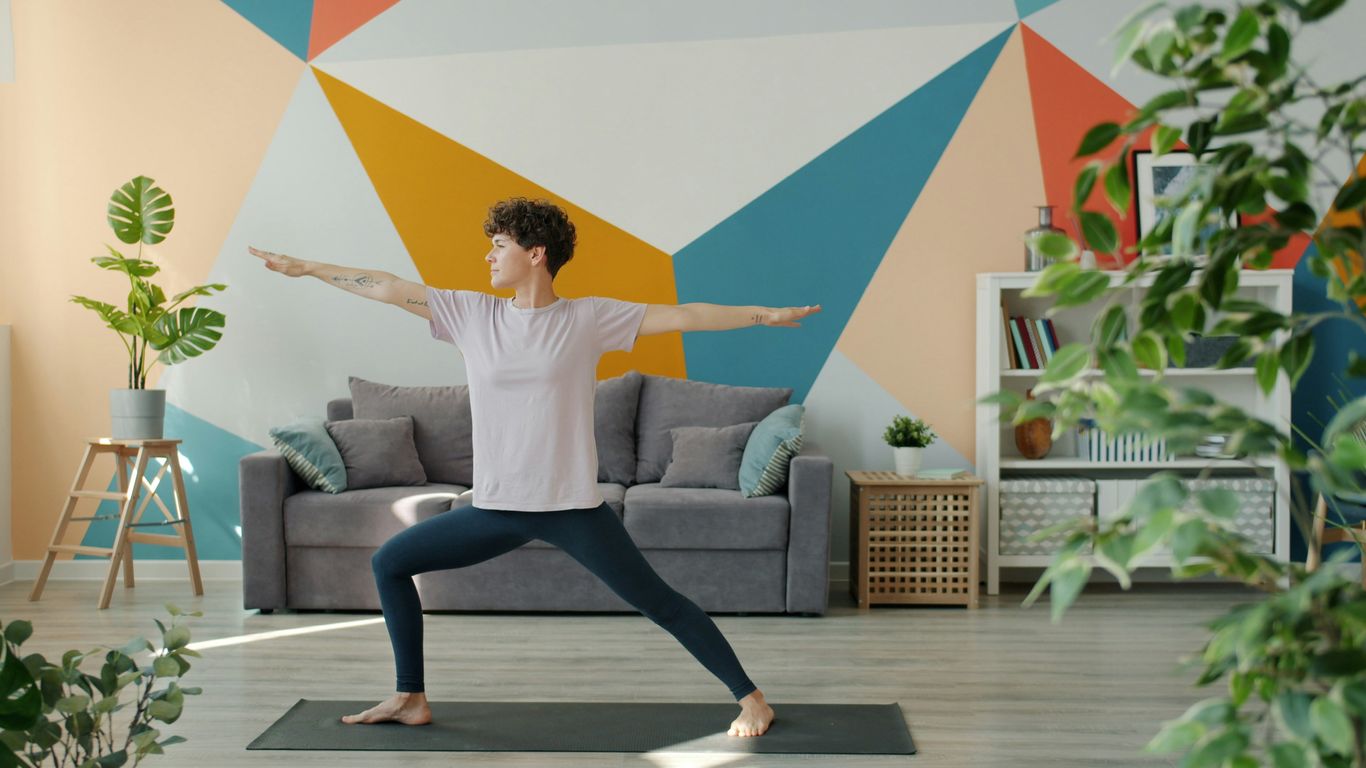
Moving into Warrior II (Virabhadrasana II) shifts the focus to stability and openness. Here, your hips and torso rotate to the side, creating a wide, strong stance. The front knee is still bent, but your gaze extends over your front fingertips. This pose teaches you to be present, balanced, and aware of your surroundings. It’s about maintaining your center while being fully open to the world around you. It’s a pose that really helps you feel rooted and steady.
Warrior III: Testing Focus And Core Strength
Warrior III, or Virabhadrasana III, is where things get really interesting for balance and concentration. This challenging pose involves lifting one leg straight back while keeping your torso parallel to the floor, forming a 'T' shape. Your arms can extend forward, out to the sides, or stay by your hips. It demands a lot of core strength and focus, really testing your ability to stay steady and centered. It’s a fantastic pose for building confidence and proving to yourself what you’re capable of. The Warrior Pose family offers a spectrum of benefits for strength and balance.
The Warrior sequence is more than just physical exertion; it's a mental training ground. Each variation asks something different of you, pushing your limits in strength, balance, and focus. By holding these poses, you're not just strengthening muscles; you're building resilience and a quiet inner confidence that can carry off the mat.
The Science And Philosophy Of Asana Practice
Asana As A Subtle Energy Manipulation
It's easy to think of yoga poses as just physical exercises, right? Like stretching or getting stronger. But there's a whole lot more going on beneath the surface. Asanas are actually about working with your body's energy in really subtle ways. It's not just about how you look in a pose, but how you feel and what's happening inside. When you practice with awareness, you're not just moving your limbs; you're directing your internal energy. This can change how you feel, think, and even experience life itself. It's like learning to tune an instrument, but the instrument is you.
The Balance Of Sun And Moon In Hatha Yoga
Hatha yoga, which is what most people think of when they hear "yoga," is all about balance. The name itself tells us this: "Ha" means sun, and "Ta" means moon. So, Hatha Yoga is the yoga of balancing these two energies within us – the active, outward-going energy (sun) and the receptive, inward-flowing energy (moon). Think of it like balancing your masculine and feminine sides, or your active and passive tendencies. This balance is key to personal growth and reaching your full potential. Without it, things can feel out of whack. It's the first step in many yoga traditions to bring harmony to your inner world. This practice helps create a chemistry of healthfulness, joyfulness, and blissfulness, and above all, balance. This balance is something modern societies often ignore, and it comes at a cost.
Eighty-Four Asanas For Consciousness Elevation
While there are countless ways to position the body, tradition points to 84 core asanas. Don't get too caught up in the exact number or thinking they're just 84 different shapes. These are seen more as 84 distinct systems or pathways. Mastering even one of these can lead to profound insights. The goal isn't just to get into a difficult pose, but to prepare your body and mind. A healthy body and a steady mind are what you need for deeper practices like meditation. It's about building a body that can support your journey and a mind that's calm and focused. This preparation can lead to positive impacts on well-being.
The idea behind practicing asanas isn't about achieving a certain pose with difficulty. It's about creating a body that is healthy and a mind that is fit for meditation. A regular practice brings strength and balance to the nervous system, preparing you for long periods of quiet sitting without discomfort or restlessness.
Categories Of Asanas And Their Purpose
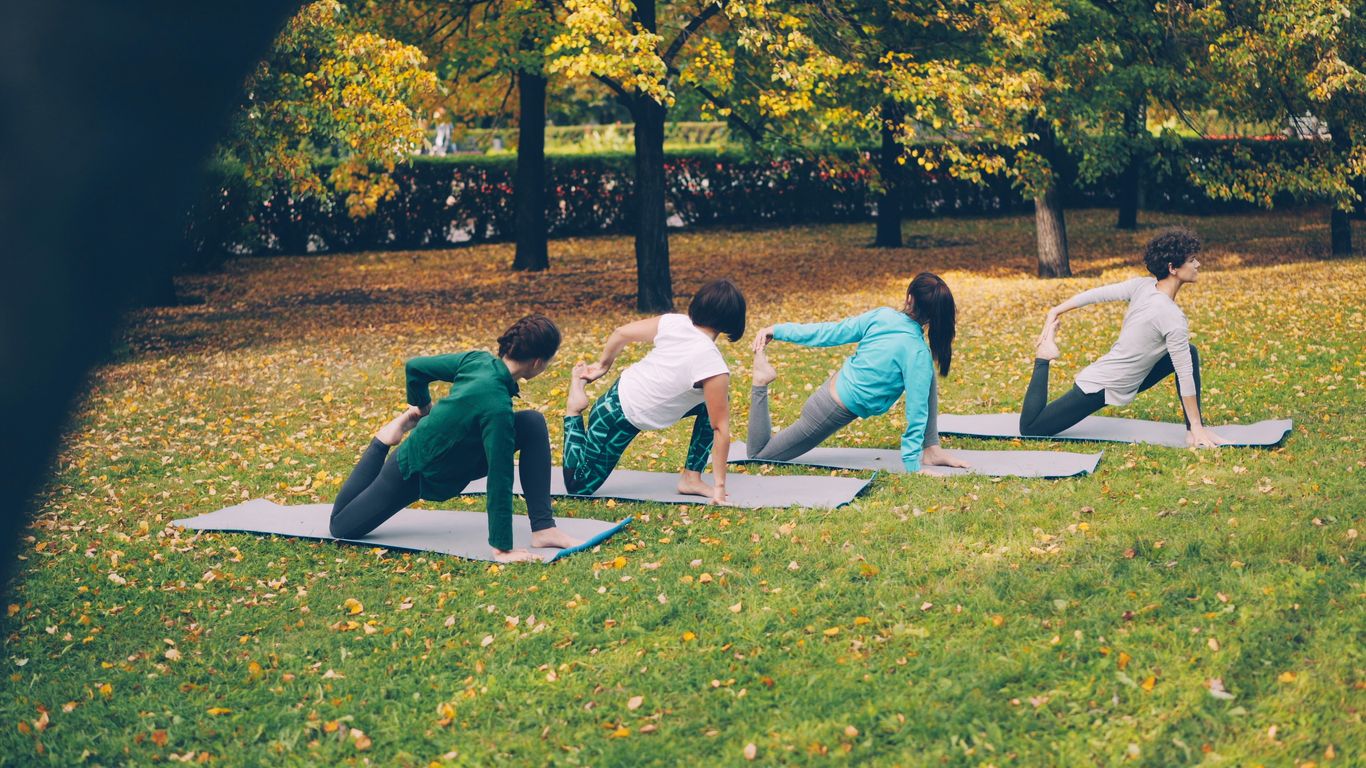
Yoga postures, or asanas, aren't just random stretches; they're thoughtfully grouped based on what they aim to do for us. Think of it like having different tools in a toolbox, each for a specific job. We can broadly sort them into a couple of main types: those that help us sit still and focus, and those that move and stretch our bodies in different ways.
Meditative Asanas For Peace And Stability
These are the poses designed to help you settle in for a good, long meditation. The main goal here isn't about a big physical challenge, but about creating a body that can stay still without fidgeting. You want to be able to hold the pose comfortably, with a straight spine, so your breath can flow easily and your mind can quiet down. It's all about finding that sweet spot where your body feels supported and your mind can drift towards stillness. Many of these poses are quite simple, focusing on an upright posture and a stable base. The idea is to prepare yourself for deeper introspection, not to work up a sweat.
Forward Bends For Spinal Flexibility
Forward bends are fantastic for giving your spine a good stretch. When you fold forward, you're lengthening the back of your body, from your hamstrings all the way up your spine. This can feel really good, especially if you spend a lot of time sitting. These poses help to calm the nervous system and can be quite soothing. They're great for improving flexibility in the back and legs, and many people find they help relieve tension. It's important to remember to keep your spine long as you fold, rather than just rounding your back. This way, you get the most benefit and avoid strain. Some common examples include Paschimottanasana, which is a seated forward bend.
Backward Bends For Spinal Extension
On the flip side, backward bends are all about opening up the front of your body and extending your spine. Think of poses like Cobra or Camel pose. These postures help to counteract the effects of slouching and can really open up your chest and shoulders. They're known for being energizing and can help to lift your mood. While they might feel a bit more challenging at first, they're incredibly beneficial for spinal health and posture. It's key to move into these poses with awareness, using your breath to support the movement and avoid any pinching sensations. These poses can help improve your spinal flexibility.
The practice of asana is not about achieving a perfect shape, but about cultivating a steady and comfortable state. It's a way to prepare the body and mind for deeper practices, fostering a connection between the physical and the mental. The aim is to create a healthy body and a calm mind, ready for whatever comes next.
Mastering Asanas: From Steady To Comfortable
The Yoga Sutras' View On Posture
Patanjali's Yoga Sutras offer a simple yet profound definition for a mastered asana: "Sthira Sukham Asanam." This translates to a posture that is both steady and comfortable. It's not about holding a shape perfectly, but about finding a state where your body feels stable and your mind can rest without agitation. Think of it as creating a physical space where you can simply be, without the urge to fidget or adjust. This ease allows for a deeper connection to your practice and yourself. It’s about making the body a quiet, receptive vessel, not a performance stage. The goal is to reach a point where the physical form becomes a stable base for deeper exploration, whether that's for meditation or just for feeling more present in your daily life. This steady, comfortable state is the true aim of asana practice, a key step on the path to healthy aging.
Hatha Yoga Pradipika's Promise Of Firmness And Lightness
The Hatha Yoga Pradipika speaks of the benefits that come from consistent asana practice, promising a body that feels both firm and light. This isn't just about physical strength; it's about cultivating a sense of groundedness coupled with an effortless grace. When your body is well-aligned and your breath flows freely, you often feel a sense of buoyancy, as if you could float. This feeling of lightness can extend beyond the physical, influencing your mental state and making you feel more agile and capable in handling life's challenges. It's a state where the body feels strong enough to support you, yet flexible enough to move with ease.
The Goal Of Asana: A Healthy Body And Fit Mind
Ultimately, the practice of asanas aims to create a harmonious connection between the body and the mind. It's not just about achieving a certain look or being able to do difficult poses. The real goal is to cultivate a body that is healthy and resilient, and a mind that is calm and focused. This synergy allows us to approach life with greater clarity and balance. When the body feels good, the mind often follows suit, and vice versa. This integrated approach supports overall well-being, making us better equipped to handle stress and engage fully with our lives. It's about building a strong foundation for a life lived with vitality and peace, and for those seeking deep relaxation, exploring restorative yoga poses can be a wonderful addition to this journey.
Wrapping Up Your Asana Journey
So, we've gone through a bunch of yoga poses, looking at what they're called and why that matters. It's pretty cool how the names, especially the old Sanskrit ones, can actually tell you a lot about what you're supposed to feel and do in each pose. It's not just about getting the shape right, but understanding the whole point. Remember, yoga is a journey, not a race. Keep practicing, stay curious about the names and their meanings, and you'll find your body and mind thanking you for it. Don't worry about being perfect; just enjoy the process and see where it takes you.
Frequently Asked Questions
What exactly is a yoga pose, or 'asana'?
An asana is basically a yoga pose. In yoga, it's not just about stretching your body into different shapes. It's about finding a position that feels steady and comfortable for you. Think of it as a way to get your body and mind to work together smoothly, preparing you for deeper relaxation and focus.
Why do yoga poses have strange names, like Tadasana or Vrksasana?
Most yoga poses have names from an old language called Sanskrit. These names aren't just random words; they often describe what the pose looks like or what it's supposed to help you do. For example, 'Tadasana' means 'Mountain Pose,' which makes sense because you stand tall and steady like a mountain. 'Vrksasana' is 'Tree Pose,' and it helps you find balance like a tree.
Do I need to know the Sanskrit names to do yoga?
Not at all! While knowing the Sanskrit names can give you a deeper understanding of the pose's meaning and benefits, it's not required. Many people learn yoga using English names like 'Warrior Pose' or 'Triangle Pose.' The most important thing is to practice safely and listen to your body.
How do the names of yoga poses help with the practice?
The names can act like a little guide. When you hear 'Warrior Pose,' you might feel more strong and courageous. If you hear 'Tree Pose,' you might focus more on finding your balance. The names can help you understand the pose's purpose and connect with it on both a physical and mental level, making your practice more meaningful.
Are there different types of yoga poses?
Yes, yoga poses can be grouped in different ways. Some are for sitting peacefully and meditating, like 'Lotus Pose.' Others are for bending forward to stretch your back, or bending backward to open up your chest. There are also standing poses that help you build strength and balance.
Is yoga about being super flexible or strong?
Yoga isn't really about being the most flexible or strongest person in the room. The old yoga texts say the goal is to find a pose that is both steady and comfortable for you. It's more about being aware of your body and breath, and finding a sense of calm and balance, rather than achieving a perfect-looking pose.

