

Unlock Your Practice: A Comprehensive Guide to Yoga Posture with Names and Benefits
Yoga is more than just a workout; it’s a way to connect with your body and mind. Each yoga posture name, or asana, carries its own unique meaning and purpose, often rooted in the ancient language of Sanskrit. Whether you’re a beginner or have been practicing for a while, understanding these yoga posture names and their benefits can truly enhance your experience. Let’s take some time to explore the world of yoga postures and what they can do for you.
Key Takeaways
- Yoga postures, or asanas, play a key role in balancing the body and mind.
- Sanskrit names of poses often reflect their shape or inspiration from nature.
- Different categories of asanas serve various purposes, such as calming or energizing.
- Incorporating a mix of yoga postures into your routine can create a balanced practice.
- Breath awareness is essential to maximize the benefits of each yoga pose.
Understanding The Significance Of Yoga Posture Names
So, you've probably heard the word "asana" thrown around in yoga classes. But what exactly are yoga asanas? Well, simply put, they're the physical postures in yoga. Think of them as specific poses designed to bring balance to your body, mind, and spirit. Traditionally, these poses were developed to prepare the body for long periods of meditation. It's pretty amazing how they link the physical and mental aspects of yoga together. They're not just about stretching; they're about connecting with yourself on a deeper level. It's like each yoga pose has its own story to tell, and by practicing them, you're participating in that story.
The Importance Of Sanskrit In Yoga Stretch Names
Ever wonder why yoga poses have those long, kind of intimidating names? That's Sanskrit, the ancient language of India, and it's super important in yoga. The Sanskrit names often give you a clue about the pose itself – its shape, the action involved, or even what it symbolizes. For example, "Tadasana" translates to Mountain Pose, which instantly brings to mind feelings of strength and stability. Learning these Sanskrit names isn't just about memorization; it's about connecting with the history and tradition of yoga. It's like unlocking a secret code that gives you a deeper understanding of the practice. Plus, knowing the names helps you follow along better in class! You can find details on many yoga poses and their names to start your journey.
Connecting To Tradition Through Pose Names
These names aren't just labels; they're a direct link to the lineage of yoga. When you say "Virabhadrasana," you're not just saying "Warrior Pose." You're invoking a history, a tradition, and an intention that's been passed down for generations. It's a way to honor the origins of this practice and feel more connected to the people who developed it. It adds a layer of respect and depth to your physical practice on the mat.
Decoding Meaning In Yoga Stretch Names
Often, the Sanskrit name itself offers a hint about what the pose is supposed to feel like or what it looks like. It's like a little puzzle that the pose itself helps you solve. For instance, "Adho Mukha Svanasana" literally means "Downward-Facing Dog." You can probably picture a dog stretching, right? That's exactly the shape and feeling the pose aims for. Understanding these meanings can help you get into the pose more intuitively.
Here's a quick look at how names can hint at meaning:
- Shape: "Bhujangasana" (Cobra Pose) refers to the snake-like lift of the chest.
- Action: "Virabhadrasana" (Warrior Pose) implies strength and a steady stance.
- Feeling: "Tadasana" (Mountain Pose) suggests stability and groundedness.
Yoga isn't just about physical exercise; it's a holistic practice that integrates your body, mind, and spirit. When you perform a yoga pose, it affects more than just your muscles and flexibility. It can influence your mood, enhance your focus, and even alleviate stress. Different poses have different effects, allowing you to tailor your practice to your specific needs. It's like each pose has its own unique energy and intention.
Exploring Foundational Yoga Posture Names
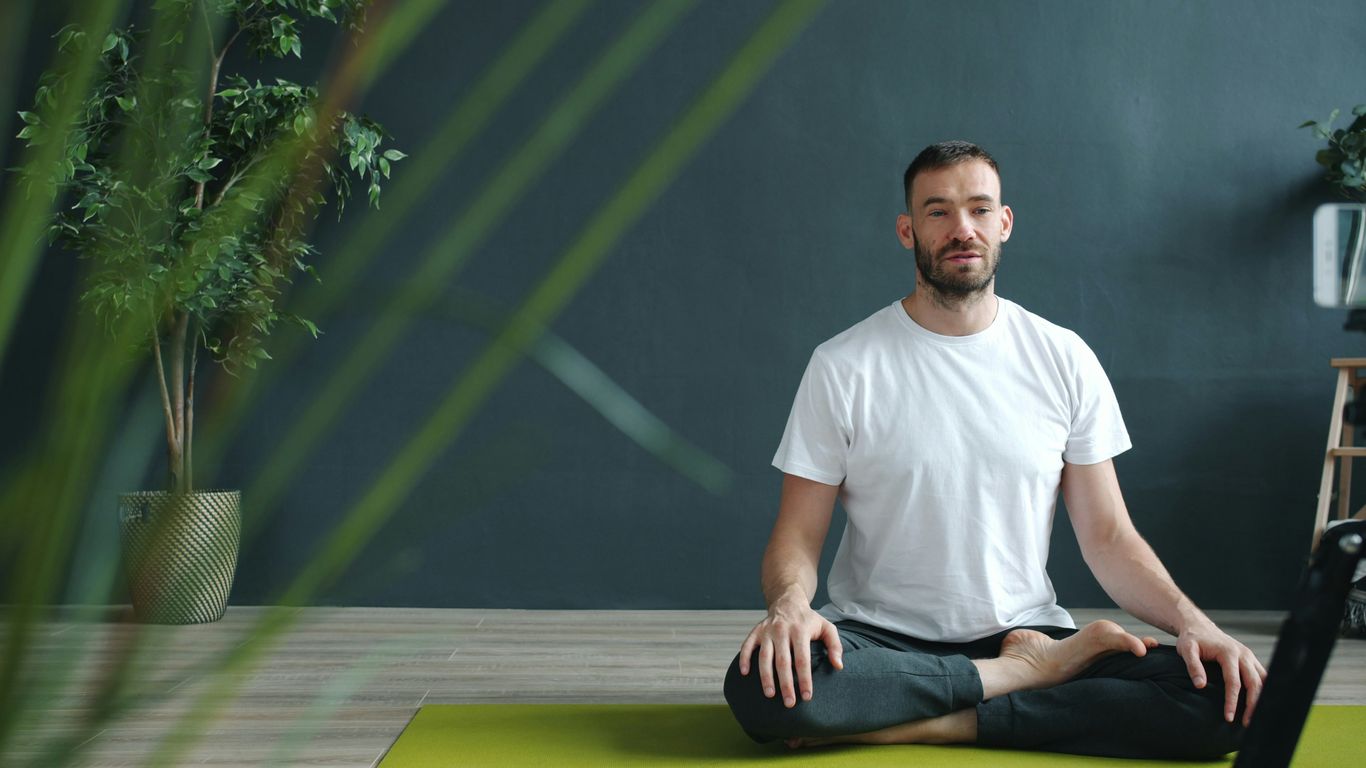
When you're starting out with yoga, it's easy to get a little lost with all the names. Many of them sound complicated, right? But these names, often from Sanskrit, aren't just fancy labels. They actually give you clues about what the pose is supposed to feel like or what it looks like. Learning these foundational poses is like learning the alphabet before you can read a book. They build the base for everything else you'll do on the mat.
Tadasana: The Steadfast Mountain Pose
Tadasana, or Mountain Pose, is where it all begins. It might seem like you're just standing there, but there's a lot going on. This pose is all about finding your center and standing tall with awareness. You ground your feet, lengthen your spine, and feel your connection to the earth. It's the starting point for many standing poses and teaches you balance and good posture. Think of a mountain – solid, unmoving, and present. That's the feeling Tadasana aims for.
- Benefits: Improves posture, builds stability, increases body awareness.
- How to practice: Stand with feet together or hip-width apart, distribute weight evenly, lengthen the spine, relax shoulders, and let arms rest by your sides.
- Key focus: Feeling grounded and tall.
Adho Mukha Svanasana: The Energizing Downward Dog
Downward-Facing Dog, or Adho Mukha Svanasana, is probably one of the most recognizable yoga poses. It's a pose that stretches your whole body, from your hands all the way down to your heels. It's great for building strength in your arms and legs while also lengthening your spine. The name itself, "Downward-Facing Dog," perfectly describes the shape. It's often used as a resting pose in between more active sequences.
- Benefits: Strengthens arms and legs, lengthens the spine, can relieve stress, energizes the body.
- How to practice: Start on your hands and knees, then lift your hips up and back, forming an inverted V-shape.
- Key focus: Pressing hands into the mat, lengthening the back, and sending hips high.
Bhujangasana: The Opening Cobra Pose
Bhujangasana, or Cobra Pose, is a gentle backbend that helps open up your chest and strengthen your back muscles. The name comes from "bhujanga," the Sanskrit word for cobra, because the pose resembles a cobra rising up. It's a wonderful way to counteract the effects of sitting too much and can help relieve tension in the back.
- Benefits: Strengthens the spine, opens the chest and shoulders, can help with back pain.
- How to practice: Lie on your stomach, place hands under shoulders, and gently lift your chest off the floor, keeping hips grounded.
- Key focus: Using back muscles to lift, not just pushing with hands.
These foundational poses are more than just physical shapes; they are invitations to connect with your breath and your body's innate strength and stability. They lay the groundwork for a more mindful and rewarding yoga journey.
Discovering Strength-Building Yoga Posture Names
Ready to build some serious power on your mat? We're diving into poses that will make you feel strong and steady. These aren't just about looking good; they're about building resilience from the inside out. Think of them as your personal power-ups.
Virabhadrasana Series: The Empowering Warrior Poses
The Warrior poses, known in Sanskrit as Virabhadrasana, are a trio that really builds strength and confidence. There are three main variations, but they all focus on grounding through your feet and really engaging your core. Imagine yourself as a warrior – steady, focused, and ready for anything. These poses are fantastic for strengthening your legs, ankles, and shoulders, while also improving your balance and concentration. They help you feel more stable, both on and off the mat. It's like planting your feet firmly on the ground and reaching for the sky. You can explore standing poses to get started.
Phalakasana: The Core-Strengthening Plank Pose
Plank Pose, or Phalakasana, looks pretty simple, but it's a serious powerhouse for building core strength. You're basically holding your body in a straight line, supported by your hands and toes. It works your arms, shoulders, wrists, and of course, your entire abdominal area. This pose is a cornerstone for developing overall body stability and endurance. It's a great way to build up the strength needed for more complex poses and just generally makes you feel more solid. It’s a great pose for overall body strength.
Utkatasana: The Grounding Chair Pose
Utkatasana, or Chair Pose, is another pose that really targets the legs and core. You mimic sitting in a chair, bending your knees and lifting your arms. It might feel like a burn at first, but it’s incredibly effective for building stamina in your thighs and glutes. It also helps to improve your posture and focus. It’s a pose that really makes you feel grounded and powerful, like you're sitting on an invisible throne. It builds strength in the legs and core while improving balance and focus. Yoga asanas designed to build strength can really transform your practice. You can find more information on yoga poses designed to cultivate strength.
These strength-building poses are more than just physical challenges; they are opportunities to connect with your inner fortitude. Each repetition is a step towards greater physical and mental resilience, teaching you to hold steady even when things get tough.
Here's a quick look at the benefits:
- Virabhadrasana Series: Builds leg and core strength, improves balance and focus.
- Phalakasana: Develops core stability, strengthens arms and shoulders.
- Utkatasana: Enhances thigh and glute strength, improves posture and concentration.
Embracing Restorative Yoga Posture Names
Sometimes, after a long day, or even just a busy week, your body and mind crave a bit of gentle care. That's where restorative yoga comes in. It's all about slowing down, breathing, and letting go of tension. These poses aren't about pushing yourself; they're about finding comfort and peace. The goal is to support your body so it can naturally relax and heal.
Savasana: The Profound Corpse Pose
Savasana, or Corpse Pose, is perhaps the most important pose in any yoga practice, even though it looks like you're doing nothing. It's where all the benefits of the practice are integrated. You simply lie down on your back, letting your body be heavy and still. It's a practice in complete relaxation and surrender.
- Benefits: Promotes deep relaxation, reduces stress, and allows the body to absorb the effects of the practice.
- How to practice: Lie flat on your back, legs extended and relaxed, arms resting by your sides with palms facing up. Close your eyes and focus on your breath or simply allow your mind to be still.
- Duration: Aim to stay for at least 5-10 minutes, or longer if possible, to truly reap its restorative effects.
Restorative poses are designed to be held for longer periods, allowing the nervous system to settle and the body to release deep-seated tension. They are not about achieving a certain shape, but rather about cultivating a state of ease and receptivity.
Deepening Your Practice With Yoga Posture Names
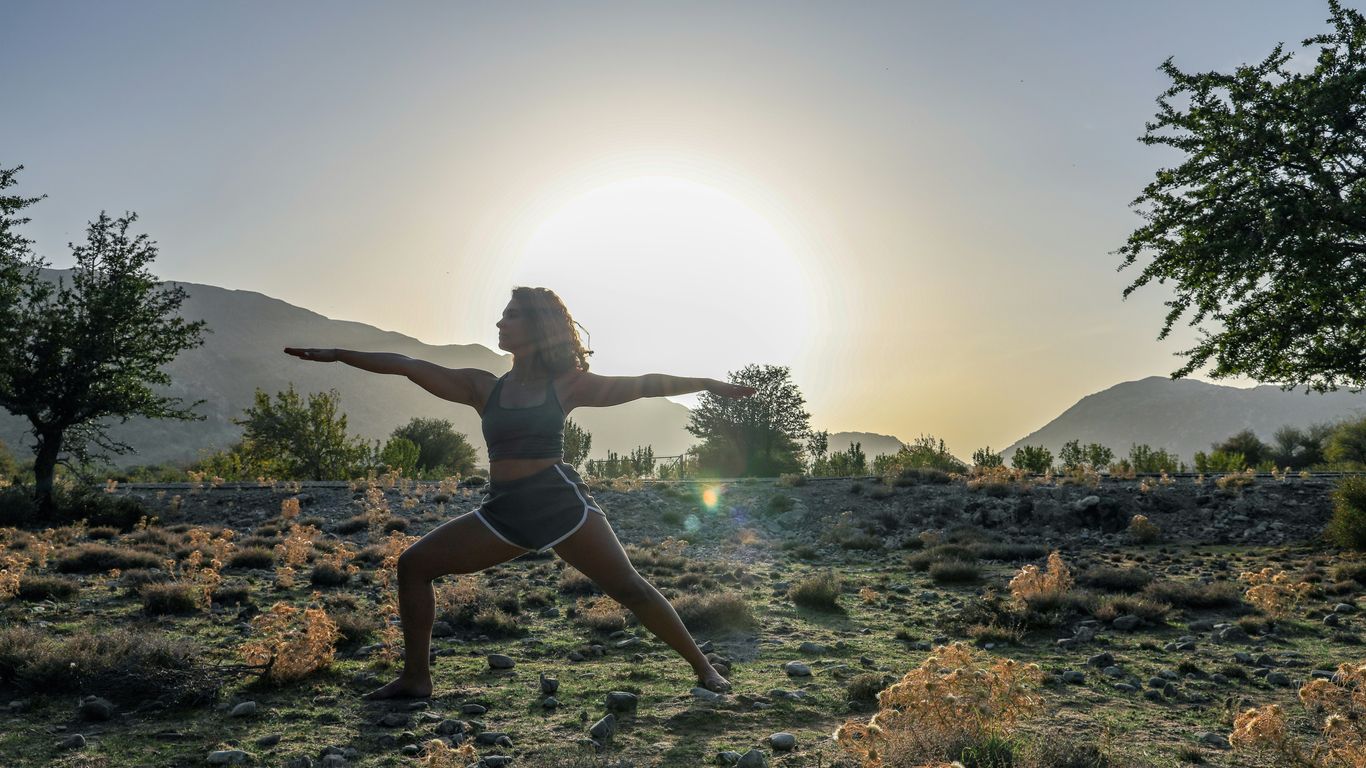
So, you've got a handle on some basic yoga pose names and what they do. That's a great start! But knowing the names can actually do more than just help you follow along in class. It’s like having a little cheat sheet for your own body and mind. When you know the name, say, of Virabhadrasana, you're not just doing a pose; you're tapping into the energy of a warrior. It adds a whole other layer to what you're doing on the mat.
Tailoring Your Practice With Specific Asanas
Knowing the names also helps you pick the right poses for what you need that day. Feeling tired? Maybe you’ll look for poses that energize, like Adho Mukha Svanasana (Downward Dog). Need to calm down? Paschimottanasana (Seated Forward Bend) might be your go-to. You can even build a whole sequence based on the benefits you're seeking. For example, if you want to build strength, you might focus on poses like Utkatasana (Chair Pose) or the Warrior series. It’s like having a personal yoga menu.
Here’s a quick look at how different poses can serve different needs:
- Energizing: Adho Mukha Svanasana (Downward Dog), Virabhadrasana Series (Warrior Poses)
- Calming: Setu Bandha Sarvangasana (Bridge Pose), Paschimottanasana (Seated Forward Bend)
- Strengthening: Phalakasana (Plank Pose), Utkatasana (Chair Pose)
The Holistic Benefits Of Yoga Asanas
Yoga is way more than just stretching; it's about connecting your mind and body. Each pose, or asana, has a unique name and purpose, often linked to its Sanskrit origins. Knowing these names and their meanings can really deepen your practice. It’s a way to connect with the roots of yoga, too. The Sanskrit names often give you a pretty good hint about what the pose is actually about. They might describe the shape the body makes, like "Adho Mukha Svanasana" (Downward-Facing Dog) which clearly paints a picture. Or they could point to the feeling or energy the pose is meant to bring, such as "Tadasana" (Mountain Pose) suggesting stability and groundedness. This kind of connection helps you really feel what the pose is meant to do for you, physically and mentally.
The practice of yoga, through its various asanas, offers a path to balance not just the physical body but also the mental and emotional states. Each posture is a step towards greater self-awareness and well-being.
Learning the meaning behind yoga stretch names connects you to the tradition and purpose of each pose. For instance, understanding the benefits of poses like Setu Bandha Sarvangasana can guide you in selecting sequences that address specific needs, whether it's for relaxation or building resilience.
Keep Practicing, Keep Growing
So, we've gone over a bunch of yoga poses and what they're called. It's pretty cool how each one has its own name and a reason for being, right? Knowing these names can really make your time on the mat feel more meaningful. Remember, yoga is for everyone, and it’s not about being perfect. It’s about showing up for yourself, listening to your body, and just enjoying the movement. Keep exploring different poses, see how they make you feel, and most importantly, have fun with it. Your yoga journey is your own, so make it a good one.
Frequently Asked Questions
What does 'asana' mean in yoga?
'Asana' is a word from an old language called Sanskrit. It just means a pose or a way your body sits or stands. In yoga, these are the different physical shapes you make to help your body and mind feel balanced.
Why do yoga poses have names from Sanskrit?
Many yoga poses have Sanskrit names because yoga started in ancient India, where Sanskrit was spoken. These names often give clues about what the pose looks like or what it's supposed to do for you, connecting you to the history of yoga.
Is yoga okay for someone who is new to it?
Yes, yoga is definitely safe for beginners! The most important things are to start with simple poses, listen to what your body tells you, and don't try to force yourself into difficult positions.
How can doing yoga help my mind feel better?
Yoga can be really helpful for your mind. It can help calm you down when you're feeling stressed or worried. It also helps you focus better and feel more relaxed overall.
What are some easy yoga poses for beginners?
Great starter poses include Child's Pose (Balasana), Cat-Cow Stretch (Marjaryasana-Bitilasana), and Mountain Pose (Tadasana). These are good for getting more flexible and learning to relax.
Can yoga actually help me get in shape?
Absolutely! Yoga is fantastic for improving your strength, making your body more flexible, and helping you with balance. It's a wonderful way to stay active and healthy.


