
Unlock Your Potential: Yoga Poses for Flexibility and Strength
Want to feel a little less stiff and a bit more capable in your body? Yoga poses for flexibility and strength might be just the thing. It's not about being a pretzel, but about helping your body move better and feel more comfortable day-to-day. This guide focuses on how yoga can help you get more flexible, especially if you're looking to improve your overall movement and strength through yoga poses.
Key Takeaways
- Yoga helps your body move better and feel less stiff, which is good for everyday life and for doing yoga poses.
- Certain yoga poses are really good for stretching out specific tight spots like your hamstrings and hips.
- Practicing yoga regularly, even when it feels a bit challenging, helps your muscles get used to stretching over time.
- Paying attention to how you stand and move during yoga can make you more aware of your body off the mat, helping your posture.
- Using things like heat or props can help you stretch more safely and effectively, making your flexibility for yoga practice better.
Targeted Yoga Poses For Enhanced Flexibility
Feeling a bit like a rusty hinge in the morning? You're not alone. Many of us carry tension in our hamstrings and backs, making simple movements feel like a challenge. Luckily, yoga offers some fantastic poses to help you gently lengthen and release those tight spots. These poses are designed to help you move more freely in your everyday life.
Standing Forward Fold For Hamstring Release
This pose, known as Uttanasana in Sanskrit, is a go-to for easing tightness in the back of your legs. When you fold forward from your hips, you give your hamstrings a good stretch. It also helps to release tension that can build up in your lower back, especially if you spend a lot of time sitting.
- Start by standing with your feet hip-width apart.
- As you exhale, hinge at your hips and fold your torso forward.
- Let your head and arms hang heavy. You can bend your knees as much as you need to feel a comfortable stretch.
- Focus on breathing into your hamstrings and lower back.
Seated Forward Bend For Back Body Lengthening
Paschimottanasana is a pose that really works on lengthening your entire back side. From the backs of your calves all the way up your spine, this stretch helps create space and ease. It's a great way to unwind after a long day.
To get into this pose:
- Sit on the floor with your legs extended straight in front of you.
- Inhale and lengthen your spine.
- Exhale and fold forward from your hips, reaching towards your feet.
- Keep your back relatively straight, and don't worry if you can't touch your toes. The goal is the sensation of lengthening.
Remember, the key to any stretch is patience. Don't force yourself into a position. Let your breath be your guide, and allow your body to open up gradually. Trying a yoga class can help you find the right rhythm.
Downward Facing Dog For Full Body Loosening
Adho Mukha Svanasana, or Downward-Facing Dog, is a pose that does a little bit of everything. It's a fantastic way to stretch your hamstrings, lengthen your spine, and even get a nice stretch in your shoulders and upper back. It's often considered a resting pose in many yoga sequences, but it's also very active in loosening up the whole body.
Here's how to do it:
- Start on your hands and knees, with your wrists under your shoulders and your knees under your hips.
- Tuck your toes and lift your hips up and back, forming an inverted V-shape with your body.
- Press firmly through your hands, and let your head hang between your arms.
- You can pedal your feet out, bending one knee and then the other, to deepen the hamstring stretch.
Opening The Hips With Specific Asanas
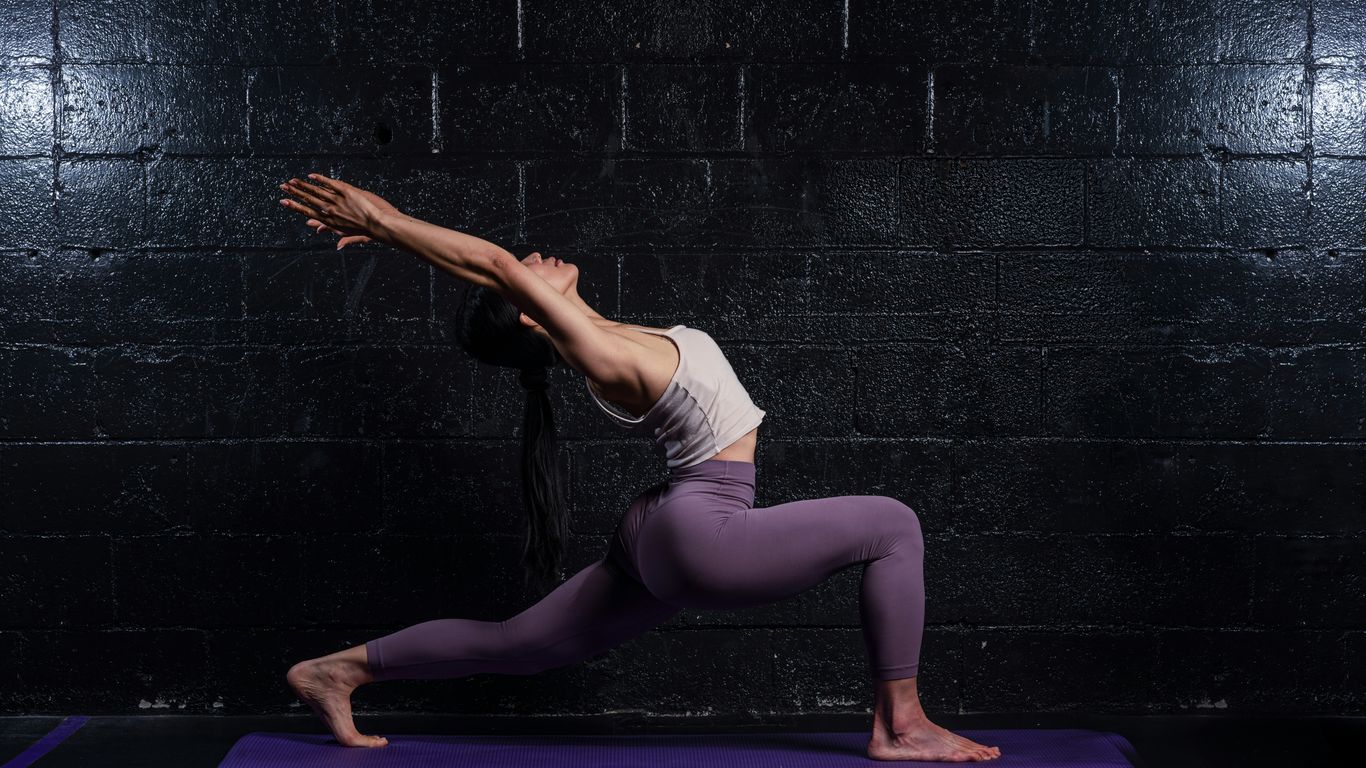
Tight hips can make things like sitting or even walking feel stiff and uncomfortable. When you add specific hip-opening yoga poses to your regular practice, you might notice everyday movement starts to feel much easier. Plus, these asanas encourage you to pay attention to spots in the body you normally ignore. They aren't always comfortable, but over time, they can totally change how your lower body feels.
Pigeon Pose For Outer Hip Tension
If you’ve ever sat all day or done a long workout, you’ll probably feel tension along the outer hips. Pigeon pose is one of the best ways to let those tight spots unwind.
- Begin in Downward-Facing Dog, lift one leg back, bring it forward, and lay your shin across the mat.
- Keep your back leg straight and stretch behind you.
- Try to lower onto your elbows or rest your forehead on your hands.
- Let your breath slow down. Hold for at least thirty seconds per side.
Pigeon pose can be tough, but it targets the glutes and outer hips in a way few other stretches do. For more info about hip mobility, check out these hip-opening stretches.
Butterfly Pose For Inner Thigh Softness
When inner thighs are tight, even sitting cross-legged can feel awkward. Butterfly pose is simple and accessible for all levels, and it doesn’t take much time.
- Sit upright and bring the soles of your feet together, knees dropping out wide.
- Hold your feet or ankles with your hands.
- Let your knees fall toward the floor.
- Gently lean forward if it feels comfortable, but don’t force it.
A few reasons Butterfly pose is a go-to for both beginners and seasoned yogis:
- It’s easy to adjust how much stretch you feel.
- It genuinely opens the groin and inner thighs.
- You can hold it longer while relaxing shoulders and spine.
Here's a short table summarizing three hip-opening poses:
| Pose | Key Area Targeted | Typical Hold Time |
|---|---|---|
| Pigeon Pose | Outer Hips/Glutes | 30-60 seconds |
| Butterfly Pose | Inner Thighs/Groin | 1-2 minutes |
| Lizard Pose | Hip Flexors | 30-60 seconds |
Lizard Pose For Deep Hip Flexor Stretch
Lizard pose goes deep into places you probably didn’t know were tight—right in the front of the hips and the groin. It’s the kind of stretch you’ll feel immediately, especially if you sit a lot.
- Start in Downward-Facing Dog, step one foot forward outside your hand.
- Drop your back knee or keep it lifted for a bigger stretch.
- Lower your elbows to the mat or stay on your hands if that’s enough.
If you only pick one hip opener for the week, Lizard pose covers a lot. It’ll challenge your flexibility and give you a sense of progress every time you return.
It’s common for hip tension to take some time to ease up—consistency and patience really make a difference here. For more recommended hip openers, have a look at these expert-recommended poses, which can help round out your routine.
Engaging Core For Stability And Strength
Your core is way more than just your abs. It's a whole network of muscles around your midsection that keep your spine supported and help you move with control. In yoga, a strong core is like the foundation of a house – everything else builds on it. It makes deeper stretches feel safer and helps you hold poses steady. Without a solid core, you're more likely to strain your back or wobble around.
Boat Pose For Core Engagement And Hamstring Stretch
Boat Pose, or Navasana, is a fantastic way to wake up those deep core muscles. You sit on your mat, lift your legs off the ground, and lean back slightly, keeping your spine straight. It feels intense, but it really works the front of your core while also giving your hamstrings a good stretch. Holding this pose requires you to actively engage your abdominal muscles to keep your torso stable. It’s a great one to build up to; start by just lifting your feet a few inches, and gradually work your way up to lifting your legs higher.
Plank Variations For Spinal Support
Plank pose is a classic for a reason. It builds strength all through your core, shoulders, and arms, and it teaches your spine how to stay long and supported. There are tons of ways to switch it up, too. You can do forearm planks, side planks, or even lift one leg for an extra challenge. Each variation pushes your core to work harder to keep your body in a straight line. This isn't just about building muscle; it's about learning how to brace your spine, which is super helpful for preventing back pain in everyday life. If you're looking for ways to build a stronger core, exploring different plank variations can really make a difference.
Cat-Cow Pose For Spinal Mobilization
Cat-Cow, or Marjaryasana-Bitilasana, is a gentler way to engage your core and get your spine moving. You start on your hands and knees. As you inhale, you drop your belly, arch your back, and look up (Cow). As you exhale, you round your spine, tuck your chin, and draw your belly button towards your spine (Cat). This simple flow helps to warm up your spine, increase flexibility in your back, and gently activate your core muscles for support. It’s a great way to start any practice or to use as a break between more intense poses.
Building core strength in yoga isn't just about looking good; it's about creating a stable center for your entire body. This stability allows you to move more freely and safely, whether you're on the mat or just going about your day. It's about feeling more grounded and capable in your own skin.
Here are a few things to keep in mind when working on your core strength:
- Breath Connection: Always link your breath to your movement. Exhale as you engage your core, like in Cat pose or Boat pose.
- Mindful Engagement: Don't just yank your belly button in. Think about gently drawing it towards your spine, creating a stable, supportive feeling.
- Consistency is Key: Even a few minutes of core work each day can lead to significant improvements over time. Try to incorporate these poses regularly into your routine.
The Fusion Of Flexibility And Strength In Practice
It might seem like flexibility and strength are opposites, right? One feels soft and yielding, the other firm and engaged. But in yoga, they actually work together, like a well-oiled machine. A good yoga session stretches your muscles out gently while also building up the strength you need to hold those stretches. It’s about finding that sweet spot where your body can move freely but also has the support to do so safely.
Static Stretching For Gradual Lengthening
This is where you hold a pose for a bit longer. Think of it like slowly stretching a rubber band. You're not yanking it; you're just easing it out. Holding a stretch for a sustained period signals to your muscles that it's okay to relax and extend further over time. This gradual lengthening is what builds real, lasting flexibility. It’s way more effective than quick, jerky movements. The key here is consistency; showing up regularly, even for short periods, allows your body to adapt.
Dynamic Movements For Strength And Suppleness
Dynamic movements are more about flow. You're moving through a sequence of poses, which helps warm up your muscles and joints. This kind of movement builds strength and keeps your body feeling supple. It’s like a dance, where each move prepares you for the next. This approach helps improve your range of motion while also making your muscles stronger. It’s a great way to get your body ready for more challenging poses or just to feel more fluid in your everyday movements. Many styles of yoga, like Vinyasa, focus on this kind of flowing practice.
A Balanced Approach To Muscle Engagement
To really get the most out of your practice, you need to think about how different muscles are working. Some poses will ask you to really engage your core and leg muscles for stability, while others will focus on lengthening. It’s about finding that balance. For example, holding a pose like Warrior II requires both strength in your legs and hips and flexibility in your shoulders. This interplay between effort and ease is what makes yoga so effective for building a resilient body.
Here’s a simple way to think about it:
- Flexibility: Allows for a wide range of motion.
- Strength: Provides stability and support.
- Balance: The combination of both, leading to controlled movement.
Building both flexibility and strength takes time. It's not about pushing yourself to the absolute limit every single day. Instead, it's about listening to your body, respecting its signals, and celebrating the small improvements along the way. This patient, mindful approach is what leads to sustainable progress and a deeper connection with your physical self. It’s a journey, not a race, and being kind to yourself throughout the process is incredibly important. Remember, your body is always communicating with you; learning to hear those messages is a big part of the practice. Yoga's synergy with strength training can really help support your joints and improve balance.
When you're working on poses, remember that different styles of yoga can offer unique benefits. Some practices might blend elements from other disciplines, like Pilates or martial arts, to create a varied approach to fitness. This variety can keep your practice interesting and challenge your body in new ways.
Releasing Tension For Greater Mobility
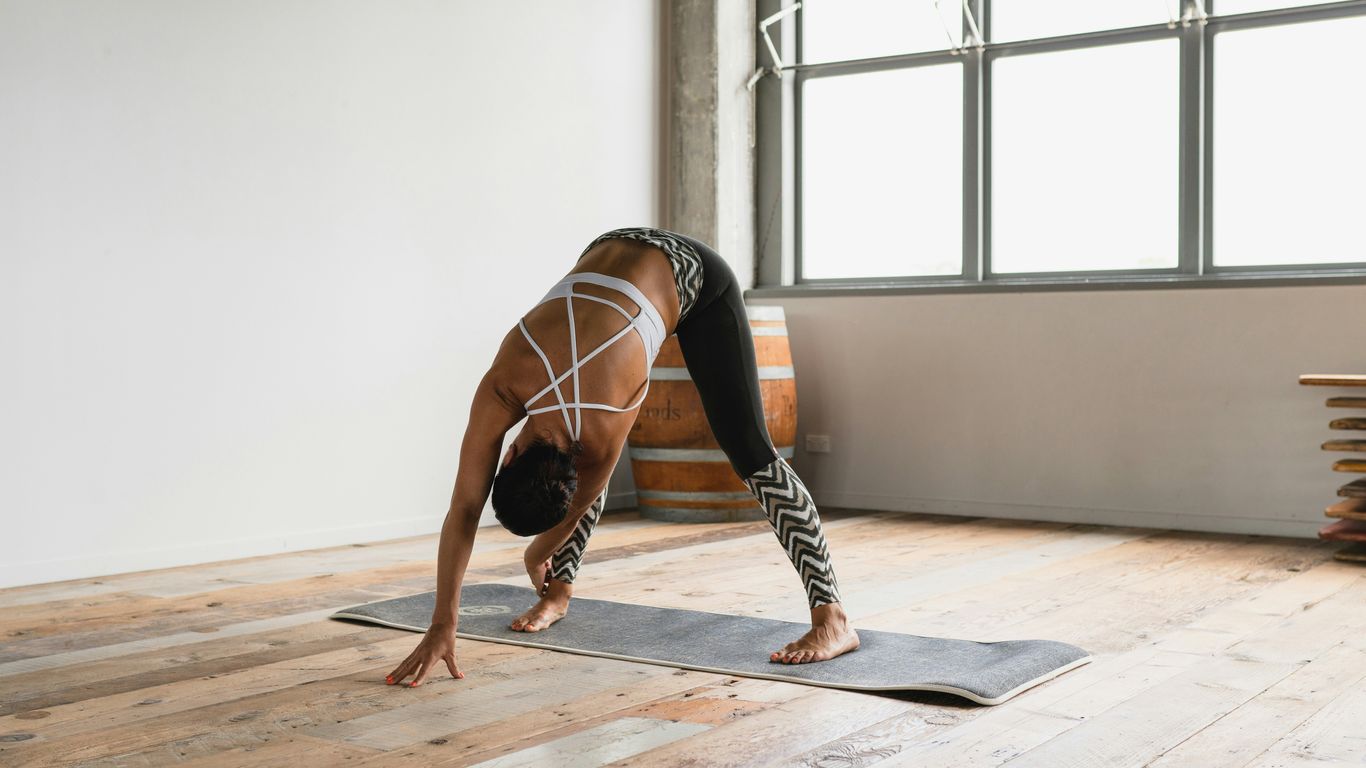
It's common to feel tightness all over—maybe it's your shoulders after a long workday, or stiff hips from too much sitting. Yoga is a simple, practical way to work out those kinks and get your body moving again. When tension lets go, your range of motion grows, and daily movement feels lighter. For many people, that's the difference between feeling stuck and being able to move without thinking about it.
Here's how you can use yoga to target some of the most common areas where tension builds up:
Counteracting Shoulder And Neck Tightness
Shoulders and neck often hold stress from things like bad posture, staring at screens, or just carrying heavy bags. Try these options:
- Practice chest-opening poses and gentle neck stretches.
- Focus on slow breathing while moving your arms in circles or doing shoulder shrugs.
- Consider adding the Cat-Cow sequence, which helps coordinate movement and breath while easing upper body stiffness.
| Area | Yoga Approach | Typical Benefit |
|---|---|---|
| Shoulders | Chest-opening and neck-lifting poses | Less slouching, relief |
| Neck | Slow, controlled turns and tilts | Less stiffness |
It’s easy to ignore neck and shoulder pain until it gets bad. Spending a few quiet minutes each day can make a huge difference over the long run.
Releasing Hip Stiffness From Sitting
When you sit for hours, your hips get tight and lose their natural mobility. Here’s what can help:
- Add poses like hip openers and gentle floor stretches to your routine.
- Work slowly, holding stretches longer each time instead of rushing through.
- Try movements that move your legs apart, like the Butterfly pose, or as simple as rocking knees side to side on your back.
- Regular hip stretches may also help ease lower back soreness.
- Hip opening postures are important after a day behind a desk.
- Consistent practice will start to feel more comfortable as tightness lessens.
Creating Space Between Vertebrae
Your back can feel jammed up from less movement or hunching. Stretching can help widen the gaps between your vertebrae, so you don’t feel compressed.
- Focus on poses that lengthen the spine, like gentle forward folds or lying twists.
- Add gentle backbends for variety, but avoid anything that causes sharp pain.
- A combination of stretches and breathing helps your spine relax.
Remember, the goal isn’t just to touch your toes—it’s to make daily life easier and more comfortable. Flexibility and feeling good go hand in hand when you make small, regular efforts to release tension.
Key Elements For Building Flexibility For Yoga
Building flexibility for yoga isn’t about being able to touch your toes right away. It’s about steady progress, learning your limits, and letting go of any pressure to look a certain way. You’re in it for the long haul, not quick wins.
Time Under Tension For Muscle Adaptation
The longer you hold a stretch (without pain), the more your muscles get used to the new length. Holding a pose for just a few extra breaths helps your body slowly change, making lasting progress possible. Think of it like easing into a cold pool, not jumping in all at once.
Here’s a simple way to add more time under tension to your yoga sessions:
- Pick one stretch to hold for 45-60 seconds.
- Focus on your breath and where you feel the most sensation.
- Don’t push to discomfort; adjust so you feel a gentle pull instead.
| Pose | Recommended Hold (seconds) |
|---|---|
| Downward Dog | 45-60 |
| Seated Forward Bend | 60 |
| Pigeon Pose | 45-60 each side |
For more details on the benefits of holding poses longer, check out this piece about practical yoga techniques for flexibility foundational Downward-Facing Dog.
Patience And Grace In Your Practice
No two days feel the same. Some mornings you’re loose; other times, even simple stretches feel tough. That’s perfectly normal. Try not to judge your performance. Instead, focus on showing up consistently. When progress is slow, let yourself feel proud just for trying. A little self-kindness goes a long way if you’re trying to stretch farther.
- Progress comes with repetition, not force.
- Celebrate even tiny victories—a little less stiffness is a big win.
- Respect your body’s signals. Forcing flexibility almost always leads to setbacks.
Small steps, done mindfully, stack up over weeks—even if every stretch doesn’t feel like a win at first glance.
Listening To Your Body's Signals
Your body is always talking; you just have to tune in. You’ll feel the difference between a comfortable stretch and straining too far. Pushing into pain isn’t brave—it’s risky.
Learn to ask yourself:
- Where do I feel this stretch? Is it a spot I usually hold tension?
- Am I breathing smoothly, or clenching and fighting through?
- Is this discomfort or true pain? Discomfort can fade; pain is a clear stop sign.
If you practice paying attention like this, you’re more likely to safely stretch further in the long run. For other helpful ideas, here’s an overview of how certain yoga stretches can make your flexibility journey safer and more effective best yoga stretches for flexibility.
Remember, flexibility for yoga (or any movement) grows by blending steady effort, patience, and listening closely to your body’s own wisdom.
Keep Moving Forward
So, you've taken a look at some yoga poses that can help you feel more open and strong. Remember, this isn't about becoming a pretzel overnight. It's about showing up for yourself, even for just a few minutes each day. Listen to your body, be patient, and celebrate the small changes. The more you practice, the more you'll notice a difference, not just in how far you can stretch, but in how you feel overall. Keep breathing, keep moving, and enjoy the journey of discovering what your body can do.
Frequently Asked Questions
How often should I practice yoga to see improvements in flexibility?
It's best to practice yoga a few times a week, maybe two to three times, for about 20 to 60 minutes each session. Even shorter, regular sessions can make a big difference over time. The key is to be consistent and patient with your body's progress.
What's the difference between static and dynamic stretching in yoga?
Static stretching is when you hold a pose for a while to gently lengthen your muscles, like in a forward fold. Dynamic stretching involves moving through a series of poses, like in a flow, which helps build strength and suppleness at the same time.
Can yoga help with stiffness from sitting too much?
Absolutely! Yoga poses are great for opening up tight hips and releasing tension in the back and legs, which often get stiff from sitting. Poses like Pigeon Pose and Butterfly Pose are especially good for this.
Is it okay if I can't do all the poses perfectly at first?
Definitely! Yoga is a journey, not a competition. It's totally normal for your body to feel different each day. The most important thing is to listen to your body, be patient with yourself, and celebrate the small improvements you make along the way. Don't force yourself into poses that cause pain.
How does core strength relate to flexibility in yoga?
A strong core is super important for flexibility. It helps support your spine, making it safer and easier to move deeper into stretches. Poses like Boat Pose and Plank variations build core strength, which then helps you hold stretches with more control and stability.
Does practicing yoga in a heated room help with flexibility?
Yes, practicing in a warm room can help! The heat makes your muscles more relaxed and easier to stretch, which can help you move deeper into poses more safely. It also increases blood flow, making your joints feel a bit looser.


