
Unlock Your Potential: Enhancing Flexibility with Targeted Yoga Poses
So, you want to get more flexible, huh? Maybe you've seen people doing yoga and thought, 'I could never do that.' Well, guess what? That's exactly why you should try it. Yoga isn't just for super bendy people; it's for everyone looking to feel a bit better in their own skin. This article is all about how yoga can help you become more flexible, especially if you're looking for ways to improve your flexibility for yoga practice. We'll look at some simple poses and ideas to get you started.
Key Takeaways
- Yoga helps your body move better and feel less stiff, which is good for everyday life and for doing yoga poses.
- Certain yoga poses are really good for stretching out specific tight spots like your hamstrings and hips.
- Practicing yoga regularly, even when it feels a bit challenging, helps your muscles get used to stretching over time.
- Paying attention to how you stand and move during yoga can make you more aware of your body off the mat, helping your posture.
- Using things like heat or props can help you stretch more safely and effectively, making your flexibility for yoga practice better.
Understanding The Pillars Of Flexibility For Yoga
The Crucial Role Of Flexibility In Daily Life
Lots of us think flexibility is just about being able to do fancy yoga poses, but it's way more than that. It's about how easily you can move through your day. Think about bending down to tie your shoes, reaching for something on a high shelf, or even just getting out of a chair without feeling stiff. When your muscles and joints can move through their full range, everyday tasks become simpler and less taxing. It helps prevent those little aches and pains that can creep up, especially as we get older. Being flexible means your body can handle different movements without strain, keeping you more independent and active.
How Yoga Enhances Overall Well-being
Yoga is a pretty amazing tool for getting more flexible, and it does a lot more than just stretch you out. It's not really about being flexible before you start, but rather using the practice to become more flexible. Studies show that a regular yoga practice can really help with how you feel overall. It works on your muscles, your joints, and even your breathing. This can lead to better posture, less tension, and a general feeling of being more at ease in your own body. It's a way to take care of yourself from the inside out, impacting not just your physical state but your mental state too. You can find many ways to reach your goals with Peloton.
The Mind-Body Connection Through Movement
When you're on the yoga mat, you're not just moving your body; you're also tuning into how it feels. This connection between your mind and body is a big part of what makes yoga so effective. You start to notice where you hold tension, how your breath affects your movement, and how different poses make you feel. It's like learning a new language, one that your body speaks. This awareness helps you understand your limits and your strengths better.
Paying attention to these signals allows you to move with more intention and care, preventing strain and making your practice more rewarding. It’s about being present with yourself.
This practice of mindful movement can spill over into other areas of your life, helping you be more aware and less reactive to stress. It's a gentle way to build a stronger relationship with yourself.
Targeted Yoga Poses For Enhanced Flexibility
If you’ve ever tried to touch your toes in the morning, you know how stiff hamstrings and a tight back can feel. Certain yoga poses can really help you stretch and relax these spots.
- Standing Forward Fold (Uttanasana): This pose stretches your hamstrings and releases tension in your lower back.
- Seated Forward Bend (Paschimottanasana): A great way to lengthen your entire back body, from your calves up to your spine.
- Downward Facing Dog (Adho Mukha Svanasana): This classic pose is good for both your hamstrings and upper back, helping you feel a bit looser all over.
Don’t force the stretch—let your breath guide you and take it slow.
Focusing on long, steady breaths as you stretch can help your muscles relax and lengthen more easily than bouncing or rushing from pose to pose.
Opening The Hips With Specific Asanas
Tight hips can make sitting and even walking a chore. Here are a few poses that work wonders for hip mobility:
- Pigeon Pose (Eka Pada Rajakapotasana): targets outer hips and can release lots of built up tension.
- Butterfly Pose (Baddha Konasana): helps soften those stubborn inner thighs and stretches the groin.
- Lizard Pose (Utthan Pristhasana): gets deep into the hip flexors and adductors, places we don’t often stretch in our daily routines.
Be patient with hip openers—they tend to open up gradually over weeks or even months.
Engaging Core For Stability And Stretch
Your core isn’t just for crunches. In yoga, a strong core supports your spine and makes deep stretching safer and steadier. Some poses to try:
- Boat Pose (Navasana): This one works the front and deep core muscles while stretching your hamstrings.
- Plank variations: Not only build strength but also teach you how to support and protect your lower back.
- Cat-Cow Pose (Marjaryasana-Bitilasana): Mobilizes your spine gently while engaging the lower belly for support.
Table: Key Yoga Poses Per Target Area
| Pose | Main Muscles Targeted | Benefit |
|---|---|---|
| Standing Forward Fold | Hamstrings, Spine | Longer, less tense back body |
| Pigeon Pose | Hips, Glutes | Greater hip mobility, less sitting stiffness |
| Boat Pose | Core, Spine, Hamstrings | Stronger core, supported stretching |
Remember, building flexibility takes time and patience. The more you come back to these poses, the more you’ll start to notice your range of movement quietly growing day by day.
The Impact Of Heat And Consistency On Flexibility
When it comes to stretching farther or easing tension, it’s not just what you do—how you do it makes a big difference. Two of the most important, but often underestimated, factors in becoming more flexible through yoga are heat and a regular practice.
How Heat Intensifies Muscle Pliability
Practicing yoga in a heated room makes your muscles more relaxed and stretchable, which can help you move deeper and safer into your poses. The added warmth isn’t just about making you sweat; it helps your body work with you as you aim for more flexibility, not against you.
- Muscles become more pliable, reducing the risk of small strains or pulls.
- Joints move with a bit more ease as the heat boosts blood flow.
- The whole body responds by letting go of that stuck or stiff feeling.
There's more to it than just comfort. Practicing in the heat has shown positive changes for cardiovascular health and can improve your endurance too, as shared in measurable cardiovascular fitness improvements.
You'll probably notice that stretching in a warm room just feels easier, like your body is saying yes instead of maybe. That small boost in comfort can nudge you toward better flexibility, even after you’ve left the studio.
Consistency For Long-Term Flexibility Gains
Gains from yoga don’t happen overnight. Doing a pose once or twice won’t redraw your limits forever. Keeping at it—even with short, manageable sessions—allows your body to change over time. The trick is repetition:
- Stick to a schedule, whether it’s once or several times a week.
- Focus on holding stretches for longer, rather than pushing harder.
- Track gradual improvements, like touching your toes with less effort or holding a pose with steadier breath.
Sample Consistency Table
| Practice Frequency | Flexibility Change (Weeks) | Common Experience |
|---|---|---|
| 1x/week | 8-12 | Slow progress |
| 2-3x/week | 4-8 | Noticeable improvement |
| 4-5x/week | 2-4 | Rapid gains |
The Benefits Of A Structured Yoga Sequence
Repeating the same group of poses helps your body remember the movements. Structure brings focus—you’re not guessing, you’re practicing with intention:
- Same sequence helps you spot what’s improving and what still feels tough.
- It’s easier to gauge progress when poses are familiar, not surprising.
- The mind can relax when it knows what’s coming, letting the body stretch deeper.
With regular attendance and a familiar flow, long-term benefits add up. If you’re practicing on your own, choosing a set routine (like a series of stretches you enjoy and can repeat) can be just as effective. Over time, it’s less about forcing new shapes and more about your body adapting to move well.
Improving Posture And Body Awareness Through Yoga
Aligning Joints For Better Posture
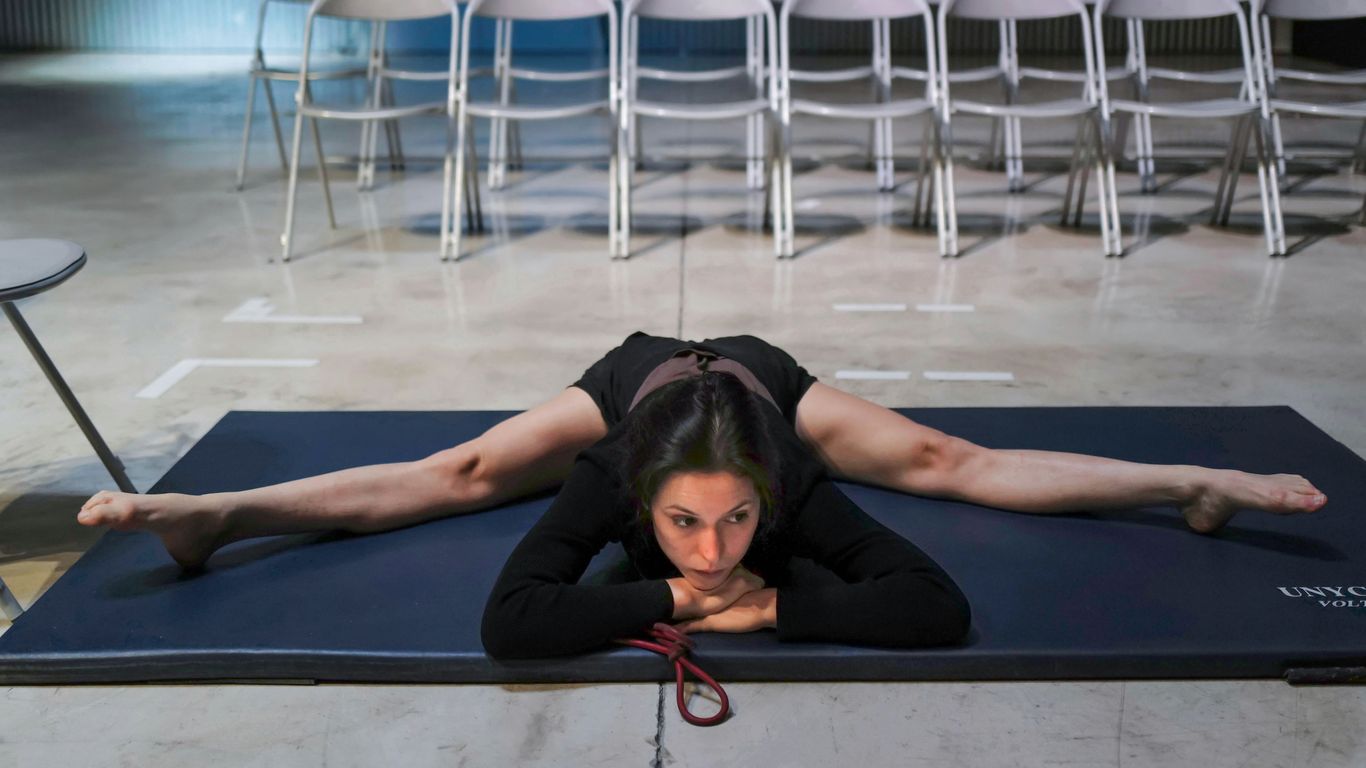
When you're on your mat, really paying attention to how your body is positioned in each pose can make a big difference. It's not just about getting into the shape, but about stacking your joints correctly. Think about it: in a lunge, you want your front knee right over your ankle. If it's too far forward, you strain your knee. If it's too far back, you don't get the stretch you need. This careful alignment helps distribute your weight evenly, preventing strain and making each pose work better for you. It’s like building a strong foundation for a house; if the base is off, the whole thing is wobbly.
Cultivating Awareness In Every Pose
Yoga really teaches you to tune into your body. You start to notice little things, like where you hold tension or how one side of your body feels different from the other. This awareness isn't just for the yoga mat; it spills over into your daily life. You might find yourself standing taller without even trying, or noticing when you're slouching at your desk. It’s about developing a constant, gentle check-in with yourself. This practice helps you understand your body's signals better, so you can make small adjustments throughout the day that add up to big improvements.
Here are a few things to focus on for better awareness:
- Grounding: Feel your feet connected to the floor. This gives you a stable base.
- Core Engagement: Gently draw your belly button towards your spine. This supports your back.
- Spinal Lengthening: Imagine growing taller with each breath. This creates space and improves posture.
Releasing Tension For Greater Mobility
We all carry stress in our bodies, often without even realizing it. Shoulders get tight, hips feel stiff, and our backs ache. Yoga, especially with the added warmth of a heated room, helps to gently work out these knots. As muscles relax and lengthen, you gain more freedom to move. It’s not just about bending further; it’s about feeling less stiff and more fluid in your everyday activities. This can really change how you feel, making simple movements feel easier and more comfortable.
The combination of focused movement, breathwork, and sometimes heat works to loosen muscles that have become tight from sitting or stress. This gradual release allows for a greater range of motion, making daily tasks feel less effortful and improving your overall physical comfort.
| Area of Tension | Yoga's Effect |
|---|---|
| Shoulders & Neck | Poses can open the chest and lengthen the neck, counteracting hunching. |
| Hips | Floor poses help release tightness from prolonged sitting. |
| Spine | Poses encourage lengthening and create space between vertebrae. |
Exploring Advanced Techniques For Flexibility
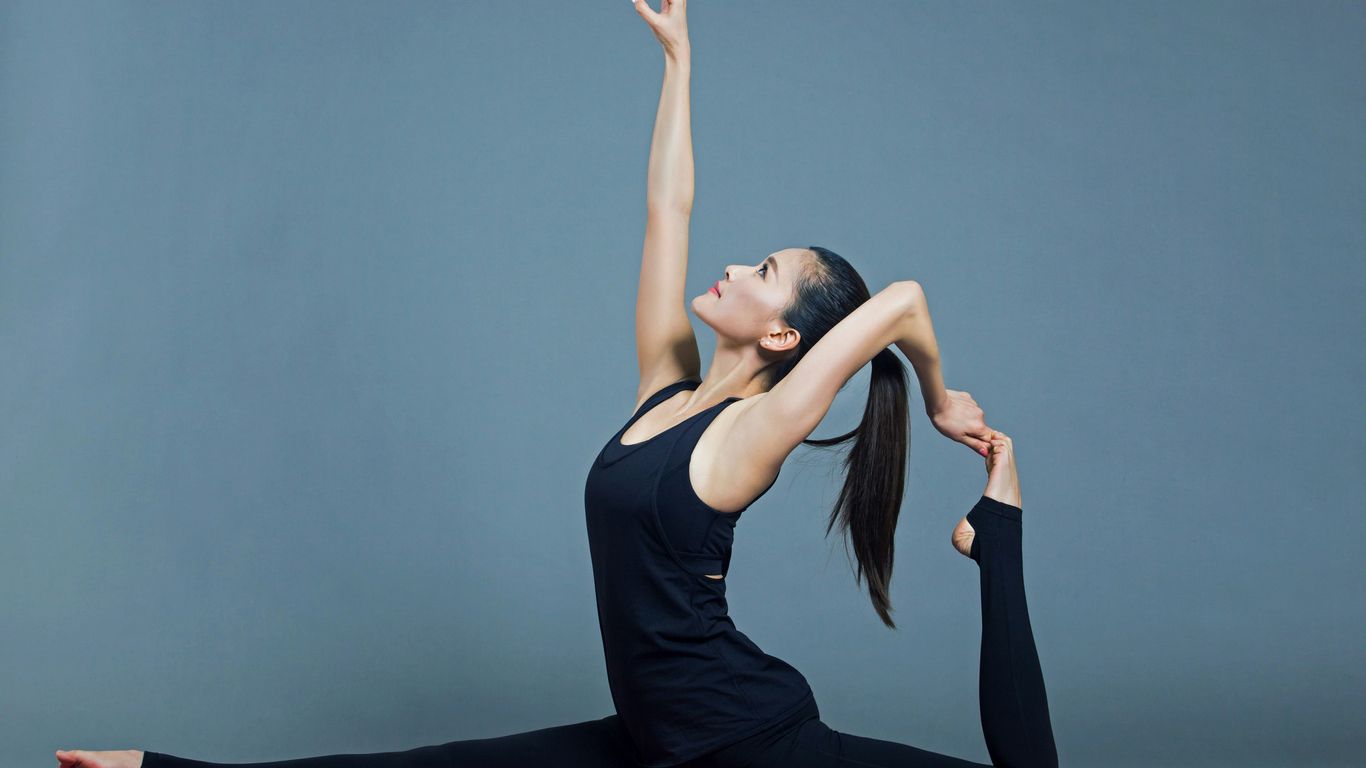
Once you've built a solid foundation, it's time to explore ways to deepen your flexibility practice. This doesn't mean jumping into the most complicated poses right away. Instead, it's about using tools and methods that help you safely expand your range of motion.
Aerial Yoga For Supported Stretches
Aerial yoga uses a hammock suspended from the ceiling, which can be a game-changer for flexibility. The hammock supports your body weight, allowing you to hang upside down or stretch in ways that might be difficult on the floor. This can help decompress the spine and open up areas that feel really tight. The support of the hammock lets you ease into stretches you might not otherwise attempt. It's a fantastic way to explore deeper bends and twists with less strain. Progress in aerial yoga isn't always a straight line; some days you'll feel more open than others. Remember that backing off a bit isn't failure, it's smart practice.
Utilizing Props For Deeper Poses
Props like blocks, straps, and bolsters are not just for beginners. They are incredibly useful for anyone looking to refine their poses and work towards greater flexibility. For instance, a strap can help you reach your foot in a forward fold if your hamstrings are tight, allowing you to maintain good form. Blocks can bring the floor closer to you in poses like Triangle Pose, helping you keep your spine long and open your chest. Bolsters can provide gentle support in restorative poses, allowing muscles to relax and lengthen over time. Learning to use these tools wisely means you can explore the full range of motion in each posture without pushing yourself too hard, too soon. It's a smart way to build strength and flexibility over time, making sure your body adapts gradually and safely.
Progressing Safely In Your Practice
Moving into more advanced flexibility work requires patience and a keen awareness of your body's signals. It's easy to get caught up in wanting to achieve a certain pose, but pushing too hard can lead to injury. Instead, focus on the journey and the subtle shifts in your body. Listen to what your body is telling you – does a stretch feel sharp and painful, or is it a deep, satisfying sensation? If it's the latter, you're likely progressing well. If it's the former, it's time to back off. Consider checking in with a qualified instructor periodically. They can offer personalized feedback and help you refine your technique, ensuring you're moving forward safely and effectively. Remember, flexibility is a long-term practice, not a race.
The key to safely advancing your flexibility is a consistent, mindful approach. It involves understanding your body's limits and working within them, gradually increasing the challenge as your body adapts. This patient progression prevents injury and builds a sustainable practice.
Key Elements For Building Flexibility For Yoga
Time Under Tension For Muscle Adaptation
Think of 'time under tension' as how long your muscles are actively working and stretching during a pose. It's not just about how far you can bend, but how long you can hold a stretch safely. When your muscles are held in a lengthened position for a sustained period, they gradually adapt. This adaptation is what builds real, lasting flexibility. It’s like slowly stretching a rubber band; you don’t yank it, you ease it out. This gradual lengthening signals to your muscles that it's okay to relax and extend further over time. This consistent, gentle pressure is far more effective than quick, forceful movements.
Patience And Grace In Your Practice
Flexibility isn't a race. Some days your body will feel open and ready to move, and other days it might feel a bit stiff. That's totally normal. Trying to force yourself into a pose when your body isn't ready can lead to injury. Instead, approach your practice with patience. Celebrate the small wins, like feeling a little more space in your hips or a slightly deeper forward fold. Being kind to yourself and accepting where you are each day is a huge part of the journey. It’s about showing up and doing what you can, without judgment.
Listening To Your Body's Signals
Your body is constantly sending you messages. A sharp pain is a clear signal to back off. A dull ache might mean you're pushing a bit too hard, but it's not necessarily a stop sign. Learning to differentiate these signals is key. Are you feeling a stretch, or are you feeling strain? This awareness helps you adjust your poses in real-time, making sure you're working effectively and safely. It’s about building a conversation with your body, understanding its limits and its potential.
Here’s a simple way to think about it:
- Stretch: A feeling of gentle pulling or lengthening in the muscles. You can breathe through it.
- Strain: A sharper, more intense sensation, often accompanied by tension in other parts of the body. This is a signal to ease up.
- Pain: A sharp, sudden, or persistent discomfort. This means stop immediately.
Developing flexibility is a process that requires more than just physical effort. It involves a mental shift towards patience and a deep respect for your body's individual needs. By paying close attention to the subtle cues your body provides, you can guide your practice effectively, avoiding injury and fostering a more profound connection with your physical self. This mindful approach ensures that your progress is not only steady but also sustainable.
Keep Moving Forward
So, that's a look at how some specific yoga poses can really help you feel more open and move a bit easier. It's not about becoming a pretzel overnight, you know? It's more about being consistent, listening to your body, and just showing up for yourself on the mat. Even a little bit of practice each week can make a difference in how you feel day-to-day, whether that's standing a little taller or just feeling less stiff after sitting for a while. Keep exploring these poses, be patient with yourself, and enjoy the journey of finding more freedom in your body.
Frequently Asked Questions
Do I need to be flexible before starting yoga?
No, you don’t need to be flexible to begin yoga. Yoga is actually a great way to become more flexible over time. Everyone starts somewhere, and you will notice improvement with regular practice.
How often should I practice yoga to get more flexible?
Practicing yoga two or three times a week is a good start. If you want to see faster results, you can practice more often, but even a few sessions a week can make a big difference.
What are the best yoga poses for tight hamstrings?
Some of the best poses for tight hamstrings are Standing Forward Fold, Downward Dog, and Seated Forward Bend. These stretches help make your hamstrings longer and more flexible.
Why is heat used in some yoga classes, and does it help with flexibility?
Heat is used in some yoga styles, like Bikram, because it helps your muscles warm up and stretch further. Warmer muscles are less likely to get injured and can move more easily, which can help you become more flexible.
How can yoga improve my posture and body awareness?
Yoga teaches you to pay attention to how you stand and move. Many poses help you align your joints and lengthen your spine, which can help you stand taller, sit straighter, and notice when you’re slouching.
Is it safe to use props or try advanced yoga poses as a beginner?
Yes, using props like blocks, straps, or even a chair can help you get into poses safely and comfortably. It’s important to listen to your body and not push too hard. If you’re new, start with basic poses and use props to support you as you build strength and flexibility.

