Exploring the Surprising Benefits of Inversion for Body and Mind in 2026
Ever feel like you're just going through the motions? In 2026, it might be time to literally flip things around. Inversions, where your head goes below your heart, aren't just for advanced yogis; they offer some pretty neat perks for your body and your head. Think of it as a little shake-up that can make a real difference. We're talking about better circulation, a calmer mind, and even a confidence boost. It sounds simple, and honestly, it can be. Let's explore the benefits of inversion and see how this practice can help you feel more balanced and energized.
Key Takeaways
- Inversion helps improve blood flow, especially to your brain, which can make you feel more alert.
- Practicing inversions can help your body's natural cleaning system and potentially boost your immune response.
- By changing your physical orientation, you can reduce feelings of stress and anxiety, promoting a sense of calm.
- Regularly doing inversions can build physical strength, particularly in your core and upper body, while also improving balance.
- It's important to approach inversions safely, starting with gentle options and always listening to your body's signals.
Enhancing Physical Well-being Through Inversion
Getting upside down might sound a little wild at first, but it actually does some pretty neat things for your body. It's not just about looking cool in a yoga class; it's about working with gravity in a way that can help you feel better overall. Think of it as giving your body a different kind of workout, one that challenges it in new ways.
Boosting Circulation and Lymphatic Flow
When you're upright all day, gravity pulls fluids down. Inversions help reverse that. By getting your head below your heart, you're giving your circulatory system a bit of a break and helping blood flow more easily back towards your heart. This means more oxygen can get to your brain and other organs. It also helps your lymphatic system, which is like your body's drainage system, to do its job better. This can help clear out waste products and keep things moving smoothly. It's a simple shift that can make a big difference in how your body functions on a daily basis. Many people find that this improved circulation leaves them feeling more energized and less sluggish throughout the day. It's a great way to give your body a natural boost, and you can explore yoga inversions enhance blood flow for more on this.
Strengthening Core, Shoulders, and Arms
Ever wonder how people hold those upside-down poses? It takes serious strength, especially in the core, shoulders, and arms. When you're inverted, your core muscles have to work hard to keep you stable and balanced. It's like a built-in workout for your abs and back. Your shoulders and arms are also engaged, supporting your body weight. This constant work builds strength and endurance in these areas over time. It's a fantastic way to build functional strength that can help with everyday activities too.
Here's a quick look at how different areas benefit:
- Core: Engages deep abdominal and back muscles for stability.
- Shoulders: Strengthens the deltoids and rotator cuff muscles.
- Arms: Builds strength in the biceps, triceps, and forearms.
Reversing Gravity's Effects on the Body
We spend so much time standing or sitting, and gravity is always pulling us down. This can put pressure on our spine and joints. Inversions offer a chance to decompress. By hanging upside down, you can gently lengthen your spine and relieve some of that pressure. It's like giving your back a little vacation from gravity's constant pull. This can lead to less stiffness and a greater sense of ease in your body. It's a way to reset your posture and give your body a break from its usual orientation.
The simple act of changing your body's position relative to gravity can have a surprisingly profound impact on how you feel, both physically and mentally. It's a reminder that sometimes, the most effective solutions are the most straightforward ones.
It's important to approach inversions gradually. Starting with gentle options and listening to your body is key to reaping these physical rewards safely. You don't need to be a contortionist to feel the benefits; even a few minutes can make a difference.
Cultivating Mental Clarity and Emotional Balance
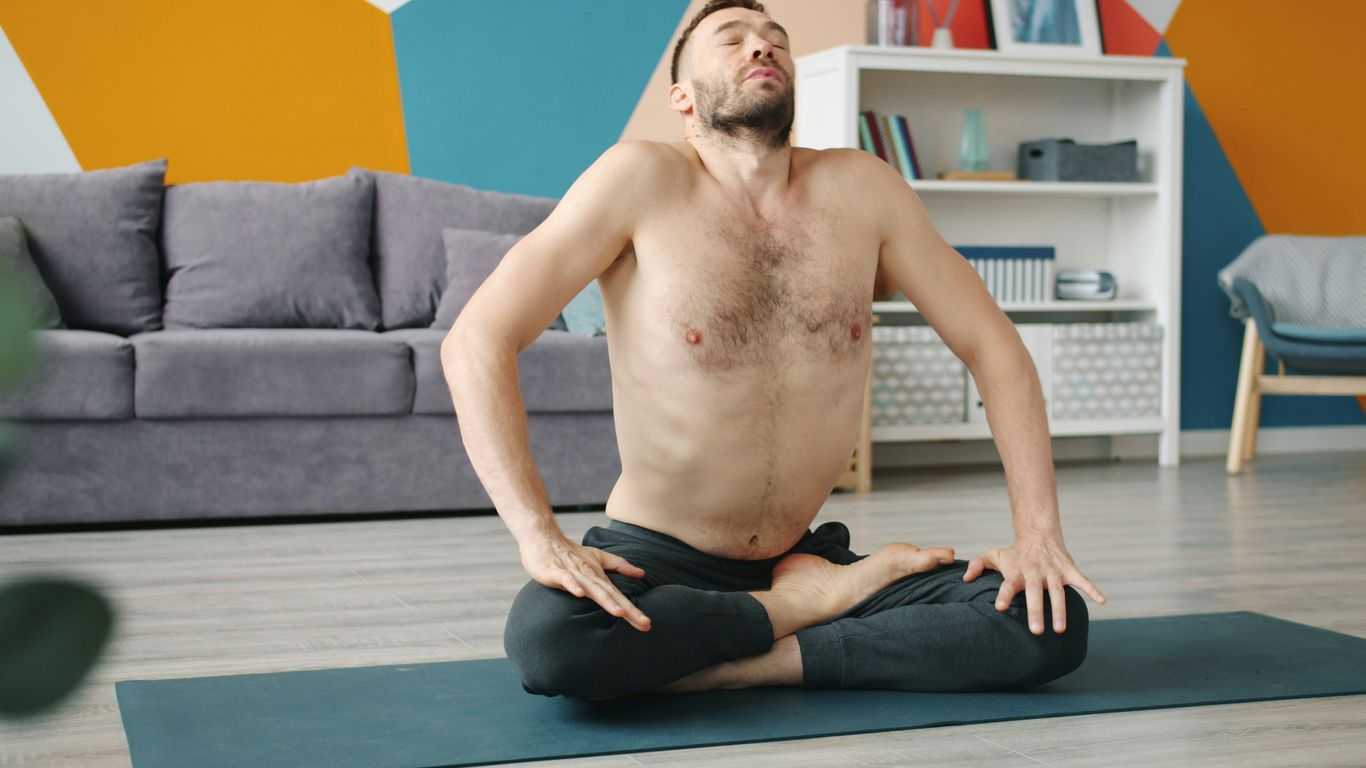
When you flip your world upside down, it's not just your body that gets a workout. Your mind and emotions can get a serious tune-up too. It’s like hitting a pause button on the usual mental noise and giving your brain a chance to reset. Many people find that even a few minutes in a gentle inversion can quiet down that constant stream of thoughts, making it easier to focus on what's actually important.
Sharpening Focus and Cognitive Function
Ever feel like your brain is running on low battery? Inversions can help. When you're upside down, your brain gets a fresh surge of oxygenated blood. This isn't just a physical sensation; it can actually make it easier to concentrate and think more clearly. It’s like waking up your brain cells after a long nap. You might notice that after a short inversion practice, you can tackle tasks with more precision and less mental fog. It’s a simple, physical way to give your cognitive abilities a boost.
Reducing Stress and Alleviating Anxiety
Stress and anxiety often manifest as a racing mind and a tense body. Inversions offer a unique way to interrupt these patterns. By literally changing your perspective, you can break free from anxious thought loops. The increased blood flow to the brain is thought to have a calming effect, similar to how deep breathing works. It’s a physical cue to your nervous system that it’s okay to relax. Some people report a noticeable drop in feelings of tension after regular inversion practice.
Promoting Relaxation and Nervous System Balance
Beyond just calming the mind, inversions can help bring your entire nervous system into a more balanced state. When we're stressed, our sympathetic nervous system (the 'fight or flight' response) can become overactive. Inversions, especially when practiced mindfully, can help activate the parasympathetic nervous system (the 'rest and digest' response). This shift promotes a sense of deep relaxation and can help your body recover from daily stressors. It’s a way to actively encourage your body to let go of tension it might be holding onto without you even realizing it.
The physical act of inverting can create a powerful mental shift. It's a reminder that sometimes, the best way to solve a problem or overcome a challenge is to simply change your viewpoint. This can translate into a more resilient and positive outlook on life's everyday hurdles.
Here's a quick look at how inversions can impact your mental state:
- Quiets mental chatter: Helps reduce the constant stream of thoughts.
- Improves concentration: Boosts focus and attention span.
- Calms the nervous system: Encourages relaxation and reduces feelings of stress.
- Shifts perspective: Offers a new way to view challenges.
The Transformative Power of Shifting Perspective
Sometimes, just flipping your world upside down can do wonders for how you feel about everything. It’s not just about the physical act; it’s about what happens in your head when you do it. When you're hanging upside down, even for a short bit, the world looks different. Things that seemed like huge problems might suddenly feel a lot smaller, or at least more manageable. It’s like your brain gets a little jolt, and suddenly you can see things from a new angle.
Building Self-Assurance and Confidence
Successfully holding an inversion, even for just a few breaths, can give you a quiet sense of accomplishment. It’s a personal win. You’re proving to yourself that you can do something challenging. This feeling doesn't just stay on the yoga mat; it can spill over into your everyday life. You might find yourself more willing to try new things or tackle tasks that used to seem too difficult. It’s like building up a little internal cheerleader who reminds you that you’re capable.
Embracing the Learning Journey and Resilience
Let’s be real, learning inversions isn’t always smooth sailing. You’ll probably wobble, maybe even fall, and feel a bit awkward sometimes. That’s totally normal! The process of learning is where the real growth happens. It teaches you to be patient with yourself and to keep trying even when it’s tough. It’s about understanding that progress isn’t always a straight line upwards. Sometimes you take a step back, and that’s okay. It builds a kind of mental toughness, a resilience that helps you bounce back from setbacks.
Here’s a look at what you might experience:
- Initial Wobbles: Feeling unsteady and unsure.
- Momentary Success: Holding a pose for a few seconds.
- Consistent Practice: Gradually increasing hold times and trying new variations.
- Inner Shift: Feeling more confident and less afraid of challenges.
Gaining a New Outlook on Life
Seeing the world from a different viewpoint can genuinely change how you think. When you’re inverted, you have to rely on your body in a new way, which can make you more aware of yourself. Plus, it’s just plain fun! It’s a reminder to not take everything so seriously and to find joy in movement. It’s like a mental reset button, helping you approach problems with fresh eyes. This simple act of changing your physical position can lead to profound shifts in your mental and emotional state.
When you step outside your usual way of being, even just by going upside down, you create space for new thoughts and feelings to emerge. It’s a physical reminder that there’s always another way to look at things, and that can be incredibly freeing.
Understanding The Energetic Benefits of Inversion
Awakening the Body's Energy Centers
When you flip yourself upside down, it's like you're giving your body's internal energy system a gentle nudge. In many traditions, we talk about energy pathways and centers within us. Going against gravity for a bit can help clear out any sluggishness or blockages that might have built up. Think of it like clearing a drain; once it's clear, everything flows much better. This can lead to a feeling of being more "alive" and connected within yourself. It's not about forcing anything, but rather allowing a natural shift to happen.
Increasing Vitality and Stamina
It might sound odd, but spending time inverted can actually make you feel more energetic. When your head is below your heart, blood flow to your brain naturally increases. This means more oxygen gets to your brain, which can help you feel more alert and focused. Over time, this can translate into having more stamina for your day-to-day activities. It's a way to tap into your body's natural energy reserves without needing a jolt of caffeine. It's a subtle but noticeable boost that can make a real difference.
Balancing the Nervous System
This is where things get really interesting. Inversions can have a surprisingly calming effect on your nervous system. When we're stressed, our "fight or flight" response is often on overdrive. Inverting can help to switch that off, promoting a "rest and digest" state. It's like hitting a reset button for your body and mind, helping to reduce that constant hum of tension many of us live with. This can lead to a deeper sense of peace and well-being.
The energetic shifts from inversion are subtle, but they can profoundly impact how you feel. It's about working with your body's natural flows rather than against them.
Here's a quick look at what happens:
- Improved Circulation: Blood rushes to your brain, bringing fresh oxygen.
- Energy Flow: Helps clear blockages in your body's energy pathways.
- Nervous System Calm: Signals your body to relax and de-stress.
- Sense of Balance: Promotes an overall feeling of equilibrium, both physically and energetically.
Mastering Foundational Inversions Safely
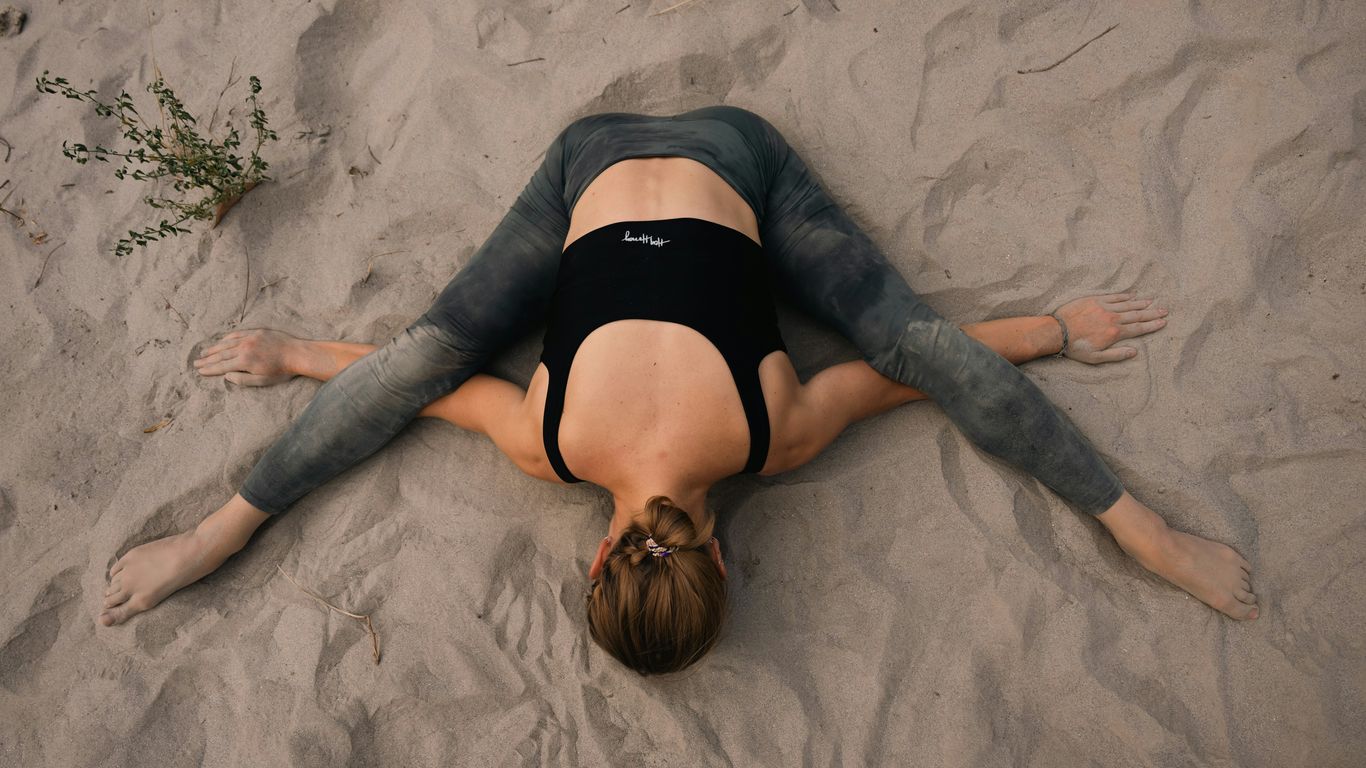
Alright, so you're ready to get upside down, which is super exciting! But before you go trying to stand on your head, let's talk about doing it the smart way. It’s not about being fearless; it’s about being prepared. Think of it like learning to swim – you start in the shallow end, right? Same idea here.
Gentle Inversion Options for Beginners
If you're just dipping your toes into the world of inversions, there are some really accessible ways to start. You don't need to jump straight into a handstand. A great place to begin is with Legs-Up-the-Wall pose (Viparita Karani). It’s incredibly simple: just lie on your back and extend your legs up the wall. It’s a mild inversion that still offers a lot of benefits, like calming the nervous system and helping with circulation, without much risk. Another good one is Downward-Facing Dog (Adho Mukha Svanasana). It’s a classic for a reason, building strength in your arms and shoulders while giving you that gentle head-down feeling.
Progressing Through Inversion Poses
Once you're comfortable with the basics, you can start to build up. The key here is gradual progression. Don't rush it. Think about building strength in your supporting muscles first. Plank pose is fantastic for this, really waking up your core and shoulders. You can also try Dolphin pose, which is like a forearm version of Downward-Facing Dog, and it’s a great precursor to more intense inversions. Eventually, you might work your way up to using a wall for support in poses like a supported Headstand (Salamba Sirsasana) or Shoulderstand (Salamba Sarvangasana). It’s all about taking small, consistent steps.
Here’s a simple way to think about the progression:
- Start Gentle: Legs-Up-the-Wall, gentle forward folds.
- Build Strength: Plank, Dolphin pose, Downward-Facing Dog.
- Add Support: Wall-assisted Headstand or Handstand.
- Explore Independently: As strength and confidence grow, try poses without support.
Importance of Body Awareness and Listening to Your Body
This is probably the most important part of practicing inversions safely. Your body will tell you what it can handle. If something feels sharp, painful, or just plain wrong, stop. Don't push through pain. It’s better to back off and try again another day. Pay attention to how you feel before, during, and after the practice. Are you feeling dizzy? Is your neck strained? These are signals. Learning to listen to these cues is just as vital as learning the poses themselves. It’s about building a practice that serves you, not one that pushes you into injury.
Practicing inversions is a journey, not a race. Focus on building a strong foundation, respecting your body's limits, and celebrating the small victories along the way. Safety and mindful progression are your best guides.
Wrapping It All Up
So, after looking at all this, it's pretty clear that getting upside down, even just a little, can do a lot of good. It's not just about looking different or doing a cool pose; it really seems to help with how your body works and how you feel mentally. Think better blood flow, a calmer mind, and maybe even a bit more energy. It’s not about becoming a circus performer overnight, though. The main thing is to ease into it, pay attention to your body, and find what feels right for you. Give it a shot, and you might be surprised at how much better you feel, inside and out.
Frequently Asked Questions
What exactly is inversion?
Inversion is basically any pose where your head is lower than your heart. Think of poses like a headstand, shoulder stand, or even a downward-facing dog. It's all about changing how gravity affects your body for a little while.
Is inversion good for my body?
Yes! When you invert, gravity helps blood flow back to your heart, which can make your brain and organs get more oxygen. It can also help your body get rid of waste and make your legs feel less swollen. Plus, it helps build strength in your core, shoulders, and arms.
Can inversion help my mind too?
Definitely. Being upside down can make you feel more focused because you have to concentrate to stay balanced. It can also help calm your nervous system, making you feel less stressed and anxious. It's like a mini-break for your brain.
I'm new to this, how can I start inversions safely?
You don't have to do a full headstand right away! Start with gentle poses like 'legs-up-the-wall' or downward-facing dog. Using props like blankets can also help. The most important thing is to listen to your body and not push yourself too hard.
How does inversion affect my energy levels?
It might seem strange, but going upside down can actually give you more energy. Better blood flow to your brain means more oxygen, which can make you feel more awake and alert. Over time, it can help you have more stamina for your day.
What if I wobble or fall out of an inversion?
That's totally normal when you're learning! Falling and wobbling are part of the process. It teaches you to be patient and not give up. The goal is to learn and grow, not to be perfect right away. Just get back up and try again when you're ready.

