

Unlock Your Potential: A Deep Dive into Evolution Flow Yoga
Have you ever felt like your yoga practice could go deeper, or maybe you're looking for a way to connect more with your inner self? Evolution Flow Yoga might be what you're looking for. It's a style that really focuses on how you can grow and change through your practice. It's not just about the poses, but about the whole journey. We'll explore what makes this type of yoga special and how it can help you find your own path.
Key Takeaways
- Evolution Flow Yoga is built on core principles that encourage personal growth and change within your practice.
- The practice emphasizes the flow of energy, particularly Vyana Prana, to help you expand your experiences and potential.
- Yin Yoga, often paired with flow styles, helps balance energies and encourages self-reflection and inner inquiry.
- Becoming a teacher involves not just learning poses, but also understanding anatomy, energetic systems, and how to support students.
- The yoga journey is a continuous process of curiosity, trying new things, and integrating what you learn, trusting your inner guidance along the way.
Understanding Evolution Flow Yoga
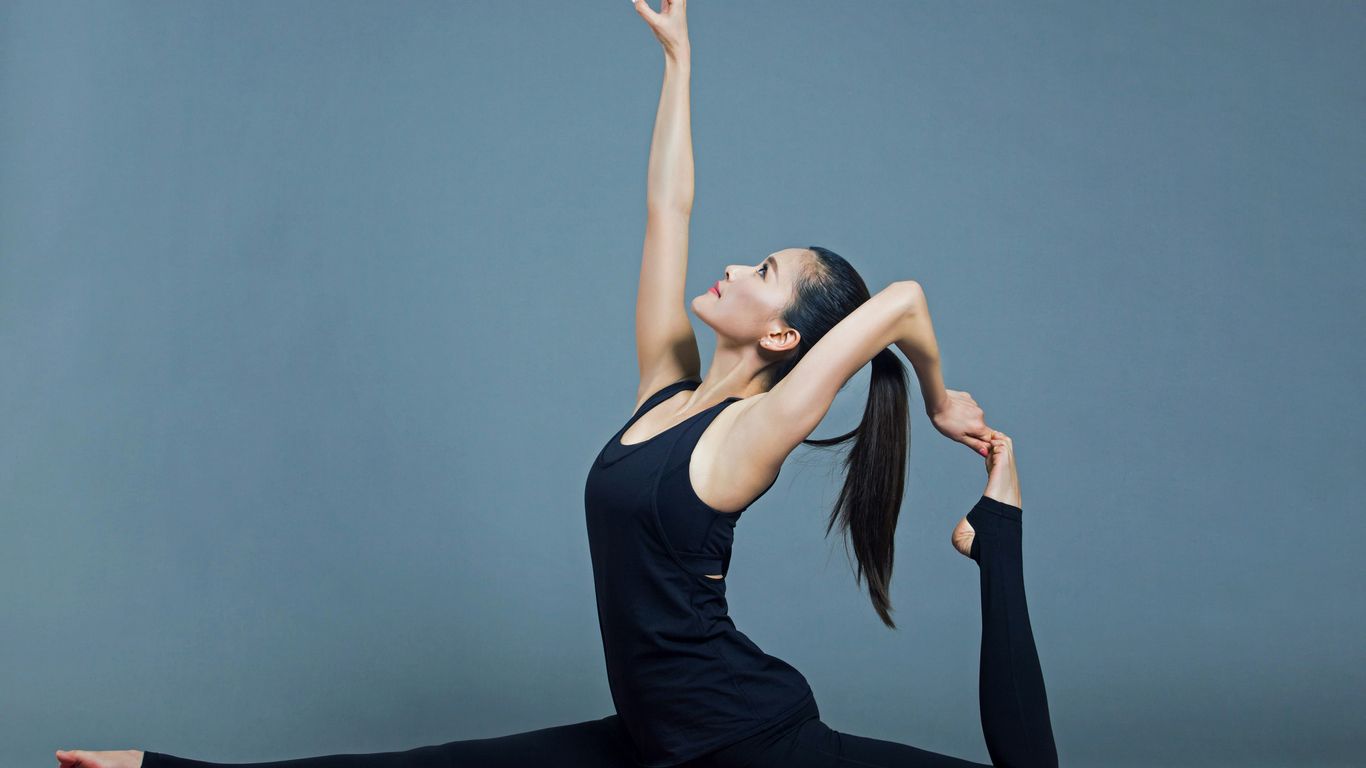
Evolution Flow Yoga isn't just about moving through poses; it's a dynamic approach to practice that encourages continuous growth and adaptation. Think of it as a living, breathing system that mirrors the natural processes of change we see all around us. The goal is to cultivate a practice that evolves with you, responding to your needs and deepening your connection to yourself.
The Core Principles of Evolution Flow Yoga
At its heart, Evolution Flow Yoga is built on a few key ideas:
- Dynamic Movement: Poses aren't static. They flow into one another, creating a continuous stream of energy and breath.
- Personalized Progression: The practice is designed to meet you where you are, allowing for growth and adaptation over time.
- Mind-Body Connection: It emphasizes the link between physical movement, breath, and mental awareness.
- Holistic Well-being: The aim is to support not just physical health, but also mental and emotional balance.
Embracing Expansion and Evolution in Practice
This style encourages you to step outside your comfort zone, not in a jarring way, but through gentle, organic expansion. It's about recognizing that growth is a natural part of life and that your yoga practice can be a powerful tool for that growth. When you allow yourself to expand in your poses, you're also opening up to new possibilities off the mat. This means being open to trying new things, letting go of old habits that no longer serve you, and embracing the journey of becoming more fully yourself.
The practice invites a sense of exploration, where each session can feel a little different, a little new. It's about being present with whatever arises, rather than striving for a fixed outcome. This adaptability is what makes the practice so sustainable and rewarding over the long haul.
The Role of Prana in Your Yoga Journey
Prana, often translated as life force or vital energy, is central to Evolution Flow Yoga. It's the invisible current that animates us, connecting our physical bodies to our minds and spirits. In this practice, we learn to consciously work with prana, guiding its flow through movement and breath. By doing so, we can influence our state of being, moving from feeling stuck or stagnant to feeling vibrant and alive. It's about learning to harness this energy for balance, clarity, and overall well-being.
Deepening Your Practice with Evolution Flow Yoga
Taking your yoga practice a step further isn’t about complicated poses or chasing perfection. It’s about becoming aware of the subtle shifts inside you and learning how energy moves through the body and mind. Evolution Flow Yoga offers several tools to help you go deeper in ways that stick, day after day.
Exploring the Energetic Flow of Vyana Prana
Working with Vyana Prana means learning to sense the core energetic flow that radiates outward across your entire body. Here’s how you might start noticing it:
- Focus on your breath moving from the heart center to the edges of your limbs
- Practice soft, repetitive flows that highlight expansion and connection
- Spend a minute after each sequence pausing and simply sensing the subtle pulses inside you
Once you tap into Vyana Prana, it’s like everything feels more linked—each movement, each breath, each thought becomes part of a bigger rhythm.
When you truly allow yourself to feel this energetic flow, the desire for strict results melts away, and the practice finally feels like yours.
Cultivating Witnessing Without Attachment
There’s a simple, but often overlooked, idea in Evolution Flow Yoga: learn to witness instead of react. This practice asks you to observe thoughts or feelings as they show up without letting them run the show. To build this, try:
- Noticing your thoughts during yoga without jumping to conclusions or judgment.
- Breathing steadily when discomfort or frustration arises, trusting it will pass.
- Watching where the mind goes during long holds or moments of stillness.
Letting go of the urge to label every experience good or bad opens up a sense of steady calm, both in class and in daily life.
The Path Towards Enlightenment Through Yoga
This part of the journey isn’t as far off or mystical as some make it sound. In Evolution Flow Yoga, enlightenment starts by letting yourself simply be present. Over time, a few things start to happen:
- The space between thoughts gets bigger, creating more clarity
- You become less attached to the outcome, more interested in the process
- Regular practice turns everyday moments into opportunities for insight
| Stage | What It Feels Like | Common Experience |
|---|---|---|
| Awareness Awakens | More space and quiet in your mind | Calm breathing, softer thinking |
| Attachment Loosens | Less bothered by ups and downs | Fewer quick reactions |
| Insight Grows | Small flashes of understanding about yourself | Unexpected moments of peace |
Enlightenment in this context isn’t a finish line. It’s more a gradual, practical shift from being stuck in your thoughts to feeling a steady presence that you can bring anywhere.
So, in everyday language: you don’t have to be a sage or shut yourself away in a retreat. Every time you step on your mat and genuinely pay attention, you’re already on the path.
The Transformative Power of Yin Yoga
Sometimes, the most profound shifts happen when we slow down. Yin Yoga is that invitation to pause, to soften, and to really feel what's going on inside. It's not about pushing your limits or achieving a certain shape; it's about creating space, both physically and mentally. This practice encourages a deep connection with your inner world, allowing for a gentler, more introspective approach to your yoga journey.
Balancing Yin and Yang Energies
We live in a world that often celebrates Yang energy – the active, the outward, the busy. Yin Yoga offers a beautiful counterbalance. It taps into the receptive, the still, the inward flow. Think of it like this:
- Yang: Fast-paced, dynamic movement, outward focus.
- Yin: Slow, sustained holds, inward focus.
- Balance: A harmonious blend of both, leading to greater well-being.
Finding this equilibrium is key to a well-rounded life and practice. It’s about recognizing when to push and when to yield, when to be active and when to simply be.
Exploring the Spiritual Principles of Yin Yoga
Yin Yoga goes beyond the physical. It's a pathway to explore deeper aspects of ourselves. It's often described as a "secret door" to understanding our inner landscape. By holding poses for longer periods, we create an environment where we can observe our thoughts and emotions without immediate reaction. This practice can be a powerful tool for emotional healing, helping individuals connect with and process their feelings, leading to a greater sense of peace emotional healing.
The stillness found in Yin allows us to witness the subtle shifts within. It's in these quiet moments that we can begin to understand ourselves on a more profound level, uncovering layers of awareness we might otherwise miss.
The Practice of Self-Inquiry in Yin
Self-inquiry is a cornerstone of Yin Yoga. It's about asking questions and observing the answers that arise from within, without judgment. In Yin, this looks like:
- Settling into a pose: Finding a comfortable edge where you feel sensation but not strain.
- Observing sensations: Noticing what arises in the body – warmth, coolness, tingling, pressure.
- Witnessing thoughts and emotions: Acknowledging any mental chatter or feelings that surface.
- Resting in awareness: Returning to the breath and the present moment.
This process cultivates a deep sense of self-awareness and acceptance, transforming your relationship with yourself and your practice.
Mastering Yin Yoga Teacher Training
Getting ready to teach Yin Yoga is a big step, and a good teacher training program really makes a difference. It’s not just about memorizing poses; it’s about understanding the deeper currents that flow through this practice. You’ll learn how to work with the body’s structure in a way that respects its unique design, looking at joints and tissues that respond best to longer holds.
Functional Anatomy and Energetic Meridians
This part of the training is where things get really interesting. We move beyond just knowing where muscles are and start to understand how the body works as a whole system. Think about it like learning the plumbing and electrical systems of a house – you need to know how everything connects to keep it running smoothly. We’ll look at:
- Joints and Fascia: Understanding how these tissues respond to sustained pressure.
- Meridian Lines: Exploring the energetic pathways that are central to Traditional Chinese Medicine and how Yin Yoga interacts with them.
- The Five Elements: Connecting these ancient concepts to the energetic flow within the body.
Learning the anatomy of Yin Yoga isn't just about the physical form; it's about recognizing the subtle energy body and how the two influence each other. This awareness helps create a practice that is both safe and deeply transformative.
Building a Personal and Professional Practice
Teacher training isn't just about what you'll teach, but also about how you'll be as a teacher. It’s about cultivating your own steady presence. You’ll explore how to structure a Yin class, finding a rhythm that allows students to settle in. This includes:
- Sequencing: Learning how to thoughtfully arrange poses for a balanced experience.
- Pacing: Understanding the importance of silence and stillness.
- Modifications: Developing the skill to offer variations that suit different bodies and needs.
The goal is to build confidence in your own practice so you can authentically guide others.
Holding Space for Yourself and Others
Perhaps one of the most profound aspects of Yin Yoga teacher training is learning to hold space. This means creating a safe, non-judgmental environment where students can explore their inner landscape. It’s a skill that benefits not only your future students but also your own personal growth.
| Skill Area | Description |
|---|---|
| Presence | Being fully attentive and grounded during practice and teaching. |
| Empathy | Understanding and sharing the feelings of another. |
| Non-Attachment | Observing without judgment or the need to change what is arising. |
| Active Listening | Truly hearing what students express, both verbally and non-verbally. |
The Journey of Yoga Evolution
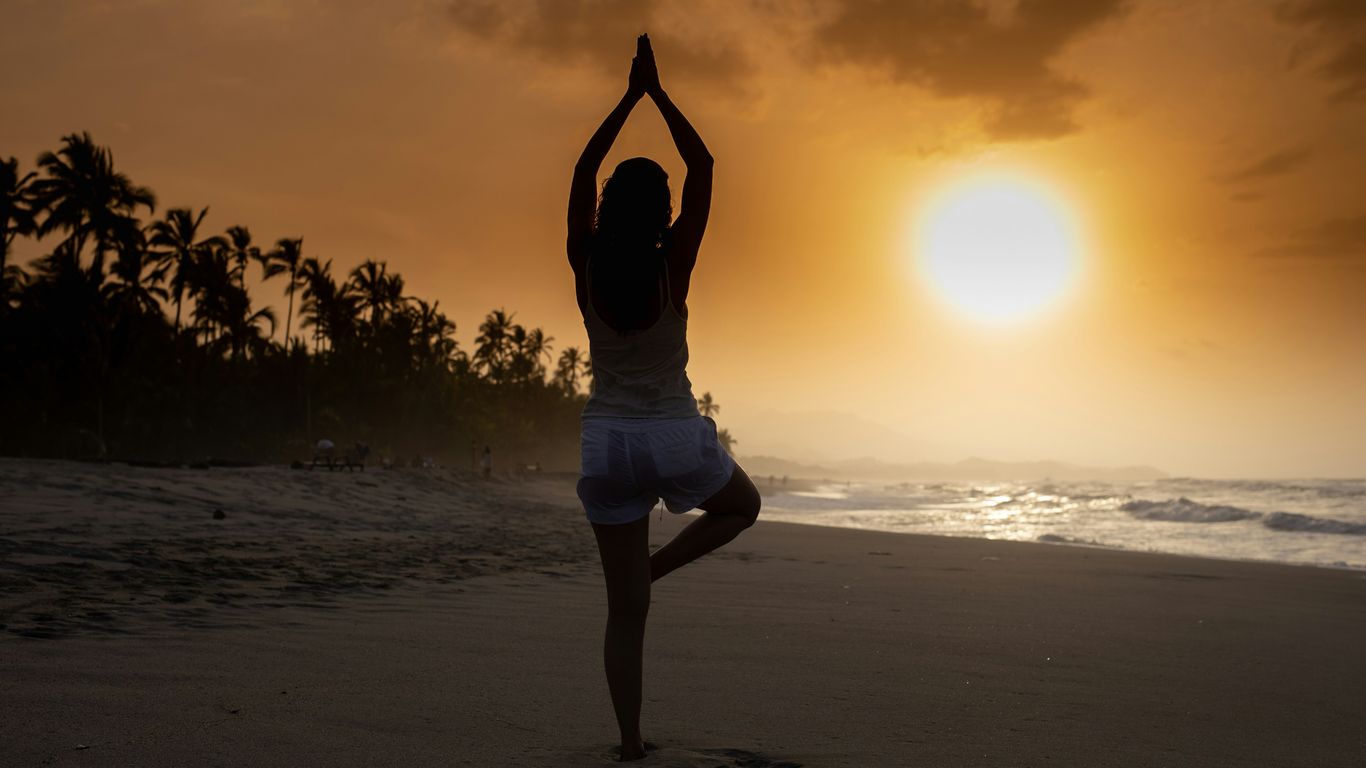
Every yoga path has its own rhythm, and the journey of evolution in yoga is no different. It's a natural progression that unfolds in stages. You start with a spark of curiosity, then you begin to explore different movements and ideas. This is the experimentation phase. After you've played around and seen what feels right, you start to weave those discoveries into your regular practice. This is integration.
Curiosity, Experimentation, and Integration
Think of it like learning to cook. First, you're curious about a recipe. Then, you try making it, maybe swapping out an ingredient or two – that's experimentation. Finally, you make it your own, adding it to your go-to meals. Yoga is similar. You might try a new pose, a different breathing technique, or even a new style of yoga. The key is to see what sticks and how it helps you grow.
- Curiosity: What draws you to a particular pose or practice?
- Experimentation: How does it feel in your body and mind when you try it?
- Integration: How can you bring this new awareness or technique into your daily life?
Trusting Your Inner Guide
As you move through these stages, you'll start to notice a quiet voice within. This is your inner guide. It's not loud or demanding, but it nudges you in the right direction. It encourages you to let go of what no longer serves you and to embrace the present moment. Learning to listen to this inner wisdom is a huge part of your yoga evolution. It’s about recognizing that the answers you seek are already inside you.
The path of yoga isn't about following a rigid set of rules, but about developing a deep, intuitive connection with yourself. This connection allows you to adapt and grow, no matter what challenges or opportunities arise.
Connecting with a Global Community
While your yoga journey is deeply personal, you don't have to walk it alone. There's a whole world of people out there practicing yoga, sharing their experiences, and supporting each other. Connecting with a community, whether online or in person, can provide inspiration and a sense of belonging. You can learn from others, share your own insights, and realize that you're part of something much bigger than yourself. It’s pretty amazing how a shared practice can bring people together from all corners of the globe.
Becoming an Evolution Flow Yoga Teacher
So, you've felt the pull, the deepening connection to Evolution Flow Yoga, and now you're thinking about sharing that with others. That's a big step, and it's totally normal to feel a mix of excitement and maybe a little bit of 'can I really do this?' It's more than just knowing the poses; it's about embodying the philosophy and being able to guide others through their own journey. The path to becoming a teacher is as much about your own growth as it is about teaching.
Unlocking Your True Potential
This isn't just about getting a certificate. It's about looking inward and finding that wellspring of knowledge and confidence you already possess. Think of it like this: you've been practicing, you've felt the shifts, and you've learned what works for you. Now, it's about translating that personal experience into something you can offer to students. It involves a lot of self-reflection and a willingness to be open. You'll explore your own patterns and discover how to move past limitations, both on and off the mat. It’s about recognizing that your unique perspective is exactly what makes you a great teacher.
Guiding Students Through Profound Practices
When you teach, you're not just leading a class; you're holding a space for transformation. This means understanding the subtle energies at play, like the flow of prana, and how to help students connect with it. You'll learn how to sequence classes that build intelligently, offering modifications so everyone feels included and supported. It’s about creating an environment where students feel safe to explore, to challenge themselves, and to simply be present. You'll learn to observe your students, not just their physical alignment, but their energetic state, and respond with sensitivity and wisdom. This kind of teaching takes practice, patience, and a lot of heart.
Stepping Into Your Authority as a Teacher
There's a moment when you realize you're not just mimicking what you've learned, but you're truly teaching from your own well of experience. This is stepping into your authority. It means trusting your intuition, speaking your truth, and owning your unique teaching style. You'll learn to handle questions with grace, to offer adjustments that are helpful, and to manage the energy of a room. It’s about being a steady presence, a guide who is both knowledgeable and approachable. Remember, your journey is ongoing, and that continuous learning is part of your authority. You're not expected to know everything, but to be a dedicated student of the practice yourself, which in turn informs your teaching. If you're looking for a structured path to this, consider a 200hr Flow Yoga Teacher Training.
The process of becoming a teacher is a continuous unfolding. It requires dedication to your own practice, a deep well of compassion for others, and the courage to share your authentic self. It's a journey that rewards you as much as it does your students.
Keep Flowing Forward
So, that's a look at Evolution Flow Yoga. It's more than just stretching; it's about finding a rhythm that works for you, both on and off the mat. Whether you're just starting out or have been practicing for years, there's always something new to discover. Remember, this journey is yours, and the practice is there to support you as you grow. Keep showing up, keep exploring, and see where the flow takes you.
Frequently Asked Questions
What is Evolution Flow Yoga?
Evolution Flow Yoga is a style of yoga that focuses on growth and change. It's about moving and flowing through poses while also working on becoming a better version of yourself, both on and off the mat. Think of it as a journey of self-discovery through movement.
How does Evolution Flow Yoga help with personal growth?
This yoga style encourages you to expand your energy and experiences. By practicing, you learn to let go of old habits and embrace new possibilities, helping you grow continuously. It's like opening yourself up to new ways of being.
What is the role of 'Prana' in this yoga practice?
Prana is like the life force or energy that flows through you. In Evolution Flow Yoga, we pay attention to how this energy moves. Specific types of prana, like Udana and Vyana, help you become more aware and move towards a more enlightened state of being.
How is Yin Yoga different from Evolution Flow Yoga?
While Evolution Flow Yoga is about active movement and growth, Yin Yoga is about slowing down and holding poses for longer periods. It balances the active 'Yang' energy with the calm 'Yin' energy, helping you find inner peace and explore deeper aspects of yourself.
What can I expect from a Yin Yoga Teacher Training?
A Yin Yoga Teacher Training will teach you how to safely guide others through Yin poses. You'll learn about the body's structure, energy pathways (like meridians), and how to help students connect with themselves. It's about building skills to teach and also to deepen your own practice.
How can I become an Evolution Flow Yoga teacher?
Becoming a teacher involves diving deep into your own practice, learning to guide others, and finding your own voice. It's about unlocking your potential, sharing profound yoga practices, and confidently stepping into your role as a teacher who can inspire students.


