
Unlock Your Potential: Choosing the Best Yoga Teacher Trainings for Your Journey
Thinking about becoming a yoga teacher? It's a path many are exploring these days, wanting to share the good vibes yoga brings. Getting certified is a solid way to get deeper into your own practice and help others find their calm too. This guide is here to help you figure out the best yoga teacher trainings for your personal journey. We'll cover the basics so you can find a program that feels right.
Key Takeaways
- Look for Yoga Alliance certification for wider recognition.
- Pick a yoga style that genuinely interests you.
- Focus on learning teaching skills, not just poses.
- Consider where the training is held to make learning easier.
- Keep learning after you're certified to grow as a teacher.
1. Yoga Alliance Certification
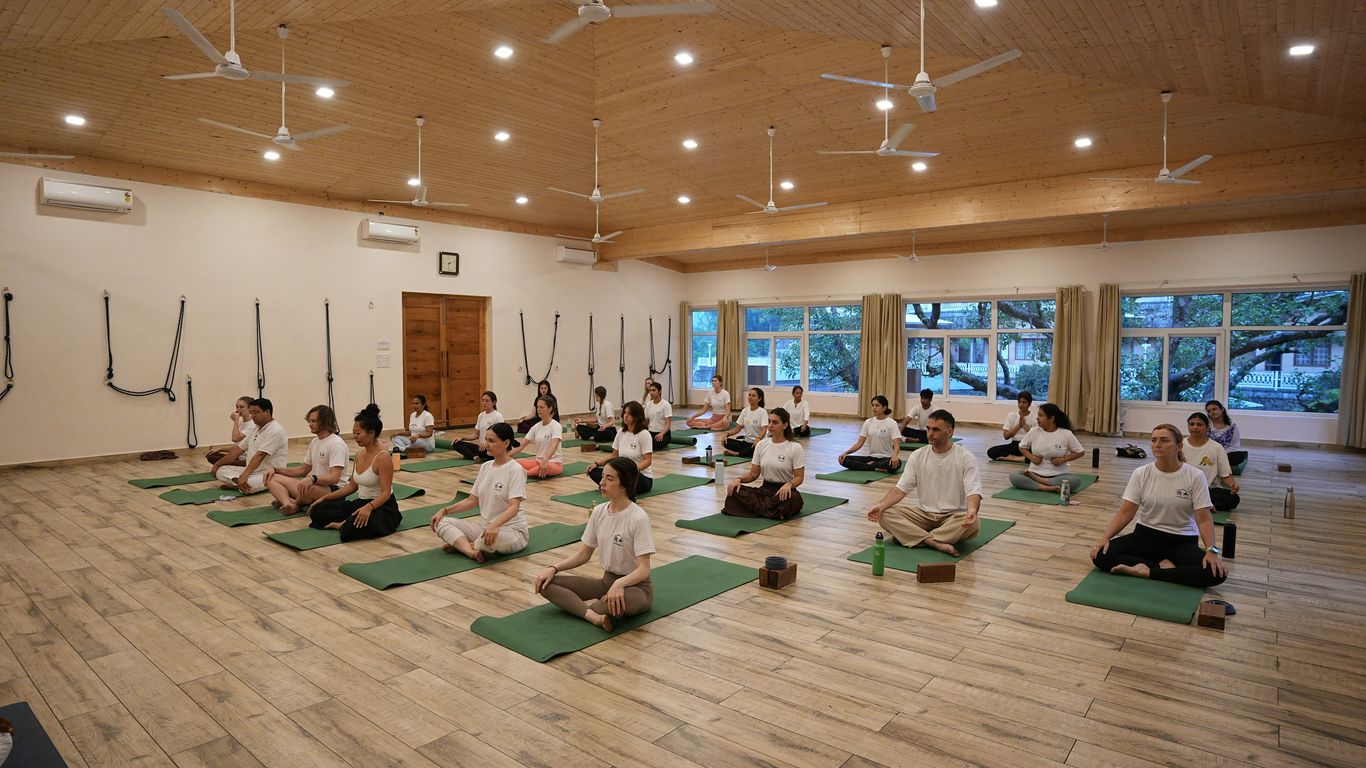
When you're looking into yoga teacher training, you'll probably see 'Yoga Alliance Certified' mentioned a lot. So, what's the deal with Yoga Alliance? Basically, it's a big, global organization that sets standards for yoga teacher training programs and the teachers themselves. Think of them as a central hub that helps make sure training programs are up to snuff and that teachers have a solid foundation.
Getting certified through a Yoga Alliance-registered program means you've completed training that meets their guidelines. This usually covers things like anatomy, how to teach poses, yoga philosophy, and ethics. It's a good starting point, especially if you're new to teaching or just want to really understand the basics.
The main benefit is that a Yoga Alliance certification is recognized pretty much everywhere. If you plan on teaching yoga, whether it's at a local studio, a big gym, or even on a retreat somewhere far away, having this certification can make a difference. It gives you a stamp of approval that many places look for.
Here's a quick look at the common training levels:
- 200-Hour Training: This is the most common starting point. It gives you the basics needed to start teaching. It's like the foundation for your teaching career.
- 300-Hour Training: This is an advanced level, often taken after your 200-hour. It lets you go deeper into specific topics and builds on what you already know.
- 500-Hour Training: This is a combination of a 200-hour and a 300-hour, or a direct 500-hour program. It signifies a significant amount of training and experience.
Yoga Alliance also has ways to track school quality. They use ratings, kind of like customer reviews, to give you an idea of what past students thought about their experience. Some schools might show a 'Net Promoter Score' (NPS), which is just a way to see how likely students were to recommend the program. It's helpful to look at these ratings when you're trying to pick the right place for you.
Choosing a program that's registered with Yoga Alliance can give you peace of mind. It means the school has met certain requirements, and your certification will likely be accepted by employers and other yoga organizations. It's a way to ensure you're getting a solid education that prepares you for teaching.
Beyond the initial training, Yoga Alliance also has requirements for continuing education. This means that once you're certified, you'll need to keep learning to maintain your registration. Many schools offer continuing education courses, which is a great way to keep your skills sharp and learn new things.
2. Vinyasa Yoga Training
Vinyasa yoga, often called "flow yoga," is a really popular choice for teacher training these days. It’s all about connecting your breath with movement, creating a smooth, continuous sequence of poses. Think of it like a dance, but on your yoga mat. This style can be quite athletic and a great way to build strength and flexibility, plus you get a good workout.
When you're looking at Vinyasa teacher training programs, here are a few things to keep in mind:
- Curriculum Focus: Does the program emphasize creative sequencing? How much time is dedicated to understanding the transitions between poses and linking them with breath?
- Pacing and Intensity: Vinyasa can range from moderately paced to very vigorous. Understand the typical class structure to see if it matches your preferred teaching style.
- Anatomy and Alignment: While Vinyasa is about flow, proper alignment is still super important to prevent injuries. Check how much attention the training gives to safe alignment within dynamic movements.
- Breathwork (Pranayama): The breath is the engine of Vinyasa. A good training will go deep into how to use breath to guide the practice and its energetic effects.
The core of Vinyasa training is learning to guide students through a dynamic flow that feels both challenging and meditative. It’s a style that allows for a lot of creativity, so you’ll likely spend time learning how to build your own unique sequences.
Many Vinyasa programs also incorporate elements from other styles, like Hatha, to give you a well-rounded foundation. This blend can help you develop a teaching approach that’s both fluid and grounded, making you a more adaptable instructor.
3. Hatha Yoga Program
Hatha yoga is often seen as the root of many modern yoga styles. Think of it as the foundational practice that many other types of yoga grew from. If you're just starting out with yoga or prefer a more measured pace, a Hatha program could be a good fit. These trainings usually focus on holding basic poses for a bit longer, really getting a feel for each posture. You'll also spend time on breathing exercises and simple meditation techniques.
This style is excellent for building a solid understanding of yoga's core principles.
What you can typically expect in a Hatha Yoga Teacher Training:
- Detailed instruction on fundamental yoga postures (asanas).
- Guidance on various breathing techniques (pranayama).
- Introduction to meditation practices.
- Basic anatomy and physiology relevant to yoga.
- Yoga philosophy and ethics.
Many Hatha programs are 200-hour certifications, which is a common starting point for aspiring teachers. They aim to give you the basics needed to start teaching safely and confidently. Some programs might blend Hatha with other styles, like Vinyasa, to give you a broader perspective.
When looking at Hatha programs, pay attention to the teacher's experience and the overall vibe of the training. Does it feel like a place where you can learn and grow without feeling rushed? A good Hatha training should help you feel more grounded and connected to your own body and breath.
Here's a general idea of what a 200-hour Hatha training might cover:
| Subject Area | Hours (Approximate) |
|---|---|
| Asana Practice | 75 |
| Anatomy & Physiology | 25 |
| Philosophy & Ethics | 20 |
| Teaching Methodology | 30 |
| Pranayama & Meditation | 20 |
| Practicum Teaching | 30 |
4. Ashtanga Yoga Course
Ashtanga yoga is a pretty specific system. It involves a set sequence of poses, always practiced in the same order. Think of it like a choreographed dance, but with a lot more physical challenge. This style is known for being quite rigorous and demanding, so it really requires a consistent commitment from its practitioners. If you're someone who thrives on structure and enjoys a physically demanding practice, an Ashtanga teacher training could be a great fit for you.
This disciplined approach builds strength, flexibility, and mental focus. It's not for everyone, but for those who connect with it, the Ashtanga path can be incredibly rewarding. You'll learn the primary series in detail, focusing on the breath-synchronized movement, or vinyasa, that links each pose. Expect to spend a lot of time on the mat, refining your understanding of the poses and how to guide others through them safely.
Here's what you might focus on in an Ashtanga training:
- Mastering the Primary Series (Yoga Chikitsa)
- Understanding the role of vinyasa between poses
- Learning proper breathing techniques (Ujjayi pranayama)
- Developing skills to teach modifications for different bodies
- Exploring the philosophical underpinnings of Ashtanga
Many Ashtanga trainings are designed to be immersive, often taking place over several weeks. This allows for a deep dive into the practice and its teachings. You might find programs that offer live, interactive weekend sessions accessible globally, blending guided practice with philosophy and teaching methods.
Ashtanga yoga demands dedication. It's a practice that can transform your body and mind through its consistent, challenging structure. Be prepared to work hard, but also to discover a new level of self-awareness and physical capability.
5. Yin Yoga Certification

So, you're looking into Yin Yoga teacher training? That's cool. Yin is all about slowing down, holding poses for a good long while, and really getting into those deeper connective tissues. It's not about building heat or strength like some other styles; it's more about flexibility and stillness. If you're drawn to a practice that encourages patience and introspection, Yin might be your jam.
When you're picking a Yin YTT, think about what you want to get out of it. Are you looking to teach, or just deepen your own practice? Most programs will cover the basics, but some go deeper into anatomy, philosophy, or even how to sequence a Yin class effectively. You'll definitely spend a lot of time in poses like seated forward folds, butterfly, and dragon, but the training will show you how to support yourself properly with props like bolsters and blankets.
Here's what you can generally expect in a Yin Yoga certification program:
- Understanding the 'Why': Learning the philosophy behind Yin, its connection to Traditional Chinese Medicine (like meridians and energy flow), and how it complements more active (Yang) practices.
- Pose Breakdown: Detailed instruction on the primary Yin poses, including proper alignment, modifications, and the use of props to target specific areas like the hips, spine, and hamstrings.
- Sequencing and Practice: How to build a Yin class, considering the duration of holds (often 3-5 minutes or more), transitions between poses, and creating a balanced experience for students.
- Anatomy Focus: A look at the fascia, joints, and ligaments, which are the primary targets of Yin practice, and how to work with them safely.
A good Yin training will really emphasize the meditative aspect of the practice. It's not just about holding a stretch; it's about learning to sit with discomfort, observe your thoughts, and cultivate a sense of calm. This is where the real magic of Yin happens, off the mat as much as on it.
6. Restorative Yoga Training
Restorative yoga training is all about learning to help others find deep relaxation and healing through gentle, supported poses. It's a different pace than some of the more active styles, focusing on stillness and passive stretching. When you're looking into these programs, you'll want to see how they approach teaching you to create a truly safe and nurturing space for students. This means understanding how to use props like bolsters, blankets, and blocks to fully support the body, allowing muscles to release tension without effort.
The core of restorative training is mastering the art of passive support.
What you'll typically learn in a good restorative yoga teacher training includes:
- Pose Variations and Prop Usage: How to adapt poses for different bodies and how to use props effectively for maximum comfort and therapeutic benefit.
- Nervous System Regulation: Techniques to guide students into a state of rest and digest, calming the sympathetic nervous system and activating the parasympathetic response.
- Sequencing for Relaxation: How to build a class that flows logically towards deep rest, considering the duration of holds and transitions.
- Mindfulness and Breathwork: Integrating mindful awareness and specific breathing techniques that deepen the relaxation response.
- Contraindications and Modifications: Understanding when restorative yoga is appropriate and how to modify for injuries or specific conditions.
This type of training is perfect for those who want to teach students dealing with stress, fatigue, or recovery. It's about creating an environment where people can truly let go and recharge their batteries. You'll learn to hold space for others in a way that promotes genuine rejuvenation.
When choosing a program, check if it covers how to craft secure, supported yoga poses designed to activate the nervous system for deep rest and repair. Learning these techniques can make a big difference in your ability to guide students effectively. It's less about physical exertion and more about cultivating a profound sense of peace and well-being.
7. Power Yoga Program
Power Yoga is a dynamic and athletic style that really gets your heart pumping. It's not just about the physical challenge, though; it's also about building mental focus and stamina. If you're looking for a training that pushes your limits and helps you develop a strong, vigorous practice, this could be it.
A Power Yoga teacher training program will typically focus on building strength, flexibility, and endurance through a vigorous sequence of poses. You'll learn how to guide students through challenging flows, emphasizing breath synchronization and mindful movement even at a fast pace. Expect to spend a lot of time refining your own practice and learning the nuances of sequencing for intensity and safety.
Here’s what you might expect in a Power Yoga training:
- Advanced Asana Breakdown: Deep dives into challenging poses and how to safely enter and exit them.
- Sequencing for Intensity: Learning to build heat and energy through intelligent pose order.
- Breathwork (Pranayama) for Stamina: Techniques to support sustained effort and focus.
- Teaching Methodology: Adapting cues and modifications for a fast-paced class.
- Anatomy and Physiology: Understanding the body's mechanics for injury prevention in demanding practices.
This style is great for those who enjoy a physically demanding workout and want to share that energy with others. It's about finding your edge and learning to guide students to find theirs too, all while maintaining a connection to the breath and the present moment. It's a serious workout, but incredibly rewarding.
When choosing a program, look for instructors with extensive experience in teaching Power Yoga and a curriculum that balances physical training with the philosophical underpinnings of yoga. Some programs might even offer specialized training in styles like Baptiste Yoga or other branded Power Yoga approaches. It's a good idea to check out programs that have good reviews, like those you might find for Drishti Beats online.
Consider the program's length and intensity. A 200-hour training is standard, but some may offer more intensive or specialized modules. Make sure the training aligns with your personal fitness level and your goals for teaching. Are you aiming to teach high-energy classes, or do you want to incorporate Power Yoga elements into a broader teaching style? Thinking about these questions will help you find the right fit.
8. Aerial Yoga Course
So, you're thinking about aerial yoga teacher training? It's a pretty cool niche, blending traditional yoga with the fun of using a hammock. This style uses a suspended fabric sling to support your body, allowing for deeper stretches and inversions that might be tough on a regular mat. It's like giving your spine a little vacation.
When looking for a training program, here are a few things to keep in mind:
- Safety First: Make sure the program really emphasizes safe rigging and proper spotting techniques. You don't want to be learning on equipment that's not secure.
- Instructor Experience: Who's teaching you? Look for instructors who have a solid background in both yoga and aerial arts, and ideally, have been teaching aerial yoga for a while.
- Curriculum Details: What exactly will you learn? A good program should cover not just the poses, but also anatomy relevant to aerial work, sequencing, and how to adapt for different bodies.
- Hammock Setup: Understand the type of hammocks used and how they are set up. Different setups can change the practice quite a bit.
Some programs might be recognized by Yoga Alliance, which can be a plus if you plan to teach in studios that require that kind of certification. Others might be more specialized. It really depends on what you want to do with your training afterward.
Aerial yoga training can be a fantastic way to add a unique skill set to your teaching repertoire. It opens up new possibilities for students to explore their practice, offering a sense of freedom and playfulness that's hard to find elsewhere. Just remember to prioritize programs that focus on safety and solid instruction.
9. Trauma-Informed Yoga Training
When you're looking into yoga teacher training, you might come across programs focused on trauma-informed yoga. This isn't just about gentle poses; it's a specialized approach designed for people who have experienced trauma. The goal is to create a safe space where students can reconnect with their bodies in a way that feels empowering, not overwhelming.
Trauma-informed yoga training teaches you how to adapt your teaching to be sensitive to the effects of trauma on the body and mind. This means understanding that certain poses, cues, or even the studio environment might trigger a stress response in someone who has experienced trauma. Instead of pushing through, the focus is on offering choices and empowering students to listen to their own bodies.
What you'll typically learn in these programs includes:
- Understanding the impact of trauma on the nervous system.
- Creating a safe and predictable class environment.
- Offering invitational language and choices for poses.
- Recognizing and responding to signs of distress.
- The importance of consent and boundaries in the yoga space.
- How to work with diverse populations affected by trauma.
Some programs, like Trauma Center Trauma-Sensitive Yoga (TCTSY), have been around for a while and are based on research. They often combine trauma theory with yoga practices, emphasizing body-based movement. These trainings are usually more in-depth, sometimes requiring a foundational 200-hour yoga teacher training first.
Choosing a trauma-informed training means you're preparing to offer yoga in a way that can be truly healing for those who need it most. It's about building trust and helping people find a sense of agency through their practice.
These programs can be a great fit if you're interested in working with specific populations, like veterans, survivors of abuse, or individuals dealing with mental health challenges. It's a path that requires a lot of heart and a commitment to creating a supportive and healing environment for everyone who walks through the door.
10. Mindfulness Yoga Certification
Mindfulness yoga training is a bit different from your typical yoga teacher course. Instead of just focusing on poses and sequences, it really zeroes in on the mental and emotional aspects of practice. The goal is to help you teach yoga in a way that cultivates present moment awareness and a non-judgmental attitude.
These programs often explore how to bring mindfulness principles into every part of your teaching, from how you cue poses to how you guide students through meditation. You'll likely learn about:
- The science behind mindfulness and its benefits.
- Techniques for observing thoughts and feelings without getting caught up in them.
- How to create a safe and supportive space for students to explore their inner experience.
- Integrating mindful movement with breathwork and meditation.
- Adapting mindfulness practices for different populations or needs.
It's not just about doing yoga; it's about being present. You might find yourself spending less time on complex asanas and more time on the subtle body, the breath, and the mind. Some programs might even touch on trauma-informed approaches, recognizing how important it is to approach practice with sensitivity and awareness.
When you're looking at mindfulness yoga training, check the curriculum. Does it talk about meditation techniques? Does it discuss how to guide students to notice their breath and bodily sensations? These are good signs that the program is serious about mindfulness. It's about teaching people to be more aware, not just more flexible.
Many mindfulness yoga certifications will also cover the basics of anatomy and teaching methodology, but the emphasis is always on the internal experience. You'll learn how to guide students to connect with themselves on a deeper level, using the yoga practice as a tool for self-discovery and well-being. It's a great path if you're drawn to the contemplative side of yoga and want to share that with others.
Your Yoga Journey Continues
So, you've looked through all the options and thought about what you really want from a yoga teacher training. It's a big step, for sure. Remember, picking the right program isn't just about getting a certificate; it's about finding a place that feels right for you, a place that will help you grow not just as a teacher, but as a person too. Take your time with this decision. Do your homework, trust your instincts, and know that the perfect training is out there waiting to help you share the good stuff about yoga with the world. Your adventure is just beginning.
Frequently Asked Questions
What is Yoga Alliance certification and why is it important?
Yoga Alliance is a big organization that sets standards for yoga teacher training programs. Getting certified through a program recognized by Yoga Alliance means your training meets certain quality levels. It's like getting a stamp of approval that many yoga studios and students look for. While not strictly required everywhere, it makes your certification more widely accepted, especially if you plan to teach internationally or at larger studios.
How do I choose the right yoga style for my teacher training?
Think about the kind of yoga you love doing and what feels good for your body and mind. Do you like fast-paced, energetic classes like Vinyasa or Power Yoga? Or maybe you prefer slower, more mindful practices like Hatha or Yin? Your teacher training should focus on the style you're most passionate about, so you can teach it effectively and authentically.
What's the difference between Hatha and Vinyasa yoga training?
Hatha yoga training usually focuses on holding poses for a few breaths and breaking down the basics of each posture. It's often a bit slower. Vinyasa yoga training, on the other hand, teaches you how to link poses together smoothly, moving with your breath in a more flowing sequence. Vinyasa classes tend to be more dynamic and faster-paced.
Are there special trainings for specific needs, like trauma-informed yoga?
Yes, definitely! Beyond the basic styles, there are specialized trainings like Trauma-Informed Yoga. These programs teach you how to create a safe and supportive environment for students who might have experienced trauma. They focus on gentle approaches, consent, and empowering students, which is super important for making yoga accessible and healing for everyone.
Can I do my yoga teacher training online?
Many programs now offer online options, which can be really convenient. You can learn a lot about yoga philosophy, anatomy, and teaching methods from home. However, some people find that the in-person experience, with hands-on adjustments and direct connection with teachers and fellow students, is more valuable for developing teaching skills. It really depends on what you're looking for.
What should I expect after completing my yoga teacher training?
Finishing your training is just the beginning! Most programs help you get started by offering advice on finding teaching jobs or setting up your own classes. Many also encourage continuing education through workshops or advanced training. Building a network with your classmates and teachers is also key, as they can become a great support system as you start your teaching journey.

