
Unlock Inner Peace: Effective Yoga for Release Stress and Anxiety
In today's busy world, finding a moment of calm can feel tough. Between work, family, and just life in general, stress and anxiety can pile up. But what if I told you there's a way to find some peace right within yourself? Yoga, this ancient practice, offers a practical path to help you let go of tension and feel more centered. It's not about being super flexible or doing complicated poses; it's about connecting with your breath and your body to bring a sense of ease into your everyday life. This guide will show you how yoga for release stress can become your go-to tool.
Key Takeaways
- Yoga helps reduce stress and anxiety through breath control, mindful movement, and specific poses.
- Different yoga styles, from gentle to dynamic, offer various ways to achieve calmness and release tension.
- Breathing techniques like Ujjayi, Alternate Nostril, and 4-7-8 breathing are powerful tools for immediate calm.
- Poses that encourage gentle stretching, forward folds, and deep relaxation are particularly effective for inner peace.
- Integrating mindfulness and meditation into your yoga practice deepens the mind-body connection and enhances stress relief.
Understanding Yoga for Release Stress
Life throws a lot at us, doesn't it? Sometimes it feels like a constant barrage of deadlines, worries, and just general overwhelm. It’s easy to get caught up in the daily grind and feel that tension building. That's where yoga comes in, offering a way to hit the pause button and find some calm. It's not just about fancy poses; it's a whole system designed to help you manage stress and feel more grounded. Yoga works by connecting your mind, body, and breath, creating a powerful antidote to the effects of chronic stress.
The Role of Breath Control in Stress Reduction
Our breath is a direct link to our nervous system. When we're stressed, our breathing often becomes shallow and rapid, signaling danger to our bodies. Yoga teaches us to consciously control our breath, a practice called pranayama. By taking slow, deep breaths, we can actually switch off that fight-or-flight response and activate our body's natural relaxation mode. It’s like flipping a switch from 'panic' to 'peace'.
Here are a few ways breathwork helps:
- Slows Heart Rate: Deep breathing signals safety, lowering your pulse.
- Reduces Cortisol: It helps decrease the stress hormone levels.
- Calms the Mind: Focusing on the breath quiets racing thoughts.
The simple act of paying attention to your breath can shift your entire state of being. It's a readily available tool you can use anytime, anywhere.
Yoga Poses for Relaxation and Stress Relief
Certain yoga poses are particularly good at releasing physical tension that often accompanies stress. Think of them as gentle ways to encourage your body to let go of stored-up tightness. These aren't about pushing yourself; they're about creating space and ease.
- Child's Pose (Balasana): This is a wonderfully grounding pose. You fold forward, resting your forehead on the mat, which can feel incredibly comforting and calming. It gently stretches the back and hips.
- Forward Fold (Uttanasana): Standing forward folds allow your head to hang heavy, which can be a relief for a tense neck and shoulders. It’s a pose where you can really practice surrendering.
- Corpse Pose (Savasana): Often done at the end of a practice, this pose is all about complete relaxation. Lying flat on your back, you allow your body to absorb the benefits of the practice. It might seem simple, but it's one of the most important for stress relief.
Mindfulness Meditation and Yoga: A Synergistic Approach
Yoga and mindfulness meditation are like best friends – they work incredibly well together. While yoga gets you moving and breathing, mindfulness meditation helps you observe your thoughts and feelings without getting carried away by them. When you combine these, you build a stronger connection between your mind and body. This connection helps you recognize stress triggers earlier and respond to them more calmly. It’s about being present in each moment, whether you're holding a pose or just sitting quietly. This practice can lead to a profound sense of inner peace and resilience, making it easier to handle life's ups and downs. You can find great resources for guided meditation to start.
Effective Yoga Practices for Anxiety and Tension
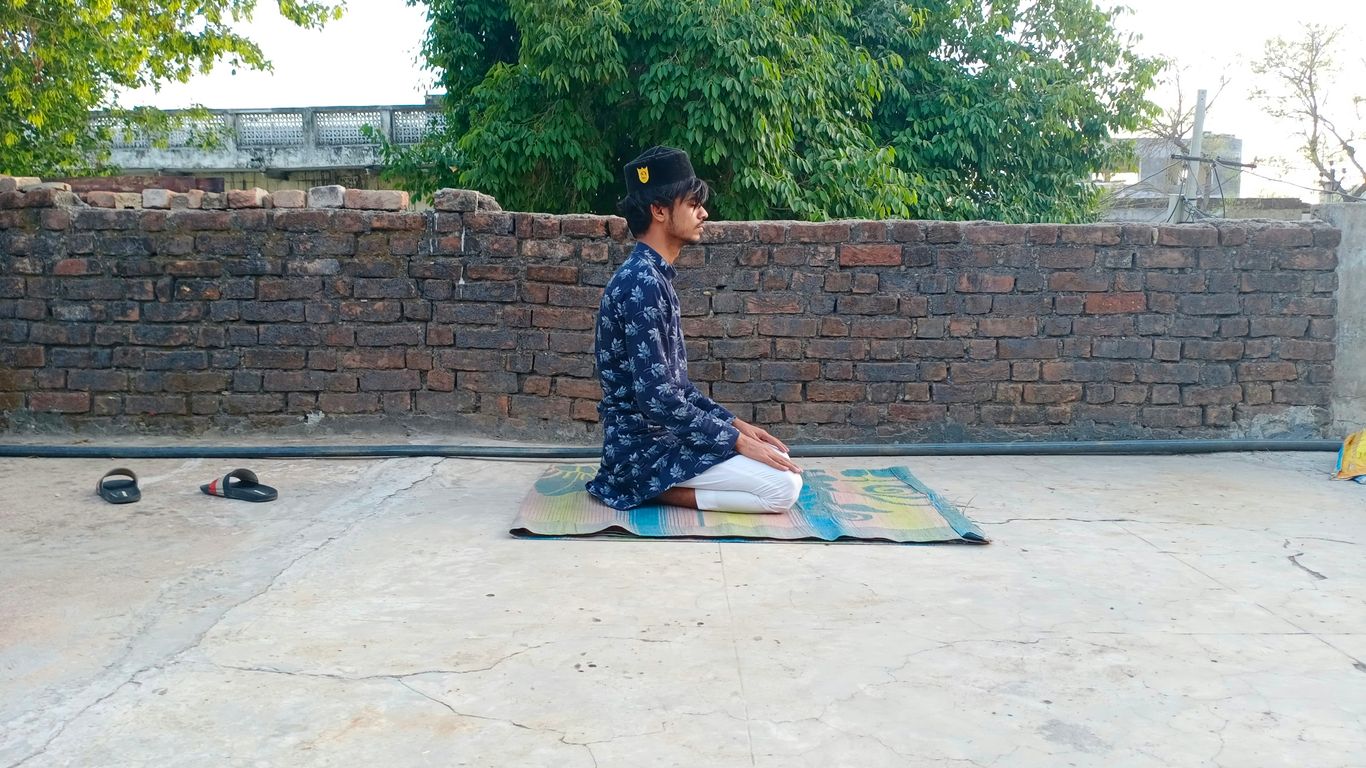
When life feels like it's spinning a bit too fast, yoga can offer a much-needed anchor. It's not just about bending into pretzel shapes; it's about finding ways to calm the nervous system and quiet the mental chatter that often comes with anxiety and tension. Different styles of yoga can help in distinct ways, so finding what works for you is key.
Gentle and Restorative Styles for Calmness
Sometimes, the best approach to feeling overwhelmed is to slow down. Gentle and restorative yoga styles are perfect for this. Think Hatha or Yin yoga. These practices focus on holding poses for longer periods, allowing your body to really sink into them. It’s less about exertion and more about release. You're not trying to push yourself; you're giving yourself permission to relax.
- Supported Poses: Using props like bolsters and blankets helps you hold poses comfortably, encouraging deep relaxation without strain.
- Slow Transitions: Moving slowly between poses gives your mind a chance to catch up with your body, reducing feelings of rush.
- Focus on Breath: These styles often emphasize long, deep breaths, which directly signal to your body that it's safe to relax.
These practices are like a gentle hug for your nervous system, helping to soothe the fight-or-flight response that can keep us on edge.
Dynamic Flows for Mindful Movement
On the flip side, sometimes moving your body can be the best way to shake off tension. Styles like Vinyasa or Ashtanga link breath with movement in a flowing sequence. This isn't about frantic energy, though. It's about focusing your attention on the rhythm of your breath and the sensations in your body as you move. This mindful engagement can be incredibly effective at pulling you out of anxious thought loops.
- Synchronized Breath and Movement: The constant connection between inhale and exhale keeps your mind focused on the present moment.
- Physical Release: The continuous motion helps to release pent-up physical tension stored in the muscles.
- Building Body Awareness: You become more attuned to how your body feels, which can help you recognize early signs of stress or tension.
Yoga Nidra for Deep Relaxation
Ever heard of "yogic sleep"? That's Yoga Nidra. It's a guided meditation practice done while lying down, usually in Savasana (Corpse Pose). The goal is to guide you into a state of deep relaxation, somewhere between waking and sleeping. It's incredibly powerful for unwinding the mind and body, especially if you're feeling exhausted or find it hard to switch off.
- Systematic Relaxation: You're guided through different body parts, consciously releasing tension.
- Mental Stillness: It helps to quiet the constant stream of thoughts, offering a break from worry.
- Restorative Benefits: Many find it as restful as a full night's sleep, helping to combat fatigue associated with stress.
The key is finding the practice that speaks to you on any given day. Some days call for gentle stillness, while others might benefit from the release found in movement.
Harnessing the Power of Breathwork
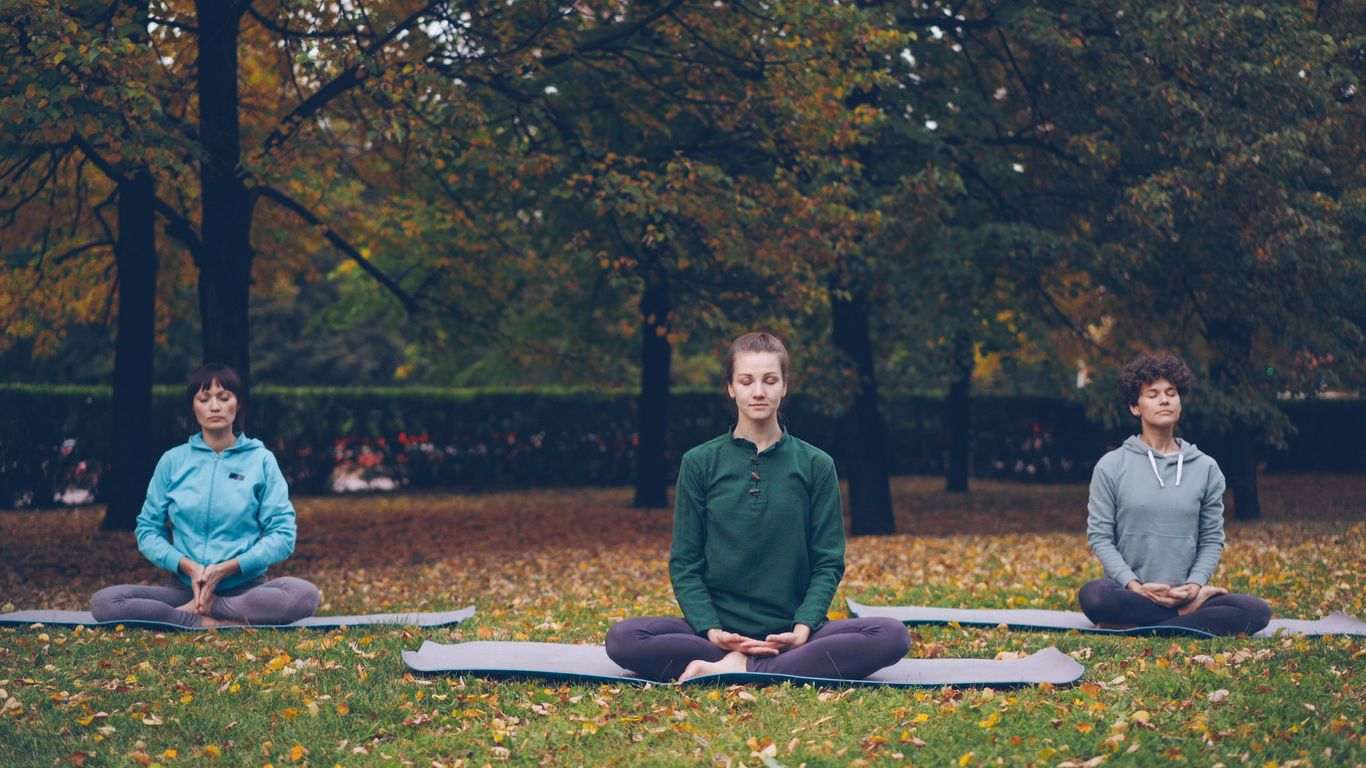
You know, sometimes it feels like our breath is just this automatic thing we do, right? We don't really think about it. But in yoga, and especially when you're trying to shake off stress or anxiety, your breath becomes this incredibly powerful tool. It’s like a direct line to calming your whole system down. Focusing on your breath can actually shift your body out of that 'fight or flight' mode that stress puts you in.
Think of it as an anchor. When your mind is racing with a million worries, bringing your attention back to the simple act of breathing can pull you right back to the present moment. It’s not about stopping thoughts, but about not getting swept away by them. Different breathing techniques, or pranayama, do different things. Some are designed to energize, but for stress and anxiety, we’re looking at the ones that soothe.
Here are a few common ones that really make a difference:
- Ujjayi Breathing (Ocean Breath): This is a gentle, audible breath where you slightly constrict the back of your throat on the exhale, making a soft, ocean-like sound. It’s incredibly grounding and helps build internal heat. You can do this during most poses.
- Alternate Nostril Breathing (Nadi Shodhana): This one is fantastic for balancing your nervous system. You use your fingers to close off one nostril at a time, alternating between them as you inhale and exhale. It’s like a reset button for your mind.
- 4-7-8 Breathing: This technique is super simple but surprisingly effective for quick anxiety relief. You inhale for a count of 4, hold for 7, and exhale for 8. The longer exhale is key to activating your parasympathetic nervous system, which is your body’s natural relaxation response.
Practicing these breathing techniques regularly, even for just a few minutes a day, can retrain your body's response to stress. It's about building a habit of calm that you can tap into whenever you need it, not just on your yoga mat.
It might feel a bit strange at first, especially if you're not used to paying attention to your breath. But stick with it. You'll start to notice how much control you actually have over your internal state, just by changing the way you breathe.
Poses That Foster Inner Calm
Sometimes, just moving your body in a certain way can make a world of difference when you're feeling wound up. Yoga has a bunch of these poses, and they're not about being super flexible or strong. They're more about letting go and finding a quiet spot inside yourself. These postures help ease the tightness in your muscles and, believe it or not, can quiet down that busy mind too.
Releasing Tension with Gentle Stretches
Gentle stretches are like a sigh for your body. They help loosen up those tight spots that build up from sitting at a desk or just dealing with everyday worries. Think of it as gently unwinding a tightly coiled spring. These aren't complicated moves; they're simple ways to tell your body it's okay to relax.
- Cat-Cow Stretch: Start on your hands and knees. As you inhale, let your belly drop and arch your back, looking up slightly. As you exhale, round your spine, tuck your chin, and let your head hang. Doing this a few times really helps wake up your spine and release tension in your back.
- Child's Pose (Balasana): This is a classic resting pose. Kneel down, bring your big toes together, and fold your torso forward, resting your forehead on the mat. You can stretch your arms out in front or let them rest by your sides. It's a great way to feel grounded and calm. You can find more on poses like this in yoga for relaxation.
- Thread the Needle: From your hands and knees, reach one arm up towards the ceiling, then 'thread' it under your opposite arm, lowering your shoulder and head towards the mat. This opens up your upper back and shoulders.
Surrendering Through Forward Folds
Forward folds might seem simple, but they can be incredibly calming. When you fold forward, you're essentially turning inward, which can help quiet the mental chatter. It's a chance to let go of what's weighing you down.
- Standing Forward Fold (Uttanasana): Stand with your feet hip-width apart and hinge at your hips, letting your upper body hang down. You can bend your knees a lot if your hamstrings are tight. Just let gravity do the work. It's a good way to release tension in your neck and back.
- Seated Forward Fold (Paschimottanasana): Sit with your legs extended in front of you. Inhale to lengthen your spine, and as you exhale, fold forward from your hips. Again, don't worry about touching your toes; focus on the stretch in your back and hamstrings and the feeling of release.
Restorative Poses for Deep Peace
Restorative poses are all about support and ease. They use props like blankets and bolsters to help your body relax completely, so you don't have to hold yourself up. This allows your nervous system to truly switch off and find a deep sense of calm.
- Legs-Up-the-Wall Pose (Viparita Karani): Sit with your side against a wall, then lie down and swing your legs up the wall. Scoot your hips close to the wall. This gentle inversion is amazing for calming the nervous system and reducing fatigue. Just resting here for a few minutes can feel incredibly restorative.
- Supported Bridge Pose (Setu Bandhasana): Lie on your back with your knees bent and feet flat on the floor. Place a block or bolster under your sacrum (the bony part at the base of your spine). Let your body rest on the support. This opens the chest gently and is very calming.
- Corpse Pose (Savasana): While often seen as just lying down at the end of class, Savasana is a vital restorative pose. Lie on your back, let your legs fall open, and rest your arms by your sides. The goal is to completely relax every part of your body and mind. It’s where all the benefits of the practice really sink in.
These poses aren't about pushing yourself. They're about creating space for your body and mind to let go of stress and find a moment of quiet. It's okay if you can't do them perfectly; the intention is what matters most.
Integrating Mindfulness and Meditation
Being Present in Each Pose
When you're on your yoga mat, the goal isn't just to move your body through different shapes. It's about really being there, in that moment, with whatever you're feeling. Think about it – when you're holding a pose, like Warrior II, really feel your feet on the ground, the stretch in your hips, the strength in your arms. This focused attention is what mindfulness is all about. It’s like turning down the volume on all the background noise in your head and tuning into what's happening right now. This simple act of paying attention can make a huge difference in how you feel, both physically and mentally.
Cultivating Non-Judgmental Awareness
This is a big one, and honestly, it takes practice. During your yoga session, you might notice thoughts popping up – maybe you're thinking about work, or what you're going to eat later, or even judging yourself for not being able to hold a pose perfectly. The idea here isn't to stop those thoughts, but to notice them without getting caught up in them. It's like watching clouds drift by in the sky. You see them, you acknowledge them, but you don't try to grab onto them or push them away. This non-judgmental stance helps you accept yourself as you are, right here, right now.
Deepening the Mind-Body Connection
Yoga is unique because it really brings your mind and body together. As you focus on your breath and sensations, you start to understand how your physical state affects your mental state, and vice versa. For example, you might notice that when you hold tension in your shoulders, your mind feels more anxious. By consciously releasing that tension through a stretch or a breath, you can actually feel your mind calm down. It’s a constant conversation between your physical self and your inner self, and the more you listen, the more you learn.
Here's a quick look at how these elements work together:
| Element | How it Helps Stress/Anxiety |
|---|---|
| Being Present | Stops rumination on the past or worry about the future. |
| Non-Judgment | Reduces self-criticism and promotes self-acceptance. |
| Mind-Body Link | Helps identify physical signs of stress and release them. |
| Breath Awareness | Activates the body's relaxation response. |
When you start to notice the subtle shifts in your body and mind during practice, you're building a powerful tool. This awareness can then be carried off the mat, helping you respond to stressful situations with more calm and less reactivity. It's about building an inner resilience that serves you every day.
Tips for Starting Your Yoga Routine
Getting started with yoga, especially when you're looking to ease stress and anxiety, can feel a bit overwhelming. But honestly, it doesn't have to be complicated. The key is to keep it simple and consistent. Think of it less like a performance and more like a gentle conversation with yourself.
Begin with Short, Consistent Sessions
Don't feel like you need to block out an hour every day right from the start. Even 10 to 15 minutes can make a real difference. The most important thing is showing up regularly. It's better to do a short practice every day than a long one once a week. You can gradually increase the time as you feel more comfortable and notice the benefits. Consistency builds momentum and makes it a habit.
Create a Peaceful Practice Space
Find a spot in your home where you can be relatively undisturbed. It doesn't need to be fancy – a corner of your living room or bedroom will do. Make it feel inviting. Maybe light a candle, put on some soft music, or just ensure the space is tidy. This little ritual helps signal to your brain that it's time to relax and focus inward.
Explore Different Yoga Styles
Yoga isn't one-size-fits-all. If you're feeling anxious or tense, styles like Hatha, Restorative, or Yin yoga are often recommended because they move at a slower pace and focus on relaxation. However, even a more active Vinyasa flow can be calming if you focus on your breath and the present moment. Try a few different types, maybe through online classes or local studios, to see what feels best for your body and mind right now.
Listen to Your Body's Needs
This is probably the most important tip. Yoga is not about pushing yourself to your limits or achieving a perfect pose. It's about awareness and self-care. If something feels painful, back off. If you need to rest in Child's Pose during a flow, do it. Your body will tell you what it needs if you learn to pay attention. Modifications are your friend!
Remember, the goal is to find a practice that supports your well-being, not adds to your stress. Be patient with yourself, celebrate small victories, and enjoy the process of discovering what yoga can do for you.
Real-Life Transformations Through Yoga
Finding Solace Amidst Daily Chaos
Life throws a lot at us, doesn't it? Between work deadlines, family needs, and just the general hum of everyday busyness, it's easy to feel like you're constantly juggling. Many people find that yoga offers a much-needed pause button. It's not just about striking a pose; it's about creating a space where the noise of the outside world fades away, even if just for an hour. Think of Sarah, a marketing exec who felt buried under projects. She started going to a local studio, and after just a few classes, she noticed a real difference. The movements helped her step away from the pressure, and she came back feeling more capable of handling things. It’s like finding a quiet corner in a loud room.
Achieving Centeredness in Family Life
For parents, especially, finding a moment of calm can feel like a luxury. Mark, a dad with three kids, was dealing with a lot of anxiety. He began practicing yoga at home after the little ones were asleep. He’d roll out his mat in the living room, and slowly, with each session, he felt a sense of calm settle over him. It became his personal retreat, a way to recharge so he could be more present for his family. It wasn't about becoming a yoga master; it was about finding a way to manage the everyday pressures without letting them take over. This practice gave him tools to feel more grounded, even when life felt chaotic.
Transforming Daily Stressors with Breathwork
Sometimes, the biggest changes come from small, consistent efforts. Emily was a bit unsure about yoga at first, but she gave a community class a try. What surprised her most was how much the breathing exercises helped. It wasn't just about the physical poses; learning to control her breath gave her a new way to approach stressful moments throughout her day. She found that by focusing on her breath, she could react less impulsively and feel more in control. It’s a simple technique, but its impact on how she handles everyday challenges has been significant.
Many people discover that yoga isn't just a physical activity; it's a way to reconnect with themselves. The focus on breath and movement helps to quiet the mind, making it easier to deal with whatever comes your way. It’s about building resilience from the inside out.
Your Path to Peace
So, that's the rundown on how yoga can really help when you're feeling stressed out or anxious. It's not some magic fix, but it gives you real tools to find some calm. Remember, even just a few minutes on your mat can make a difference. Keep breathing, keep moving, and don't worry about being perfect. This whole thing is a journey, and you're doing great just by showing up. Over time, you'll probably notice that feeling of peace sticking around a bit longer, even when life gets hectic. It’s all about finding what works for you and making it a regular thing. You've got this.
Frequently Asked Questions
What's the best way to start yoga for stress relief?
Begin with short, simple yoga sessions, maybe just 10 to 15 minutes a few times a week. Find a quiet spot where you won't be bothered. Trying different types of yoga, like Hatha or Yin, can help you discover what feels best for your body and mind. It's all about taking it slow and being kind to yourself.
How does breathing help with stress in yoga?
Breathing, or pranayama, is super important in yoga. When you focus on taking deep, slow breaths, it tells your body to relax. It's like hitting a pause button on stress. Simple techniques like breathing deeply into your belly can calm your nerves and make you feel more peaceful.
Are there specific yoga poses that are best for relaxation?
Yes, definitely! Poses like Child's Pose (Balasana) are great for releasing tension in your back. Forward folds help you let go, and poses like Corpse Pose (Savasana) at the end of a session allow your body and mind to fully relax and soak in the benefits of your practice.
Can yoga really help with anxiety?
Absolutely. Gentle and restorative yoga styles focus on slow movements and holding poses longer, which helps calm your nervous system. Also, practicing mindfulness and focusing on your breath during yoga can quiet anxious thoughts and bring you back to the present moment, reducing feelings of worry.
How often should I practice yoga to see results?
Consistency is more important than long sessions. Even practicing for a short time regularly, like 15-20 minutes a day or several times a week, can make a big difference. The key is to build it into your routine so it becomes a natural way to manage stress.
What's the difference between yoga for stress and yoga for anxiety?
While both aim for calmness, yoga for stress often focuses on releasing physical tension and mental clutter. Yoga for anxiety might emphasize slower, more grounding poses and deep breathing to calm the nervous system and reduce feelings of panic or worry. However, many practices overlap and benefit both stress and anxiety.


