
Unlock Deeper Poses with the Perfect Yoga Bolster Rectangle
So, you're looking to get more out of your yoga practice, huh? Maybe you want to feel more comfortable in poses, or perhaps you're aiming for a deeper stretch. A yoga bolster rectangle might be just the thing. It’s a simple prop, but it can really change how you experience certain poses, especially in gentler styles like Yin or Restorative yoga. Let's talk about how this rectangular friend can become a staple in your yoga toolkit.
Key Takeaways
- A yoga bolster rectangle offers a large, stable surface, making it great for Yin and Restorative yoga, and it helps you relax more by increasing body contact.
- This type of bolster is useful for poses like supported Pigeon, deeper Child's Pose variations, and making supine twists more comfortable.
- When picking a yoga bolster rectangle, consider its size for support, and think about the filling material (natural or synthetic) for durability and feel.
- Using a yoga bolster rectangle can make forward folds more accessible, support bridge pose, and assist in Legs Up the Wall pose for better circulation.
- The right firmness for your yoga bolster rectangle depends on your practice: firmer for backbends, medium for general use, and softer for ultimate comfort.
Understanding the Rectangular Yoga Bolster
Versatility for Yin and Restorative Practices
The rectangular yoga bolster is a real workhorse for anyone into gentler styles of yoga, especially Yin and Restorative. Its shape just lends itself to supporting you in ways that feel incredibly grounding. Think about it: the wider, flatter surface means more of your body can connect with the prop. This increased contact area is key for really sinking into poses and letting go of tension. It’s not just about propping yourself up; it’s about creating a stable, comforting base that allows your muscles to relax more fully. This makes it a go-to for poses where you hold them for a longer time, letting gravity do the work.
Enhancing Relaxation Through Surface Area
One of the biggest wins with a rectangular bolster is its generous surface area. Unlike more compact props, this one offers a broad, stable platform. When you lie on it, or rest parts of your body against it, you get a greater sense of being held and supported. This is particularly helpful in poses like Supported Bridge Pose, where the bolster can cradle your sacrum, or in reclined twists, where it can comfortably support your bent knee. The idea is to maximize contact and minimize any feeling of instability, which in turn helps your nervous system switch off and promotes a deeper sense of calm. It’s like giving your body a gentle, full-body hug.
Mindful Construction for Durability and Comfort
When you’re looking for a rectangular bolster, how it’s made really matters. You want something that feels good to use and will last. Many are built with sturdy inner cores, often filled with cotton batting or a blend of materials, that give them a nice firmness without being rock hard. The outer covers are usually made from durable fabrics like cotton canvas, which can handle regular use and are often removable for washing – a big plus! Some even have handles sewn on, making them easier to move around. A well-constructed bolster feels supportive and inviting, encouraging you to use it more often. It’s the little details, like strong stitching and comfortable fabric, that make a big difference in your practice over time.
Poses Elevated by a Yoga Bolster Rectangle
A rectangular yoga bolster isn't just a prop; it's like a supportive friend for your body, especially when you want to go a little deeper or just find more ease in certain poses. Its shape and size make it super useful for a variety of postures, turning a regular practice into something more restorative and comfortable.
Supported Pigeon Pose for Hip Opening
Pigeon pose can be intense, especially if your hips feel a bit tight. A rectangular bolster can really change that. You can place it lengthwise on your mat and rest your forearms on it, giving your upper body a break. Or, slide it horizontally under your stomach. This way, your torso is fully supported, letting you relax into the hip stretch without feeling like you're fighting your own body. It makes the pose much more accessible, allowing you to hold it longer and feel the benefits without the strain.
Comforting Child's Pose Variations
Child's Pose is already a resting pose, but a rectangular bolster takes it to another level of comfort. Try placing it vertically along your mat, close to your body. Then, rest your torso on top of it. You can let your arms relax alongside the bolster, or even give it a gentle hug. Bringing one cheek to rest on the bolster can also help release tension in your neck and jaw. It's a wonderfully grounding position that feels like a warm embrace.
Deepening Supine Twists with Ease
When you're ready for a gentle twist on your back, a rectangular bolster is your best bet. Lie on your back and bring one knee towards your chest. Then, guide that knee across your body, letting it rest on the bolster. Extend your arms out to the sides, maybe in a cactus shape. This prop supports your knee, allowing your spine to relax and twist more deeply without any effort. It's a fantastic way to release tension in your back and sides.
Choosing Your Ideal Yoga Bolster Rectangle
So, you're looking to get a yoga bolster, specifically the rectangular kind. That's a smart move, especially if you're into Yin or Restorative yoga, or just want a bit more comfort in your practice. But with so many out there, how do you pick the right one? Let's break it down.
Rectangular vs. Cylindrical: Stability and Depth
Think about how you want to use your bolster. Rectangular bolsters are generally wider and flatter. This makes them super stable, which is great for poses where you need a solid base, like supported backbends or just resting comfortably. They tend to be lower to the ground than cylindrical ones. This can mean a gentler chest opening or a deeper forward fold because there's less height to work against.
Cylindrical bolsters, on the other hand, are taller and rounder. They offer more lift, which is fantastic for getting a deeper stretch in forward folds or opening up your chest more significantly. However, that round shape can sometimes make them feel a bit less stable, and you might find yourself rolling off if you're not careful. For pure stability, especially if you're new to bolsters or have balance concerns, the rectangular shape often wins.
Dimensions for Optimal Support
When you look at bolsters, you'll see different sizes. A standard rectangular bolster is usually around 24 inches long and 10 inches wide. The height is where things can vary a bit, often around 5 or 6 inches. A lower bolster (like 5 inches) is good for a more subtle lift, perfect for gentle forward folds or supporting the knees in Savasana. A slightly taller one (6 inches or more) will give you more support in poses like supported bridge or a deeper chest opener.
Here’s a quick look at common dimensions:
| Shape | Length (in) | Width (in) | Height (in) | Best For |
|---|---|---|---|---|
| Rectangular | 24 | 10 | 5-6 | Stability, gentle backbends, forward folds |
| Cylindrical | 24 | 8 | 8 | Deeper chest opening, more forward bend lift |
Filling Materials: Natural vs. Synthetic
What's inside the bolster matters a lot for how it feels and how it holds up.
- Natural Fillings: Things like buckwheat hulls, cotton, or wool are popular. Buckwheat is great because it conforms to your body and offers firm, stable support. It's also breathable. Cotton is softer and lighter, while wool can be quite dense and supportive. The downside? Natural fillings can make the bolster heavier and sometimes harder to clean.
- Synthetic Fillings: These are usually polyester fiberfill or foam. They tend to be lighter and more budget-friendly. Foam can offer good support, but some types might compress over time. Polyester fiberfill can be very soft but might not offer as much firm support as other options. Many synthetic-filled bolsters have removable, washable covers, which is a big plus for hygiene.
The choice between natural and synthetic often comes down to personal preference for feel, weight, and ease of care. If you're looking for something that molds to you and feels grounded, buckwheat is a solid choice. If you need something lightweight and easy to wash, synthetics might be more your speed.
Consider what feels best for your body and how you plan to use the bolster most often. Do you need something firm for deep support, or something softer for ultimate relaxation? Your answer will guide you to the perfect filling.
Integrating the Yoga Bolster Rectangle into Your Practice
So, you've got your rectangular yoga bolster, and you're wondering how to actually use it in your regular yoga routine. It's not just for fancy restorative classes, you know. This prop can actually make a bunch of common poses feel way more accessible and comfortable, even if you're not a seasoned yogi. Think of it as your personal support system on the mat.
Accessible Forward Folds
Forward folds can be tough, especially if your hamstrings are feeling a bit tight or you're just starting out. The rectangular bolster is a game-changer here. Instead of straining to reach your toes, you can place the bolster on your shins or thighs and rest your forehead on it. This takes the pressure off your back and allows you to relax into the stretch more deeply. It's a great way to gradually increase your flexibility without pushing too hard. You can adjust how close you bring the bolster to your body to control the intensity.
Supported Bridge Pose for Gentle Backbends
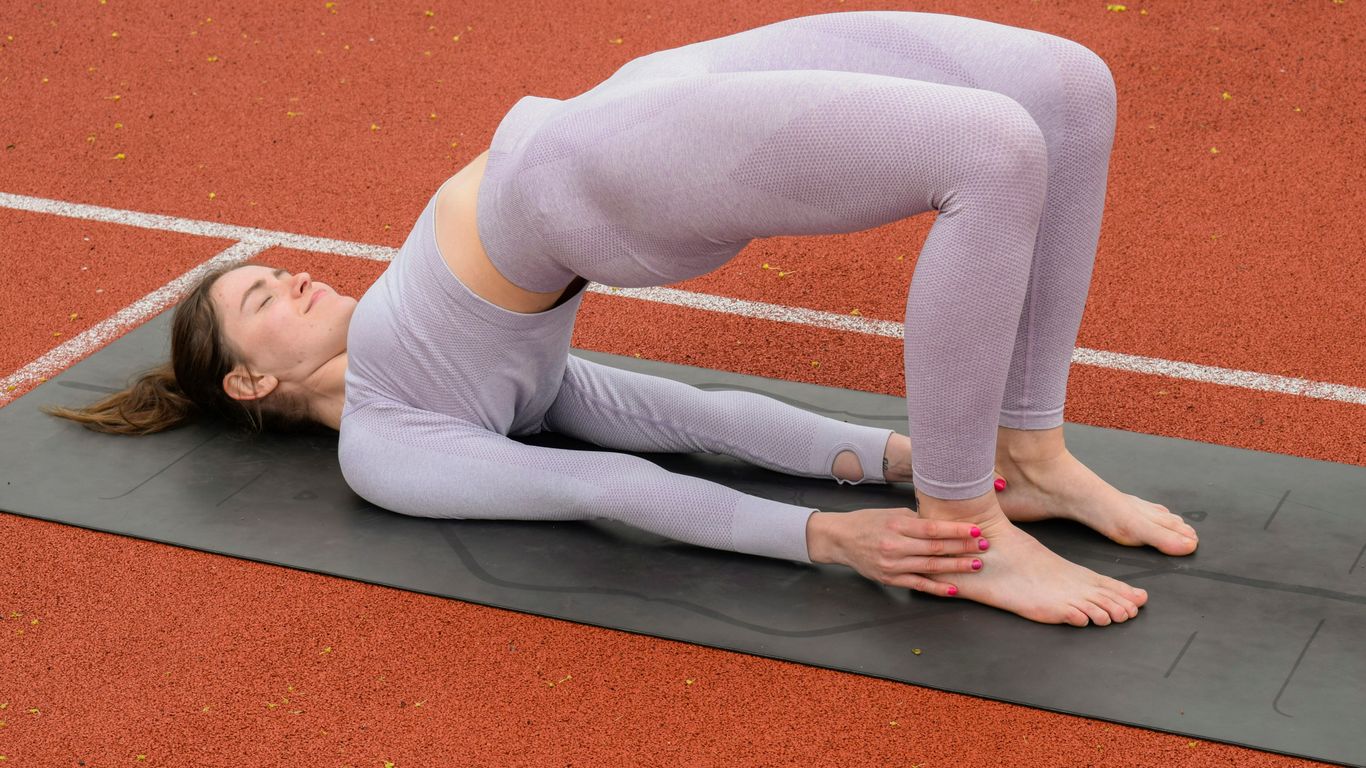
Bridge pose is a lovely backbend, but sometimes it feels a bit intense on the lower back. Sliding a rectangular bolster horizontally under your sacrum can transform this pose. It provides a stable, gentle lift, allowing your chest to open up without the strain. You can lie back over the bolster, letting your arms relax by your sides. This variation is fantastic for promoting a sense of release in the chest and shoulders, and it feels incredibly soothing. It's a nice way to explore backbending safely.
Legs Up the Wall Pose for Circulation
This pose, Viparita Karani, is known for its calming and restorative effects, but holding it for a longer period can sometimes put pressure on your lower back. Placing a rectangular bolster under your hips when you scootch your bottom close to the wall makes a world of difference. It lifts your pelvis slightly, which can help you stay in the pose longer and feel more comfortable. Plus, it really helps with blood flow, making your legs feel refreshed. It's a simple adjustment that really boosts the benefits of this popular pose. You can find a good bolster for your practice at yoga props online.
Using a bolster isn't about making poses easier; it's about making them more sustainable and beneficial for your body. It allows you to hold poses longer, breathe more freely, and truly relax into the shapes, which is where the real magic of yoga happens.
Benefits of a Yoga Bolster Rectangle
Relieving Pressure Points
Using a yoga bolster rectangle can make a big difference in how comfortable you feel during longer holds in poses. Because it's wider and flatter than other types, it spreads your weight out more evenly. This means less direct pressure on sensitive spots like your hips, knees, or even your lower back. It's like giving those areas a soft, supportive cushion, allowing your muscles to really let go and relax without any sharp discomfort. This is especially helpful if you find certain poses tough to hold because of aches or stiffness.
Enhancing Pose Depth and Flexibility
This bolster is a game-changer for getting more out of your stretches. Its stable surface lets you sink a little deeper into poses like supported backbends or forward folds. Instead of fighting to stay balanced, you can trust the bolster to hold you, giving your body permission to relax and lengthen. Over time, this consistent, gentle support can help improve your flexibility, making poses that once felt out of reach feel more accessible. It's not about forcing anything; it's about creating the right conditions for your body to open up naturally.
Aiding Meditation and Relaxation
Beyond the physical poses, the rectangular bolster is fantastic for simply resting and meditating. You can use it to support your back while sitting, making longer meditation sessions much more comfortable. Or, lay down with it under your knees to take pressure off your lower back. It creates a sense of groundedness and ease, helping to quiet the mind and promote a deeper sense of calm. It's a simple tool that really helps you settle in and find stillness.
Finding the Right Firmness for Your Yoga Bolster Rectangle
So, you've got your eye on a rectangular yoga bolster, which is a great choice for stability and surface area. But what about how it feels? The firmness of your bolster can really change how a pose feels and how much support you get. It’s not a one-size-fits-all situation, and what works for one person or pose might not be ideal for another.
Firm Support for Backbends
If you're looking to really open up your chest or get into deeper backbends, a firmer bolster is your best friend. It won't sink too much under your weight, giving you a solid foundation to work from. Think of poses like Supported Bridge Pose (Setu Bandhasana) where you want that reliable lift. A firm bolster helps maintain the shape of the pose without collapsing, allowing your muscles to relax into the supported extension. It’s also great for poses where you need to keep a specific shape, like under the knees in certain supine poses.
Medium Firmness for Balanced Practice
For a lot of people, a medium-firm bolster hits that sweet spot. It offers enough support to be useful in poses that require a bit of lift or stability, but it also has enough give to be comfortable for longer holds. This is your go-to for general restorative work, gentle forward folds, or even just sitting for meditation. It molds a bit to your body, providing comfort without sacrificing the structural integrity needed for many poses. Many practitioners find this level of firmness works well for a wide range of practices, making it a versatile choice. If you're unsure where to start, a medium-firm bolster is often a safe bet.
Softness for Ultimate Comfort
Sometimes, you just want to sink into pure relaxation. A softer bolster is perfect for this. While it might not offer the same level of structural support for deep backbends, it excels at providing plush comfort. Imagine sinking into a supported Savasana or a gentle reclined twist where the goal is maximum release. A softer bolster can feel like a gentle hug, cradling your body and allowing your nervous system to calm down. It's also great for those who find firmer surfaces a bit too intense or for specific therapeutic applications where a gentler touch is preferred. For many, a bolster from a brand like Hugger Mugger offers this kind of comforting feel.
Here's a quick look at how firmness can play a role:
- Firm: Best for poses needing solid support like backbends and inversions.
- Medium: A good all-rounder, balancing support and comfort for most practices.
- Soft: Ideal for deep relaxation, gentle stretches, and maximum comfort.
Choosing the right firmness is really about listening to your body and understanding what you need from your practice on any given day. Don't be afraid to try different levels to see what feels best for you.
Your Practice, Supported
So, there you have it. A good rectangular yoga bolster isn't just another piece of equipment; it's like a helpful friend for your yoga mat. It makes those poses that felt a bit out of reach suddenly feel possible, and it lets you really settle into the ones you already love. Whether you're trying to get a deeper stretch in Pigeon or just want to feel extra cozy in Child's Pose, this versatile prop has your back (and your hips, and your knees!). Think of it as your personal invitation to explore your practice with a little more ease and a lot more comfort. Give it a try, and see how it changes things for you.
Frequently Asked Questions
What makes a rectangular yoga bolster different from a round one?
A rectangular bolster has a flat, wide surface, making it super stable. This is great for poses where you need solid support, like resting in certain positions or for deeper forward bends. A round bolster is more like a tube and can be good for supporting your neck or for chest-opening poses, but it’s easier to roll off of.
What kind of yoga is a rectangular bolster best for?
Rectangular bolsters are awesome for Yin and Restorative yoga. These types of yoga involve holding poses for a longer time, and the bolster's shape and size offer great comfort and support, helping you relax more deeply into the stretch.
How does a bolster help in poses like Pigeon Pose?
In Pigeon Pose, which can be tough on the hips, a rectangular bolster can be placed under your hip for support, making the pose more accessible. You can also rest your forearms on it or slide it under your stomach for extra comfort and to help you relax into the pose.
Can a bolster help with forward folds?
Absolutely! If you find forward folds tricky, sitting on a rectangular bolster can help tilt your pelvis forward, making it easier to stretch your hamstrings without straining your back. If you're flexible, you can rest your torso on the bolster for a more relaxed stretch.
What are the benefits of using a yoga bolster for relaxation?
Using a bolster can really help you relax by supporting your body in a way that eases pressure on your joints and muscles. This allows your body to let go of tension, making it easier to find comfort and peace, especially during meditation or when just unwinding.
What filling is best for a yoga bolster?
You can find bolsters filled with natural materials like cotton or buckwheat, which offer firm, breathable support. Others use synthetic materials like polyester fiber, which are often lighter and can be more budget-friendly. The best choice depends on whether you prefer a natural feel, need it to be lightweight, or want a specific level of firmness.

