Improve Your Posture and Core Strength with a Fit Ball Chair
Sitting for long periods can really do a number on your back and posture. You know that feeling after hours at your desk? Stiff, sore, and just generally… blah. Well, what if your chair could actually work for you? Enter the fit ball chair. It’s not just a trendy office accessory; it’s a tool that can help you stay active, improve your posture, and strengthen your core, all while you get through your day. Let's look at how this simple piece of equipment can make a big difference.
Key Takeaways
- A fit ball chair encourages active sitting, engaging your core muscles to help with posture and strength, unlike regular chairs.
- Picking the right size and firmness for your fit ball chair is key for comfort and making sure it works well.
- Using a fit ball chair daily, whether at work or home, can change passive sitting into active time.
- Make sure your fit ball chair is inflated right, you have enough space, and you keep good posture when using it for safety.
- Fit ball chairs can be used for many things, from workouts and therapy to making office spaces better, showing they are a flexible wellness tool.
Understanding The Fit Ball Chair
What Is A Fit Ball Chair?
So, what exactly is a fit ball chair? Think of it as a regular office chair that's had its traditional seat swapped out for a large, inflatable exercise ball. Often, this ball sits in a frame or on a base, sometimes with wheels, to give it a bit of stability. The main idea behind it is to swap out passive sitting for something called 'active sitting.' When you sit on a ball, your body naturally makes small adjustments to keep you balanced. This constant, subtle work engages your core muscles without you even really thinking about it. It's like giving your body a gentle workout just by sitting there. You might hear them called stability ball chairs or yoga ball chairs, but they all aim to get you moving a bit more, even when you're sitting still.
The Concept Of Active Sitting
We spend a lot of time sitting, don't we? Usually, when we sit in a standard chair for hours, our bodies tend to slump. This can lead to stiffness and discomfort. Active sitting is the opposite of that. It's about using your sitting time to keep your body engaged and upright. With a fit ball chair, your core muscles – that's your abs, back, and pelvic floor – have to work a little harder to keep you stable. This isn't about intense exercise; it's about encouraging better posture and muscle tone through everyday activities like working at your desk or reading. The goal is to make sitting less of a static, energy-draining activity and more of a dynamic, posture-supporting one.
The subtle, constant engagement required to maintain balance on a fit ball chair can lead to improved muscle tone and a more aligned spine over time, contrasting with the passive posture often adopted in traditional seating.
Here's a quick look at what active sitting promotes:
- Core Muscle Engagement: Your abdominal and back muscles are subtly activated to keep you balanced.
- Improved Posture: It encourages an upright spine, reducing the tendency to slouch.
- Increased Movement: Small, unconscious adjustments mean you're not completely still.
Understanding The Fit Ball Chair
When you first sit on a fit ball chair, it might feel a bit strange. Unlike a regular chair that holds you in one position, the ball requires constant micro-adjustments. Your body has to work to stay centered and upright. This isn't about strenuous effort; it's about engaging the muscles that support your spine and pelvis. Think of it as a gentle, continuous workout for your core. The ball's instability encourages you to sit taller, aligning your spine naturally. This can help counteract the slouching that often happens after hours of sitting in a conventional chair. The key is that the chair itself prompts better posture through subtle physical feedback.
To get the most out of your fit ball chair, proper setup is important. Here’s a quick check for how it should feel:
- Feet Flat: Your feet should rest comfortably flat on the floor.
- Knee Angle: Aim for your knees to be at roughly a 90-degree angle, or just slightly lower than your hips.
- Spinal Alignment: Your back should feel naturally straight, not slouched or overly arched.
Getting the inflation just right is pretty important. Too soft, and you'll sink in, losing that active posture benefit. Too firm, and it might feel uncomfortable or even unstable. The sweet spot is when the ball feels supportive, allowing your hips to be level with or slightly higher than your knees. A good starting point is to inflate it until it's firm but still has a little give when you press down. You want to feel engaged, not like you're sitting on a cloud.
Benefits Of Using A Fit Ball Chair
Sitting for hours on end can really mess with your back and how you hold yourself. You know that feeling after a long day at your desk? Everything feels stiff and just generally… blah. What if your chair could actually help you out instead of just being a place to park yourself? That's where the fit ball chair comes in. It's not just some fancy office fad; it's a tool that can help you stay a bit more active, improve how you stand and sit, and get your core muscles working, all while you're just getting through your day. Let's break down how this simple piece of equipment can make a real difference.
Improved Posture And Spinal Alignment
When you sit on a fit ball chair, your body naturally wants to find a stable position. This means your core muscles – the ones in your stomach and back – have to do a little work to keep you upright. Unlike a regular chair that lets you lean back and slouch, the ball encourages you to sit tall. This constant, subtle engagement helps train your muscles to hold a better posture without you even thinking about it. Over time, this can lead to a more aligned spine and less of that hunched-over look.
Gentle Core Muscle Engagement
Think of it as a mini-workout happening all day. Every time you shift your weight or make a tiny adjustment to stay balanced on the ball, your abdominal and back muscles are activated. It's not like doing crunches, but it's a consistent, low-level engagement that builds strength and endurance in your core. This is super important because a strong core supports your spine and can help prevent back pain.
Encouraging Natural Movement
We're not really meant to sit perfectly still for hours. A fit ball chair allows for small, natural movements. You might sway a little, shift your weight, or make micro-adjustments to stay balanced. This subtle activity is way better than being completely static. It helps keep your blood flowing and prevents the stiffness that comes from prolonged, unchanging positions. It's about making sitting less of a passive activity and more of a dynamic one.
Reducing Sedentary Behavior
Let's face it, most of us sit way too much. A fit ball chair helps turn that passive sitting time into something a bit more active. Even though you're still seated, the need to balance and maintain posture means you're engaging your body more than you would in a standard chair. This shift, even if it seems small, contributes to breaking up long periods of inactivity, which is a big win for overall health. It's a simple way to make your seated hours more beneficial.
The constant, subtle work required to maintain balance on a fit ball chair can lead to improved muscle tone and a more aligned spine over time, contrasting with the passive posture often adopted in traditional seating.
Here's a quick look at what active sitting promotes:
- Core Muscle Engagement: Your abdominal and back muscles are subtly activated to keep you balanced.
- Improved Posture: It encourages an upright spine, reducing the tendency to slouch.
- Increased Movement: Small, unconscious adjustments mean you're not completely still.
Integrating Your Fit Ball Chair Into Daily Life
So, you've got your fit ball chair. That's great! But how do you actually make it a regular part of your day? It's not just about sitting on it for a few minutes and expecting miracles. You've got to be a bit strategic about it. Think of this ball chair as your new buddy for everyday stuff. Don't just keep it tucked away at your desk. Try using it while you're watching a show, reading a book, or even doing some light kitchen prep. Every moment you spend on it, your body is subtly working to keep you balanced. This means your core muscles are getting a workout without you even realizing it. It's a pretty neat way to turn passive sitting into active time.
Starting With Short Intervals
When you first start using your fit ball chair, it's really important not to overdo it. Your body isn't used to this kind of active sitting, so jumping in for hours right away can leave you feeling sore. Think of it like starting a new exercise routine – you begin with shorter sessions and build up gradually. Aim for 15-30 minute intervals a few times a day. You can set a timer on your phone to remind you to switch back to a regular chair if you have one handy. As your core muscles get stronger and you get more comfortable, you can slowly increase the duration of your sitting periods.
Mindful Sitting For Better Posture
It's easy to think that just sitting on the ball is enough, but actively thinking about your posture makes a huge difference. Keep your feet about hip-width apart, knees bent at roughly a 90-degree angle, and try to keep your back straight without being stiff. Imagine a string pulling you up from the crown of your head. This mindful approach turns a simple seating change into a real posture improvement tool.
Here’s a quick check for proper setup:
- Feet Flat: Your feet should rest comfortably flat on the floor.
- Knee Angle: Aim for your knees to be at roughly a 90-degree angle, or just slightly lower than your hips.
- Spinal Alignment: Your back should feel naturally straight, not slouched or overly arched.
Remember to listen to your body. If you feel tired or uncomfortable, it's perfectly fine to switch back to your regular chair for a bit. The goal is to build strength and improve posture gradually, not to push yourself too hard.
Using A Fit Ball Chair At Your Office Desk
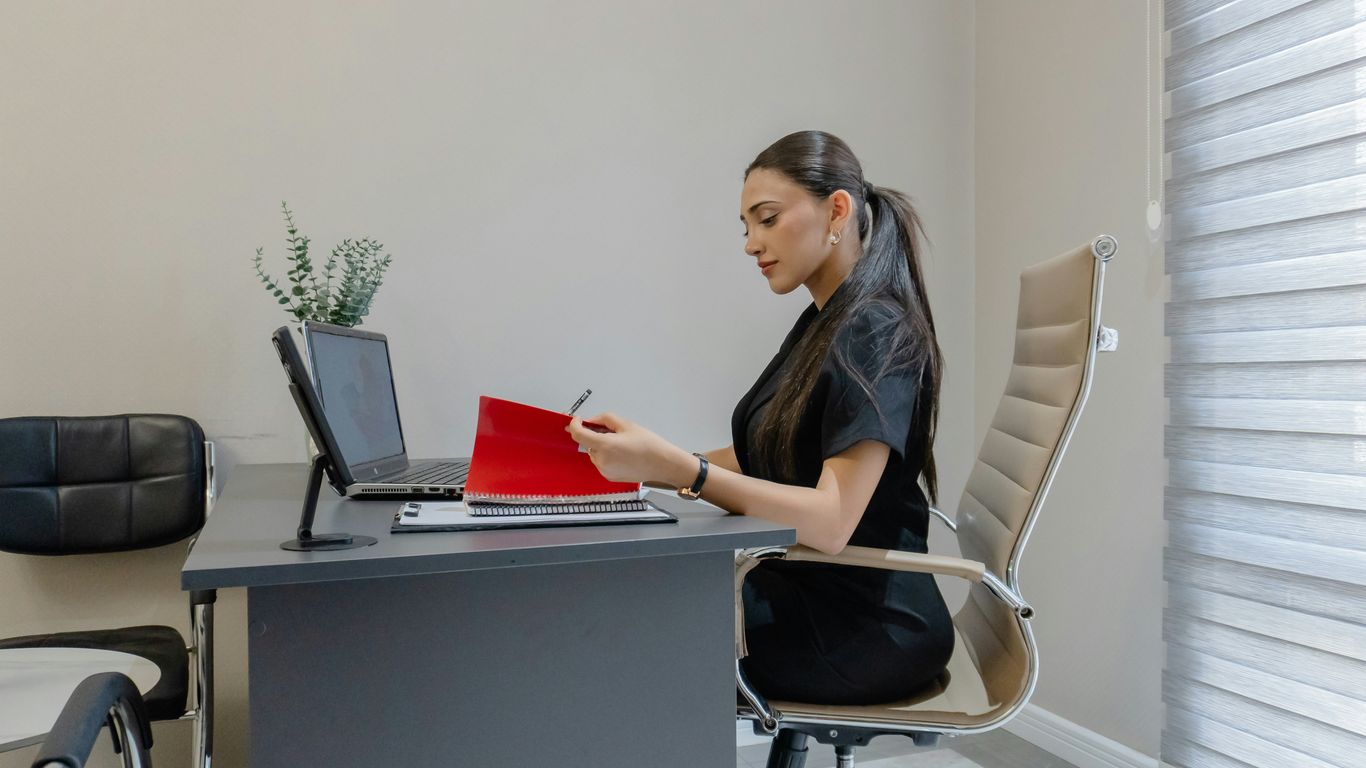
Swapping out your regular office chair for the fit ball can really change how you feel during a long workday. Instead of just slumping, you're naturally encouraged to sit up straighter. Your core muscles, the ones that support your spine, have to do a little work to keep you stable. This constant, gentle engagement can make a big difference in reducing that end-of-day stiffness. Standard office chairs can easily lead to slouching and a generally inactive workday, which isn't ideal for your back or your energy levels. Switching to a fit ball chair promotes what's called 'active sitting.' This means your body is constantly making small adjustments to stay balanced, which can lead to better posture and less back discomfort over time.
Choosing The Right Fit Ball Chair
So, you're ready to ditch that old, unsupportive office chair and embrace the active sitting revolution. Awesome! But before you go grabbing the first shiny ball you see, let's talk about picking the right one. It's not just about the color, you know. Getting the right fit and features makes a huge difference in how much you'll actually use it and how good it feels. The goal is to find a chair that supports your body and your workspace, not one that becomes a hassle.
Proper Inflation and Firmness
Getting the inflation just right is pretty important. Too soft, and you'll sink in, losing that active posture benefit. Too firm, and it might feel uncomfortable or even unstable. The sweet spot is when the ball feels supportive, allowing your hips to be level with or slightly higher than your knees. A good starting point is to inflate it until it's firm but still has a little give when you press down. You want to feel engaged, not like you're sitting on a cloud.
Here’s a quick check for proper setup:
- Feet Flat: Your feet should rest comfortably flat on the floor.
- Knee Angle: Aim for your knees to be at roughly a 90-degree angle, or just slightly lower than your hips.
- Spinal Alignment: Your back should feel naturally straight, not slouched or overly arched.
Many ball chairs now come with fabric covers. These can make them look more like furniture and add a bit of cushioning. Check if the cover is removable and washable – that's a bonus for daily use.
Selecting The Correct Size
This is probably the most important part. You want the ball to be the right height so you can sit comfortably with good posture. Your feet should be flat on the floor, and your knees should be at about a 90-degree angle, or maybe just a little lower than your hips. If the ball is too high, you'll be perched up there awkwardly, and if it's too low, you'll be slouching. A good rule of thumb is that the ball should be about 10 cm higher than your regular chair, since it will deflate a bit when you sit on it. Most manufacturers provide sizing charts based on your height.
| Your Height (ft) | Recommended Ball Diameter (cm) |
|---|---|
| 4'11" - 5'4" | 45-55 |
| 5'5" - 5'11" | 55-65 |
| 6'0" - 6'5" | 65-75 |
Getting the size right means your body will thank you later.
Ensuring Adequate Space
When you're looking at different ball chairs, keep an eye out for features that contribute to safety and usability. An anti-burst material is a big one for safety; it means if the ball gets a puncture, it deflates slowly instead of popping suddenly. You don't want that surprise! A non-slip surface helps you stay put and prevents accidental sliding, especially if you're fidgety. Some chairs come with a base that keeps the ball from rolling away when you stand up, or wheels for easy movement (just make sure they lock if you need stability). Look for thicker materials (around 1.5mm or more) and reinforced seams for durable construction. A well-made ball will last longer and feel more secure.
Therapeutic And Ergonomic Applications
Fit ball chairs are showing up in more places than just home offices these days. They're becoming a useful tool in physical therapy and rehabilitation settings, which makes a lot of sense. For people recovering from injuries, especially those that affect the back or core muscles, the gentle instability of the ball can help rebuild strength and improve how the body moves. It's a softer approach than some older methods, and many find it more comfortable. It can also be helpful for folks dealing with certain balance or coordination issues.
Rehabilitation And Physical Therapy
When you're recovering from an injury, especially to your back or core, the fit ball chair can be a gentle way to get things moving again. It encourages subtle, controlled movements that help muscles rebuild without putting too much strain on them. Think of it as a way to re-establish proper body mechanics in a safe environment. It's a good option for aiding in rebuilding strength after an injury and encouraging those small muscle movements that are so important for recovery.
Ergonomic Office Seating Solutions
This is often where people first encounter these chairs, and for good reason. Standard office chairs can easily lead to slouching and a generally inactive workday, which isn't ideal for your back or your energy levels. Switching to a fit ball chair promotes what's called 'active sitting.' This means your body is constantly making small adjustments to stay balanced, which can lead to better posture and less back discomfort over time. Some models even come with a bit of back support for those days when you need a little extra help. While the idea of a fit ball chair as a direct replacement for an office chair is popular, research suggests that prolonged sitting on a stability ball without other interventions might not offer significant posture or muscle activation benefits and could even increase discomfort for some. It's best viewed as a tool to encourage movement and core engagement, rather than a passive seating solution. Using a fit ball chair can be a good way to encourage more movement throughout your day, especially if you find yourself feeling stiff or restless after sitting for long periods. It's a good idea to discuss your symptoms and work demands with a professional if you're considering this type of seating.
Ball Chair Benefits For Back Pain
For those dealing with general back discomfort, a fit ball chair can offer some relief by encouraging better posture and engaging core muscles. It's not a magic cure, but it can be part of a broader strategy. Here’s a quick look at how it might help:
- Improved Posture: It naturally encourages you to sit up straighter, reducing the tendency to slouch.
- Core Engagement: Your abdominal and back muscles work a bit harder to keep you balanced, which can strengthen them over time.
- Encourages Movement: The slight instability prompts subtle shifts and adjustments, preventing stiffness.
It's important to remember that a ball chair isn't suitable for everyone, especially if you have acute pain or balance issues. If you have ongoing back pain, neck pain, or sciatica, it's always best to talk to a physiotherapist. They can assess your situation and recommend the best approach, which might include using a ball chair for short periods alongside other treatments and exercises. They can also help you choose the correctly sized ball for your needs.
If you're thinking about using a ball chair, remember it's often best used in short blocks alongside a supportive ergonomic chair. Combining active sitting with regular movement breaks and stretching is key to getting the most benefit without overdoing it.
Wrapping It Up
So, there you have it. Using a fit ball chair isn't some magic fix, but it's a pretty neat way to make sitting a bit more active. It can help you sit up straighter and get those core muscles working without you even really trying. Just remember to start slow, find the right size and firmness for you, and listen to your body. It’s a simple change that could make a noticeable difference in how you feel at the end of the day, turning all that desk time into something a little more beneficial for your body.
Frequently Asked Questions
What exactly is a fit ball chair?
A fit ball chair is basically a regular chair that has been replaced with a big, bouncy exercise ball. Instead of just sitting there, your body has to work a little to stay balanced. It’s like giving your core muscles a gentle workout while you’re just sitting around.
Will sitting on a fit ball chair really improve my posture?
Yes, it can! Because the ball is wobbly, it makes you sit up straighter to keep from falling. This constant little adjustment helps train your body to have better posture over time. It's like a gentle reminder to stand tall, even when you're sitting.
How does a fit ball chair help my core strength?
When you sit on a fit ball, your abdominal and back muscles have to do extra work to keep you steady. Think of it like doing tiny crunches and planks without even trying! Over time, this regular, low-level effort can make your core muscles stronger.
Is it safe to use a fit ball chair for long periods?
It's best to start with short periods, like 20-30 minutes at a time, and gradually increase how long you sit on it. Your body needs to get used to the active sitting. Also, make sure the ball is the right size for you and that you have enough space around it to avoid falling.
Can I use a fit ball chair at my office desk?
Absolutely! Many people use them as office chairs to make sitting more active. Just be sure to pick a ball that's the right height so your desk is at a comfortable level and your feet can rest flat on the floor. It can help make long workdays feel less tiring for your body.
What if the ball is too hard or too soft?
The firmness of the ball is important. You want it to be firm enough to support you but still have a little give. You can usually adjust this by adding or releasing a bit of air. Your thighs should be about level with your hips or slope slightly downward when you sit, with your feet flat on the floor.


