

Unlock Calm: Simple Techniques for Stress Reduce Yoga Practice
Life can get pretty hectic, right? Between work, family, and just trying to keep up, it's easy to feel overwhelmed. If you're looking for a way to find some calm in the chaos, you've come to the right place. This article is all about how yoga can help you manage stress and feel more at peace, even when things get tough. We'll explore simple techniques that you can actually use.
Key Takeaways
- Yoga helps calm your body and mind by activating the relaxation response and reducing stress hormones.
- Specific yoga poses, like forward bends and restorative poses, are great for releasing physical tension.
- Focusing on your breath through techniques like diaphragmatic breathing can significantly lower stress levels.
- Adding mindfulness and meditation, even for a few minutes, deepens the calming effects of your yoga practice.
- Consistency is more important than intensity; a short, regular yoga practice offers lasting benefits for stress relief.
Understanding Yoga's Impact on Stress Reduction
If you’ve ever felt your stress levels spike just from scrolling through emails or sitting in traffic, you’re definitely not alone. Life keeps coming at us, and sometimes our bodies hold on to all the pressure like a sponge. Yoga, though, has a surprisingly direct effect on stress—it's like pressing a reset button for both body and mind.
How Yoga Calms the Body and Mind
Yoga shifts your body out of stress mode and into a calmer state, starting from your very first breath to your final pose. It does this by gently stretching tight muscles, encouraging your mind to focus on the present, and guiding your breath to slow down. These three elements—movement, breath, and attention—work together to:
- Relax tight muscles in the back, shoulders, and neck
- Lower your heart rate
- Encourage deeper, slower breathing
- Interrupt cycles of anxious thinking
What’s cool is that by simply following your breath and moving with intention, you can signal to your nervous system that things are safe, helping you to unwind naturally.
The Science Behind Stress-Relief Yoga
You might hear that yoga "activates the relaxation response," but here's what that really means. Regular yoga trains your nervous system to swap the "fight-or-flight" reaction for a "rest-and-digest" mode—a true chill-out switch built right into your body. Scientists have found that people who practice yoga tend to show lower levels of cortisol (the stress hormone), and report fewer symptoms tied to anxiety and depression. This backs up what many of us feel after practice: lighter, steadier, and more at ease. If you’re curious, large-scale studies confirm that yoga is a solid option for managing stress and supporting your overall mindset.
| Yoga Effect | Reported Change |
|---|---|
| Cortisol Level | Decreases |
| Heart Rate | Slows Down |
| Mood | Improves |
| Sleep Quality | Often Enhanced |
Benefits Beyond the Mat
Yoga’s impact doesn't end when you roll up your mat. Lots of people notice better sleep, more patience, and even stronger relationships. The mental clarity you build can make daily bumps less overwhelming. Here are a few ways yoga’s benefits ripple out into daily life:
- Feeling less reactive during stressful moments
- Sleeping more soundly through the night
- Picking up on your body’s tension earlier, making it easier to reset
- Experiencing a steadier mood, even on challenging days
Taking just a few minutes each day for yoga can bring a sense of calm that sticks with you, far beyond the moments on your mat.
For anyone looking to feel a bit lighter, yoga is an approachable, science-backed tool. If you're still not sure where to begin, know you’re not alone—many have experienced these calming effects, and recent research explains why yoga's gentle approach actually works on the body's systems responsible for stress.
Simple Yoga Poses for Immediate Calm
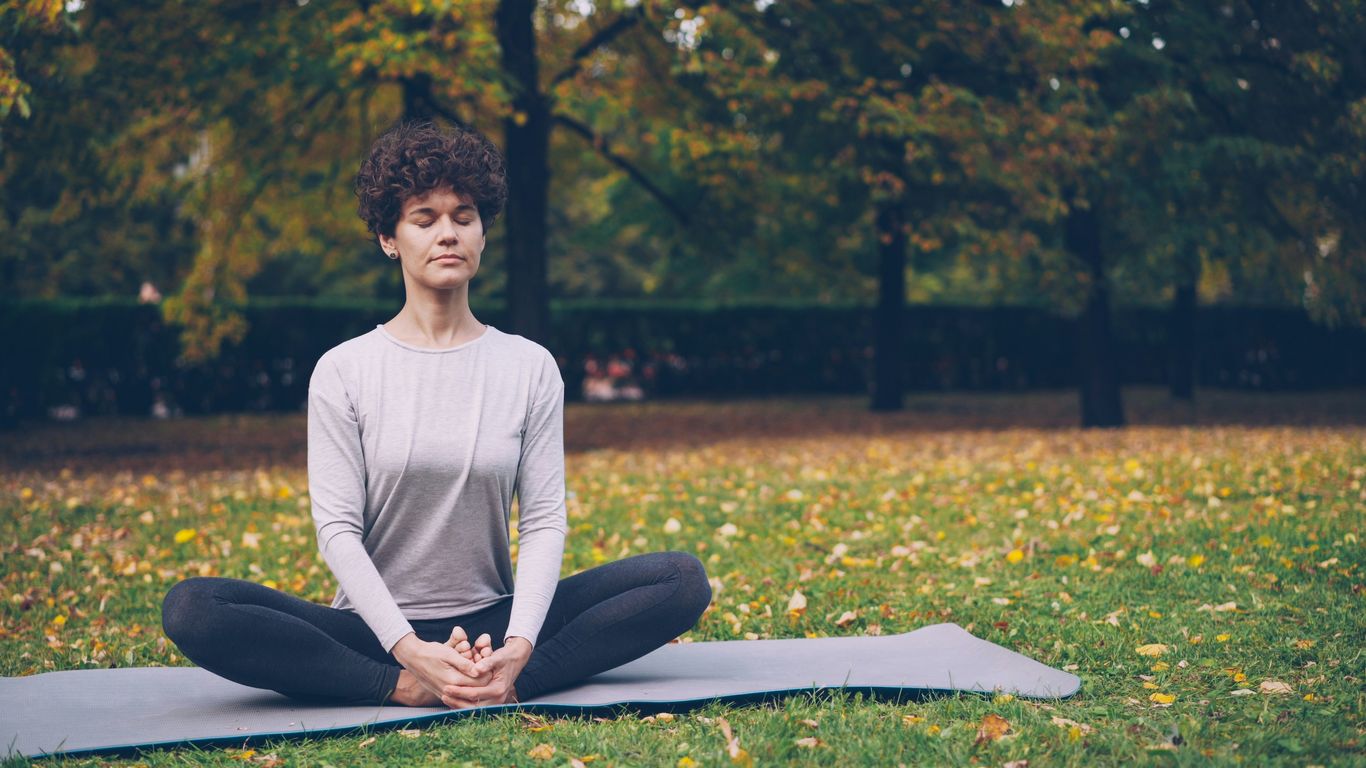
Sometimes, you just need to slow down and let your body melt. That's where certain yoga poses come in handy. They're not about being super flexible or doing fancy arm balances; they're about finding a bit of ease and letting go of the tightness that builds up from daily life. The goal is to move gently and breathe, allowing your body to signal that it's okay to relax. These simple shapes can offer a quick reset when stress feels overwhelming.
Child's Pose for Nervous System Support
Child's Pose, or Balasana, is like a gentle hug for your nervous system. It encourages you to turn inward and can help quiet a busy mind. This pose is effective for releasing tension and can help ease stress by softening the belly and signaling rest to your body. It's a great way to start or end your practice, or to use as a resting pose anytime you need a break.
- How to do it: Start on your hands and knees. Bring your big toes to touch and widen your knees about hip-width apart. Sink your hips back towards your heels. Fold your torso forward, resting your forehead on the mat or a folded blanket. You can extend your arms forward or rest them alongside your body, palms facing up. Focus on breathing deeply into your back ribs for one to three minutes.
Cat-Cow Stretch for Spinal Release
Cat-Cow, or Marjaryasana-Bitilasana, is a flowing movement that helps release tension and improve circulation throughout your spine. By moving between arching and rounding your spine, you give it a gentle massage, which can be very soothing when you're feeling tense. This dynamic pose also helps to connect your breath with movement, bringing more awareness to your body.
- How to do it: Begin on your hands and knees, with your wrists under your shoulders and knees under your hips. As you inhale, drop your belly, arch your back, and lift your gaze (Cow Pose). As you exhale, round your spine, tuck your chin to your chest, and draw your navel towards your spine (Cat Pose). Flow between these two poses for one to two minutes, coordinating with your breath.
Legs-Up-The-Wall Pose for Deep Relaxation
Legs-Up-The-Wall Pose, or Viparita Karani, is a wonderfully restorative shape that helps reduce swelling and promotes relaxation by calming the nervous system. It's a passive pose that requires minimal effort, making it perfect for deep rest. Many people find this pose incredibly helpful for winding down after a long day or when feeling particularly anxious. You can find more simple yoga poses designed to alleviate stress here.
- How to do it: Sit with one hip against a wall. Swing your legs up the wall as you lie back on the floor. Your hips should be as close to the wall as is comfortable. You can place a folded blanket or bolster under your hips for added support. Rest here for three to five minutes, allowing your body to relax completely.
These poses are not about achieving a perfect shape, but about finding a sense of ease and letting go of tightness. Move slowly and breathe deeply, allowing your body to signal when it's okay to relax. A folded blanket, pillow, or block can make every pose kinder and more accessible.
Breathwork Techniques to Reduce Stress
Your breath is a direct line to your nervous system. When you're feeling overwhelmed, your breathing often gets short and shallow. Yoga teaches us to intentionally slow down and deepen our breath, sending a signal to your body that it's okay to relax. It's like having a built-in remote control for stress.
Diaphragmatic Breathing for a Calmer Heart
This is all about breathing into your belly, not just your chest. It's how babies breathe naturally. To try it, lie down or sit comfortably. Place one hand on your belly and the other on your chest. As you inhale through your nose, feel your belly rise. When you exhale, let your belly soften. Try to keep your chest relatively still. This kind of deep breathing helps slow your heart rate and makes you feel more grounded. It's a simple yet powerful way to calm yourself down, and you can practice diaphragmatic breathing anytime, anywhere.
Counted Exhale Breathing for Relaxation
When you exhale for longer than you inhale, you activate your parasympathetic nervous system, which is your body's 'rest and digest' mode. Try this: inhale for a count of four, and then exhale for a count of six or even eight. You'll notice a difference pretty quickly. It tells your brain, "Hey, everything's fine, we can chill out now." This simple shift can make a big impact on how you feel.
Here's a breakdown of how to do it:
- Inhale: Breathe in slowly through your nose for a count of 4.
- Exhale: Breathe out slowly through your mouth or nose for a count of 6 or 8.
- Repeat: Continue this cycle for a few minutes, focusing on the sensation of the breath.
Breath Awareness for Stress Reset
Pranayama is the yogic term for breath control. There are many different techniques, but a popular one for stress is called Box Breathing. Here's how it works:
- Inhale slowly through your nose for a count of four.
- Hold your breath for a count of four.
- Exhale slowly through your nose for a count of four.
- Hold your breath out for a count of four.
Repeat this cycle for a few minutes. It's a structured way to bring focus to your breath and quiet the mental chatter. Another technique you might find helpful is the 4-7-8 breathing method, which also uses specific counts to promote relaxation. The breath is a bridge between your body and your mind. By consciously working with your breath, you can influence your emotional state and bring a sense of calm into your day. It's a practice that requires patience and consistency, but the rewards are well worth the effort. You might find that incorporating these techniques can be as helpful as setting up keyless entry for a smooth vacation rental experience, in terms of bringing order and calm.
The practice of yoga is not about achieving perfect poses, but about cultivating a kinder relationship with yourself. It's about noticing where you hold tension and learning to release it, breath by breath.
Mindfulness and Meditation in Your Practice
Beyond the physical movements, weaving mindfulness and meditation into your yoga practice can really boost its stress-busting power. Mindfulness is all about paying attention to what's happening right now, without getting caught up in thoughts about the past or future. It helps you connect more deeply with yourself and the world around you.
Guided Body Scan for Releasing Tension
This technique involves bringing your awareness to different parts of your body, one by one. You start with your toes and slowly move your attention up through your feet, legs, torso, arms, neck, and head. The goal isn't to change anything, but simply to notice any sensations – warmth, coolness, tingling, pressure, or even a lack of sensation. Many people find that this simple scan helps release clenching they were not aware of and can improve sleep quality. It's a structured way to bring focus to your breath and quiet the mental chatter.
Present Moment Attention to Quiet the Mind
This is the core of mindfulness. When your mind wanders, which it will, gently guide your attention back to your breath or the physical sensations in your body. Don't get frustrated with yourself; it's a natural part of the process. Think of it like training a puppy – you just keep bringing it back. The breath is a bridge between your body and your mind. By consciously working with your breath, you can influence your emotional state and bring a sense of calm into your day. It's a practice that requires patience and consistency, but the rewards are well worth the effort. You can find simple ways to incorporate yoga and breathwork into your existing schedule [037c].
Integrating Meditation into Your Routine
Meditation doesn't have to be a separate, daunting task. You can integrate it directly into your yoga practice. For instance, after your asanas (poses), spend a few minutes in stillness, focusing on your breath. Or, try Yoga Nidra, often called "yogic sleep." You do this lying down, and it's a guided meditation designed for deep relaxation, especially helpful if you're feeling worn out. Even short, regular sessions can make a difference. A month-long mindfulness program significantly decreased symptoms of depression, anxiety, and general psychiatric distress, showing how effective these practices can be for mental well-being. You might also find it helpful to explore different bra size conversions if you're looking for comfort during your practice [4f8f].
Here’s a quick look at how these practices can help:
- Mindful Breathing: Focus on the sensation of air entering and leaving your body. Notice the rise and fall of your chest or belly.
- Body Scan: Bring your attention to different parts of your body, noticing any sensations without judgment.
- Present Moment Awareness: Gently bring your attention back to your breath or the sensations in your body whenever your mind wanders.
Sometimes, a little guidance can go a long way. Exploring guided meditations can be a great addition to your yoga routine. These sessions can help you cultivate a sense of inner peace and clear out some of the mental clutter that often comes with stress. You can find tons of resources online or through apps that offer meditations specifically designed to help you relax.
Building a Consistent Stress Reduce Yoga Practice
Building a lasting, stress-reducing yoga practice isn’t about achieving the "perfect" pose or logging marathon sessions. It’s about steady effort, self-awareness, and patience. Here’s how to make your yoga habit stick, even when life gets busy or motivation fades.
Listening to Your Body's Signals
The first rule—listen to your body, not your ego. Your body’s sending cues all the time. Some days you'll feel strong, other days everything might feel tight and uncomfortable. If a pose feels off or painful, adjust it, pause, or skip it. Yoga isn’t about pushing to your limit every time; it’s about tuning in and responding kindly to yourself.
- Notice how your breath feels during and after practice.
- Look for signs of tension and back off when needed.
- Remember: your physical form isn’t as important as feeling good when you finish.
Pay attention to how every pose or stretch feels right now, instead of comparing it to how it "should" look. This habit keeps your practice enjoyable and safe.
Overcoming Common Yoga Mistakes
We all make mistakes, especially early on. Here are some to watch out for:
- Ignoring discomfort and pushing through pain (that’s a fast track to injury).
- Forgetting about your breath or letting it turn shallow—steady breaths help calm the mind and body.
- Comparing yourself to more experienced yogis, which only leads to frustration.
Keep these simple checks in mind for each practice:
| Mistake | How to Correct It |
|---|---|
| Pushing through pain | Pause or modify the pose |
| Holding your breath | Slow down and breathe deeply |
| Comparing to others | Focus on your own experience |
The Power of Short, Regular Sessions
You don’t need hour-long flows to get the benefits. In fact, consistency matters more than length or intensity. Try aiming for short, regular sessions:
- 10-15 minutes on your mat, 2-3 times a week, can make a big difference.
- If a full flow feels too much, do a couple of stretches or focus on breathwork.
- Missing a session isn’t a failure—just pick it back up the next day and keep going.
Short, simple practices are often easier to maintain and can be done at home even with a packed schedule. Even small steps can gradually build a sense of calm that lasts throughout the day—check out advice on manageable routines as a starting point.
Creating consistency is about coming back to the mat again and again, no matter what that looks like for you. One breath, one pose, one day at a time, your stress will start to melt away.
Enhancing Your Stress Reduce Yoga Journey
Combining Yoga With Other Calming Techniques
Building a calming daily routine means yoga doesn't have to stand alone. Adding other supportive methods can make the stress-relief effects of yoga stick with you longer. You might start your day with yoga, then turn to breathwork, journaling, or short mindfulness breaks during high-stress moments. Here are some ways to team up yoga with other tension-relievers:
- Practice deep breathing exercises at your desk or in your car between errands
- Write out anxious thoughts after yoga, letting your mind process and release them
- Try progressive muscle relaxation or soothing music before bed
A blend of practices helps your mind quiet down faster and your body relax more deeply. If you’re looking for a solid foundation, learning about Mindfulness-Based Stress Reduction is a smart next step.
The Role of Community in Yoga Practice
Your yoga journey goes farther when you’re part of a community, no matter how big or small.
- Be part of a local group or online forum to share experiences and support
- Swap ideas and routines with a friend or two—it keeps things interesting
- Show up regularly, even just for virtual classes, to remind yourself you’re not alone
It doesn’t have to be formal; a quick chat with someone who “gets it” can change a tough day. Over time, these connections encourage you to make yoga a natural part of daily life.
Feeling supported—even if it's just from an online message board—can make all the difference on days when motivation is low.
Restorative Yoga for Deep Rest
When you're really tired or stressed out, restorative yoga is your go-to. These poses are simple and held for longer so your body can let go of built-up tension. Props like blankets, bolsters, and pillows add comfort, reducing strain and letting you fully relax. Here’s why people stick with restorative yoga:
- More effective release of muscle tightness than fast-moving sequences
- Lowers your heart rate noticeably after just one session
- Prepares you for deeper sleep or unwinding before bed
| Restorative Yoga Benefits | What You Can Expect |
|---|---|
| Slower breathing | Calmer mind |
| Longer resting time in poses | Muscle release |
| Use of props | Total body support |
This approach is especially useful when life feels overwhelming and you need something gentle. Research into yoga for stress management highlights just how important slow, mindful movement can be for everyday balance.
Conclusion
So, we've talked about how stress really messes with us, and how yoga can be a pretty solid way to fight back. It's not about becoming a pretzel or anything; it's really about finding those moments of quiet in your day. Whether it's a few minutes of deep breathing or a gentle stretch, making yoga a regular thing, even a small part of your routine, can make a real difference. Remember to listen to your body, don't push too hard, and just focus on how you feel. Over time, you'll likely notice you're handling things a bit better and feeling more at ease. Keep practicing, and you'll find your own path to a calmer you.
Frequently Asked Questions
How does yoga actually help with stress?
Yoga helps calm you down by slowing your breathing and heart rate. It also helps your muscles relax, which can release a lot of built-up tension. When your body feels more relaxed, your mind tends to follow, making you feel less worried.
Do I need to be flexible to do yoga for stress relief?
Not at all! You don't need to be super flexible. Yoga is more about how you feel and connecting with your body, not about how you look in a pose. There are many poses that don't require much flexibility, and you can always modify them.
What if I only have 5 minutes to practice yoga?
Even five minutes can make a difference! You can do a few deep breaths, a gentle neck roll, or a simple seated forward bend. These short bursts can act like a quick reset button for your mind when you're feeling overwhelmed.
Are there specific poses that are best for stress?
Yes, poses like Child's Pose, Legs-Up-The-Wall Pose, and Cat-Cow Stretch are really good for calming the nervous system and releasing tension. They are gentle and focus on relaxation.
How important is breathing in yoga for stress?
Breathing is super important! It's like a direct line to your nervous system. Slow, deep breaths, especially breathing out longer than you breathe in, tell your body it's safe to relax. This is a key part of how yoga reduces stress.
Can I combine yoga with other things to help with stress?
Absolutely! Yoga works great with other calming activities like spending time in nature, listening to music, or even just taking quiet time for yourself. Mixing different relaxing habits can give you even more tools to manage stress.


