

Mastering Two People Yoga Poses: A Guide for Couples and Friends
Practicing yoga poses with a partner can really change your workout and your connection. Here are the main things to remember when you start doing yoga with someone else.
Key Takeaways
- Partner yoga builds trust and communication through shared movement and touch.
- Synchronizing your breath with your partner deepens connection and relaxation.
- Start with easy poses and gradually move to more challenging ones as you build confidence.
- Physical touch in partner yoga acts as a language for support and guidance.
- Regular practice of two people yoga poses strengthens bonds and improves overall well-being.
The Foundation of Two People Yoga Poses
Getting started with yoga for two isn't just about striking a pose; it's about building a connection that goes beyond the physical. Think of it as setting the stage for a beautiful dance, where you and your partner learn to move and breathe as one. This practice is a unique way to build trust and communicate without even saying a word. It’s about finding that sweet spot where you can support each other, both literally and figuratively.
Understanding Partner Yoga Basics
Partner yoga, sometimes called doubles yoga, is all about collaboration. It's not about one person being the star and the other just tagging along. Instead, it's a give-and-take, a shared effort to explore different shapes and sensations. The core idea is that by working together, you can both achieve deeper stretches, better balance, and a more profound sense of connection than you might on your own. It’s a practice that’s been around in various forms for ages, with ancient traditions recognizing the energetic bond created when two people practice mindfulness together. This shared journey can bridge the gap between physical fitness and emotional closeness, helping you build trust and open up to each other.
The Role of Breathwork in Synchronized Poses
Breathing is the heartbeat of any yoga practice, and in partner yoga, it becomes a shared rhythm. When you and your partner synchronize your breaths, you create a powerful energetic link. This isn't just about taking deep breaths; it's about inhaling and exhaling together, creating a unified flow. This shared breath can help calm your nervous systems, making it easier to focus and connect. It’s a simple yet profound way to tune into each other’s energy and build a sense of unity. Think of it as a silent conversation, where your breaths guide your movements and deepen your mutual awareness. This synchronized breathing is a base for all yoga partner poses.
Setting the Atmosphere for Practice
Creating the right environment can make a big difference in your partner yoga experience. You don't need a fancy studio; your living room can be perfect. Dim the lights, maybe put on some soft, calming music – instrumental tunes work great. Lighting a candle or some incense can also add to the mood, engaging more of your senses. Having a couple of yoga mats laid out parallel to each other or in a 'T' shape, depending on the poses you plan to try, is a good start. Keep some water handy and maybe a yoga block or two, especially if you're just beginning with some of the easier poses. The goal is to create a space that feels peaceful and inviting, where you can both relax and focus on connecting with each other.
The beauty of yoga poses for two is that they require balance from both individuals, mirroring the balance needed in life itself. This shared pursuit of equilibrium on the mat can translate into a more balanced approach to your relationship off the mat.
Here’s a quick checklist to get your space ready:
- Clear the space: Make sure you have enough room to move without bumping into furniture.
- Comfort is key: Use yoga mats for cushioning and to prevent slipping.
- Set the mood: Soft lighting and calming music can help you both relax.
- Hydration: Keep water nearby for sips between poses.
Starting with the basics of partner yoga can feel like learning a new language, but it’s one spoken through touch, breath, and shared movement. It’s a journey that promises not just physical benefits but also a strengthening of your bond with your partner or friend.
Building Trust and Connection Through Movement
The Power of Touch in Partner Yoga
When you're practicing yoga with someone else, touch becomes a really important way to communicate. It's not just about holding hands; it's about how one person can gently guide the other into a deeper stretch or help them find their balance. Think of it like a silent conversation. Your hands on your partner's back can signal support, or a gentle push can help them extend a little further. This physical connection builds a strong sense of trust. You learn to rely on each other, and that feeling can really strengthen your bond, whether you're friends or partners. It’s a way to feel more connected, not just physically, but emotionally too. This kind of interaction can really help you understand each other better.
Navigating Challenges in Duo Poses
Let's be real, not every pose is going to be perfect the first time. Sometimes you'll wobble, maybe even fall out of a pose. That's totally okay! The key is how you handle those moments together. Instead of getting frustrated, try to laugh it off. This is where communication really shines. You might need to talk through how a pose feels, or adjust your positioning. It’s about working through the tricky bits as a team. Remember, the goal isn't perfection, it's connection. When you can navigate those awkward or challenging moments with grace and humor, you're building a really solid foundation of trust. It’s like solving a puzzle together; sometimes it takes a few tries, but the satisfaction of figuring it out as a pair is pretty great.
Strengthening Bonds with Friends and Partners
Partner yoga is a fantastic way to deepen relationships. When you're moving together, synchronizing your breath, and supporting each other, you're creating a shared experience that's pretty unique. It's not just about the physical benefits; it's about the mental and emotional connection that grows. You learn to be more aware of your partner's needs and limits, and they learn to be aware of yours. This kind of mutual awareness can spill over into everyday life, making your interactions smoother and more understanding.
Here are a few ways partner yoga helps build those connections:
- Shared Focus: You both concentrate on the same pose, working towards a common goal.
- Mutual Support: You literally hold each other up, physically and metaphorically.
- Open Communication: You learn to express what you need and listen to your partner.
- Playfulness: Trying new things together, even if you're a bit clumsy, can be really fun and bonding.
Practicing together creates a unique space where vulnerability is met with support, and shared effort leads to mutual growth. It's a beautiful way to see and be seen by another person.
This practice can be especially beneficial for friends looking to strengthen their friendship or couples wanting to add a new dimension to their relationship. It's a journey you take together, step by step, breath by breath.
Exploring Accessible Two People Yoga Poses
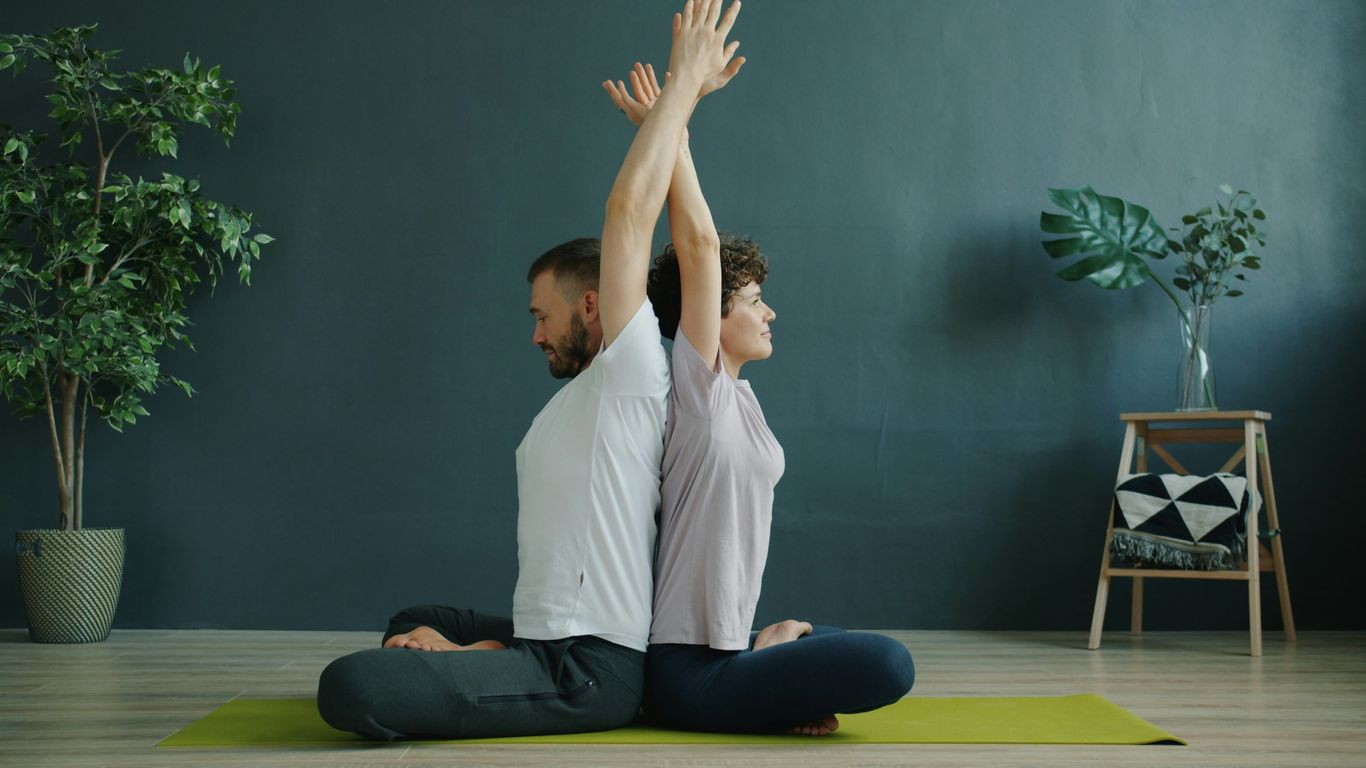
Getting started with yoga poses for two doesn't need to be complicated. The focus here is on building comfort and connection, not on advanced acrobatics. These accessible poses are perfect for couples or friends who are new to practicing together. They help you learn to communicate non-verbally and build a sense of trust, which is the bedrock of any good partner practice.
Easy Seated Partner Stretches
Seated poses are a fantastic starting point because they offer stability and allow for close interaction. You can begin by sitting facing each other with your legs extended. Try a simple seated forward fold where one partner folds forward while the other leans back slightly, offering a gentle stretch. Another great option is a seated spinal twist. Sit cross-legged facing your partner, then twist your torso to the right, placing your left hand on your partner's right knee and your right hand behind you. Your partner mirrors this on the opposite side. This pose is great for spinal mobility and encourages a gentle, reciprocal stretch.
- Seated Forward Fold: Sit facing each other, legs extended. One partner folds forward, the other leans back slightly for support.
- Seated Spinal Twist: Sit facing each other, twist to one side, using your partner's knee for leverage and your hand behind you for support.
- Partnered Butterfly Pose: Sit facing each other, soles of your feet together. Gently lean back, using your partner's back for support, or hold hands and lean forward together.
Simple Standing Balance Variations
Standing poses introduce a bit more challenge but are still very manageable for beginners. A simple variation of Tree Pose can be done side-by-side. Stand next to your partner, facing the same direction. You can hold hands for stability or place your hands on each other's shoulders. Then, lift one foot and place it on your inner ankle or calf, just like you would in a solo Tree Pose. The shared gaze and gentle touch can help you both find your balance. Another easy standing pose is a supported Warrior II. Stand facing each other in a wide stance, then bend your front knees into a Warrior II position. You can hold hands or place your hands on each other's hips for stability. This pose builds leg strength and a sense of shared grounding.
Remember, the goal isn't perfection. It's about moving together, communicating, and enjoying the shared experience. Laughter is a great sign that you're doing it right!
Mirror Image Poses for Beginners
Mirroring poses is a wonderful way to build awareness of your partner's movements and energy. You can start with simple standing or seated poses where you both do the same thing simultaneously, facing each other. For example, both partners can stand and do a forward fold, a side bend, or even a gentle backbend. The key is to try and match your movements. This practice helps you tune into each other's rhythm and can be surprisingly meditative. It's a great way to explore beginner-friendly partner yoga poses without the pressure of complex coordination. You'll find that as you practice, you'll naturally start to anticipate each other's movements, which is a beautiful part of the connection.
Intermediate Two People Yoga Poses for Deeper Connection
Ready to move beyond the basics? These intermediate poses are designed to build on the trust and communication you've already established. They require a bit more coordination and stability, offering a chance to really sync up with your partner or friend. The real magic happens when you can feel your partner's breath and movement as an extension of your own. It's about finding that sweet spot where you support each other to go a little deeper, both physically and emotionally.
Double Downward Dog for Core Strength
This pose is a fantastic way to build core strength and stability together. Partner one gets into a standard Downward-Facing Dog position. Then, partner two walks their hands forward and places their feet onto partner one's lower back. It might sound intense, but with good communication and a stable base from partner one, it's a powerful way to feel supported and strong. Remember to keep your core engaged – this isn't just about holding your partner up, it's about working together.
Partner Forward Fold for Reciprocal Stretching
This pose is all about giving and receiving. Sit facing each other with your legs extended and wide apart, feet touching. Hold onto each other's forearms. As one partner gently leans back, they'll pull the other into a forward fold. You can take turns being the one who folds forward and the one who provides the gentle resistance. It’s a beautiful way to experience a deeper stretch, knowing your partner is there to support you. This is a great one for hamstring flexibility.
Seated Partner Twists for Spinal Mobility
For this, you'll both sit back-to-back in a comfortable cross-legged position. Take an inhale and reach your arms up. As you exhale, twist your torso to one side, reaching your hand towards your partner's opposite knee. Your partner mirrors this action. Close your eyes and try to match your inhales and exhales, feeling the connection through your spines. It’s a gentle yet effective way to increase spinal mobility and release tension.
These poses are excellent stepping stones. They challenge you to be present, responsive, and to trust the physical connection you're building. Don't worry about perfection; focus on the shared experience and the subtle ways you communicate and support each other through the movement.
Advanced Two People Yoga Poses and Their Benefits
Ready to take your partner yoga practice to the next level? Advanced poses require a solid foundation of trust, communication, and physical coordination. These aren't just about impressive feats; they're about deepening your connection through shared effort and mutual reliance. When you're working on these more complex sequences, you're really learning to read each other's bodies and intentions without a word. It's a powerful way to build intimacy, whether you're partners or close friends.
Challenging Balances for Enhanced Coordination
Moving into advanced balancing poses together is where you truly test your synchronicity. Think of poses where one person acts as a stable base and the other finds their balance on top, or where you both rely on each other for stability in a shared, intricate stance. These require a strong core from both individuals and a keen awareness of weight distribution. It's like a dance, but with gravity.
- Base Partner: Needs a strong, stable core and grounded legs. Focus on maintaining a steady center.
- Flyer/Top Partner: Needs to trust the base and find their own balance with controlled movements. Communicate any shifts in weight.
- Mutual Focus: Both partners must maintain focus on their breath and their connection to avoid wobbling or losing the pose.
This kind of practice can really help you understand how to support each other, not just in yoga but in life too. It’s about finding that sweet spot where you can both be strong and supportive. You can find some great tips on building trust through shared activities.
Inversions and Acro Yoga Poses
This is where things get really exciting, and maybe a little intimidating. Inversions, like handstands or forearm stands done with a partner, demand a high level of trust and precise timing. Acro yoga, which blends yoga with acrobatics, often involves one person (the base) supporting the other (the flyer) in dynamic poses, sometimes high off the ground. Safety is paramount here, so always ensure you have a spotter if you're new to these, or at least a very clear understanding of how to support each other safely. It's not just about strength; it's about technique and knowing when to engage and when to release.
Working with inversions and acro poses together requires a deep level of non-verbal communication. You learn to anticipate each other's movements and react with precision, building an incredible bond through shared risk and accomplishment.
The Science of Connection: Hormonal Benefits
Beyond the physical, there's a fascinating biological aspect to partner yoga. The act of synchronized movement, touch, and mutual support can actually trigger the release of feel-good hormones. Oxytocin, often called the 'bonding hormone,' is released during physical touch and cooperative activities. This can lead to feelings of closeness, trust, and well-being. It’s not just in your head; your body is literally responding to the connection you're building. This can be a wonderful way to strengthen relationships, whether romantic or platonic, by creating a positive feedback loop of connection and affection. It’s a reminder that sometimes, the most profound benefits come from simply moving together with intention and care.
Creating a Sustainable Partner Yoga Practice
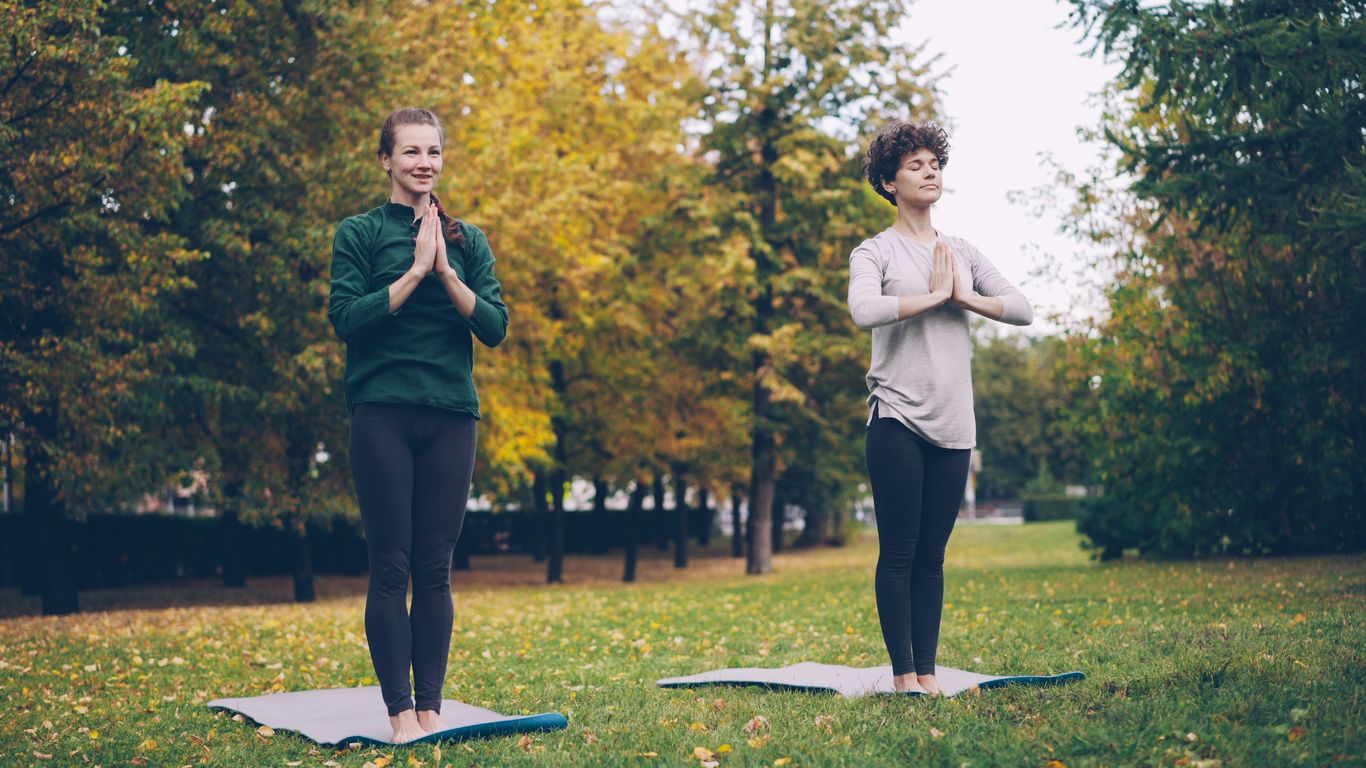
So, you've been enjoying the partner yoga sessions, maybe you've tried some of the accessible poses for beginners and are feeling more connected. That's awesome! But how do you keep this going? Making partner yoga a regular thing takes a little thought, just like anything else you want to stick with.
Tips for Consistent Practice
Consistency is key, right? It’s easy to let things slide when life gets busy. Here are a few ideas to help you and your partner keep showing up on the mat together:
- Schedule it like an appointment: Seriously, put it in your shared calendar. Treat it with the same importance as a doctor's visit or a work meeting. Even 20-30 minutes a few times a week can make a big difference.
- Create a dedicated space: Find a quiet corner in your home where you can leave your mats and props out. This makes it easier to just jump into practice without a lot of setup.
- Vary your routine: Don't get stuck doing the same few poses every time. Explore new sequences, try different styles, or even focus on a specific area of the body. This keeps things fresh and exciting.
- Listen to your bodies: Some days you'll have more energy than others. Be flexible and adjust your practice accordingly. It's better to do a gentler session than to push too hard and get injured.
Celebrating Progress Together
It’s important to acknowledge how far you’ve come. When you’re practicing with someone, those shared wins feel even better. Did you finally nail that tricky balance pose? Did you notice you’re communicating better off the mat too? Take a moment to appreciate it.
- Verbalize your wins: Simply saying, "Wow, that felt amazing!" or "I really felt supported in that pose," goes a long way.
- Small rewards: Maybe after a particularly good session, you treat yourselves to a nice cup of tea or a relaxing bath.
- Journaling: Keep a shared journal where you can jot down how you felt after each practice, any challenges you overcame, or new poses you tried. Looking back on this can be really motivating.
Overcoming Common Partner Yoga Problems
Let's be real, it's not always going to be smooth sailing. Sometimes you might feel out of sync, or one person might be stronger or more flexible than the other. That's totally normal.
The biggest hurdle is often just showing up and being present. When you're in a pose together, you're not just holding a shape; you're holding space for each other. This requires a level of trust and vulnerability that can be challenging but is ultimately what makes partner yoga so rewarding.
Here are a few common issues and how to handle them:
- Feeling unbalanced: If one person is consistently stronger or more flexible, the more advanced partner can modify the pose to meet the other where they are, or the stronger partner can focus on stability and support. It’s about finding a middle ground.
- Communication breakdowns: If you’re not talking to each other, poses can feel awkward or even unsafe. Make a conscious effort to check in: "How does this feel?" "Can you shift your weight a little?" Clear, calm communication is your best friend.
- Scheduling conflicts: Life happens. If you miss a session, don't beat yourselves up. Just reschedule for another time. The goal is progress, not perfection. You can always find resources for partner yoga poses online if you miss a session and want to practice individually or find a quick flow.
Remember, partner yoga is a journey. Enjoy the process, be patient with each other, and celebrate the connection you're building, one pose at a time.
Conclusion
Partner yoga poses are more than just a workout; they're a way to connect, trust, and grow together. Whether you're trying simple moves or more complex ones, the journey of practicing yoga with someone else brings a special kind of closeness. It teaches patience, support, and understanding, which are great for any relationship. So, grab a friend or your partner, find a comfortable space, and start exploring the amazing world of two people yoga poses. It’s a shared adventure that benefits both your body and your bond.
Frequently Asked Questions
What exactly are two people yoga poses?
Two people yoga poses, also called partner yoga, are yoga moves where two people work together. You might support each other, mirror each other, or even lift each other up. It's all about teamwork and connection.
Do I need to be flexible to do partner yoga?
Not at all! Partner yoga is great for all levels. Beginners can start with simple poses that help build balance and trust. Your partner can help you go a little deeper into stretches safely.
How does partner yoga help relationships?
When you do yoga together, you have to talk (even without words!) and trust each other. This makes you understand your partner better. It’s like a fun way to get closer and solve problems together.
Is partner yoga safe?
Yes, it's safe if you're careful. Always listen to your body and your partner. Don't push too hard, and make sure you have a soft mat. Good communication is the most important safety rule.
Can friends do partner yoga, or is it just for couples?
Friends can totally do partner yoga! It's a fantastic way for friends to bond and have fun. You build a different kind of connection, one based on support and shared effort, which is awesome for any friendship.
What's the best way to start with two people yoga poses?
Start simple! Find a quiet space, maybe put on some soft music. Try easy poses like sitting back-to-back or simple standing balances where you hold hands. Focus on breathing together and checking in with each other.


