

Understanding the price of a yoga mat: a buyer’s guide
Key Takeaways
Understanding the price of a yoga mat helps you make a smarter decision that aligns with your specific needs. By breaking down costs, you can avoid overspending on features you might not use while ensuring durability for your daily practice.
- Material composition is the primary driver of cost differences between entry-level and professional-grade mats.
- Higher prices often reflect advanced manufacturing processes designed for better grip and surface longevity.
- Entry-level mats serve as a great starting point but may require more frequent replacement for dedicated students.
- A mid-range investment often balances performance needs with price for the majority of daily practitioners.
- Thinking about long-term value helps buyers look past the sticker price to total owning costs.
Factors affecting the price of a yoga mat
The market for yoga equipment can feel overwhelming when you are trying to understand why similar-looking products carry such different price tags. The total price of yoga mat options is influenced by an intersection of raw material science, production methods, and the reputation of the manufacturer. Understanding what you are actually paying for helps demystify the shelf prices you see in shops.
Material quality comparisons
High-density natural rubber and advanced thermoplastic elastomers offer a vastly different experience compared to basic closed-cell foam. While entry-level materials are affordable and lightweight, they often lack the support required for high-frequency or intense sessions. You will often find that professional-grade mats use specialized materials to ensure a non-slip and durable surface that holds up through years of sweat and stretching.
Manufacturing processes and sustainability standards
Manufacturing a mat with high ethical and sustainability standards in mind typically adds to the production cost. Brands that invest in closed-loop systems, eco-conscious rubber sourcing, or advanced bonding techniques for multiple layers have higher overheads. These investments are reflected in the final retail prices but contribute to a longer lifespan and smaller environmental footprint.
Brand recognition and marketing premiums
Established companies frequently charge a premium for their name, which serves as a guarantee of quality and customer support. While this can feel like an extra cost, it covers the extensive product research and testing needed to ensure every item meets strict consistency standards. Choosing a respected label often means paying for the reliability of the product construction.
Physical specifications and density
Weight, thickness, and dimensions play a significant role in production and shipping costs. Larger, thicker mats require more raw material and incur higher logistics fees to get from the factory to the consumer. A mat designed for portability, like the Yune Yoga Skaro Mat, is engineered with specific weight-to-performance ratios that influence its precise price point.
Budget-friendly yoga mats: what to expect
Common materials used in entry-level options
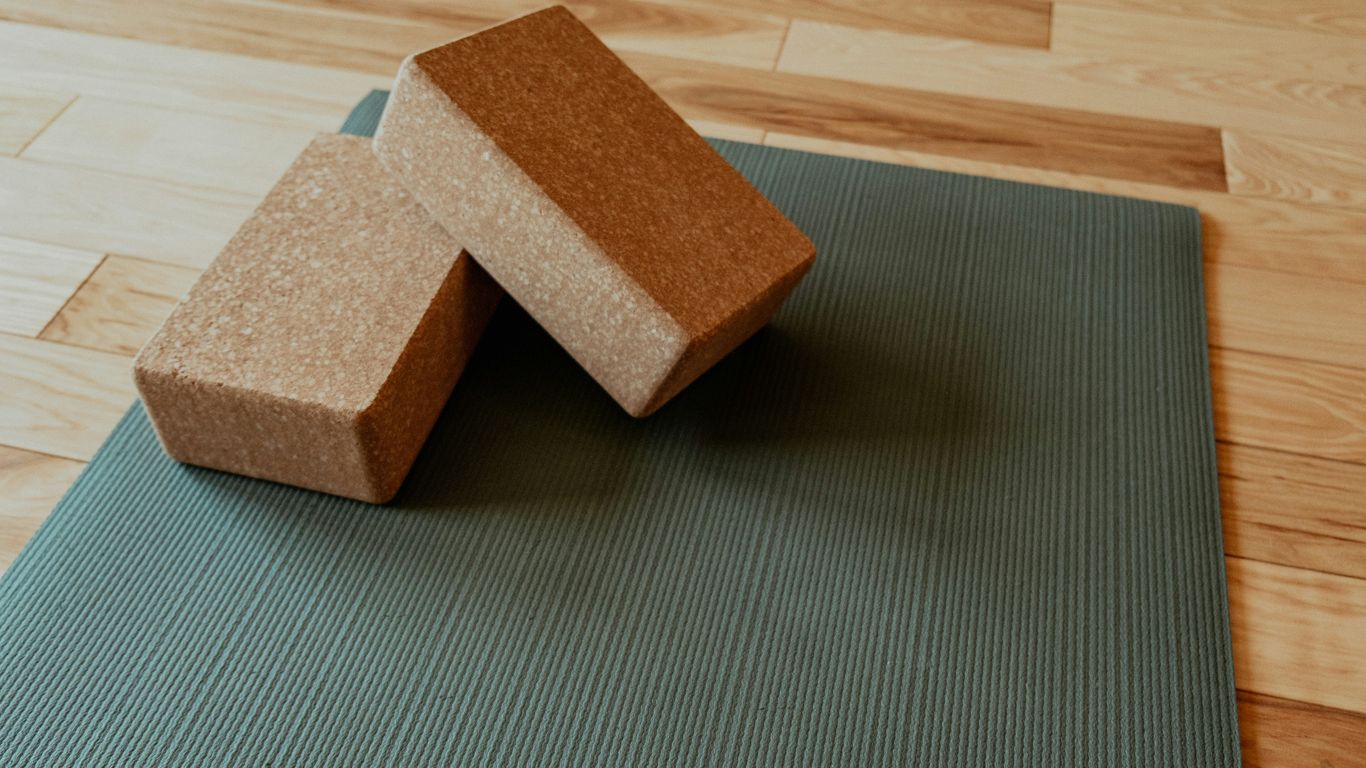
Entry-level mats are typically constructed from thinner PVC or basic foam, focusing on affordability over long-term durability. These materials provide a basic cushion that is sufficient for static stretching or low-impact sequences at home. Because these are mass-produced with cost efficiency in mind, they offer an accessible way to begin your fitness journey without a major financial commitment.
Durability limitations for frequent practitioners
When a mat is exposed to daily use, the lack of high-density materials often becomes apparent very quickly. The surface may show signs of peeling, thinning, or loss of resilience within just a few months of active practice. For someone attending classes or practicing multiple times a week, a budget option might feel like it needs constant adjustment or early replacement.
Finding value in entry-level equipment
These mats offer immense value for casual enthusiasts who do not require studio-grade traction or heavy-duty cushioning for their sessions. They are perfect for keeping at a secondary practice space or for travel when you want a low-risk option to pack away. Recognizing that a mat serves its purpose can help keep expectations grounded appropriately for the price.
The mid-range market: balancing performance and cost
Comparing value-driven features
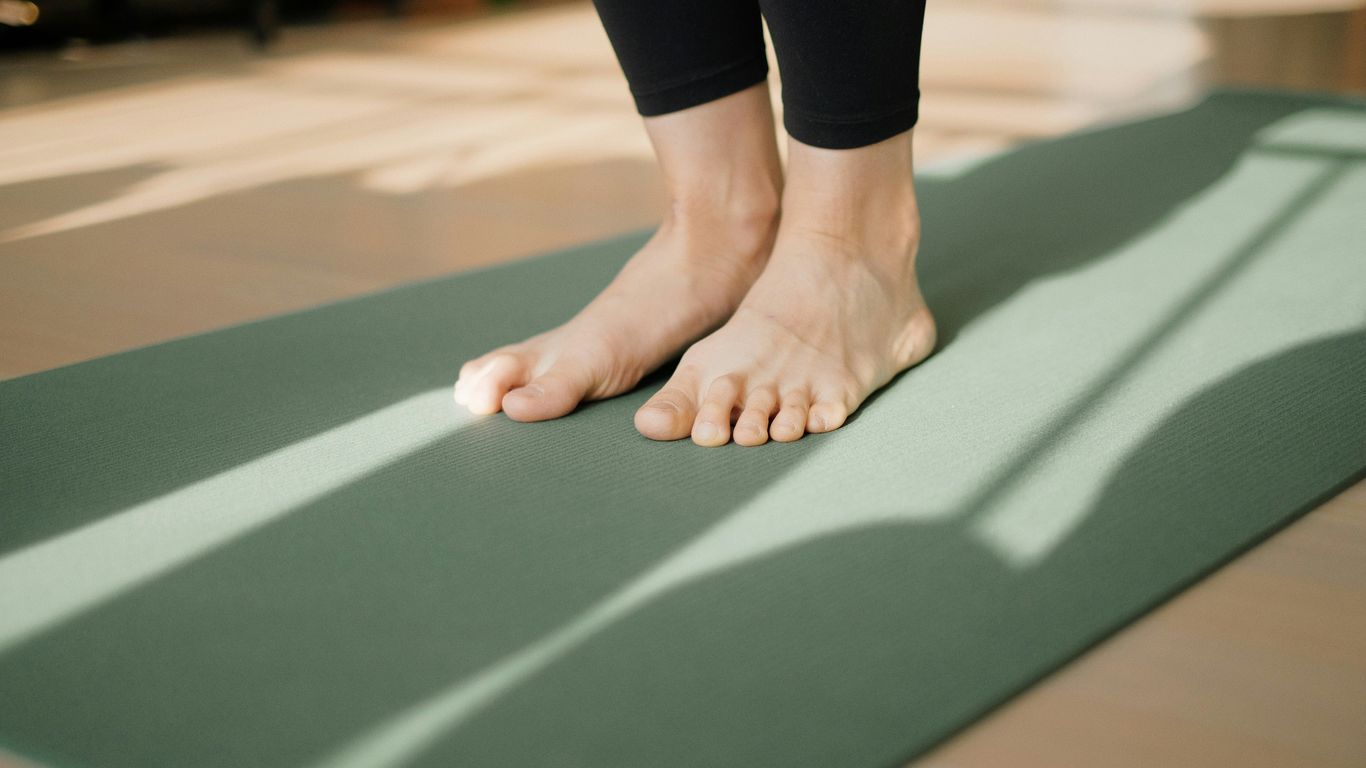
Products in this category often bridge the gap between heavy, professional gear and lightweight portable options. Mid-range mats frequently feature improved grip textures and a more thoughtful balance of thickness that supports joint health during complex poses.
| Feature Type | Entry-Level | Mid-Range | Premium |
|---|---|---|---|
| Material | Standard PVC | Enhanced TPE | Natural Rubber |
| Expected Life | 3-6 Months | 12-24 Months | 3+ Years |
| Cushioning | Moderate | Balanced | Superior |
| Grip Level | Basic | Reliable | Advanced |
Why these mats are suitable for most students
Most practitioners find that quality performance yoga mats at this price point cover all their functional needs. These mats are steady enough to hold poses with confidence yet light enough to carry to a local studio. It is the sweet spot for someone who has established a routine and wants equipment that works with them, rather than against them, every session.
Warranty and product longevity considerations
Companies operating in this range typically design their equipment to withstand more than a season of use. They may offer guarantees that provide peace of mind, signaling that the manufacturer stands behind the construction. Investing here means you can rely on your foundation to remain consistent, such as the reliable traction provided by the Yune Yoga Ataraxy Yoga Mat during your daily rituals.
Premium yoga mats: are they worth the investment?
Premium pricing is generally tied to technical innovation and the use of materials engineered specifically for high-impact practice environments.
Advanced grip technology and surface textures
When moving into advanced yoga styles that involve significant sweat or dynamic transitions, the surface technology becomes critical. Premium mats often utilize non-porous coatings or naturally porous materials that actually improve their grip as they become damp. This keeps you stable in poses like downward dog, where slipping is not just a nuisance but a safety concern.
Material sustainability and ethical sourcing
Top-tier manufacturers prioritize non-toxic materials and sustainable production, which keeps your practice free from harmful chemicals. By choosing a mat that utilizes recycled or renewable inputs, users align their purchases with their personal values. This commitment to quality and transparency is a core part of the premium justification.
Longevity and long-term cost benefits
While the upfront expense is higher, these mats are built to survive thousands of hours of intense movement. You can expect years of use out of a high-quality foundation, which over time makes the cost-per-practice lower than replacing cheaper items annually. It is a decision to invest in a lifetime tool rather than a disposable commodity.
Specialized features for advanced yoga styles
Premium mats are often packed with high-end features designed for specialized needs:
- High-density cushioning to protect sensitive joints during long stays in deep stretches.
- Antimicrobial treatments that help inhibit the growth of bacteria from sweat.
- Engineered lay-flat construction that ensures the mat stays perfectly flush with the floor.
- Integrated alignment markings for practitioners focusing on precise anatomical placement.
Hidden costs: beyond the initial purchase price
Budgeting for your fitness setup requires looking past the item price itself. Maintaining your equipment requires time and some specialized supplies to keep it functioning at peak performance.
Essential cleaning supplies for specific materials
Depending on what your mat is made of, it may require specific PH-balanced sprays or mild soap solutions. Failure to use the correct cleaning method can strip the traction away or degrade the material fibers prematurely. Ensuring you have the right after-care routine is vital for maintaining the manufacturer's suggested lifespan.
Replacement frequency based on wear and tear
Heavy users may find that even a durable mat eventually wears down in high-contact areas like the hand and feet positions. Factoring in a replacement cycle ensures you are not practicing on a worn-out base that could impact your balance or alignment. Planning for this cycle turns an unexpected expense into a predictable line item in your wellness budget.
Cost of mandatory accessories like carrying straps
Some high-end mats are heavy or difficult to roll, making a durable Yune Yoga Hoth Yoga Mat setup often incomplete without a specialized strap. While some bundles include these accessories, others require a separate purchase to make commuting to the studio manageable. Always check to see if your chosen model includes the necessary hardware to keep it portable and protected.
Shipping and regional price variations
Online retailers and regional stockists often have varying prices based on shipping weights and local demand. Because yoga mats are bulky items, domestic shipping fees can often be significant if free shipping is not included in the promotion. Comparing the final delivered price is always safer than trusting the raw retail sticker.
Conclusion
Selecting the right mat is an investment in your personal practice, balancing your current needs against the longevity of the product. By understanding the true drivers of the price of yoga mat options, you gain the confidence to invest in quality that simplifies your daily movement and supports your journey for years to come.
Frequently Asked Questions
Should I buy a thicker mat for extra cushioning?
Thicker mats do offer more joint cushioning, but they can be less stable if you focus on balance. A balance between 4mm and 6mm is often sufficient for most practitioners.
Does the material affect how much the mat smells?
Some natural rubber mats have an earthier scent initially that dissipates over time. Synthetic materials may release a slight odor when new due to the manufacturing processes.
How long should a good yoga mat last?
A high-quality mat used regularly can easily last two to three years or more with proper care. Budget options may show significant signs of wear within a year of consistent use.
Can I wash my yoga mat in the machine?
Most performance mats should not be put in a washing machine as it can break down the structure or the adhesive layers. Stick to hand-wiping with the manufacturer's recommended natural cleaner.
Is a sticky texture always better for yoga?
High-traction textures are excellent for sweaty vinyasa sessions, but they may feel overly grippy for styles that involve sliding or specific transitions. Choose the texture that matches your primary style of practice.
What weight should I look for in a travel mat?
Travel mats are designed to be thin and lightweight, often weighing under two pounds to fit easily in carry-on luggage. These trade some cushioning to achieve that level of extreme portability.
Do I need a special mat for hot yoga?
Hot yoga demands a mat with high moisture-wicking capabilities or an absorbent surface to prevent slipping. Materials that provide a stable, firm base even when damp are ideal.

