

A complete guide to chair yoga exercise for improved health
Key Takeaways
Chair yoga exercise offers a pathway to increased mobility and flexibility for individuals who may struggle with traditional mat-based movements. By utilizing a sturdy seat, you can develop strength and mindfulness while maintaining stability throughout your practice.
- Chair yoga adapts traditional poses to a seated format for accessibility.
- Consistency provides more physical benefits than intense, infrequent workouts.
- Proper chair selection and placement are vital for safety.
- Breath-to-movement synchronization promotes mental focus and stress reduction.
- Incorporating gentle stretches can significantly decrease daily tension.
Understanding the benefits of chair yoga exercise
Chair yoga exercise provides a unique opportunity to engage with movement while seated, making it an ideal practice for office workers, seniors, or anyone recovering from injury. By adapting classic yoga principles, you gain access to a restorative routine that stabilizes the body and clarifies the mind. This accessible approach ensures that you can experience the physiological rewards of yoga without needing a full-scale exercise studio or floor-level ability.
Improving flexibility and joint mobility
Seated sequences target common tight spots like the neck, shoulders, and hips. Through consistent practice, these movements encourage a better range of motion by gently lengthening the musculature surrounding your joints. Just as you might appreciate the precision of tattoo cartridges for their mechanical reliability, you will find that controlled chair movements provide mechanical relief to stiff, sedentary areas of the body.
Reducing stress and promoting mindfulness
Yoga is well-regarded for its ability to lower cortisol levels and calm the nervous system. By integrating conscious breathing, practitioners can anchor themselves in the present moment, turning a short break into a mental reset. For those needing additional routines to manage a busy lifestyle, these 5 exercises for stress can work in tandem with your yoga practice to enhance your daily resilience.
Enhancing core strength through seated stability
Engaging your core while sitting upright requires subtle, continuous effort that builds functional stability. Unlike a slumped posture, a seated mountain position forces the abdominal wall to support the spine, effectively strengthening your trunk over time. This foundational work helps protect your back and makes daily movements elsewhere, like maneuvering in a room painted by NEMO Group UK, feel more effortless and balanced.
Managing pain and discomfort for people with limited mobility
Many individuals live with joint pain that makes floor-based yoga intimidating or impossible. Seated yoga removes the barrier of getting up and down, allowing you to focus on the healing aspect of physical movement. If blurring vision or eye strain distracts you during your quiet time, scheduling a visit to Legarreta Eye Care can ensure you see your practice surroundings clearly and safely.
Essential gear and setup for chair yoga
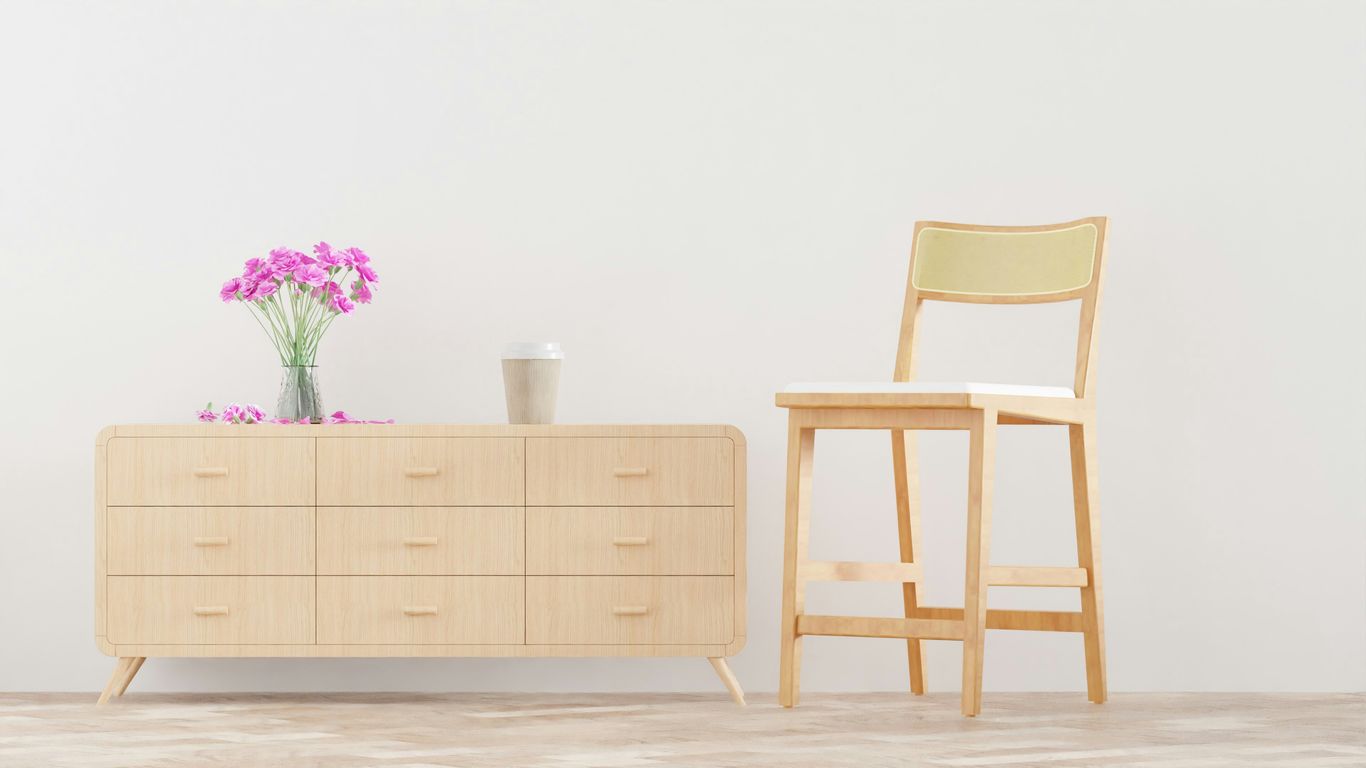
Setting up your space correctly is the most important step for a successful session. You do not need expensive technology, but you do need items that prioritize stability and comfort. By ensuring your environment is dedicated to your practice, you create a psychological signal that it is time to move and breathe.
Selecting the right chair for safety
Your chair should be sturdy, armless, and flat-seated to prevent tipping during movements. Avoid rolling office chairs, which can slide away unexpectedly. A stable base is the foundation of your practice, ensuring that your weight is evenly distributed at all times.
Ensuring proper posture and chair placement
Place your chair on a non-slip surface, perhaps utilizing a Yune Yoga mat underneath to prevent any sliding on hardwood floors. Position the chair so that your feet rest flat, with your knees bent at a ninety-degree angle. This alignment keeps your spine neutral and prevents unnecessary pressure on the lumbar region.
Using props to support alignment
If your feet do not reach the floor, use a block or a folded Yune Yoga blanket to close the gap. A folded blanket provides a comfortable base for your feet and can bolster your posture if you find yourself slouching. Proper support helps you focus on the movement rather than compensating for a lack of structural grounding.
Optimizing your space for a comfortable flow
Clear your room of clutter so you can move your arms and legs freely without hitting nearby objects. A clean, airy space makes for a more focused session, comparable to how parents might use Oli6Goat to find simple solutions for school-safe snacks that keep their focus and energy steady throughout the day.
Foundational chair yoga poses for beginners
Seated mountain pose to establish focus
To begin, sit at the edge of your chair and lengthen your spine as if a string is pulling the crown of your head toward the ceiling. Rest your palms on your thighs or let them hang by your sides while grounding your heels into the floor. Breathe deeply, feeling the support beneath you, which allows your body to reach a state of quiet alertness as you settle into the breath.
Cat-cow stretches for spinal flexibility
Place your hands on your knees to support your torso. Inhale as you arch your back and open the chest toward the ceiling, then exhale as you round the spine while tucking your chin to your chest. This rhythmic movement lubricates the spinal vertebrae.
Seated forward fold for back relief
From an upright position, slowly hinge forward at your hips, keeping the back flat rather than rounding the shoulders. Allow your fingertips to reach toward your ankles or the floor, creating space in the lower back. This stretch is a must-have for anyone spending long hours in a seated posture.
Seated spinal twists for mobility
Place your left hand on the back of the chair and your right hand on your left knee. Gently rotate your chest toward the left, looking over your shoulder if comfortable. Switch sides to encourage rotation through the thoracic spine.
Structuring a daily chair yoga routine
Consistency is the hallmark of a healthy practice, even if you only have ten minutes to spare. By creating a flow that moves through warming, working, and cooling, you maximize the benefits for your joints and your mental health. This predictable structure acts as a touchstone for your well-being.
Warming up your joints and muscles
Always start with gentle neck rolls and wrist circles to wake up the extremities. These movements increase blood flow and prepare your muscles for the deeper stretches that follow. Warming up is crucial for preventing strain.
Creating a balanced sequence of movements
Follow a set of fundamental movements to ensure you address all areas of the body. You should follow a structure that covers your upper and lower body evenly. Consider this progression:
- Neck and shoulder rolls to release tension.
- Seated cat-cow to mobilize the spine.
- Spinal twists to increase torso flexibility.
- Seated forward fold for leg and back release.
After completing this sequence, you should find that your range of motion has improved significantly compared to when you started your session.
Cooling down and breathing techniques
End your routine with a few minutes of deep diaphragmatic breathing. Close your eyes and observe the flow of air, allowing your heart rate to return to a baseline state of calm. You might also want to consult a checklist for improving your overall wellness to see how these breathing habits integrate with other health goals.
Adjusting intensity based on energy levels
On days when you have high energy, you can increase the duration of each pose. If your energy is low, keep your movements subtle and focus entirely on the breath rather than the physical depth of the stretch. It is okay to honor what your body needs in the moment.
Addressing safety and accessibility considerations
Listening to your body and avoiding pain
Understanding the distinction between a 'deep stretch' and 'sharp pain' is critical. If you feel a pinching sensation, stop immediately and adjust your pose. The practice should move you toward ease, never toward further injury or tension.
Modifications for different fitness levels
We provide the following table to help you modify your practice based on your current physical capabilities:
| Pose Difficulty | Modification Strategy | Recommended Focus Area |
|---|---|---|
| Beginner | Use a chair with backrest | Core engagement and neck |
| Intermediate | Move to the chair edge | Spinal rotation and hips |
| Advanced | Remove backrest support | Balance and deep stretching |
By adjusting your approach based on these levels, you can safely advance your practice without risking overextension.
When to consult a physician before starting
If you have chronic conditions such as severe osteoporosis or cardiac issues, seek guidance from a medical professional before beginning. They can advise if seated yoga is appropriate for your specific health history or if certain ranges of motion should be limited to protect your bones and joints.
Consistency versus intensity in practice
Practicing ten minutes every day is far more effective for long-term health than attempting a sixty-minute session once a week. Frequent, gentle practice builds the habit of mindfulness and keeps your joints lubricated and happy. Consistency is the secret ingredient to progress.
Advanced chair yoga techniques for deep engagement
Incorporating resistance bands for strength
Adding light resistance bands allows you to actively tone your muscles using the chair as an anchor. This increases the work required by your arms and shoulders, making the chair yoga exercise feel like a more complete conditioning session.
Focusing on breath-to-movement synchronization
In advanced flows, aim to time every stretch perfectly with your inhales and exhales. This creates a moving meditation that calms the brain more effectively than static holding alone would achieve.
Using chair yoga for seated balance work
Engage your core by lifting one knee or extending a leg while seated near the edge of the chair. This challenges your equilibrium in a safe environment, specifically targeting deep stabilizing muscles.
Extending your flow with standing assisted poses
If you feel ready for more challenge, use the chair back as a support for standing balance poses like Warrior I. Standing while maintaining a hand on the chair bridge allows you to transition effectively toward more traditional yoga heights.
Conclusion
Chair yoga serves as a powerful, inclusive tool for anyone looking to incorporate movement into a busy day, providing both physical relief and mental clarity without the need for complex equipment. As you build a consistent routine, the benefits of improved flexibility and decreased stress will become a natural part of your daily rhythm, keeping your body feeling resilient and your mind focused, regardless of your starting fitness level.
Frequently Asked Questions
How often should I practice chair yoga?
You can practice chair yoga daily, even if it is just for five or ten minutes. The cumulative effect of frequent, shorter sessions is often more beneficial for flexibility and stress reduction than one long, infrequent practice.
Do I need special workout clothes?
You do not need special attire, as long as you wear comfortable, loose-fitting clothing that allows you to move and breathe without restriction. Avoid heavy fabrics that might bunch up or hinder your ability to stretch properly.
Is chair yoga considered a real workout?
Yes, chair yoga is an effective form of exercise that promotes flexibility, strength, and cardiovascular awareness when performed mindfully. It is highly effective for those who want to build functional strength while seated.
Can I do chair yoga at my office desk?
Absolutely, chair yoga is perfect for office environments, provided you take a moment to ensure your chair is stable. It is an excellent way to combat the stiffness caused by long hours of sitting.
Is chair yoga safe during pregnancy?
Chair yoga can be a wonderful, low-impact exercise during pregnancy, though you should always clear any new physical activity with your obstetrician first. Ensure you avoid poses that cause pressure on the abdomen and focus on gentle stretching.
Does chair yoga help with back pain?
Many styles of chair yoga focus on spinal alignment and lengthening, which can alleviate discomfort in the back caused by poor posture or sedentary work habits. Always move slowly and avoid any sharp motions that trigger pain.
Do I need a yoga mat for chair yoga?
While a yoga mat is not always mandatory, placing a non-slip mat under your chair is highly recommended to provide a stable, safe foundation for your feet during your practice sessions.

