

Top 5 Exercise Yoga Ball Workouts for a Stronger Core in 2026
Looking to really tighten up that midsection? Forget endless sit-ups. This year, we're talking about the exercise yoga ball – a simple tool that can seriously level up your core game. It's not just for stretching, you know. Using this ball makes your muscles work harder to keep you steady, which is exactly what you want for a strong core. We've rounded up five top-notch workouts that use the exercise yoga ball to build that rock-solid center. Get ready to feel the burn and see the results!
Key Takeaways
- Plank on the Ball: This classic move gets an upgrade with the unstable surface of the exercise yoga ball, forcing deeper core engagement.
- Ball Crunches: Lying on the ball supports your back and allows for a greater range of motion, making crunches more effective.
- Ball Pass: A dynamic exercise where you pass the ball between your hands and feet while maintaining a plank, challenging your entire core.
- Ball Roll-Outs: From your knees or feet, rolling the ball out and back requires significant core control to prevent your back from arching.
- Stability Ball Pike: This advanced move targets the deep core muscles by lifting your hips towards the ceiling from a plank position with your feet on the ball.
1. Plank on the Ball
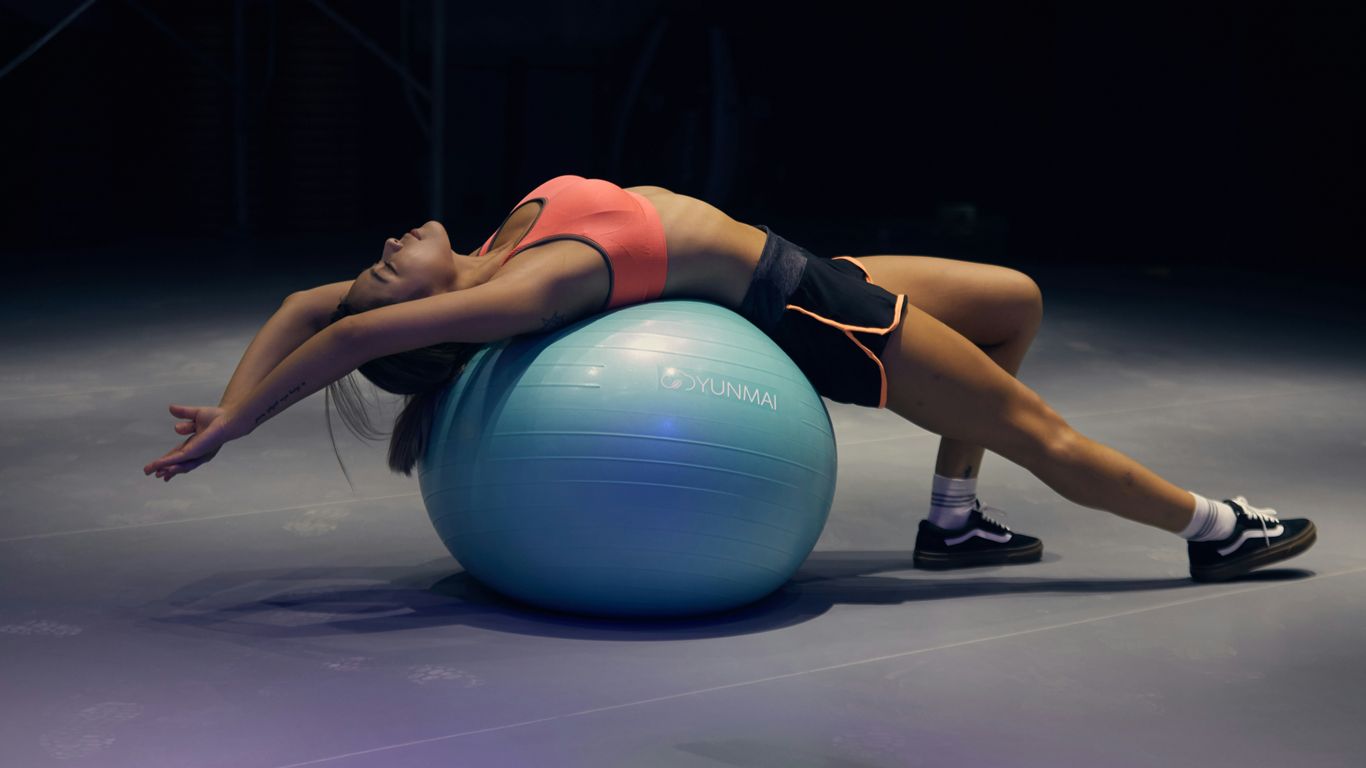
Alright, let's talk about the plank on the ball. This isn't your average plank, folks. You're going to feel this one.
To get started, get into a forearm plank position, but instead of your forearms being on the floor, they're going to be resting on top of the stability ball. Your feet stay on the ground. Now, here's the tricky part: walk your feet back until your body forms a nice, straight line from your head to your heels. The instability of the ball means your core has to work overtime just to keep you from wobbling all over the place. It's a fantastic way to build up that deep core strength.
Here's a quick breakdown:
- Starting Position: Forearms on the ball, elbows under shoulders, feet on the floor.
- Movement: Walk feet back, creating a straight line from head to heels.
- Hold: Engage your core, glutes, and shoulders. Keep your body rigid.
- Breathing: Breathe steadily throughout the hold.
This exercise really targets those deep stabilizer muscles that often get missed in regular planks. You'll also feel it in your shoulders and glutes. It's a full-body engagement, really.
Remember, the goal here isn't just to hold the position, but to actively keep your core braced. That slight tremor you might feel? That's your muscles firing up and getting stronger. Don't fight it too much, just focus on staying controlled.
2. Ball Crunches
Alright, let's talk about ball crunches. If you're tired of the same old floor crunches, this is a great way to switch things up and really feel your abs working. The ball adds an element of instability, which means your core muscles have to work harder just to keep you balanced.
To get started, you'll want to sit on the stability ball and then walk your feet out until the ball is supporting your lower back. Make sure your feet are flat on the floor, about hip-width apart. You can cross your arms over your chest or lightly place your hands behind your head – just don't pull on your neck, okay?
Here’s the basic idea:
- Engage your core muscles. Think about pulling your belly button towards your spine.
- Slowly lift your upper body off the ball, bringing your chest towards your hips. Focus on squeezing those abdominal muscles.
- Pause for a second at the top.
- Then, slowly lower yourself back down with control. Remember to breathe out as you lift and breathe in as you lower.
The key here is control; don't just fling yourself up and down. A slower tempo lets you really focus on the muscle contraction, which is what we're after.
Here’s a quick look at how many reps and sets might work, depending on your goals:
| Training Style | Sets | Reps |
|---|---|---|
| Strength Training | 3-4 | 8-12 |
| Hypertrophy (Muscle Growth) | 3-4 | 12-15 |
| Endurance Training | 2-3 | 15-20+ |
It might feel a little awkward at first, but stick with it. You'll start to feel a real difference in your core strength pretty quickly.
3. Ball Pass
This exercise is a fantastic way to get your whole core involved, not just the front abs. You'll be lying on your back, holding the ball between your feet. The goal is to lift your legs and arms at the same time, passing the ball from your feet to your hands up near your head. Then, you lower everything back down with control and repeat, but this time passing the ball from your hands back to your feet. It sounds simple, but coordinating those movements while keeping your core tight is a real challenge.
It really forces you to engage your entire midsection and work on that mind-body connection.
Here’s a breakdown of how to do it:
- Lie flat on your back with your legs extended straight up towards the ceiling, holding the stability ball between your feet.
- Simultaneously lift your arms overhead and lower your legs slightly (without touching the floor), passing the ball from your feet to your hands.
- Control the movement as you lower your arms and legs back down to the starting position.
- Repeat the sequence, this time passing the ball from your hands back to your feet.
This move targets your rectus abdominis, hip flexors, and really works on your coordination. Doing it slowly and with focus makes it way more effective than just rushing through reps. It’s a great way to build strength and improve how your body moves together.
Remember to keep your core braced throughout the entire exercise. This helps protect your lower back and makes sure you're actually working the muscles you intend to. Breathe out as you pass the ball and inhale as you return to the start; this helps maintain control.
4. Ball Roll-Outs
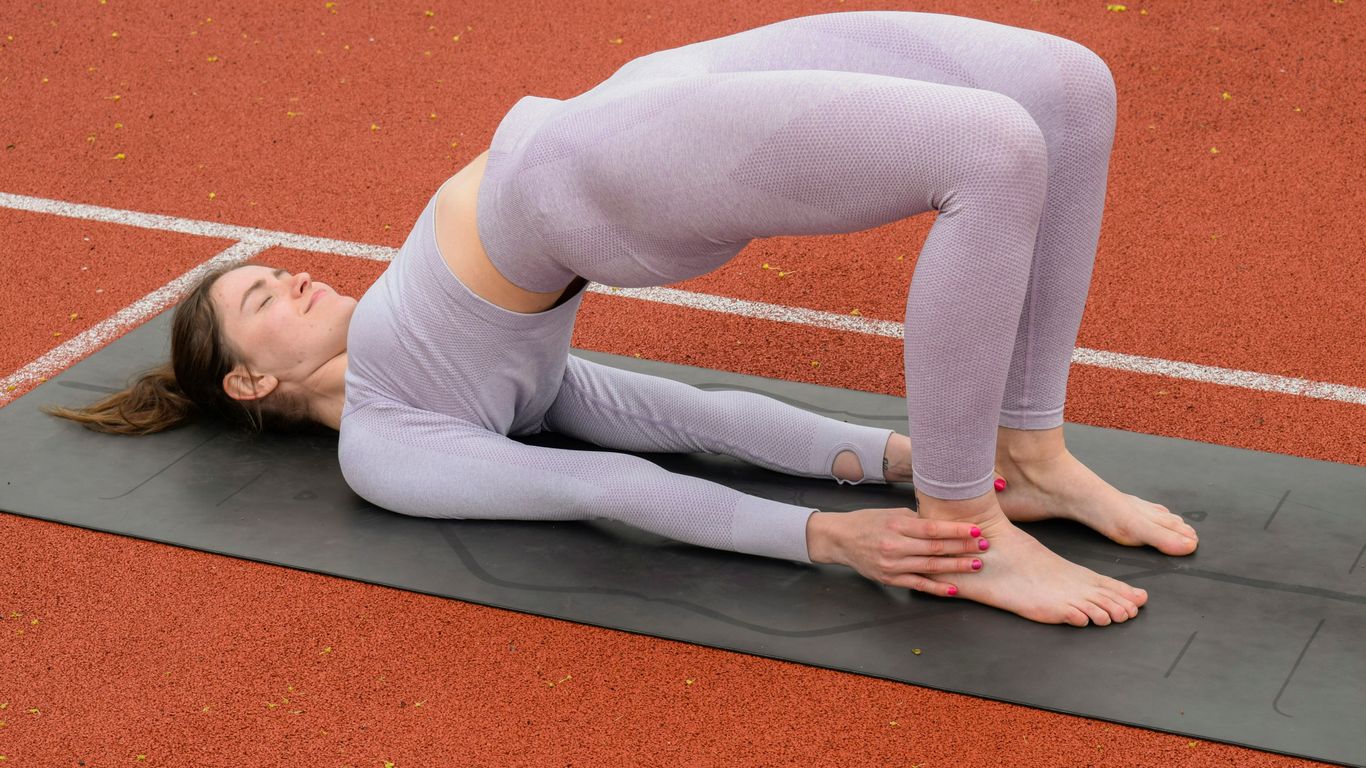
Alright, let's talk about ball roll-outs. This move is pretty straightforward but seriously effective for building up that core strength. You'll want to start on your hands and knees, with your forearms resting on top of the stability ball. Make sure the ball is centered under your chest, not too far forward or back.
The key here is to keep your core braced the entire time. Think about pulling your belly button towards your spine. From that starting position, slowly start to roll the ball forward. You're aiming to extend your body out, but only as far as you can maintain that tight core and a neutral spine. Don't let your hips sag towards the floor, and definitely don't arch your lower back. It's better to roll out a little less and keep perfect form than to go too far and risk injury.
Once you've reached your comfortable limit, or when you feel your form starting to break, slowly roll the ball back towards you to return to the starting position. It's all about control, not speed.
Here's a quick breakdown:
- Starting Position: Kneel with forearms on the ball, hands clasped or flat on the surface.
- Movement: Slowly roll the ball forward, extending your body while keeping your core tight and hips level.
- Return: Control the ball back to the starting position.
- Breathing: Exhale as you roll out, inhale as you roll back in.
This exercise is fantastic because it mimics the motion of an ab wheel but offers a bit more stability, making it more accessible for many people. It really targets those deep abdominal muscles, especially the transverse abdominis, which is like your body's natural corset.
If you're just starting out, don't worry about rolling out too far. Focus on the feeling of your abs working to keep you stable. As you get stronger, you can gradually increase the distance you roll out. You can also make it harder by eventually trying single-leg roll-outs, but master this basic version first.
5. Stability Ball Pike
Alright, let's talk about the Stability Ball Pike. This one is a serious challenge, but it really gets into those deep core muscles. You start in a high plank position, just like you would for a regular plank, but with your shins or the tops of your feet resting on the exercise ball. It’s important to have your hands directly under your shoulders here.
The main idea is to use your core to lift your hips up towards the ceiling, creating a sort of inverted V-shape with your body, while keeping your legs as straight as possible. Then, you slowly lower yourself back down with control. It’s not about speed; it’s about making every movement count.
Here’s a quick breakdown:
- Starting Position: High plank with hands under shoulders, feet on the ball, core braced.
- The Movement: Engage your abs to lift your hips up and back, forming a pike shape.
- Return: Slowly lower your hips back down to the starting plank position.
This exercise targets your upper and lower abs, plus your shoulders and hip flexors. It’s a big step up from a standard plank because it requires a lot of strength and coordination all at once. You'll feel your entire core working to keep you stable. If you're looking to really push your core stability, this is a fantastic move to add.
Remember, the ball is constantly trying to roll away, so your core has to work overtime to keep you steady. Don't let your hips sag or rise too high; aim for that controlled pike.
It might feel a little awkward at first, but stick with it. You'll notice a big difference in your core strength and control over time. It’s a great way to finish off a workout when you’re ready for something more intense.
Wrapping Up Your Core Workout
So there you have it – five solid ways to use that exercise ball to really work your core. It’s not just about looking good, you know? A strong middle helps with pretty much everything you do, from sitting at your desk to playing with your kids. Remember to focus on doing the moves right, and don't be afraid to start slow. You'll be feeling more stable and stronger before you know it. Keep at it, and you'll definitely notice a difference!
Frequently Asked Questions
What are the best yoga ball exercises for my core?
Exercises like planks on the ball, crunches using the ball for support, and ball roll-outs are fantastic for strengthening your core. They challenge your muscles in new ways!
How can I make my core stronger with stability ball exercises?
Try adding movements that make you balance more, like leg lifts or rolling the ball out with your feet. These make your deep core muscles work harder.
Is a yoga ball good for beginners who want a stronger core?
Absolutely! Starting with simple moves like seated ball squeezes or wall sits with the ball can help you build strength safely. The ball makes basic exercises more effective.
How often should I do yoga ball core workouts?
Aim for 2 to 3 times a week. This gives your muscles time to recover and get stronger between workouts.
Can stability ball exercises help with my posture?
Yes! A strong core supports your spine better, which naturally improves your posture. Exercises on the ball help you stand taller and feel more stable.
What's the most important thing to remember when doing these exercises?
Always focus on controlled movements and keeping your core tight. This helps you get the most out of the exercise and prevents injuries.