
Effortless Jar Opening: The Ultimate Rubber Gripper Guide
Struggling with stubborn jar lids can be a real pain, right? Whether it's that jar of pickles or a new jar of jam, sometimes they just refuse to budge. This is where a simple tool can make a world of difference. We're talking about the humble rubber gripper, specifically designed to help you open jars with less fuss. Forget wrestling with lids or asking for help every time; a good rubber gripper to open jars can be a game-changer in any kitchen.
Key Takeaways
- Many jar lids are difficult to open due to slippery surfaces or tight seals, making a rubber gripper to open jars a helpful kitchen tool.
- Different types of rubber grippers exist, from simple pads to multi-function devices, each with its own benefits for grip and leverage.
- When choosing a rubber gripper, consider the material, texture, size, and how easy it is to clean and store.
- Proper use involves placing the gripper correctly on the lid for maximum grip and maintaining the gripper for continued effectiveness.
- While simple rubber pads are great for grip, more complex tools might be needed if strength and leverage are the main issues.
Understanding The Need For A Rubber Gripper To Open Jars
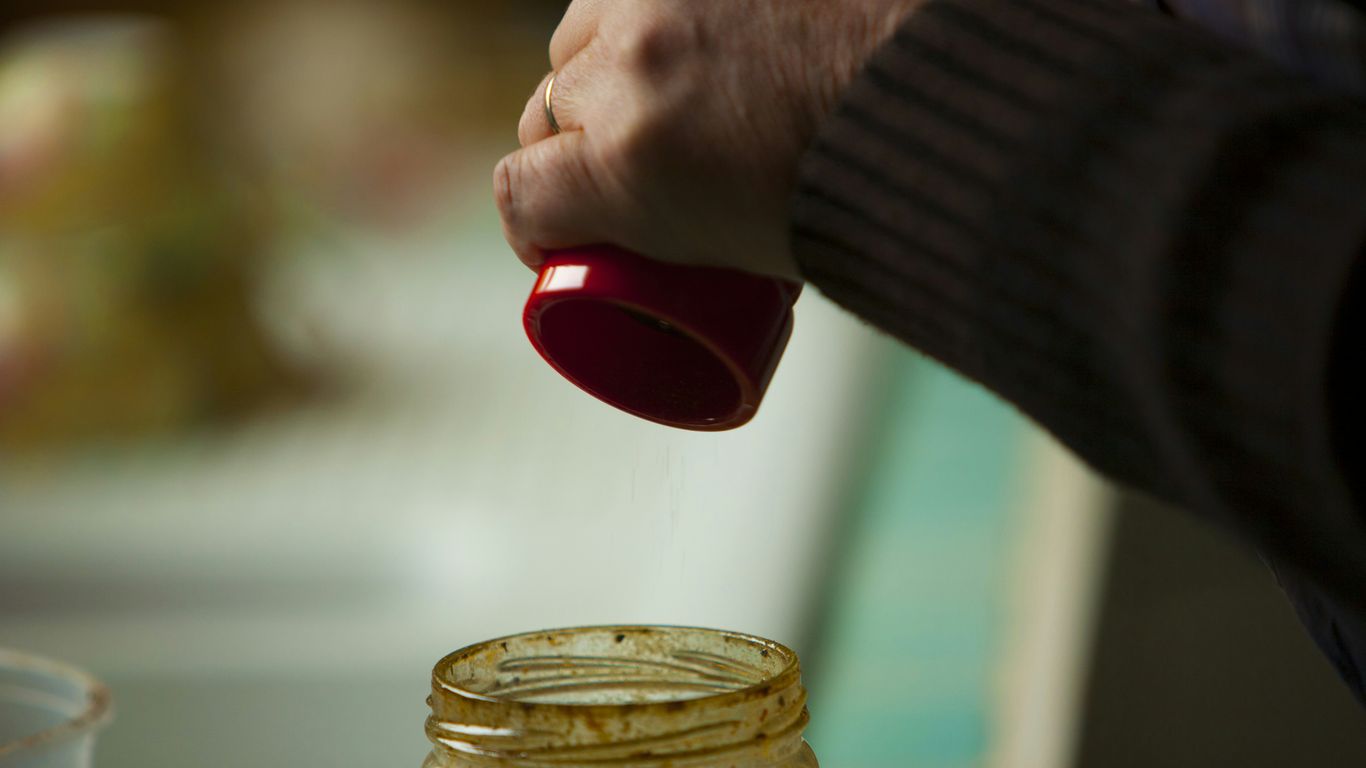
You know those moments? You've got a brand new jar of pickles, or maybe some fancy jam, and you just can't get the lid off. It's frustrating, right? Your hands slip, you try twisting harder, maybe even banging it on the counter (don't do that, by the way). It turns out, opening jars isn't always about brute strength. Sometimes, it's about having the right tool to get a solid grip.
Grip Challenges With Stubborn Lids
Lids can be surprisingly difficult to open for a bunch of reasons. Maybe the seal is really tight, creating a vacuum inside. Or perhaps the lid itself is a bit slick, especially if your hands are dry or have lotion on them. Even a little bit of moisture can make a big difference. This is where a simple rubber gripper can be a game-changer. It creates a grippy surface between your hand and the lid, stopping those frustrating slips. It’s like giving your hand a little superpower for just that one task. You can find some basic rubber gripper pads that work wonders for this exact problem.
The Role Of Strength And Leverage
Opening a jar requires two main things: a good grip and the ability to twist. If your grip isn't strong enough, or if the lid is just too tight, you need more. Sometimes, you need to apply more force, which is where leverage comes in. A rubber gripper helps with the grip part, but it also indirectly helps with leverage because a better grip means you can twist more effectively without your hand slipping. It's not just about having strong hands; it's about using your hands smartly.
Who Benefits Most From Jar Grippers
Honestly, anyone can find a jar gripper useful. But they are especially helpful for certain folks. People with arthritis, for example, might have trouble with hand strength. Older adults sometimes experience a natural decrease in grip strength. Even people recovering from injuries or dealing with conditions that affect their hands can find these tools invaluable. It's not just about physical limitations, though. Sometimes, it's just a matter of convenience, like when you're trying to open a jar with wet hands after washing dishes.
It's easy to think that opening jars is a simple task, but for many, it presents a real challenge. The combination of a slippery lid and reduced hand strength can make a common kitchen task feel impossible. Having a simple, effective tool can make a huge difference in daily life, restoring independence and reducing frustration.
Here are a few situations where a gripper really shines:
- When you've got dry hands that just won't grip.
- After washing dishes and your hands are wet and slippery.
- When dealing with a particularly stubborn lid that seems sealed shut.
- If you have conditions that affect hand strength or dexterity.
Exploring Different Types Of Rubber Jar Grippers
When you're wrestling with a stubborn jar lid, the right tool can make all the difference. It's not just about brute force; it's about having the right kind of grip. Luckily, there's a whole world of rubber grippers out there designed to help. They aren't all the same, and knowing the differences can help you pick the one that's perfect for your kitchen.
Classic Rubber Jar Gripper Pads
These are probably what you picture when you think of a jar gripper. They're usually simple, flat discs made of rubber or silicone. You just lay one on top of the lid, press down, and twist. Their main job is to give your hand a better hold on slippery lids. They work by increasing the friction between your hand and the metal or plastic lid. They're great for jars where the lid isn't super stuck, but just a bit slick or hard to get a hold of. Because they're so basic, they're also really easy to store – just toss one in a drawer. Many people find these work well enough for everyday use.
- Pros:
- Simple to use
- Easy to store
- Often dishwasher safe
- Inexpensive
- Cons:
- Don't offer much in the way of leverage
- May not be enough for extremely tight lids
Silicone Jar Grippers And Their Versatility
Silicone grippers are a bit of a step up. They often have a bit more texture than basic rubber, which can give you an even better grip. Plus, silicone is heat-resistant, so some of these can double as trivets to protect your countertops from hot pots. This makes them a handy item to have around for more than just opening jars. You might find silicone grippers that are shaped like little pads, or sometimes they're integrated into other kitchen tools. Their flexibility means they can conform to different lid shapes and sizes.
While they excel at providing grip, remember that most silicone grippers still rely on your hand strength for the actual turning motion. They help you hold on, but they don't do the turning for you.
Multi-Function Grippers For Various Needs
If you're looking for something that does more than just grip, multi-function openers are worth checking out. These are often designed to help with both grip and leverage. Some are built to clamp onto a cupboard, so you can use your body weight to help twist the jar. Others are handheld devices with different sized openings to fit various lids, and they might have a handle or a mechanism that gives you more turning power. These can be a real lifesaver if you struggle with hand strength or need a bit of extra mechanical advantage. A good example is the 5-in-1 multi-function bottle opener, which tackles several common kitchen tasks.
Here's a quick look at what these can offer:
| Type of Gripper | Primary Function(s) | Best For |
|---|---|---|
| Classic Pad | Grip | Slightly stubborn or slick lids |
| Silicone Pad/Tool | Grip, Heat Resist | General use, doubles as trivet |
| Multi-Function Device | Grip, Leverage | Very tight lids, limited hand strength |
Key Features To Look For In A Rubber Jar Gripper
When you're shopping for a rubber jar gripper, it's not just about grabbing the first one you see. A few things can make a big difference in how well it actually works and how long it lasts. Think about what you need it for and what kind of jars give you the most trouble.
Material And Texture For Optimal Grip
The material is probably the most important part. Most good grippers are made from rubber or silicone. These materials are naturally grippy, which is exactly what you want. But not all rubber and silicone is created equal. Some are smoother, while others have a more pronounced texture, like little bumps or ridges. A gripper with a bit of texture usually grabs onto both the lid and your hand better. You want something that feels secure, not slippery, even if your hands are a little damp. Think about how it feels in your hand – does it feel like it will really dig in and prevent slipping?
Size And Storage Considerations
Jar grippers come in all sorts of sizes. Some are small, flat discs that you can tuck away anywhere. Others are larger, maybe shaped like a strap or a more substantial pad. If you have limited kitchen drawer space, a smaller, foldable gripper might be a better choice. If you don't mind a slightly bulkier item, a larger one might offer more surface area for grip. Consider where you'll keep it. Do you want it easily accessible on the counter, or hidden away in a drawer? Some people even like grippers that can be hung up.
Durability And Ease Of Cleaning
Nobody wants a kitchen gadget that falls apart after a few uses. Look for grippers that seem well-made. Are there any signs of weak seams or thin spots? If it's made of a thicker material, it's likely to hold up better. Cleaning is another big one. Jars can be messy, and you don't want a gripper that's a pain to wash. Many silicone and rubber grippers are dishwasher safe, which is a huge plus. If it's not dishwasher safe, can it be easily wiped down or rinsed off without holding onto food bits or smells? A gripper that's easy to clean will be much more pleasant to use regularly.
Here's a quick rundown of what to keep in mind:
- Material: Rubber or silicone with good texture.
- Size: Fits your hand and your storage space.
- Cleaning: Dishwasher safe or easy to wipe clean.
- Durability: Seems sturdy and well-made.
Sometimes, the simplest designs are the most effective. A good rubber gripper doesn't need a lot of bells and whistles. Its main job is to provide friction, and the best ones do that really well without being complicated.
Maximizing The Effectiveness Of Your Rubber Gripper
So you've got your rubber jar gripper, and you're ready to tackle those stubborn lids. But are you getting the most out of it? Sometimes, it's not just about having the tool, but knowing how to use it right. A little technique can go a long way, turning a frustrating struggle into a quick twist.
Proper Placement For Secure Lid Engagement
Getting the gripper positioned correctly is half the battle. You want it to sit flat and centered on the lid, covering as much of the surface as possible. Avoid bunching it up or having it slip over the edge of the lid. The goal is maximum contact between the rubber and the metal or plastic. Think of it like getting a good handshake – firm and all the way around.
Here’s a quick rundown on placement:
- Center it up: Make sure the gripper is directly over the lid's center.
- Lay it flat: Ensure there are no wrinkles or folds in the gripper.
- Apply even pressure: Press down firmly and evenly as you twist.
Combining Grippers With Other Opening Techniques
While a good rubber gripper is fantastic, sometimes it needs a little backup. Don't be afraid to combine its power with other simple tricks. For those really tough lids, a quick blast of hot water can work wonders. Just run the lid under hot tap water for about thirty seconds, or invert the jar into a bowl of hot water. The heat causes the lid to expand just a tiny bit, making it easier to break the seal. You can then use your gripper for that final, satisfying twist. It’s all about using the right tool for the right job, or sometimes, a combination of tools.
Sometimes, the simplest solutions are the most effective. Don't overlook basic physics and a bit of heat when dealing with a particularly stubborn jar. A rubber gripper is great, but it works even better when paired with a little pre-loosening.
Maintaining Your Gripper For Longevity
To keep your trusty gripper working its best, a little care goes a long way. After each use, give it a quick rinse under the tap to get rid of any food residue. Most rubber and silicone grippers are dishwasher safe, which makes cleaning a breeze. Just toss it in with your regular dishes. Storing it flat, rather than folded or bunched up, will help maintain its shape and grip over time. A well-maintained gripper will be ready to help you out for years to come, saving you from those frustrating moments when you just can't get a lid open.
Popular Rubber Gripper Brands And Models
It feels like just yesterday that those simple rubber circles were handed out everywhere, doesn't it? Now, finding a good one takes a bit more searching. Luckily, there are some solid choices out there that really do the trick. We've looked at a few that people seem to like.
Highly Rated Rubber Gripper Options
When you just need something to help your hand get a better hold on a stubborn lid, the classic flat rubber or silicone pads are often the go-to. They're simple, usually pretty cheap, and easy to stash away. Many people find these work just fine for everyday jars.
- Prepworks Gripper Pads: These are often praised for their texture, which gives a good amount of friction. They're also usually dishwasher safe, which is a nice bonus.
- Regent Jar Grips: Similar to the Prepworks ones, these are small, often colorful, and do a good job of just providing that extra bit of grip.
- Ai-De-Chef Jar Lid Gripper: This one is a bit thicker and made of silicone. It works well and can double as a trivet, which is handy.
Innovative Designs For Enhanced Leverage
Sometimes, just grip isn't enough. You need a bit more help with turning the lid. These next few options try to give you that extra boost.
- OXO Good Grips Jar Opener: This one is a handheld tool. It has a rubber pad inside and a handle that gives you a bit of a lever arm. It's designed to be easy to use, and many find it works well for a variety of lid sizes. It's also usually pretty easy to clean.
- EZ Off Jar Opener: This is a bit different. It's designed to be mounted under a kitchen cabinet. You lift the jar up into it, and the lid gets gripped by some teeth. This lets you use both hands on the jar itself, which can make a big difference for leverage. Some people love the idea of it being out of the way, always ready to go.
While many of these tools are marketed towards seniors or those with grip issues, anyone can find them useful. A tight lid is a tight lid, no matter your age or strength. Having a simple tool that makes opening jars less of a struggle can really make a difference in the kitchen.
Budget-Friendly Rubber Gripper Choices
Don't want to spend a lot? You're in luck. Many of the most basic and effective rubber grippers won't cost you much at all.
| Product Type | Typical Price Range |
|---|---|
| Flat Rubber Pad | $3 - $8 |
| Silicone Gripper Pad | $5 - $10 |
| Basic Handheld Opener | $10 - $20 |
For less than the price of a fancy coffee, you can often get a reliable gripper that will save you from wrestling with jars. The key is finding one with a good texture that fits comfortably in your hand.
So, What's the Verdict?
Well, there you have it. Opening jars doesn't have to be a wrestling match anymore. Whether you're dealing with a stubborn pickle jar or just need a little extra help, there's a gripper out there for you. From simple rubber pads that give you that much-needed grip, to more involved contraptions that offer leverage, we've seen a lot of options. Remember, it's not about brute force; it's about finding the right tool for the job. So go ahead, grab a gripper, and reclaim your kitchen independence. Your hands will thank you.
Frequently Asked Questions
Why do I need a rubber gripper for jars?
Sometimes jar lids are super tight, and your hands just can't get a good enough grip to twist them open. A rubber gripper acts like a helper, giving you way more traction so your fingers don't slip. It's especially handy if you have trouble with strength or if the lids are just plain stubborn.
Are all rubber jar grippers the same?
Not at all! You'll find simple, flat rubber pads that are great for basic grip. Then there are silicone ones, which are often more flexible and can be used for other things, like holding hot pans. Some grippers are part of bigger tools that offer more twisting power or can grab lids of different sizes.
What makes a rubber jar gripper really good?
Look for grippers made from good quality rubber or silicone that feels grippy, not slippery. It should be thick enough to give you a solid hold but not so bulky that it's hard to handle. Easy cleaning is a big plus, and it should be tough enough to last a long time without tearing.
How do I get the most out of my rubber jar gripper?
Make sure you place the gripper flat and centered on the lid for the best grip. Press down firmly while you twist. Sometimes, using a gripper with another technique, like tapping the lid or running it under hot water, can help loosen it even more. Keep your gripper clean so it always works its best.
Who benefits the most from using a jar gripper?
Anyone who struggles to open jars can benefit! This includes people with less hand strength, like older adults, those with arthritis, or people recovering from injuries. It's also great for anyone who just wants a little extra help with those extra-tight lids you find sometimes.
Can I use a rubber gripper for things other than jars?
Absolutely! Many rubber and silicone grippers are super versatile. They can help you open bottles, get a better grip on slippery pot handles, turn stubborn doorknobs, or even help attach a garden hose. Some can even be used as trivets to protect your counters from hot dishes.

