

The ultimate guide to yoga mat thickness: How to find your perfect fit
Key Takeaways
Choosing the right mat is essential for a consistent, enjoyable practice. Understanding how thickness affects stability and comfort helps you match your gear to your specific yoga flow.
- Yoga mats typically range from 2mm to 8mm, with different thicknesses serving distinct practice goals.
- Thinner mats offer excellent ground connection and are highly portable, making them ideal for travel.
- Standard 4mm mats provide a reliable balance of support and stability for most home and studio sessions.
- Thicker mats, such as 6mm options, are better suited for restorative yoga or those needing extra joint cushion.
- Material density matters just as much as thickness; a firm, dense mat often provides better balance than a soft, squishy one.
Understanding standard yoga mat dimensions
Yoga mats come in a variety of sizes, but the industry generally centers on a few key dimensions that cater to most practitioners. While length and width vary, the thickness often determines how your mat feels during your practice, ranging from slim travel mats to plush pillows for restorative poses. Selecting the optimal yoga mat thickness is rarely about picking the biggest or most expensive option, but rather understanding what feels stable under your feet.
The trade-off between weight and cushioning
Most mats strike a careful balance between being heavy enough to stay put and light enough to transport easily. When you choose a thinner mat, you sacrifice some immediate comfort for a more secure connection to the floor. If you prefer carrying less bulk, you might find that the lightweight profiles of various Yune Yoga products offer the perfect solution for daily practice without the burden of extra weight.
Why 1/8 inch is considered the industry standard
Many experts agree that 1/8 inch, or approximately 3mm to 4mm, represents the sweet spot for a versatile mat. This depth provides enough cushioning to save your knees without feeling like you are standing on a bed of marshmallows. If you have been wondering how to choose a foundational piece of equipment, checking out mat thickness guides can help you visualize these differences in real-world application.
Measuring your mat for travel versus home practice
Taking your practice on the road requires a different approach than setting up a permanent space in your living room. Ideally, your home setup can be a bit more robust, allowing for a thicker mat that stays rolled or laid out near your desk, much like you would organize your space with an accessible whiteboard setup for planning. When you need to pack for a flight or a car ride, you want something that folds or rolls compactly into your luggage.
Matching thickness to your yoga style
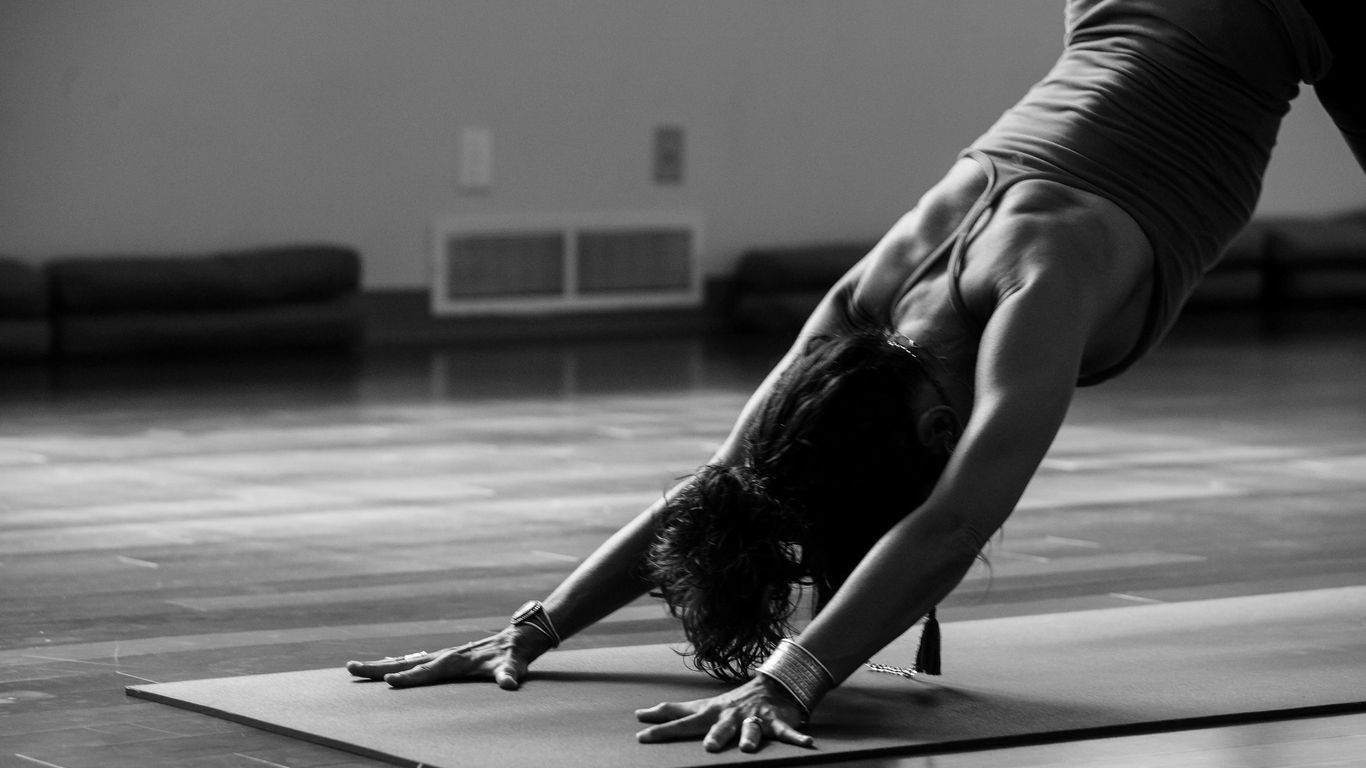
Selecting a mat that fits your specific style of movement ensures you never feel distracted by your gear falling flat. A high-impact flow, where you jump, pivot, and balance frequently, demands a different level of floor connection than a slow, restorative sequence. Matching the right gear to your flow is as essential as finding the right sleep solution when you need to recover after a long day of movement.
High-impact flow and restorative needs
For energetic sessions, you need a mat that provides enough stability to keep you from wobbling during challenging balancing poses. Conversely, when you shift to restorative work, you might opt for more padding to protect your joints during longer holds. Many enthusiasts find that a 6mm mat offers the versatility to handle both intensity and downtime effectively.
Steady balance requirements for Hatha and Vinyasa
Maintaining your footing during sequences like Vinyasa requires consistent traction and a firm surface beneath your toes. This is where density becomes as important as thickness; a mat that is too spongy can make balance poses feel like a difficult workout for your ankles. You want a surface that feels as reliable as a well-planned landscape design pathway, guiding your energy through your practice safely.
Prioritizing joint support in Yin and gentle yoga
In slower, ground-based postures, you naturally want that extra layer of cushion to soothe sensitive joints. Utilizing props like Yune Yoga strips alongside your primary mat can help you stay supported during restorative holds. Even if you aren't looking to win a competition, you might enjoy the variety and options offered by online platforms that help you diversify your routine.
Evaluating mat materials and density
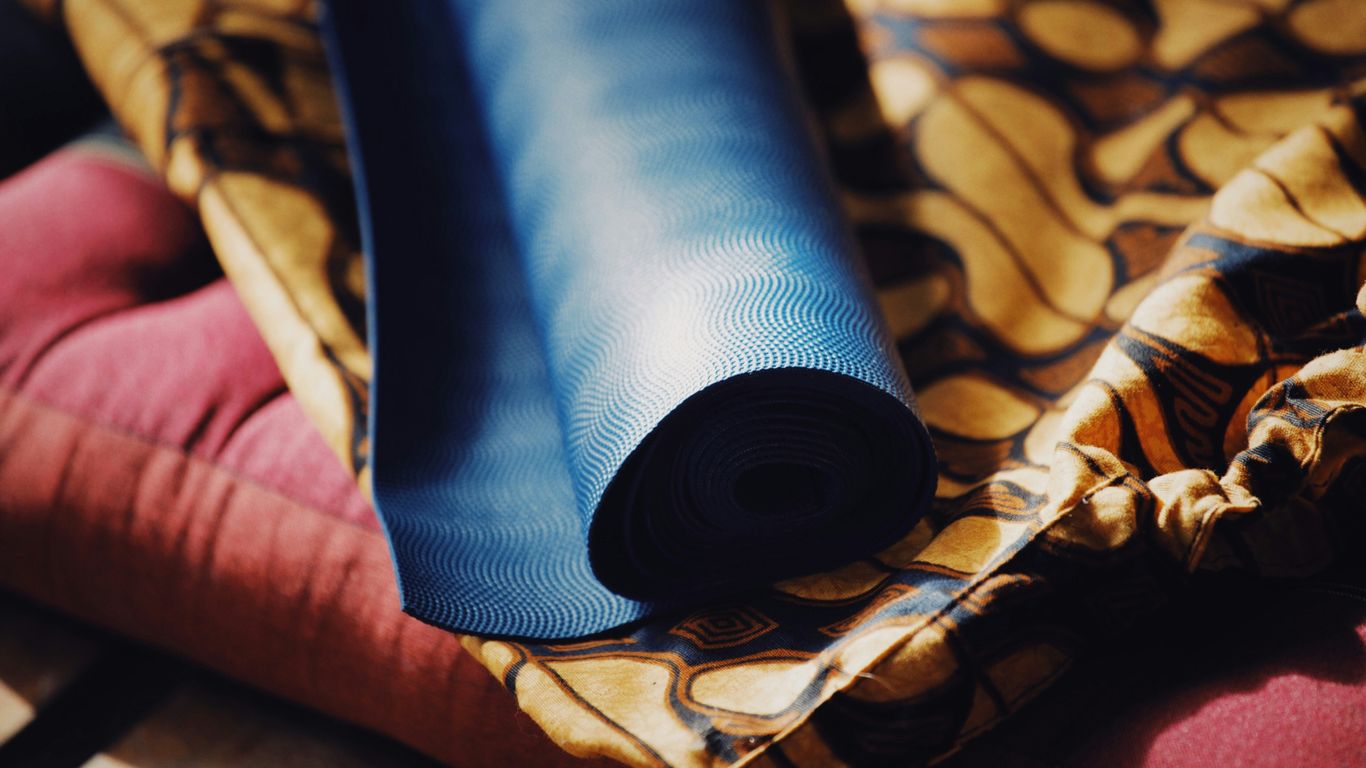
Comfort is not merely a product of physical depth; the materials used define how your mat rebounds and how long it holds up to daily wear. Understanding that synthetic foam versus natural rubber behaves differently is key to buying a mat that lasts. Choosing the right material ensures that you can safely manage discomfort from an old UTI recurrence or other daily sensitivities by staying focused on the support directly underneath you.
How TPE and PVC density impacts overall comfort
Density tells the story of how much a mat compresses under your body weight. A very dense mat feels firm and responsive, whereas a less dense mat might offer more "give" that feels soft at first but leads to bottoming out. For example, the Yune Yoga Simone Mat uses density that supports joint-friendly flows without yielding too much under pressure.
Natural rubber versus synthetic foam performance
Materials play a significant role in performance during hot or humid sessions. While many synthetic options are easy to clean and retain their color well, natural rubber mats often provide better natural grip as you sweat. The following table provides a breakdown of common materials based on how they hold up during a rigorous session:
| Material | Best For | Density | Durability |
|---|---|---|---|
| Rubber | Hot Yoga | High | Excellent |
| TPE | Standard Flow | Medium | Good |
| PVC | Budget Home | Low to Medium | Average |
Selecting a mat that balances your need for durability with your preference for grip and comfort is the goal of any high-quality selection process.
Why ultra-thick mats can sometimes compromise stability
It is tempting to think that at 8mm or 10mm, a mat will provide maximum comfort for every pose. However, the thicker the material, the more space there is between you and the ground, which can introduce instability during single-leg balances. If you find your ankles fatiguing, it might be the mat rather than your strength, so consider testing a slightly thinner model.
Best thickness for travel and portability
Comparing folding versus rolling styles for travel
Travel mats are designed to be thin enough to fold into a square or roll exceptionally tight. This is a massive win for anyone trying to maximize carry-on space. When you travel, you want gear that adapts to your environment, not gear that dictates how much luggage you can pack.
Balancing minimal weight with effective grip
Weight is the enemies of the frequent traveler, but you still need enough grip to keep from sliding during a downward dog. Achieving a balance between a weightless profile and a grippy texture is the mark of a well-engineered portable mat. The Yune Yoga design process focuses on this necessity, keeping you ready for any park or beach session.
Strategic use of thin travel mats over studio flooring
Even a thin 1.5mm mat can provide a clean, hygienic surface when you layer it on top of a shared studio floor. You can place your portable mat over an existing, heavier studio mat to get the best of both worlds: superior cleanliness and the added cushion of the house equipment. This is a common practice for many seasoned students who value their own gear but want extra support from the facility.
Addressing specific needs for injury or sensitivity
Utilizing extra-thick mats for knee and lower back pain
If you suffer from chronic soreness, a thicker, high-density mat can act as a crucial shock absorber. It provides that extra bit of forgiveness for your sensitive points, allowing you to sustain your poses without sharp pain. Whether you are doing gentle movements or deep stretches, the goal is to make the practice accessible to your body's specific needs.
Stability considerations for elderly practitioners
For those who need extra security to maintain balance, a thinner, flatter mat is often much safer than a thick, squishy one. By keeping the connection to the floor strong and consistent, you can significantly reduce the risk of stumbling. It is about creating a solid foundation that allows for gentle movement with total confidence.
Integrating supplemental props with your primary mat
Beyond just the main mat, using additional tools can transform your comfort level. Consider these helpful additions:
- Yoga towels to add an extra layer of grip and absorbency for sweaty days.
- Foam blocks to bring the floor closer and support your lower back during seated poses.
- A soft, folded base layer for specific poses that might require extra knee padding.
- Sturdy yoga straps to assist in finding balance without straining your neck or shoulders.
These additions effectively allow you to customize your support level without needing to purchase an entirely new main mat for every different type of class.
Conclusion
Finding the perfect match for your practice is a personal journey that evolves as your skills and physical needs change. Whether you require the extreme portability of a thin mat for global adventures or the cradling support of a thicker surface for your home studio, understanding the nuance of thickness is the first step toward a more comfortable and sustainable routine. Take the time to consider how your floor surface, your level of joint sensitivity, and your style of movement interact with your gear. Ultimately, the best mat is the one that lets you feel grounded, safe, and excited to step onto it every single day.
Frequently Asked Questions
How often should I replace my yoga mat?
Most practitioners replace their mats every year or so if they practice daily, although high-quality durable mats can last much longer. Watch for signs of wear such as crumbling edges, flattened cushioning, or a surface that no longer provides adequate grip during your sessions.
Can I use a towel if my mat is too thin?
Absolutely, a high-quality yoga towel can add both stability and comfort to a thin mat, especially for hot yoga sessions or when you want extra padding. Layering a towel on top helps absorb sweat and provides a soft, secure surface without the bulk of a thicker mat.
Does a 6mm mat make balancing harder?
For many people, a 6mm mat offers enough firmness that balancing remains easy and secure. However, if the material is too soft or spongy, you might find that your ankles have to work much harder to keep you upright, which can feel challenging during intense standing sequences.
What is the advantage of natural rubber?
Natural rubber is prized for its superior grip, even when you start to sweat, and its high ecological friendliness compared to some synthetic options. It is often denser than foam, which contributes to excellent stability, though it can have a distinct scent and requires specific care.
Should beginners start with a specific thickness?
Many experts recommend starting with a standard 4mm mat, as it provides a solid balance of cushioning that fits almost every foundational pose. This allows you to develop strength and balance without needing to worry about the mat being too thin to be comfortable or too thick to be stable.
Are travel mats suitable for daily practice?
Travel mats are built for portability, often measuring 1-2mm, which means they offer less joint protection than a standard mat. Unless you specifically prefer a very firm, ground-connected feel, most people find them better as a secondary mat for on-the-go practice rather than the primary choice for daily home sessions.
Why does mat material density affect joint pain?
Density dictates how quickly a mat compresses and whether it provides enough push-back to support your body weight off the floor. If a mat is too soft, your joints can "bottom out" and hit the hard floor beneath, whereas a high-density mat distributes your weight more effectively to protect those pressure points.

