

The ultimate guide to hip stretch yoga for improved mobility
Key Takeaways
Starting a new practice can feel daunting, but consistent movement brings relief. Here are five ways to improve your hip mobility:
- Prioritize daily movement to counteract the stiffness caused by long hours of sitting.
- Use dynamic warm-ups to prepare your muscles for deeper ranges of motion.
- Listen to your body and modify poses to honor your unique flexibility level.
- Incorporate consistent breathwork to help your nervous system release deep-seated tension.
- Stay committed to a routine that balances hip-opening with lower-body strengthening.
Understanding hip anatomy and tightness
Hips often hold the weight of our daily stresses, manifesting as stiffness that can impact everything from your gait to spinal health. Understanding that the hip complex involves multiple muscle groups, including flexors and rotators, allows you to address tension more effectively. This awareness is the first step toward building a more balanced and comfortable body.
The role of the hip flexors and rotators
The hip complex is a sophisticated network of muscles designed for stability and movement, yet it remains one of the most neglected areas in a fitness regimen. When these muscles become imbalanced, the surrounding joints often suffer the consequences. Understanding hip mobility starts with recognizing that the iliopsoas muscles, deep rotators, and glutes work as a team to facilitate rotation and flexion in your daily life.
Identifying signs of limited hip mobility
You might notice that your range of motion has decreased if everyday tasks begin to feel surprisingly difficult. A lack of suppleness in the hip area often shows up as discomfort when standing up after periods of sitting or a noticeable restriction during a simple walk. Recognizing these signals early helps you adjust your daily yoga practice, ensuring you maintain your freedom of movement over time.
How sedentary lifestyles contribute to hip stiffness
Modern work environments frequently demand we stay seated for hours at a time, keeping our hip flexors in a shortened state. This persistent positioning can cause muscles to lose their elasticity, making us feel stiff the moment we try to stand or move. By unlocking hip flexibility through gentle, repetitive motion, we can start to reverse these effects and invite a sense of ease back into our musculoskeletal system.
Essential warm-up sequences for hip-opening
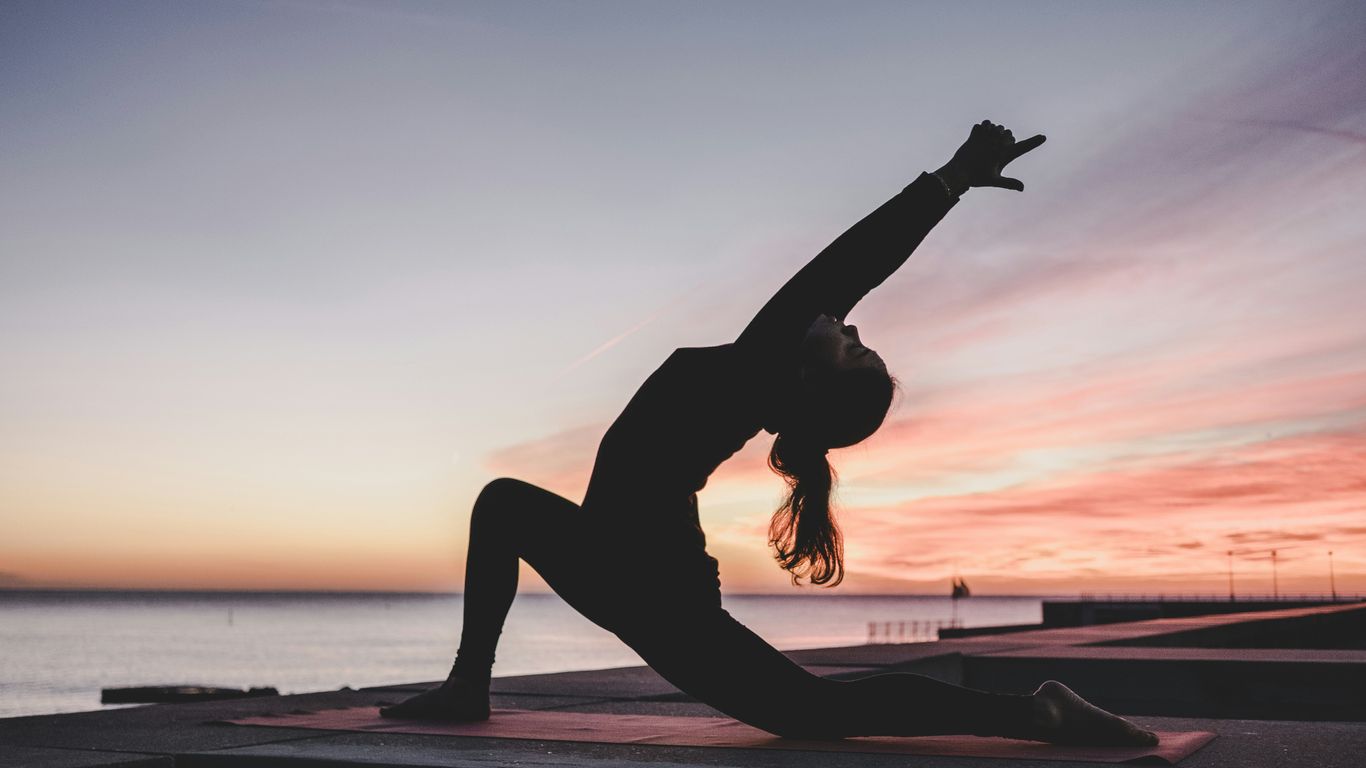
Before jumping into deep stretches, it is essential to wake up the body through controlled, fluid motion. A proper sequence increases blood flow and signals your muscles that it is time to move beyond their dormant state. This preparatory phase is where a Yune Yoga foldable mat shines, as it provides a clean, portable surface for you to set up your warm-up flow in any room or travel space.
Dynamic movements to prepare the muscle tissues
Engaging in rhythmic, moving stretches is far more effective than holding static poses when your body is cold. Gentle swaying or leg swings help the fluid in your joints circulate properly, setting a safe foundation for your practice. These movements ensure that you are not pushing cold fibers to their limits, reducing the risk of strain during your session.
Breathwork techniques for relaxing the pelvic floor
Breathing is not just about oxygen; it is a tool for signaling the nervous system to let go of stored tension. You can practice deep diaphragmatic breathing while seated on a Yune Yoga absorbent towel to provide a stable, comfortable base. When you focus on full, slow exhales, you create a physiological environment where the pelvic floor can soften, allowing for a much deeper release in the surrounding hip muscles.
Why skipping a warm-up can lead to injury
Muscles that are forced into an extreme range of motion without adequate preparation are prone to fatigue and tearing. A warm-up acts as a necessary bridge between doing nothing and performing functional movement. Skipping this step often leaves your joints feeling brittle, whereas spending just a few minutes of bedtime yoga or morning flows keeps things supple and resilient.
Foundational yoga poses for deep hip release
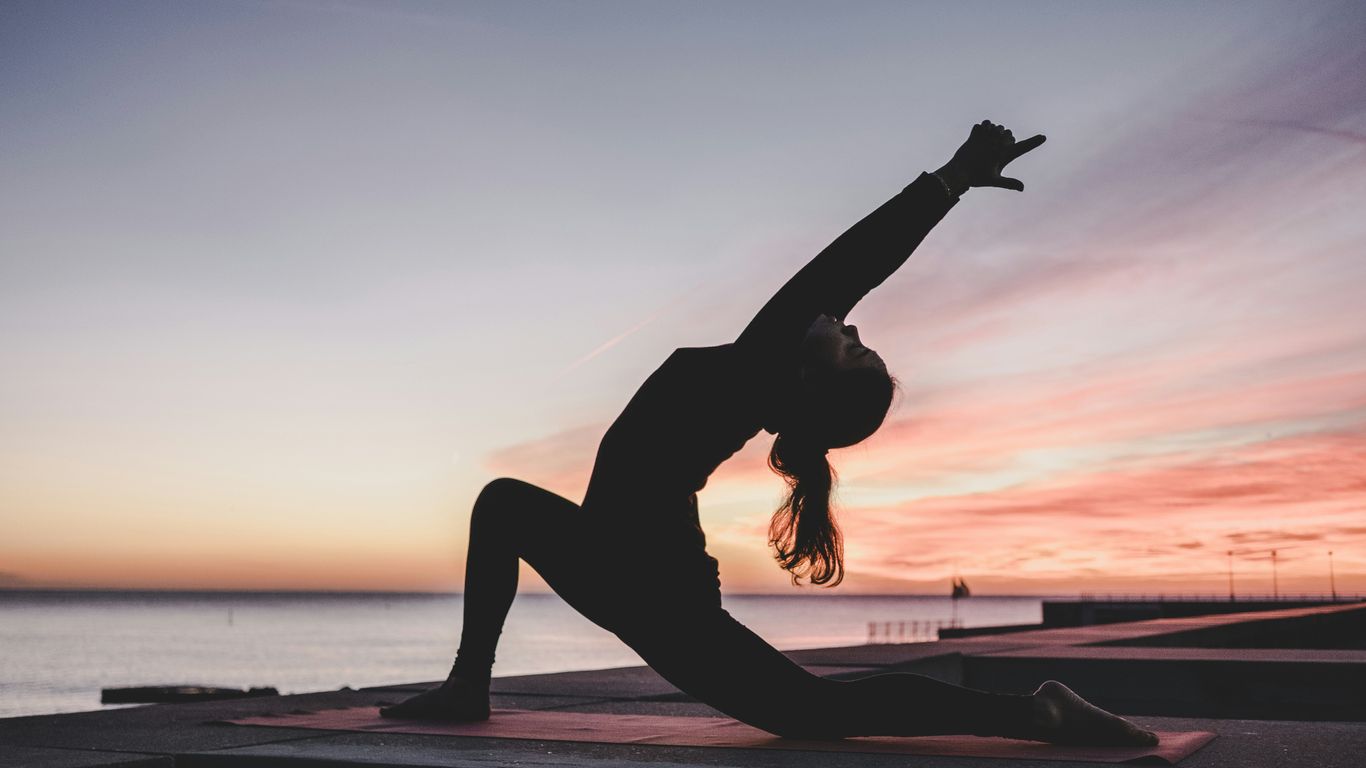
Once the body is prepared, you can begin to explore deeper release through targeted poses that focus on the hip complex. The following table highlights common issues and how specific yoga poses can help resolve them safely and effectively.
| Issue Area | Beneficial Pose | Focus Benefit |
|---|---|---|
| Outer Hip | Pigeon Pose | Deep gluteal release |
| Hip Flexors | Lizard Pose | Lengthening front muscles |
| Inner Groin | Butterfly Pose | Gentle inner thigh stretch |
Some practitioners find that using a Yune Yoga strap provides extra leverage when reaching for their feet during these stretches, allowing for deeper engagement without overextending. Staying mindful during these transitions is the secret to long-term success regarding your physical health.
Perfecting pigeon pose for outer hip tension
This classic pose is renowned for its ability to target the deep tissues of the outer hip that often hold onto emotional and physical strain. By squaring your hips toward the front of your mat, you ensure that the stretch is centered exactly where you need it most. It is important to approach this shape slowly, letting gravity do the heavy lifting rather than forcing your knee into a stressful angle.
The mechanics of lizard pose for hip flexor engagement
Lizard pose is a powerful way to open the hips while simultaneously building strength in the stability muscles of the lower body. By dropping one knee and keeping the other foot forward, you create a long line of tension that effectively stretches the hip flexors. If the floor feels too far away, simply place your hands on blocks until your muscles adapt to the new space you are creating.
Utilizing butterfly pose for inner groin relaxation
This restorative pose allows you to sit upright or fold forward, tailoring the intensity to your current state of flexibility. It is an excellent way to calm the mind while gently encouraging the inner thighs to release. By pressing the soles of your feet together, you find a gentle equilibrium that is perfect for cooling down after a more active flow.
Tailoring hip stretch yoga to your fitness level
Stretching is a personal practice that changes from day to day depending on your activity level and recovery needs. You do not need to mimic the flexibility of a professional athlete to gain the benefits of increased hip mobility. Instead, find the variations that allow you to feel a gentle, manageable stretch without inducing sharp, shooting pain.
Modifications for beginners using yoga blocks
If you find reaching the floor challenging, yoga blocks are your best friend. They bring the ground closer to you, allowing you to maintain a tall, straight spine while your hips experience plenty of stretch. This simple adjustment preserves proper alignment and allows you to hold poses longer, which is key to seeing actual changes in your range of motion.
Advanced variations for experienced practitioners
Once basic poses feel comfortable, you might explore deeper variations, such as incorporating binding, deeper folds, or balancing the hips in more complex orientations. For those who seek a challenge, these variations can push the boundaries of current limits. Always ensure you are not compromising your breath quality as you move into these more demanding shapes.
Adjustments for those with chronic hip discomfort
When dealing with chronic stiffness or past injuries, the priority shifts from depth to comfort. Focus on micro-movements and very subtle shifts in weight rather than trying to get as deep as possible. If a pose causes pain that lingers for hours after your session, it is vital to back off and seek professional guidance to pinpoint the underlying cause.
Incorporating yoga practice into a daily routine
Consistency is the magic ingredient in any flexibility program, far outweighing the intensity of a single, infrequent session. Creating a simple, daily habit ensures your joints stay fluid even through the most demanding work weeks. Here are a few ways to ensure you keep showing up for yourself:
- Dedicate a specific, quiet space for your mat in the morning.
- Keep your yoga gear packed and ready for quick travel access.
- Log your feelings after each session to track your progress.
- Combine movement with your favorite relaxing audio to enhance consistency.
Best times of day for consistent flexibility training
The best time to practice is the time you can reliably stick to without interruption. Some find morning sessions help them start the day with an open, energized body, while others prefer evening flows to unwind after work. The most successful habit is one that fits seamlessly into your schedule, whether you have five minutes or fifty.
Balancing hip-opening with lower body strengthening
Flexibility should always be paired with strength to ensure your joints remain supported during your daily activities. If you only stretch without strengthening, you might end up with too much laxity and not enough stability. Aim for an equal balance of opening poses and strengthening movements like lunges or squats to keep your lower body functioning optimally.
Tracking progress in range of motion over time
Progress is rarely linear and often arrives in small, subtle increments that are easy to miss. Keep a simple log of how a specific pose feels, such as whether you can sink lower into your stretch or if you feel less tension after sitting through a long meeting. Celebrating these small wins will keep you motivated to continue your journey toward better mobility.
Conclusion
Developing a regular hip stretch yoga practice is a gentle investment in your own physical sustainability and daily comfort. By integrating intentional movement, focused breathwork, and the right gear to support your practice, you can transform stiffness into ease and regain a full range of motion. Start slowly, honor your body's current capacity, and move with consistency to experience the lasting benefits of a more open, mobile hip complex.
Frequently Asked Questions
How often should I practice hip stretches?
Practicing these stretches three to four days a week is usually enough to see significant improvements in your flexibility and joint health.
Can hip stretches help with lower back pain?
Yes, many people find that releasing tension in the hips can directly alleviate the strain often felt in the lower back muscles.
Is it normal to feel discomfort during a stretch?
It is common to feel a dull, manageable sensation during a stretch, but you should never experience sharp or sudden pain while practicing.
Should I hold my breath while stretching?
Always maintain steady, deep breaths, as holding your breath can cause your muscles to tighten and resist the very movement you are trying to achieve.
Are yoga blocks necessary for beginners?
They are not strictly required, but they are highly recommended because they provide a stable support that helps you maintain proper form while you are still building flexibility.
Can I do these stretches if I am not flexible at all?
Absolutely, these poses are intended to improve flexibility over time, and you should use modifications to make them work for your current level regardless of where you start.
How long should I hold each pose to see results?
Aiming for five to eight deep, slow breaths in each pose is a great standard to ensure you spend enough time to allow the muscle tissues to respond effectively.

