

A comprehensive guide to free online yoga classes for beginners
Key Takeaways
Starting a yoga practice from the comfort of home is accessible when you know where to look and how to prepare. Use these highlights to guide your journey into free yoga instruction.
- Identify which yoga style aligns best with your personal energy levels and goals.
- Invest in practical, easy-to-store gear to ensure your practice space remains functional.
- Utilize reputable digital platforms and free resources to build a consistent learning foundation.
- Establish a manageable schedule that prioritizes your physical well-being over strict duration.
- Focus on safety by listening to your cues and modifying poses when necessary.
Choosing the right yoga style for your needs
Selecting a yoga style primarily depends on how you want to feel after moving through your session. Whether you seek to energize your body or reach a state of deep calm, the variety of free online content makes it simple to explore different methods. It is helpful to start by observing what your body actually craves on a given day, as this will dictate your choice of flow. The flexibility to experiment with various instructors and pacing ensures you stay engaged without feeling forced into a rhythm that does not suit your personality.
Understanding the differences between hatha and vinyasa
Hatha is often described as a slower, more deliberate approach that concentrates on individual poses and holding them for longer periods. It is an excellent starting point for those who want to understand the physical architecture of each movement. On the other hand, vinyasa acts as a "meditation in motion" that links breath with a series of fluid, continuous transitions. You can discover 50-minute Vinyasa flow sessions through public health resources, which provide a balanced way to build both strength and a rhythmic breathing pattern. Both styles offer distinct benefits, so trying both is the best way to determine your personal preference.
Prioritizing flexibility versus strength-building goals
Some practitioners focus entirely on increasing range of motion, while others find motivation in the physical challenge of holding active poses. If your primary goal is building stability, look for classes that emphasize core control rather than just deep stretching. Over time, you will find that these goals often naturally overlap, as a strong body typically leads to improved flexibility. Finding the right balance allows you to build a well-rounded foundation that supports your everyday movements and activities.
Finding restorative flows for anxiety and stress relief
Restorative sessions are intentionally slower and designed to help the nervous system settle after a long day. These classes often involve long, quiet holds where the floor provides most of your support, inviting you to release tension held in the hips, shoulders, and neck. When you are looking for this kind of relief, prioritize videos that emphasize deep breathing and quiet environments. This practice becomes a safe space to focus inward and simply observe your current state without any pressure to perform.
Tailoring your routine to your current physical fitness level
It is essential to match your practice to where you are right now rather than where you hope to be in six months. Gentle options are perfect for those who might feel out of shape or those returning after a long hiatus. You can start your journey with a Yoga For Complete Beginners class to build confidence in a supportive way. By keeping the barrier to entry low, you are far more likely to maintain a lasting habit that evolves alongside your growing strength.
Essential equipment for effective home practice
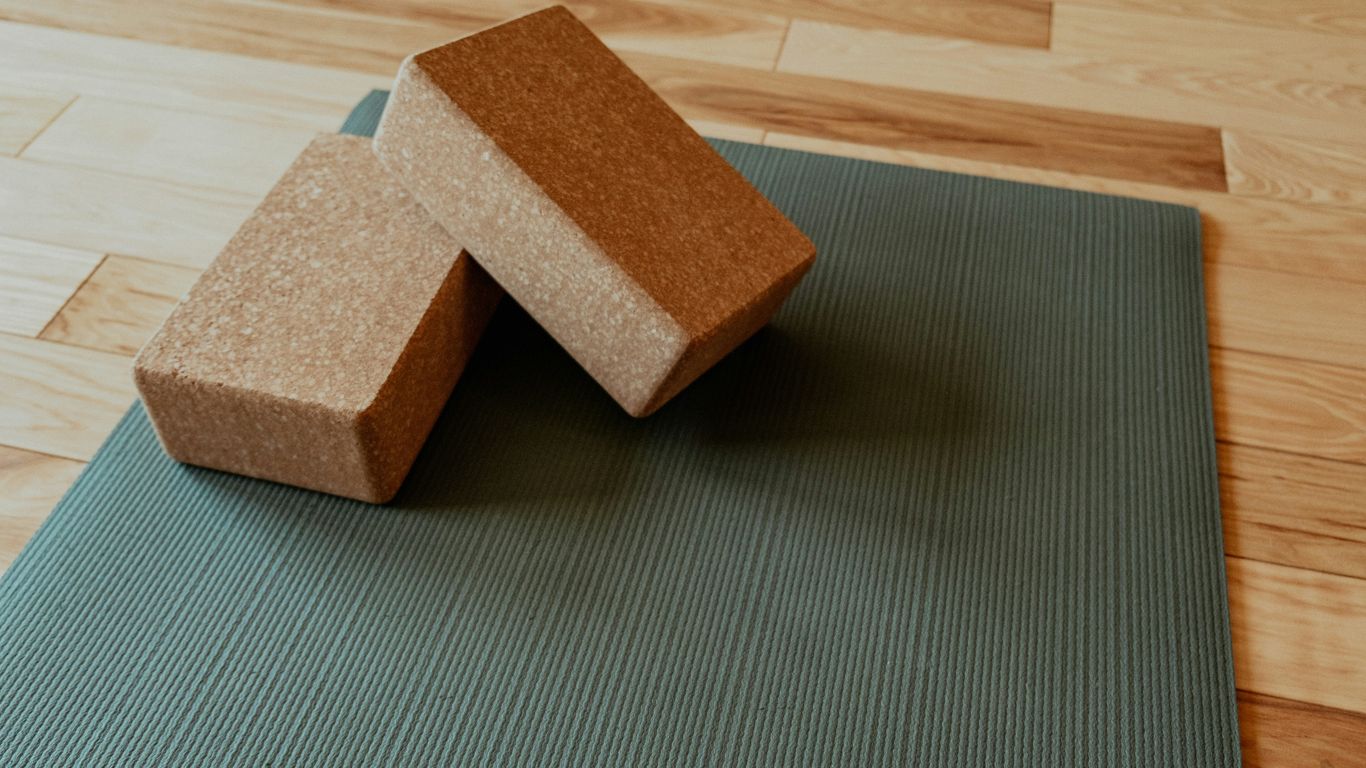
Setting up your environment does not need to involve expensive gear or a dedicated studio space. A small, clutter-free area in your living room or bedroom is sufficient to get started, provided you have a surface that prevents slipping. For those practicing at home, a foldable Yune Yoga mat offers the convenience of a compact setup that can be tucked away after each session. Keeping your gear simple helps ensure that you can transition from your couch to your mat in seconds without any friction.
Assessing whether you truly need a high-end yoga mat
The most important attribute for any mat is that it provides a stable, non-slip base for your hands and feet. While high-end brands offer premium materials, a quality entry-level mat can perform just as well if it satisfies these functional needs. The priority is comfort and safety, so focus on the grip and thickness rather than the price tag. If you practice on different floors, consider something that stays put so you can practice anywhere, from a quiet hotel room to your own kitchen floor.
Using common household items as functional props
You do not need to buy specialized accessories to deepen your poses safely and effectively. Many items you already own can serve as excellent substitutes for traditional yoga blocks and straps. Using these items correctly makes it much easier to sustain your form during challenging movements.
| Household Item | Yoga Equivalent | Practical Purpose |
|---|---|---|
| Thick Book | Yoga Block | Adds height to reach the floor |
| Hand Towel | Yoga Strap | Improves grip for deep stretching |
| Sturdy Chair | Yoga Bolster | Provides balance and support |
By integrating these objects into your flow, you eliminate the need to purchase excess equipment until you are certain about what you use most often.
Tips for creating an inviting space for your practice
Your practice space should feel personal and conducive to concentration rather than a place of distraction. Lighting a candle or clearing away visual clutter can do wonders for your focus, as can ensuring you have enough space to extend your arms and legs fully. Think of this space as your retreat, even if it is only a corner of a busy room, and try to keep it reserved for your movement to create a positive psychological association with your mat.
Selecting appropriate clothing that allows for full range of motion
What you wear matters just as much as the surface you stand on when you want to move without restriction. Select clothing that fits comfortably and stays in place so you are not constantly adjusting your top or pants during a flow. Adhering to a few simple guidelines for your attire will make every session feel effortless.
- Look for stretchy fabrics that move with you.
- Avoid zippers or buttons that might poke your skin.
- Choose moisture-wicking materials to stay comfortable.
- Ensure your hems are secure to prevent tripping.
Getting your gear right early on lets you focus entirely on your breath and movement rather than your surroundings.
Navigating top resources for free instruction

Finding quality guidance is easier than ever with many talented instructors sharing their work openly. However, the sheer volume of choices can feel overwhelming, so it helps to have a system for filtering content that works for you. Start by identifying a few channels that align with your pace and instructional style. This consistency helps you learn the vocabulary they use and makes it simple to follow along once you become familiar with their teaching style.
Evaluating YouTube channels for consistent yoga content
You can access a vast library of videos from experienced teachers who update their platforms regularly. Consistent content is key because it allows you to grow with the instructor over several weeks or months rather than jumping between fragmented lessons. When you find a voice you enjoy, bookmark that channel to save time during your next session.
Utilizing public library resources and limited-time app trials
Outside of traditional video streaming, keep an eye on your local library’s digital catalog, which may offer subscriptions to fitness platforms. Additionally, many developers offer free tiers for their applications. You can explore the best free classes by checking for ad-free apps that focus on tutorials and sequences for beginners. These trials are wonderful ways to sample high-quality content without any long-term commitment.
Checking reputable health organization offerings for guided videos
Major health organizations often publish guided video content as part of their exercise recommendations. These videos are typically designed by professionals who prioritize technique and safety, making them a very reliable starting point for anyone just beginning their journey. Because they are designed for a general audience, they often feature clear instructions that are easy to follow even if you are brand new to the practice.
Assessing instructor credentials and video pacing
Always spend a few minutes previewing a video before you commit to the full duration to ensure the pace matches your expectation. A good instructor should explain the benefits of each movement clearly, and reputable teachers will often list their credentials in their profile or video description. Whether you are seeking a gentle yoga beginner flow or something more energetic, ensure the instructor provides verbal cues that help you understand where to place your feet and hands.
Establishing a consistent yoga routine at home
Building a habit is about simplicity rather than intensity. It is far more effective to practice ten minutes every day than one hour once a week. Because you are your own coach, choosing gear that enhances your experience—like an absorbent Yune Yoga towel for those more intense sessions—helps you focus entirely on your movement.
Determining realistic time commitments for a new habit
Start your routine by blocking out small segments of time that you are certain you can keep. Even a recurring ten-minute morning session can build a strong foundation over time. When your schedule changes, allow yourself the flexibility to shorten your practice rather than abandoning it altogether, as staying flexible is the hallmark of a successful habit builder.
Balancing daily physical activity with necessary rest days
Your muscles and joints need time to recover, especially when you are just beginning to build strength. Include at least two rest days in your weekly routine where you focus on gentle movement or simple stretching. This cycle of intensity and rest is vital for preventing burnout and ensuring you remain excited about your next session.
Tracking your progress through simple digital journaling
A quick note after each session can help you identify what you enjoy most and what you want to improve. You do not need anything fancy; a simple digital list or a small app is plenty. Tracking small wins, such as hold time or improved balance, acts as a powerful reminder of how much you are capable of achieving with consistent effort.
Overcoming common motivational slumps during the early stages
Slumps are perfectly normal when building any new routine. When you feel uninspired, choose the easiest possible video you have saved, or simply do five minutes of deep breathing on your mat. Your only goal on these days is to maintain the habit of interacting with your space, and you will often find that you feel better simply for showing up.
Practicing yoga safely without an in-person instructor
Safety is your primary responsibility when you do not have an instructor in the room to guide your alignment. This means always prioritizing how you feel over how a pose looks. If you feel any sharp pain or genuine discomfort, treat it as a clear signal that you should adjust your depth or stop the movement entirely.
Listening to your body and respecting physical boundaries
Your body will tell you everything you need to know about your limits if you give yourself permission to pay attention. Respect the difference between a good stretch and something that feels potentially damaging. By staying present, you can gently navigate your own natural boundaries without pushing too hard or risking an injury.
Prioritizing proper alignment to prevent common injuries
Alignment is much more than aesthetics; it is about protecting your joints and supporting your muscles as you move through each pose. Before jumping into a vigorous flow, take a moment to look at your hands and feet to ensure they are properly grounded. Even with free classes, having reliable gear like durable Yune Yoga straps helps maintain proper form during challenging poses.
Modifying difficult poses to accommodate lower mobility
Never feel pressured to perform a pose exactly like the person on the screen. Most instructors offer multiple variations or versions of a pose specifically for this reason. If a movement feels impossible or causes strain, opt for the simplified version immediately, as this is how you safely gain strength and mobility over the long term.
Knowing when to stop or take a break during a session
Taking a break is not a failure; it is a critical part of a safe practice. If your breath becomes ragged or you feel lightheaded, move into a resting pose and catch your breath. Taking these moments of pause helps you develop the self-awareness necessary for long-term health and keeps your yoga experience grounded in self-care.
Conclusion
Building a sustainable yoga practice is a deeply personal journey that thrives on patience, consistency, and the right resources at your fingertips. By starting where you are with functional equipment and reliable guidance, you can cultivate a lasting habit that benefits your physical and mental well-being for years to come. Enjoy the exploration, stay mindful of your own pace, and appreciate every small step you take toward a more balanced daily life.
Frequently Asked Questions
How often should a beginner practice yoga?
Starting with two to three sessions per week is often plenty for beginners to build strength and flexibility without feeling overwhelmed.
Can I do yoga if I am not flexible?
Yoga is specifically designed to improve your range of motion over time, so you can absolutely start even if you feel very stiff right now.
Do I need a professional yoga mat to start?
While a textured non-slip mat is helpful for safety, any flat and stable surface is perfectly fine when you are just beginning your practice.
What do I do if I feel pain during a pose?
Stop the movement immediately and rest in a comfortable position, as your body is signaling that the pose may be too intense or incorrectly aligned.
Is it better to practice in the morning or evening?
The best time to practice is whenever you can consistently find time in your schedule to focus entirely on your movement without distraction.
How long should each yoga session last?
There is no required length, so try starting with ten to twenty minutes and expand your time once you feel comfortable with your routine.
Should I consult a doctor before starting?
It is always a wise choice to check with a healthcare provider if you have any existing health conditions or injuries before beginning a new fitness program.

