

The ultimate guide to designing a comprehensive yoga exercise workout
Key Takeaways
A structured yoga exercise workout provides a versatile approach to fitness that enhances physical performance and mental clarity. By following consistent practices, you can effectively reach your health objectives.
- Improved flexibility and range of motion help prevent common daily aches.
- Core strength development provides a functional foundation for all athletic endeavors.
- Consistent preparation with appropriate gear ensures smoother and safer practice sessions.
- Strategic modifications allow practitioners at every level to maintain structural integrity.
- Proper recovery and nutrition strategies support muscle repair and long-term sustainability.
Understanding the physical benefits of a yoga exercise workout
Starting a new fitness journey requires a clear understanding of the physical foundation for success that a well-designed session provides. Yoga engages multiple muscle groups simultaneously, leading to balanced development across the body. This approach helps practitioners achieve better posture while supporting the cardiovascular system through controlled, rhythmic movement.
Improving flexibility and range of motion
Daily movement often leads to tightness in the hips and shoulders. Developing a routine that emphasizes consistent stretching helps the body regain lost mobility and promotes smoother movement patterns over time. For those interested in the origins of these practices, the yoga history guide provides context on how these movements became a global standard for flexibility.
Building functional core strength
Core strength is crucial because it stabilizes the spine and supports every limb during athletic activities. Practitioners engage their abdominals even during simple static poses, which builds endurance and control better than many repetitive movements. This type of practice allows you to build a resilient base for more complex training goals.
Boosting cardiovascular health through movement
Maintaining an elevated heart rate through dynamic movement transforms a standard practice into an effective cardiovascular tool. Understanding how to monitor your effort is beneficial for any target heart rate zones training plan, helping you reach your target intensity safely. By keeping the flow consistent, you encourage your heart and lungs to adapt to the aerobic demands of the workout.
Preparing for your yoga session
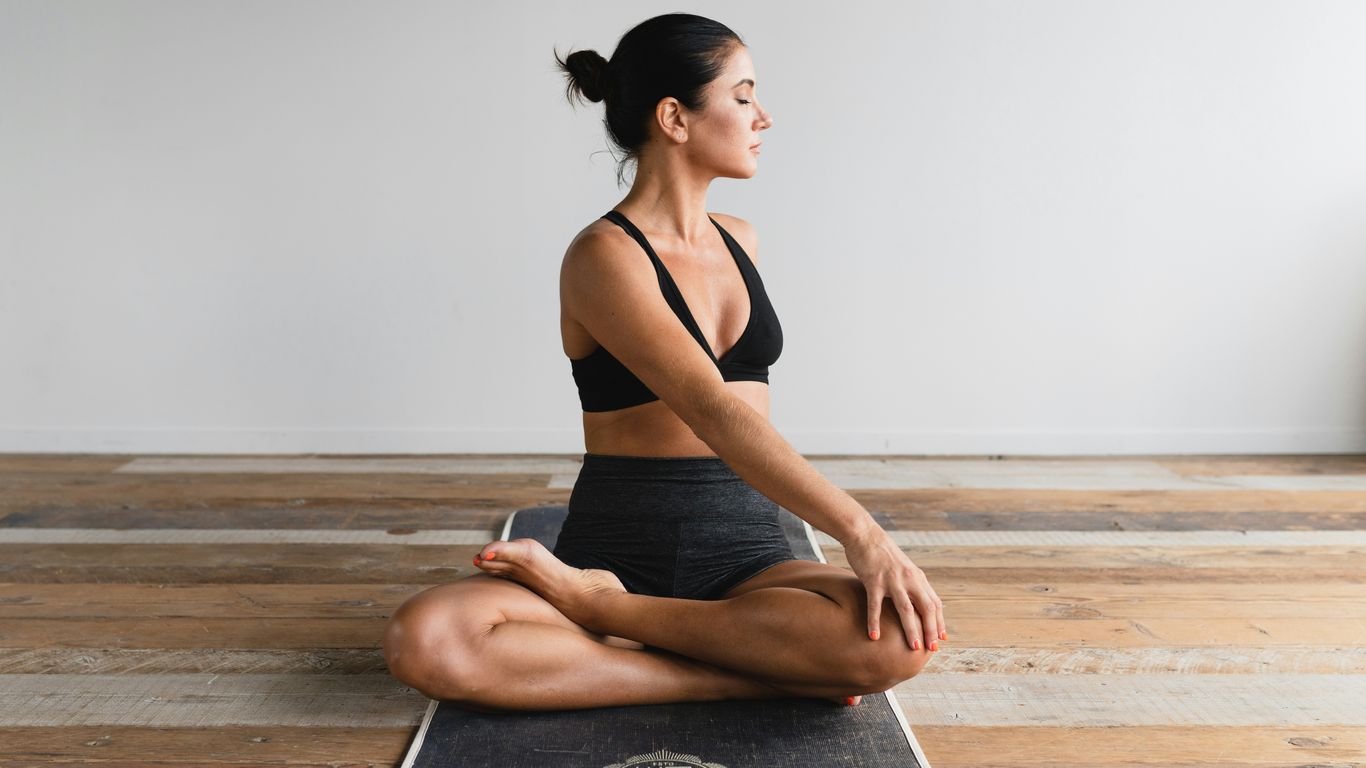
Setting up for your practice is just as important as the movements themselves. A dedicated space and the right gear create a mental boundary that shifts your focus toward personal performance and goal setting. When everything is in place, you can move through your routine without unnecessary distractions that might break your flow.
Selecting the right equipment and environment
Using a reliable and portable mat makes it significantly easier to practice wherever you land. Yune Yoga offers specialized foldable travel mats designed to be light and easy to pack, ensuring you always have a grippy surface available. This level of convenience removes the hurdle of finding gym time, especially when you are looking for a holistic yoga routine that you can perform in a hotel room, at a park, or in your living room.
The importance of proper warm-up techniques
Skipping the warm-up is a frequent cause of discomfort, so taking five minutes to prime your joints is essential. Warming up increases blood flow to the muscles, reducing the risk of strain. For those planning out their own online courses, tools like Zoho TrainerCentral could help organize these warm-up sequences into professional modules for others to follow.
Setting a consistent schedule for optimal results
Consistency beats intensity every single time for long-term health. By blocking off specific days, you turn your commitment into a non-negotiable habit. Just as you might study different subjects, having a set timeline keeps your movement practice on track and prevents the stagnation that comes from sporadic attempts.
Essential yoga poses for full-body conditioning
When designing your routine, it helps to categorize poses by their primary function to ensure you hit every muscle area. Using a systematic approach ensures your session is balanced rather than just a collection of favorite moves.
| Pose Category | Key Focus Area | Difficulty |
|---|---|---|
| Standing | Leg Strength | Beginner |
| Arm Balance | Upper Body | Advanced |
| Inversion | Metabolic State | Intermediate |
Standing poses for stability and leg strength
Foundational standing poses like Warrior II create a strong base for your entire sequence. These movements focus on balance while actively strengthening the muscles in your lower body. They ground your practice and build the stamina required for more challenging flows later in the session.
Arm balance sequences for upper body endurance
Arm balances demand significant engagement in the shoulders, chest, and wrists. They challenge your upper body stability and help you learn to support your own body weight gracefully. Incorporating these sequences into a Full-Body Yoga Workout allows you to push past plateaus and develop genuine functional strength.
Inversions and their metabolic advantages
Inverted poses temporarily shift the body's center of gravity, which creates a unique set of physiological responses. These positions require intense focus and engagement, which can help increase heart rate and challenge the vestibular system. It is a powerful way to add variety to a routine that has become too predictable.
Backbends for postural correction
Backbends are essential for counteracting the forward-slouching posture that comes from sitting at desks for extended periods. Opening the chest and strengthening the entire length of the spine helps restore natural alignment. Consistent practice in this area is perhaps the most effective way to address tension around the neck and shoulder area.
Customizing your flow based on fitness goals
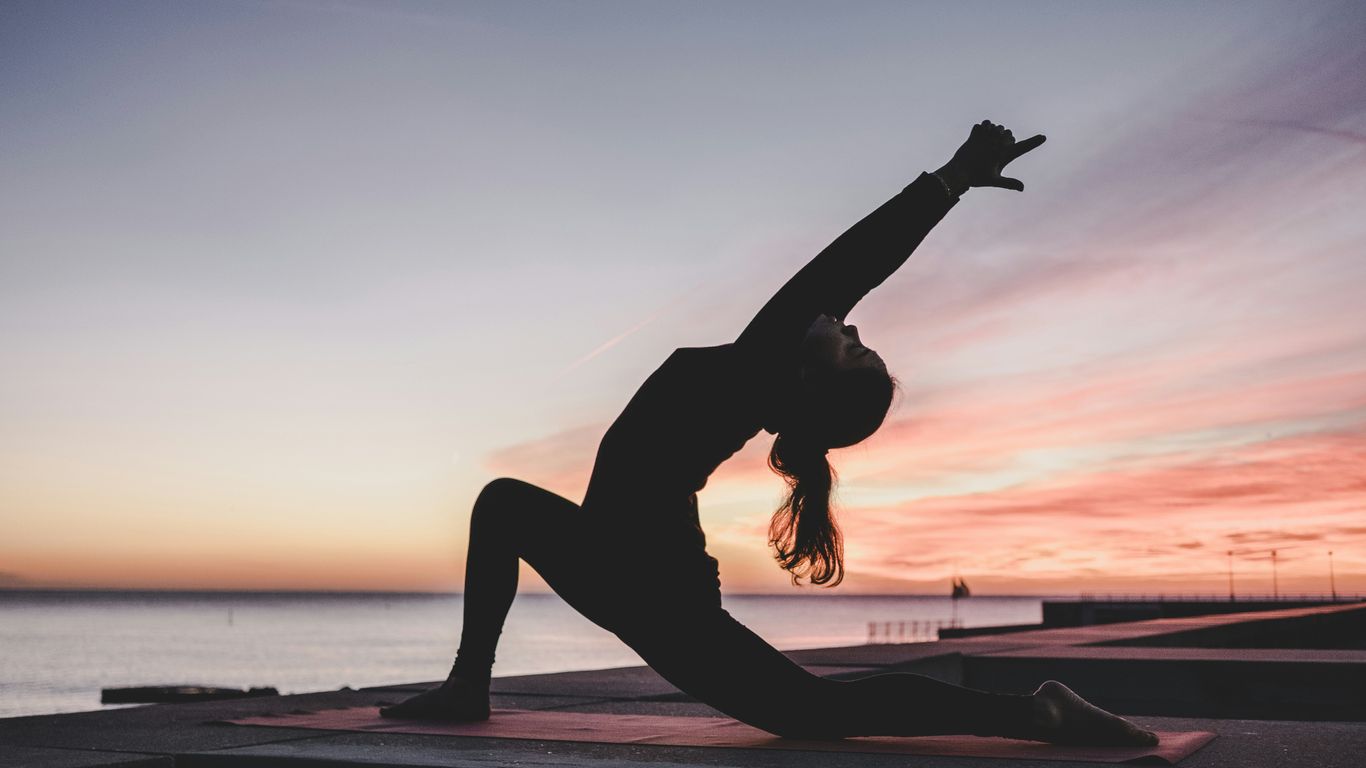
Customizing a sequence allows you to refine your output to match your current capacity. Whether you want to focus on intensity or tranquility, the beauty of a self-directed flow is its flexibility. When you need to scale up the intensity of a power yoga workout, don't hesitate to incorporate tools that allow for incremental progression.
Designing a workout routine for weight loss
Focusing on high-repetition flows and steady movement keeps the heart rate high. When you are looking to manage body composition, staying in a consistent motion is much more effective than holding static poses for long durations.
Tailoring sequences for stress reduction
Sometimes the goal is simply to find a moment of peace rather than a physical challenge. Softening the intensity and focusing on long, slow exhalations allows the nervous system to shift into a recovery state. It is a form of active mindfulness that helps in disconnecting from daily demands.
Integrating props for added resistance
Using props like Yune Yoga straps helps you deepen your extensions and add resistance where your range of motion might naturally stop. These simple accessories improve safety significantly by allowing you to maintain correct form even when you are fatigued. You can easily tuck these lightweight tools into a bag for travel purposes.
Safety guidelines and injury prevention
Modifying poses for different fitness levels
It is vital to prioritize form over depth in every single movement. Beginners should look for variations that protect sensitive areas like the lower back or knees while still providing the intended benefit. No one benefits from forcing their body into a position it is not yet ready to support.
Listening to your body to avoid overexertion
Paying attention to subtle cues like shaking muscles or sharp joint pain is the primary defense against injury. When you feel these sensations, it is a signal to pull back and choose a more restorative option. Pushing through pain during a movement session is never the goal; the objective is longevity and consistent improvement.
The role of breathwork in maintaining structural integrity
Your breath serves as the internal stabilizer that keeps you grounded during difficult poses. By using deep, full breaths, you calm the mind and provide sufficient oxygen to the muscles that are working hardest. A steady breath cycle is often the first indicator that you are managing your energy output correctly.
Recovering after a high-intensity yoga session
The real progress often happens during the time you spend recharging between sessions. If you are feeling particularly fatigued, focusing on simple nutrition and active rest is the best approach to ensure you show up ready for your next practice.
Post-workout stretching and cooling down
Cooling down signals to your system that it is time to transition from high-intensity engagement to active rest. Gentle forward folds and seated hip openers allow the heart rate to return to normal gradually while releasing the tension built up during the session. Following a good cooldown plan is essential for preventing stiff muscles.
Managing muscle soreness after intensive practice
After a hard session, it is normal to experience some muscle stiffness as the tissues repair themselves. Staying mobile through gentle movement rather than complete bed rest can often help alleviate this discomfort. Taking time to care for your body after an intense practice ensures that you remain ready for all your upcoming activities.
Nutrition strategies to support muscle repair
Dressing well after a workout includes refueling your cells with quality nutrients. You might try incorporating recipes like a Yard House Steak Bowl to ensure you are getting both protein and essential vegetables for recovery. Even simpler meals like a quick Ham Salad provide easy protein sources to keep your muscles fed and happy after a yoga routine guide session. For those who want variety, consider exploring options at an ACE77 site if it helps you focus, although focusing on whole ingredients for your post-workout meal remains the gold standard.
Conclusion
Designing a comprehensive yoga exercise workout is a rewarding process that bridges the gap between physical conditioning and mental well-being. By focusing on consistency, proper equipment from Yune Yoga, and active listening, you establish a structure that supports your fitness evolution over the long term. Embrace the journey of fine-tuning your routine as your body adapts and grows through each deliberate session.
Frequently Asked Questions
How often should I practice yoga to see results?
Practicing three to four times per week is a great starting point for seeing measurable improvements in your physical strength and daily flexibility. Consistency matters more than the duration of each session.
Can I use yoga as my only mode of training?
While yoga is an incredible discipline, most experts recommend mixing it with other forms of low-impact movement to ensure a well-rounded and balanced approach to total health. It serves as a strong anchor for any lifestyle.
Do I need to be flexible to start yoga?
Flexibility is a result of yoga, not a prerequisite, so you can start exactly where you are today. Every pose has a regression or modification that makes it accessible to anyone at any level.
What are the best props for a beginner?
A set of blocks, a durable strap, and a non-slip mat remain the most essential tools to support your alignment and safety. These items help bridge the gap in poses where your range of motion is limited.
How do I correct my posture using yoga?
Focusing on poses that open the chest and strengthen the back muscles is the most effective internal correction for poor posture. Regular engagement of the core muscles also ensures the spine stays supported.
Is it safe to practice yoga every day?
Daily practice is safe provided you mix high-intensity days with restorative sessions that focus on relaxation. Listening to your recovery needs is the key to preventing burnout and staying consistent.
Should I eat before a yoga session?
It is best to leave a gap of two to three hours after a large meal before starting your practice. If you need fuel, opt for a light, easily digestible snack thirty minutes before you begin.

