

The ultimate guide to choosing the perfect yoga music for your practice
Key Takeaways
Curating the right soundscape transforms your practice by balancing focus, rhythm, and environmental tone. Selecting the correct auditory backdrop is essential for maintaining your flow whether you are on a mat at home or in a studio.
- Align the tempo of your music with the specific intensity of your chosen yoga style for optimal physical output.
- Utilize grounding acoustic instruments or nature sounds to enhance deep relaxation and stillness during restorative sessions.
- Avoid lyrical tracks or abrupt tempo shifts that can pull the mind away from your breath and physical alignment.
- Ensure all chosen tracks are licensed appropriately if you are an instructor aiming to avoid digital copyright complications.
- Integrate ambient music to create a consistent atmosphere that complements the practicality of portable gear like Yune Yoga foldable travel mats.
The science behind yoga music and mental focus
Sound exerts a powerful influence on our internal state, acting as a bridge between the physical practice on the mat and the stillness found in meditation. When instructors select music to pair with their sequences, they are essentially managing the atmospheric pressure of the room. Understanding how these auditory choices impact the nervous system allows for a more intentional yoga practice.
How sound waves influence brainwave states
Sound waves propagate through the environment in frequencies that our brains naturally detect and interpret. Persistent, steady sound can help lower the noise floor of our thoughts, allowing participants to achieve a flow state more efficiently. Think of this process as similar to how Virtual Threads in Java 21 manage system tasks by balancing background operations to prevent resource blocking in a software environment.
The role of rhythm in movement synchronization
Rhythm provides a metronome-like quality that aids in the sequencing of complex physical transitions. When the bass or beat aligns with the ujjayi breath, the body often moves with greater authority and purpose. Having an auditory focus during your practice can make holding challenging poses feel less taxing on the muscular system.
Managing cortisol levels through auditory stimuli
Music that features slow, droning harmonic structures is often effective in signaling the nervous system to shift from a sympathetic "fight or flight" response to a parasympathetic state. This transition is vital for restorative sessions. Much like how preparing a Fresh Kitchen Creamy White Ginger Sauce requires a precise balance of zest and creaminess for the perfect flavor profile, your soundscape requires a balance of melody and space to lower stress levels.
Selecting music based on your yoga style
Choosing the right audio gear for your specific yoga discipline is just as important as selecting the right physical accessories. Whether you are using your Yune Yoga absorbent yoga towels for a sweaty session or finding comfort in a quiet space, the music serves as an anchor for your practice.
High-energy playlists for vinyasa flow
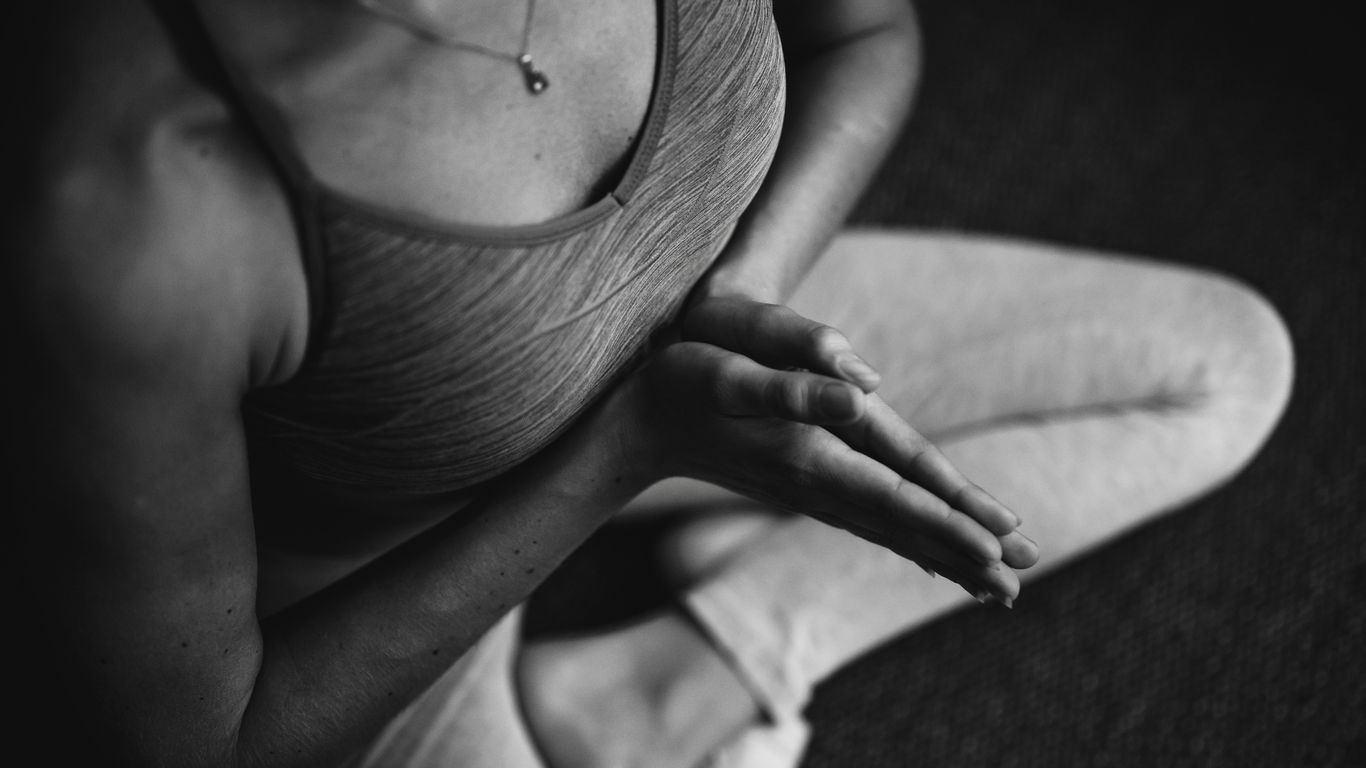
For faster sequences, aim for tracks with a driving, consistent beat that does not overwhelm the room. Consistent rhythm helps keep the movement fluid and prevents the energy from stuttering during transitions between sun salutations. Many practitioners find Yoga Music or similar high-energy collections helpful for maintaining vigor during long sessions.
Minimalist ambient tracks for yin yoga
Minimalism is key when you are holding poses for extended periods. You want music that feels like part of the air rather than a distraction. If you are struggling with focus, these ambient soundscapes act as a useful 15 all-time best yoga songs guide by facilitating a deep, interior connection to the breath.
Mantra-based soundscapes for kundalini sessions
Kundalini classes often emphasize repetitive vocalizations and specific rhythms that tap into ancient spiritual practice. These soundscapes are deeply immersive and structured to facilitate higher states of awareness, acting as a catalyst for energy movement rather than just a passive background element.
Silence as an intentional sound choice
Sometimes the best soundtrack is the complete lack of external audio. In a studio, silence allows the group to sync their breath naturally as a collective. If you choose to use silence, use it purposefully during long holds or savasana to heighten the sensory experience. You can easily organize your practice setups by pairing this silence with the convenience of your Yune Yoga durable yoga straps.
Understanding genre and atmosphere
Atmospheric audio changes the way a space feels, turning a simple room into a sanctuary. When you start building your library, look for diverse categories to ensure your sessions remain fresh and resonant. As BibePump adapts sensory tools for developmental play, you should adapt your genre choices based on the specific anatomical and mental goals of your class.
The impact of binaural beats on deep relaxation
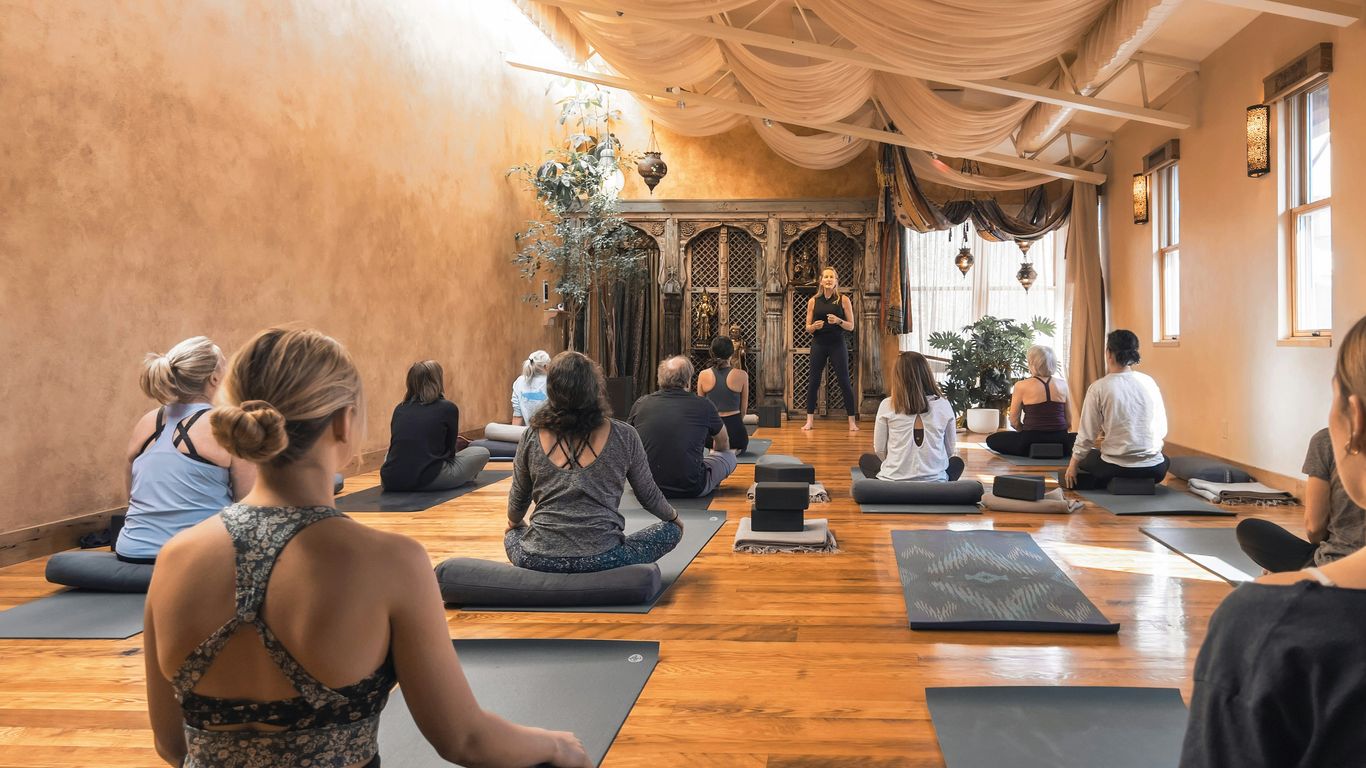
Binaural beats utilize two slightly different frequencies in each ear to potentially influence brainwave patterns. Many find that these tones create an environment where the mind stops racing, making them perfect for guided meditation or long restorative sessions. Instructors who utilize royalty-free yoga background music often find that layering these beats under nature sounds provides the most soothing result for students.
Traditional acoustic instruments and their grounding effects
Instruments like the bansuri flute, singing bowls, or acoustic guitar have long been associated with spiritual practice due to their natural, raw resonance. These sounds typically feel more "organic" to the ear, which helps ground a practitioner who might be feeling scattered. Consider the following instruments and their specific roles:
| Instrument | Typical Mood | Best Application |
|---|---|---|
| Tibetan Bowl | Stillness | Savasana or Meditation |
| Acoustic Flute | Reflection | Yin Yoga Holds |
| Handpan Drum | Engagement | Moderate Flow Sequences |
Incorporating electronic elements for modern sequences
Modern electronic music can provide a clean, uncluttered foundation for your practice. These tracks often maintain a stable tempo that makes counting breaths easier for the instructor. Many students find that calming and uplifting yoga music from modern producers helps them bridge the gap between their daily, busy lives and the stillness required for their yoga session.
Using nature sounds to enhance environmental immersion
Nature sounds bring a sense of natural space to an urban studio. Rain, ocean waves, or distant forest sounds can trigger a calming response by mimicking untamed environments. Adding these tracks to your royalty-free yoga music collection rounds out your library and provides an essential resource for those who find the silence of a building too sterile.
Avoiding common pitfalls in curated playlists
Playlist curation is a balance of art and logistics. You can have the most beautiful tracks, but if they distract from the teacher or disrupt the room's energy, they fail their purpose. Maintaining a professional standard involves avoiding common errors such as song variety that is too chaotic or volume levels that drown out verbal cues.
Why lyrical music can be a distraction
Lyrics often contain stories or language that engage the linguistic part of the brain. When a student should be focusing on their breath, they end up listening to the singer’s narrative, which pulls them out of their internal rhythm. Keep music instrumental to ensure the mind stays directed inward rather than outward.
Identifying tracks with disruptive tempo shifts
Avoid tracks with harsh, unexpected tempo changes. These shifts can frustrate a flow and cause practitioners to lose their balance or timing. A good practice playlist should feel cohesive, moving in a steady arc that peaks during the session and slowly winds down toward the final resting posture.
Balancing volume levels for teacher voice clarity
Always prioritize the instructor's voice volume. There is nothing worse than having to strain to hear verbal cues over a loud bass track. Using a balanced gain structure across your playlist ensures that every song stays within a comfortable range for vocal clarity.
Respecting cultural context in world music selection
When using world music, treat the cultural origins with respect. Ensure that the music is chosen for its atmospheric benefits and not used as a superficial decoration. Being mindful of these nuances reflects the core values of respect and intent integral to yoga practice.
Licensing and legal considerations for yoga instructors
Instructors often underestimate the effort required to source music legally. Using popular tracks without a license is a common mistake that can lead to copyright strikes. Fortunately, there are many resources designed to help teachers find music that is both beautiful and ethically sourced for public performance.
Understanding the difference between royalty-free and copyright-protected tracks
Royalty-free does not mean free; it means you pay a single fee for the right to use the music in your classes without ongoing royalties. Copyrighted music, however, often requires performance licenses that are much harder to navigate for independent teachers. Always look for "commercial use" certifications when downloading your tracks.
Navigating public performance licenses for physical studios
Running a studio location usually requires a broader performance license that covers all tracks played for a public audience. This helps avoid legal issues with performing rights organizations. Consult with legal resources to ensure that your specific studio space—similar to how ACE77 provides regulated gaming systems—is fully compliant with local digital distribution laws.
Best platforms for sourcing ethical yoga music
There are numerous platforms that specifically cater to yoga instructors, offering curated playlists that are legally safe for use in studios. These platforms save immense amounts of time and ensure your practice space remains ethically sound. Think of these as a best ham salad recipe resource, a quick and reliable way to get high-quality outcomes every single session.
Documenting usage to prevent digital copyright strikes
Keep a log of which music is played during your sessions if you record content for online platforms. Digital copyright strikes on platforms can be devastating to a content creator’s momentum. Proper documentation makes the process of clearing those strikes much faster should an automated system flag your work.
Conclusion
Choosing the right audio for your sessions is an evolution of your personal understanding of movement, breath, and atmosphere. By thoughtfully selecting songs that match your pace, respecting copyright laws, and minimizing distractions, you build an environment where students can truly let go. Whether you are using simple nature sounds or complex mantra-based tracks, always ensure the audio supports the physical journey of the practice itself.
Frequently Asked Questions
How loud should the music be during yoga class?
The music should be loud enough to provide a gentle backdrop, but it must never compete with the instructor’s voice. It should feel like an ambient layer that supports the energy of the room without forcing anyone to work to listen for cues.
Is it better to use music with or without lyrics?
It is generally better to use instrumental music to keep the mind and attention directed inward. Lyrics tend to engage the analytical side of the brain, which can distract students from their physical sensations and breath control.
How often should I change my yoga playlist?
Changing your playlist often keeps the class energy fresh and helps students avoid focusing on the music more than the practice. You might consider rotating different themes or genres each week to match the specific physical goals of the session.
Can I use my favorite pop songs for a yoga session?
While personal preference is understandable, popular songs often present significant copyright issues unless you have a robust public performance license. Additionally, pop songs often feature lyrical themes or fast-paced changes that may distract from the calm and focused environment needed in a studio.
What are binaural beats and are they suitable for yoga?
Binaural beats are auditory illusions created by playing two different frequencies into each ear. They are highly effective for deep relaxation, making them a great fit for yin yoga, restorative poses, or closing meditations where stillness is the goal.
How can I make sure my music selection is culturally respectful?
Perform a quick check on the origin of the music and ensure you are using it in a context that honors its roots. Avoiding appropriation involves understanding the background of the sounds you are using and using them with intention rather than treating them as generic filler.
Should yoga classes always have music?
Music is a choice, not a requirement. Many experienced teachers prefer silence or the natural sound of breath because it creates a deeper level of focus. Always feel free to offer silence as a powerful, intentional sound choice for your students.

