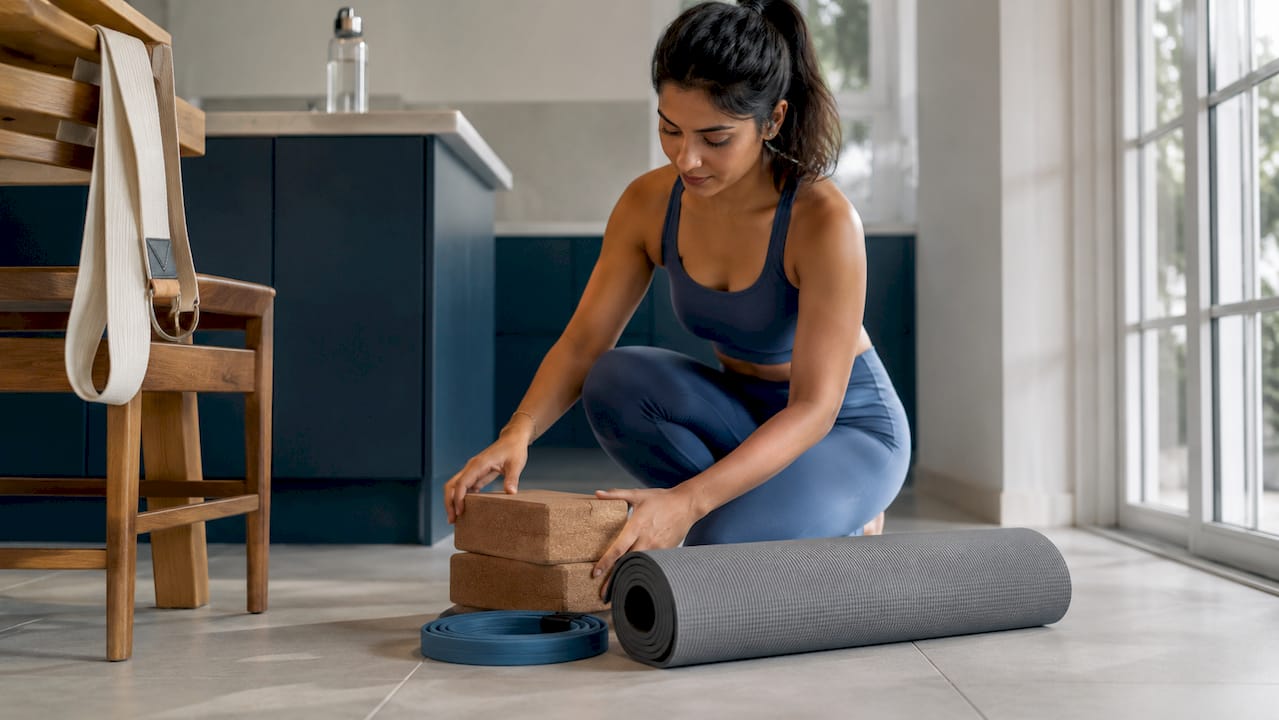
The ultimate guide to choosing the best yoga gear for your practice
Key Takeaways
Choosing the right equipment can significantly improve your practice, whether you are in a studio or on the move. Here are five core points to keep in mind when building your collection:
- Prioritize portability if you frequently practice in parks or while traveling.
- Match your mat material to your specific sweat level and grip needs.
- Incorporate props like blocks and straps to safely refine your alignment.
- Select moisture-wicking apparel that supports your range of motion.
- Establish a consistent cleaning routine to extend the lifespan of your gear.
The essentials for every yoga practice
Building a reliable set of supplies helps you stay consistent and comfortable, whether you are at home or visiting a local studio. The most important factor is creating a kit that makes showing up to your mat feel effortless and enjoyable. By focusing on quality foundational items, you remove the common barriers that often distract from your time on the mat.
Selecting the right yoga mat
A high-quality mat serves as your primary contact point, offering stability for balancing poses and comfort for seated sequences. For those who value freedom, Yune Yoga offers foldable travel mats that fit easily into a bag, ensuring you never miss a flow due to a bulky setup. Look for surfaces that offer consistent traction to prevent slipping, which builds confidence during challenging transitions.
Finding comfortable yoga clothing
Comfortable apparel allows you to move through postures without constant adjustment or restriction. Fabrics should follow your body's natural shape, providing enough stretch for deep lunges and forward folds. Prioritize materials that feel soft against the skin, as you will likely spend significant time in these garments while focusing on breath and movement.
Essential yoga props for beginners
Props are not just for beginners; they act as extensions of your body, helping you achieve better form and deepen your stretches safely. Basic items like blocks can bring the floor closer to you, especially on days when your hamstrings feel tight. Starting with a few versatile tools helps you progress through your journey with less physical strain.
Bag and storage considerations
Efficient storage is the secret to maintaining gear that lasts for years. If you commute frequently, look for specialized bags that provide designated space for your mat and accessories. Good storage prevents damage like bent corners on mats and ensures your equipment is ready the moment the urge to practice strikes.
Understanding mat materials and performance
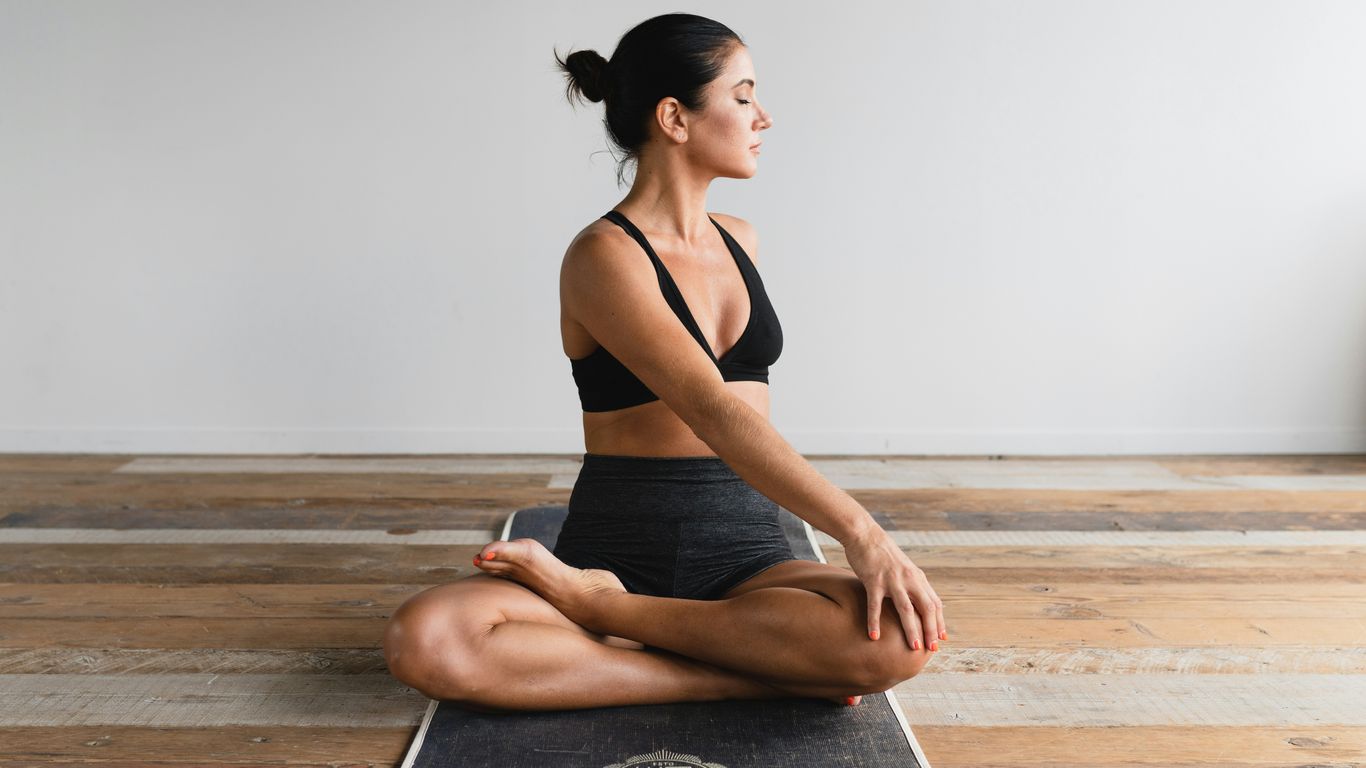
Selecting the right material is a balancing act between weight, grip, and durability. Different compositions react uniquely to sweat and temperature, so understanding these variables will help you identify what works best for your specific style of movement. A well-informed choice ensures your surface remains reliable throughout your entire session, whether you are holding poses for long periods or moving quickly between them.
Natural rubber versus polyurethane
Natural rubber mats are prized for their open-cell structure, which provides a high degree of traction even during intense sessions. Polyurethane options, on the other hand, often feature a sealed surface that feels smooth and premium while resisting moisture absorption. Both provide distinct benefits depending on whether you want maximum stickiness or a sleek, low-friction feel.
PVC and TPE options for durability
If you need a long-lasting mat that handles heavy use, PVC and TPE options are excellent, reliable choices. These materials are known for their resilience and are often lighter than rubber, making them highly portable. Many practitioners choose them for their consistent performance across different floor types, from hardwood to uneven ground.
Choosing the right mat thickness for your joints
Thickness determines how much protection you get during floor-based poses, though it often involves a trade-off with weight. You must consider your preference for feeling the ground versus cushioning your knees and hips.
| Packability Level | Mat Thickness | Primary Benefit |
|---|---|---|
| High (Travel) | 1.5mm - 2mm | Portable for transit |
| Medium (All-purpose) | 3mm - 4mm | Balanced support |
| Low (Cushioned) | 5mm+ | Maximum joint comfort |
Most people find that a 3mm mat hits the sweet spot between weight and protection, though individual needs vary based on your specific comfort requirements.
Grip and texture requirements for hot yoga
Hot yoga demands a material that does not become slippery when wet. Using absorbent yoga towels alongside a grippy mat provides secondary protection, keeping you stable as your body temperature rises. Texture also plays a role in safety, as a subtle pattern can increase surface area and prevent shifts during sweaty routines.
Essential props and their purposes
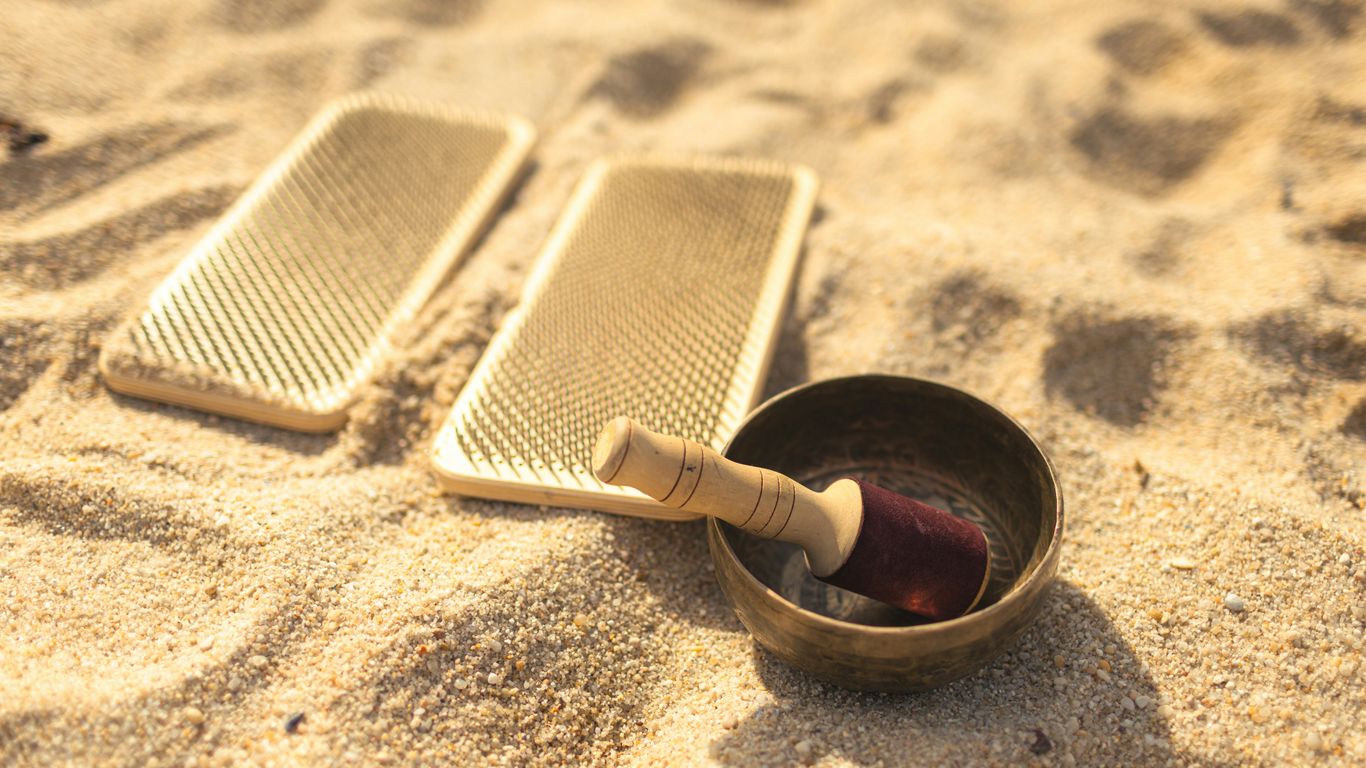
Props enhance your physical range and provide the support necessary to explore poses with perfect technique. These tools are far more than simple accessories; they are structural aids that adjust the geometry of your body to suit your current flexibility. Investing in a durable yoga strap or a set of blocks can transform a difficult pose into an accessible and rewarding part of your routine.
Using blocks for structural support
Blocks provide a stable platform to support your hands or hips when reaching for the ground feels unreachable. They allow you to maintain square hips and a long spine, ensuring you do not compromise your safety for the sake of depth. Incorporating them regularly will help you build strength in a controlled environment.
Yoga straps to improve alignment
You can use straps to bridge the gap between your hands or feet in deep stretches. These items are indispensable practice companions for:
- Extending your reach in seated forward folds.
- Maintaining engagement in reclined leg stretches.
- Binding hands during shoulder-opening poses.
- Ensuring your elbows stay aligned in core work.
Beyond simply reaching further, straps encourage the use of correct muscular activation rather than relying on momentum.
Bolsters for restorative and yin practices
Bolsters offer firm yet gentle support, allowing the body to fully release tension in slower, meditative practices. By placing a bolster under your back or legs, you encourage physical and mental relaxation. They are a foundational element of restorative sequences that focus on quiet restoration.
Blankets for cushioning and warmth
Blankets provide versatile cushioning that can be folded or rolled to match specific posture requirements. Beyond adding height to your seat, they are vital for keeping your muscles warm during shavasana. A well-placed blanket makes a world of difference before you wind down your session.
Selecting apparel for movement and comfort
Choosing the right clothes involves focusing on how fabric moves with your body during complex transitions. You want layers that stay in place and provide comfort whether you are in a deep squat or an inverted pose. Investing in high-performance yoga gear ensures you stay free from distractions and can focus entirely on the rhythm of your breathing.
Fabric moisture-wicking and breathability
Effective moisture management keeps your body temperature regulated. Look for synthetic blends that pull sweat away from the skin, preventing that heavy, clingy sensation. Breathability is just as vital, as it allows air to circulate and prevents overheating during fast-paced flows.
Determining the right fit and compression
Compression gear can provide extra support, but it should never restrict your circulation or movement. The ideal fit is snug enough to stay put during inversions but supple enough to let you move without constraint. Always test your clothing by performing basic lunges and twists before committing to a full practice in a new item.
Layering strategies for different yoga styles
Layering is essential for styles where your activity level shifts, such as moving from active poses to seated meditation. Start with a fitted base layer and add a breathable long-sleeve top that you can easily remove. This tiered approach keeps your muscles warm initially and prevents you from cooling down too quickly during the final relaxation.
Choosing the right yoga-specific footwear or socks
While yoga is typically practiced barefoot, certain environments might require specialized socks with grip. These provide stability on slippery surfaces, especially if you are practicing in a studio that does not permit your mat. They help maintain your connection to the floor without compromising the natural sensation of your feet.
Maintenance and care for your yoga gear
Proper care protocols are the best way to extend the lifespan of your investment. A small amount of attention after every session prevents odors and maintains the integrity of the materials. By following a regular schedule, you ensure your equipment stays in peak condition for every future workout.
Cleaning routines for rubber and closed-cell mats
Rubber mats require a gentle touch; wipe them down with a damp, soft cloth using only mild soap. Avoid harsh chemicals that could break down the specialized grip material. Always allow the surface to air dry completely in the shade, as direct sunlight can cause brittleness and color fading.
Laundry protocols for synthetic activewear
Synthetic clothes lose their effectiveness if washed with fabric softeners, which coat the fibers and ruin moisture-wicking abilities. Wash on a cold, delicate cycle and skip the dryer whenever possible to maintain garment elasticity. Hang-drying not only saves the fabric but also reduces your environmental footprint.
Proper storage to extend product lifespan
Storing your mat away from heat sources is crucial for keeping its shape and texture uniform. If you use a storage rack, ensure that the mat isn't hanging in a way that creates permanent creases or tension points. Keep your props organized in a cool, dry area to prevent mold or dust accumulation over time.
Signs it is time to replace your equipment
Even high-quality gear will eventually show wear and tear, such as surface flaking or a loss of essential tackiness. If your mat's grip becomes compromised and you find yourself sliding in standard poses, it is a clear indicator that your surface needs to be replaced. Prioritizing updated equipment keeps you safe from avoidable injuries.
Conclusion
Investing in reliable yoga gear is a practical step toward creating a consistent, comfortable, and enjoyable practice space wherever you go. By focusing on quality, portability, and proper maintenance, you ensure your time on the mat remains centered on your personal goals and physical well-being.
Frequently Asked Questions
Should I prioritize a thick or thin mat for my practice?
If you prefer high portability and a stable surface, a thin mat is excellent, whereas a thicker option provides more cushioning for sensitive joints during floor poses.
How often should I clean my yoga props?
It is good practice to wipe down your blocks and straps after every heavy session to prevent the buildup of sweat and dust.
Can I use regular gym clothing for yoga?
While general activewear works, specific yoga clothing offers better stretch and fit, allowing you to move through challenging positions without restriction or constant adjustment.
What makes a yoga mat non-slip?
Non-slip properties usually come from the material composition itself, often utilizing open-cell technology or specific textured patterns to improve surface friction.
Why do beginners need yoga straps?
Straps act as an extension of your own reach, allowing you to maintain correct spinal alignment and posture without forcing your body beyond its current flexibility.
How do I stop my yoga mat from sliding on the floor?
Using a mat with a textured bottom or placing it on a stable surface like carpet or a dedicated studio floor will prevent most unwanted movement during your practice.
When is the absolute best time to replace my yoga equipment?
When your mat loses its primary grip or you notice structural issues like deep cracks or fraying, it is definitely time to upgrade to ensure safety and comfort.