
The Ultimate Guide to Choosing the Best Foam Block for Your Yoga Practice
So, you're looking to get a foam block for yoga, huh? It might seem like a small thing, but picking the right one can really change how your practice feels. Whether you're just starting out and need a little help with balance, or you've been doing yoga for years and want to deepen a stretch, these blocks are super handy. Let's talk about what makes a good foam block for yoga and how to find the perfect fit for you.
Key Takeaways
- A foam block for yoga is a great tool for support, helping with balance, and making poses more accessible for all levels.
- Consider your experience level: beginners might need larger, softer blocks, while advanced yogis might prefer firmer options.
- Block size and shape matter; standard rectangles are versatile, while wedges offer specific support for flexibility and alignment.
- Firmness is key – a good block should feel supportive without being too hard or too squishy.
- Proper cleaning involves mild soap and water, and storing your block flat helps maintain its shape.
Understanding Foam Blocks For Yoga
The Benefits of Using Foam Blocks
Foam blocks are a pretty common sight in yoga studios, and for good reason. They're like little helpers that can make a big difference in your practice, no matter your level. For beginners, they can be a lifesaver, bringing the floor closer in poses where you might feel like you can't quite reach. This means you can focus more on the pose itself and less on struggling to get into it. They help you maintain proper form and avoid straining yourself. For more experienced yogis, blocks can add a new dimension to familiar poses, allowing for deeper stretches or new variations. They're also fantastic for building stability and balance, especially in poses that require you to stand on one leg or hold a challenging position.
Key Features of Foam Blocks
When you look at foam yoga blocks, you'll notice a few things that make them stand out. Most are made from EVA foam, which is a type of plastic that's both lightweight and firm. This gives you a good amount of support without feeling like you're practicing on a rock. They're usually rectangular, with common dimensions around 9 inches long, 6 inches wide, and 3 inches thick, though you can find variations. The surface is typically smooth, which is nice, and they're designed to have a bit of grip so you don't slide off easily. Because they're made of foam, they're also pretty forgiving if you accidentally drop one.
Here's a quick rundown of what to expect:
- Material: Mostly EVA foam, offering a balance of cushioning and firmness.
- Shape: Typically rectangular, but wedges and other shapes exist.
- Size: Standard sizes are common, but variations are available.
- Weight: Lightweight and easy to carry.
- Surface: Usually smooth with some grip to prevent slipping.
Foam Blocks vs. Other Materials
While foam blocks are super popular, they aren't the only option out there. You'll also find blocks made from cork or wood. Cork blocks are a bit denser and heavier than foam, which can offer a more solid feel and are often seen as a more eco-friendly choice. Wooden blocks are the firmest and heaviest, providing a very stable base, but they can be quite unforgiving and are less common for general use. Foam blocks win out for many people because they're the most affordable and the lightest, making them easy to toss in your yoga bag. They also offer a nice bit of give, which can be more comfortable for some poses compared to the hard surfaces of cork or wood.
Choosing a block material often comes down to personal preference and what you need from your practice. Foam is a great all-around choice for its accessibility and versatility.
Choosing the Right Foam Block For Your Practice
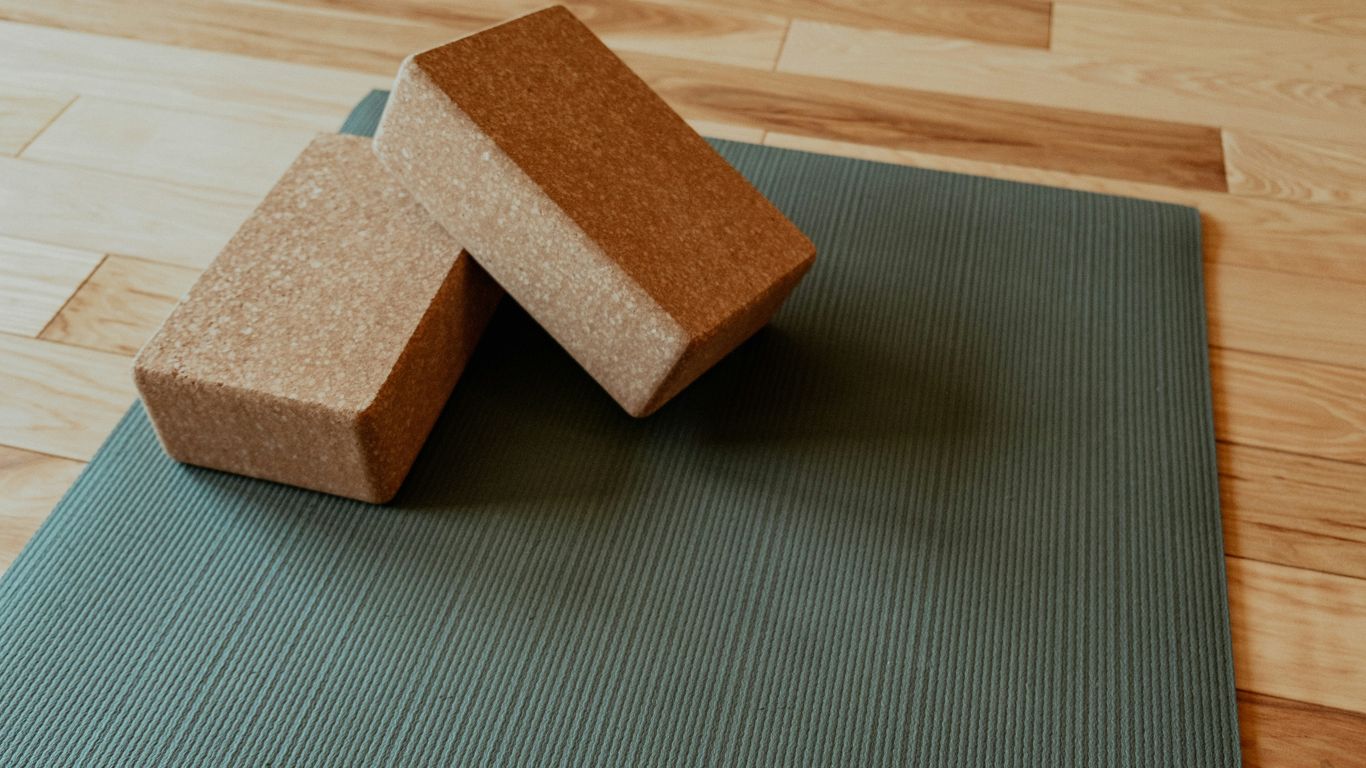
So, you've decided a foam block is going to be part of your yoga journey. That's great! But with so many options out there, how do you pick the one that's actually going to help, not just sit in the corner gathering dust? It really comes down to a few key things.
Consider Your Yoga Experience Level
If you're just starting out, you'll probably want a block that feels pretty solid and gives you a good amount of support. Think of it like training wheels for your yoga poses. A larger block, maybe around 4 inches wide, can really help you feel more stable and confident as you try new things. It's all about building that foundation without feeling wobbly.
As you get more comfortable and your body gets stronger, you might find yourself needing less support. Experienced yogis often gravitate towards smaller or lighter blocks, or sometimes even skip blocks altogether for certain poses. This is because they've developed the control and awareness to get into poses without as much assistance.
Assessing Block Size and Shape
Blocks aren't just one-size-fits-all, and neither are their shapes. The standard rectangular block is your go-to for most situations. They're usually about 9 inches long, 6 inches wide, and come in different thicknesses, typically 3 or 4 inches.
- 3-inch thick blocks: These are great for when you're getting closer to the floor in poses like forward folds or when you need a little lift in seated poses. They offer a moderate amount of support.
- 4-inch thick blocks: These provide the most height and support, making them ideal for beginners or for poses where you need to bring the floor closer to you, like in lunges or triangle pose.
Then you have wedge-shaped blocks. These are fantastic for opening up your chest or hips, or for providing a gentle incline under your feet or hands. They offer a different kind of support than a standard block.
Evaluating Firmness and Support
Foam blocks are generally made from EVA foam, which strikes a good balance between being soft enough to be comfortable and firm enough to hold your weight. You don't want a block that squishes too much when you lean on it, as that defeats the purpose of support.
When you're testing out a block, press down on it with your hand. It should feel dense and resistant, not mushy. You want something that feels reliable, like it won't give way when you need it most. This firmness is key to getting the right kind of support in your poses.
Think about what you need the block for. If it's mainly for stability in balancing poses, you'll want something quite firm. If it's more for cushioning or gentle support in restorative poses, a slightly softer foam might be okay, but still, avoid anything too squishy.
Exploring Different Types of Foam Blocks
Foam blocks aren't all just the same old rectangle, you know. While that classic shape is super common, there are actually a few variations out there designed to help you in different ways. It's good to know what your options are so you can pick the one that really fits what you're trying to do in your practice.
Standard Rectangular Foam Blocks
This is probably what you picture when someone says "yoga block." They're the workhorses, the everyday heroes of the prop world. Most of them are made from EVA foam, which is pretty lightweight and gives you a nice bit of cushioning without being too squishy. They're great for pretty much anything – giving you a little lift in a forward fold, supporting your hips in pigeon pose, or helping you find stability in balancing poses. They usually come in a few standard sizes, often around 9 inches long, 6 inches wide, and 3 or 4 inches thick. The most common sizes are:
- 9" x 6" x 4": This is your go-to for maximum support and height. Great for beginners or anyone needing a solid foundation.
- 9" x 6" x 3": A bit lower, this size is good for poses where you don't need as much lift, or for more advanced practitioners looking for a subtler assist.
These standard blocks are fantastic because they're so versatile. You can use them flat, on their side, or even on their end to get different levels of support. They're the most budget-friendly option too, which is always a plus.
Wedge-Shaped Foam Blocks
Then you've got the wedges. These look like a triangle sliced off a cylinder, or just a slanted rectangle. They're not as common as the standard blocks, but they have their own special uses. The angled surface is the key here. They're really good for:
- Deepening stretches: Placing a wedge under your hands in a forward fold can help you reach further. Or, put it under your hips in certain poses to get a more intense stretch in your groin or hamstrings.
- Wrist support: If you have sensitive wrists, a wedge can provide a gentler angle for poses that put pressure on your hands, like downward-facing dog or plank.
- Ankle comfort: In poses where your ankles are flexed, like hero pose, a wedge can give your ankles a bit of cushioning and support, making it more comfortable to hold the pose.
Specialty Foam Block Designs
Beyond the standard rectangle and the wedge, you might find some other, more unique foam block designs. These are often made to target specific needs or poses. For example, you might see:
- Curved or contoured blocks: These are shaped to fit more snugly against parts of your body, like your back or hips, offering targeted support.
- Half-moon blocks: These are essentially a standard block cut in half lengthwise, creating a thinner, curved surface that can be useful for certain stretches or for providing a specific kind of support under the feet or hands.
- Extra-large or extra-firm blocks: Some brands offer blocks that are bigger or denser than the usual ones, providing even more stability or height for practitioners who need it.
While the standard rectangular block is a great starting point, don't be afraid to explore these other shapes if you find yourself needing something a little different for your practice. Sometimes, a specific shape can make all the difference in getting into a pose comfortably and safely.
Maintaining Your Foam Block
So, you've got your trusty foam yoga block, and it's been a lifesaver in your practice, right? Whether it's helping you reach that hamstring stretch or just giving you a bit more stability in warrior pose, these things are pretty great. But like anything you use regularly, they need a little TLC to keep them in good shape.
Cleaning Your Foam Block
Keeping your block clean is pretty straightforward, honestly. You don't need fancy cleaners or anything. A simple wipe-down after each use is a good habit to get into. This helps prevent sweat and oils from building up. For a more thorough clean, just grab some mild soap and water.
Here's a quick rundown:
- Mix a little bit of gentle dish soap with warm water.
- Dampen a soft cloth with the soapy water – don't soak it.
- Gently wipe down the entire surface of the block.
- Use a separate cloth dampened with plain water to rinse off any soap residue.
- Let the block air dry completely before you use it again or put it away.
Avoid using harsh chemicals, bleach, or abrasive cleaners. They can break down the foam over time, making it less supportive and potentially damaging the surface. Think of it like washing your favorite workout clothes – gentle is usually best.
You might be tempted to scrub really hard to get out stubborn marks, but remember that foam is a bit delicate. A good wipe-down is usually enough to keep things hygienic and functional for a long time.
Proper Storage Techniques
Where you store your block matters too. You don't want to just toss it in a corner where it can get squashed or exposed to extreme temperatures.
- Keep it out of direct sunlight: Prolonged exposure can cause the foam to fade and degrade.
- Avoid extreme heat or cold: Garages or cars can get really hot or cold, which isn't ideal for foam.
- Store it flat or on its side: Try not to stack heavy things on top of it, as this can cause it to lose its shape.
A yoga bag or a shelf in a closet is usually a perfect spot. Just make sure it's dry before you tuck it away. Taking these small steps will help your foam block last for ages, continuing to support your yoga journey without missing a beat.
Integrating Foam Blocks into Your Poses
So, you've got your foam block, maybe a couple of them, and you're wondering how to actually use them in your yoga practice. It's not just about holding them; they're tools to help you get more out of every pose. Think of them as little helpers that can make tricky poses feel more doable or help you hold a stretch a bit longer.
Using Blocks for Stability and Balance
Blocks are fantastic for giving you a solid base when you're trying to find your balance. In standing poses, like Warrior III or Half Moon, placing a block under your hand can bring the floor closer. This means you don't have to strain as much to keep your balance, and you can focus on lengthening your body instead. It's like having an extra point of contact with the ground, making you feel more secure. For poses where you're sitting, a block under your hips can help level out your pelvis, especially if your hamstrings are feeling tight. This makes it easier to sit up straight and find that stability.
Enhancing Flexibility with Blocks
If you're working on getting deeper into a stretch, blocks can be your best friend. For example, in a forward fold like Paschimottanasana (Seated Forward Bend), placing blocks under your hands allows you to fold forward more deeply without rounding your back. You can gradually move the blocks closer to your feet as your flexibility improves. Similarly, in Triangle Pose, a block under your bottom hand helps you keep your chest open and lengthen your side body, allowing for a more effective stretch. It's all about bringing the pose to you, rather than forcing your body into a position it's not ready for yet. This approach helps prevent injury and builds flexibility safely.
Improving Alignment with Foam Blocks
Proper alignment is key in yoga, and blocks are great for helping you find it. They act as guides, showing you where your body should be. For instance, in poses like Bridge Pose, placing a block under your sacrum can support your lower back and allow you to relax into the pose while still getting the benefits. In poses like Cobra or Upward-Facing Dog, placing blocks under your hands can help you lift your chest higher and maintain a straight line from your wrists to your shoulders. This helps you avoid collapsing into your lower back. Using blocks correctly helps you build a better foundation for your poses, which translates to better form and greater benefits from your practice.
Blocks aren't just for beginners; experienced yogis use them all the time. They help you explore poses in new ways, find deeper expressions, or simply offer support when your body needs it on any given day. Don't think of them as a crutch, but rather as intelligent tools that support your journey on the mat.
Here's a quick look at how blocks can help in common poses:
- Forward Folds: Place hands on blocks to bring the floor closer, allowing for a longer spine.
- Triangle Pose: Use a block under the bottom hand to keep the chest open and lengthen the side body.
- Seated Poses: Sit on a block to elevate hips, making it easier to maintain an upright spine.
- Backbends: A block under the sacrum can provide support and gentle opening.
- Plank Pose: Blocks under hands can offer wrist support or create a slight incline.
Eco-Friendly Foam Block Options
More and more people are thinking about the planet when they buy their yoga gear. It's not just about how a block feels in your hand or how it helps your poses; it's also about where it came from and what happens to it later. Luckily, there are some good choices out there if you want to be a bit kinder to the Earth.
Recycled Foam Block Materials
Lots of foam blocks are made from recycled materials these days. This is a great way to give old stuff a new life. Think about it: instead of throwing away foam that's already been made, it gets repurposed into something useful for your practice. These blocks are often made from post-consumer or post-industrial foam waste. This process not only keeps waste out of landfills but also means less new material needs to be produced. You might find that recycled blocks are surprisingly light and offer good cushioning, just like their non-recycled counterparts. Plus, many companies making these blocks use non-toxic glues and dyes, which is another win for the environment and for your skin.
Biodegradable Foam Block Choices
Another way to go green is to choose blocks that can break down naturally over time. While traditional foam can stick around for ages, some newer blocks are designed to be biodegradable. This means that when they eventually reach the end of their useful life, they won't just sit in a landfill forever. They'll decompose and return to the earth. It's a bit like choosing compostable packaging – it's a thoughtful choice for the future.
When you're looking for eco-friendly options, keep an eye out for certifications or labels that indicate recycled content or biodegradability. Sometimes, the packaging will tell you if the block is made from sustainable materials. It's a small detail, but it can make a big difference in your overall impact.
Here's a quick look at what to consider:
- Recycled Content: Look for blocks that explicitly state they are made from recycled foam. This is a direct way to support waste reduction.
- Biodegradability: If available, choose blocks that are designed to break down naturally after disposal.
- Manufacturing Process: Some brands are transparent about using eco-friendly manufacturing methods, like reduced water usage or renewable energy. This information might be on their website.
- Durability: While you want eco-friendly, you also want a block that lasts. A block that needs replacing frequently, even if it's biodegradable, might not be the most sustainable choice in the long run. Look for a balance between eco-credentials and sturdiness.
Wrapping It Up
So, there you have it. Choosing the right foam block might seem like a small detail, but it really can make a difference in how you feel during your yoga practice. Whether you're just starting out and need a bit of help getting into poses, or you've been practicing for years and want to go deeper, the right block is out there. Don't be afraid to try a few different kinds to see what feels best for your body and your style of yoga. Taking care of your block means it'll be around to help you for a long time. Happy practicing!
Frequently Asked Questions
What exactly is a yoga foam block and why would I use one?
A yoga foam block is like a helpful buddy for your yoga poses. It's usually a rectangular block made of foam that gives you extra support. Think of it as a way to make poses easier to do, help you hold them longer, or reach a bit further. It's great for beginners who need a little boost or for anyone wanting to improve their balance and stretch safely.
Are foam blocks good for all types of yoga?
Foam blocks are super versatile and work well for most yoga styles. They're especially helpful for beginners and for styles like Hatha or Restorative yoga where you might need more support. While advanced yogis might sometimes choose denser materials for extra stability in tricky poses, foam blocks are a fantastic all-around choice for many practices.
How do I know what size foam block is best for me?
The size you need often depends on your experience. Beginners usually do well with standard-sized blocks (around 9x6x4 inches) because they offer good support. As you get more comfortable, you might find you need smaller blocks or different shapes for specific poses. It's often best to have two blocks so you can use them on both sides or for more challenging poses.
How should I clean my foam yoga block?
Keeping your block clean is simple! You can wipe it down with a damp cloth and a little bit of mild soap. Just make sure to rinse off any soap and let it air dry completely before you use it again. Avoid using harsh cleaning sprays because they can damage the foam.
Can foam blocks help me become more flexible?
Absolutely! Foam blocks are fantastic for helping you safely increase your flexibility. By using a block to bring the floor closer to you, or to support your body in a stretch, you can ease into poses more deeply without straining. This gradual approach helps your muscles relax and lengthen over time, leading to better flexibility.
Are there eco-friendly foam block options available?
Yes, there are! Many companies now make yoga blocks from recycled materials or use more sustainable manufacturing processes. Some blocks are even designed to be biodegradable. When you're shopping, look for descriptions that mention recycled content or eco-friendly materials if that's important to you.

