

Target yoga mat guide: How to choose the right mat for your practice
Key Takeaways
The right mat depends on how you practice, where you practice, and what your hands and knees need from the surface.
- Choose grip and thickness based on your main style of yoga.
- PVC, TPE, rubber, foam, and fabric each feel different underfoot.
- A standard 5–6mm mat is a practical starting point for many people.
- Frequent travelers should prioritize low weight, foldability, and easy cleaning.
- Regular cleaning and careful storage can extend a mat’s useful life.
Understand what to look for in a Target yoga mat
A mat should feel secure beneath your hands and feet without making movement awkward. Start by considering your usual class, the amount of space you have at home, and whether you will carry the mat often. Reviews can offer useful clues, but your own priorities matter more than a popularity ranking. For a broader look at shopping considerations, this Target yoga mat guide can be a helpful starting point.
Grip and traction
Grip is the first feature to test if your hands slide during downward dog, planks, or transitions. A textured surface can help, while a very smooth mat may feel better for slower work but become slick with sweat. Traction is not the same as stickiness, so consider whether you prefer your palms to stay planted or your movements to glide more easily.
The best choice also depends on pressure and pace. A slower practice may not demand the same surface as a fast flow, and a towel can provide another layer of absorbency when perspiration becomes the main problem.
Cushioning and joint support
Cushioning changes how your knees, wrists, hips, and spine meet the floor. A little padding can make kneeling and seated poses more comfortable, but too much softness may make balancing feel less steady. Comfort should support control, not replace it.
Try to think beyond the number printed in a listing. Density matters, too: two mats with similar thicknesses can feel quite different when you press into them. If your practice includes long floor sequences, choose a surface that cushions without feeling unstable.
Weight and portability
A mat that stays at home can be heavier and more substantial than one that travels between a studio, office, and hotel room. Check the rolled diameter as well as the listed weight, since a bulky mat can be inconvenient even when it is technically portable. Carrying straps, foldable construction, and a surface that wipes clean all add practical value.
For people who move between locations, a lighter setup may encourage more consistent practice. A used option can sometimes be affordable, but inspect it carefully for tears, peeling, and persistent odor; buyer-protection details are worth reviewing when shopping secondhand, as shown by this used yoga mat listing.
Size and stability
Most standard mats provide enough room for basic standing and seated poses, but taller practitioners or people who move widely may appreciate extra length. Width also affects comfort, especially if you practice with props or frequently roll from side to side. On a hard floor, a mat that stays flat and does not curl at the corners is usually more useful than a decorative surface that shifts.
Measure your available practice area before buying. A larger mat can feel luxurious, but it may be difficult to store in a small room or carry on public transportation.
Choose the right yoga mat material
Material affects grip, feel, weight, odor, and care. There is no universal winner, because a material that feels pleasantly firm to one person may feel harsh or slippery to another. Read the product details carefully and consider sensitivities before bringing a new mat into a small, poorly ventilated room.
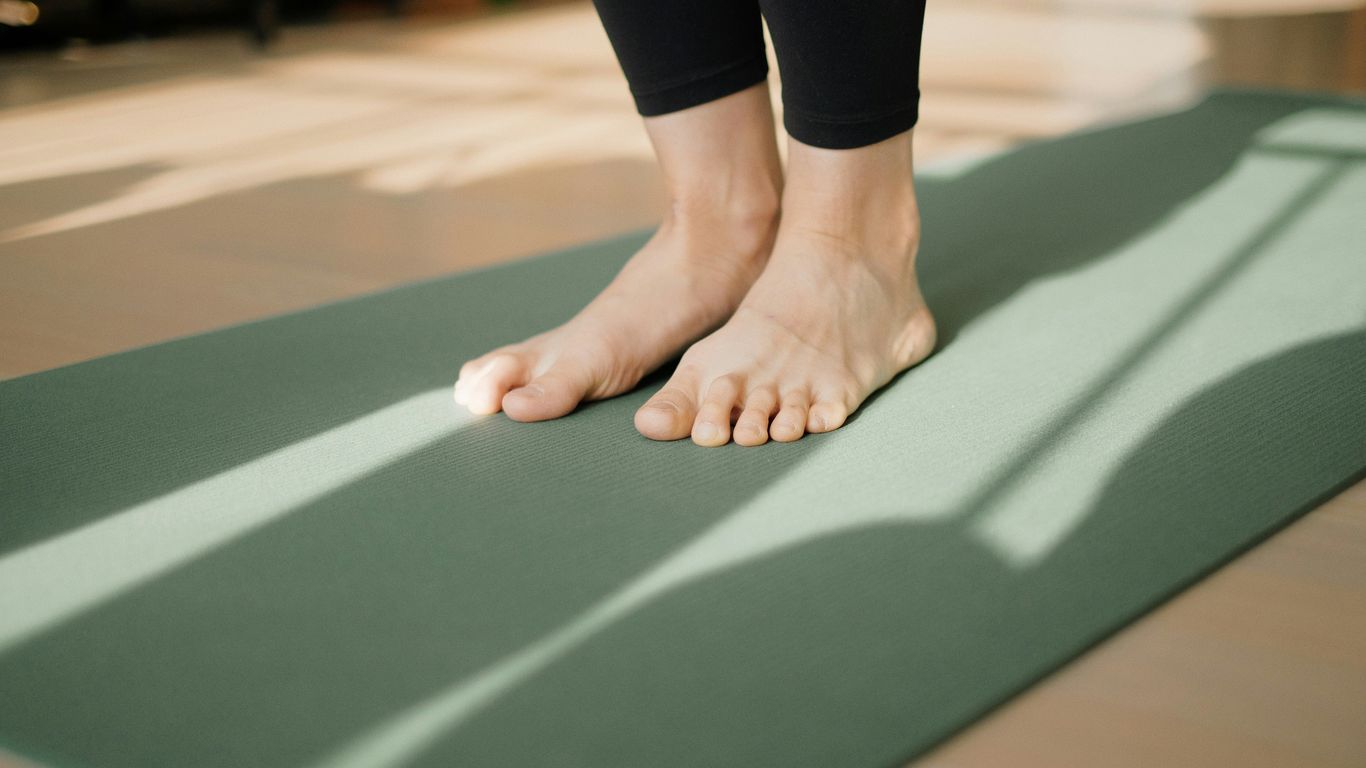
PVC mats for durability and strong grip
PVC is often chosen for its durability and dependable grip. It can feel dense and stable, which suits repeated home practice or people who do not want a mat that folds easily. The tradeoff is that PVC mats can be heavier and less aligned with shoppers seeking lower-impact material choices.
Look for a surface that is easy to wipe and inspect the edges after repeated rolling. A durable mat is only good value if its texture remains useful and it still lies flat.
TPE mats for lightweight cushioning
TPE mats are commonly valued for a lighter feel and comfortable cushioning. They may be easier to carry than dense PVC options, making them appealing for beginners who practice in more than one place. Texture varies widely, so do not assume every TPE mat will offer the same traction.
If possible, test the surface with dry hands and a little pressure. Pay attention to whether your palms stay put during a supported plank and whether the mat rebounds quickly after kneeling.
Natural rubber mats for eco-conscious shoppers
Natural rubber can provide a firm, grippy base and is often considered by people who want an alternative to conventional plastic materials. It can also have a noticeable rubber smell when new, and people with latex sensitivities should check the material statement before buying. Rubber may be heavier than a thin travel mat, so portability deserves a separate check.
Material labels are not a substitute for the full care instructions. Keep rubber away from prolonged direct sunlight and follow the manufacturer’s guidance for cleaning, since some cleaners can affect its texture.
Foam and fabric options for beginners or travel
Foam mats can be soft, light, and inexpensive, while fabric or suede-like surfaces may feel comfortable for gentle movement. These options can work well for beginners, stretching, or low-intensity floor exercises, although they may compress or shift more readily during dynamic practice. A foldable mat is especially convenient when storage space is limited.
A travel setup does not need to be elaborate. One thin mat, a small towel, and a strap may be enough for a hotel room or a patch of grass. For a mat designed around daily transport, the Yune Yoga Tofino Yoga Mat is described as 6mm thick, lightweight, non-slip, and suitable for vinyasa, hot yoga, Pilates, and restorative flows.
Match mat thickness to your yoga style
Thickness is a balance between floor connection and cushioning. Thin mats can make standing poses feel grounded, while thicker options reduce the pressure of a hard floor during kneeling or reclining work. Your body, flooring, and preferred movements should guide the decision more than a generic recommendation.
Thin mats for balance and standing poses
Thin mats keep you closer to the floor, which can make balancing poses and transitions feel more predictable. They are also easier to fold and pack. The downside is less protection for knees and hips, especially on tile, concrete, or wooden floors.
Choose a thin mat when portability and stability are your main priorities, or use it on top of a carpeted surface. If your practice includes long holds on the knees, bring a folded towel for extra support rather than dismissing discomfort.
Standard mats for everyday practice
A 5–6mm mat is a useful middle ground for many people. It can provide enough cushioning for everyday flows while remaining stable for standing work and manageable to carry. The feel still depends on density, texture, and the floor beneath it.
A 6mm option can be particularly versatile when one mat needs to cover several activities. For example, the Yune Yoga Hoth Yoga Mat is described as a 6mm mat with non-slip traction, balanced cushioning, and suitability for vinyasa, hot yoga, outdoor sessions, Pilates, and bodyweight training.
Thick mats for sensitive joints
A thicker mat can make kneeling, seated poses, and low-to-the-floor sequences more comfortable. It may also help when your practice takes place on a firm surface. However, extra height can make single-leg balance less steady and may cause your hands to sink slightly during weight-bearing poses.
If you choose more cushioning, test stability before committing. Move from a lunge to standing, hold a plank, and notice whether the mat compresses unevenly beneath your hands or feet.
Extra-thick mats for restorative yoga and floor exercises
Extra-thick mats suit restorative sessions, stretching, meditation, and exercises where you spend much of the time lying down. They can feel welcoming on a hard floor, but they are usually less compact and may not be ideal for vigorous flows. They also need enough density to avoid feeling like a soft foam pad.
For a more cushioned option, the Galatea Yoga Mat is described as 6mm extra thick, non-slip, PVC-free, travel-friendly, and suitable for practices ranging from vinyasa to meditation. Treat those stated features as a guide, then compare dimensions and weight with your own storage needs.
Find a mat for different types of yoga
The right surface changes with pace, heat, and how often you move around the mat. A sweaty practice calls for different care and traction than a quiet session with long seated holds. Think about your most common use, then choose a mat that can handle occasional variations without becoming a nuisance.
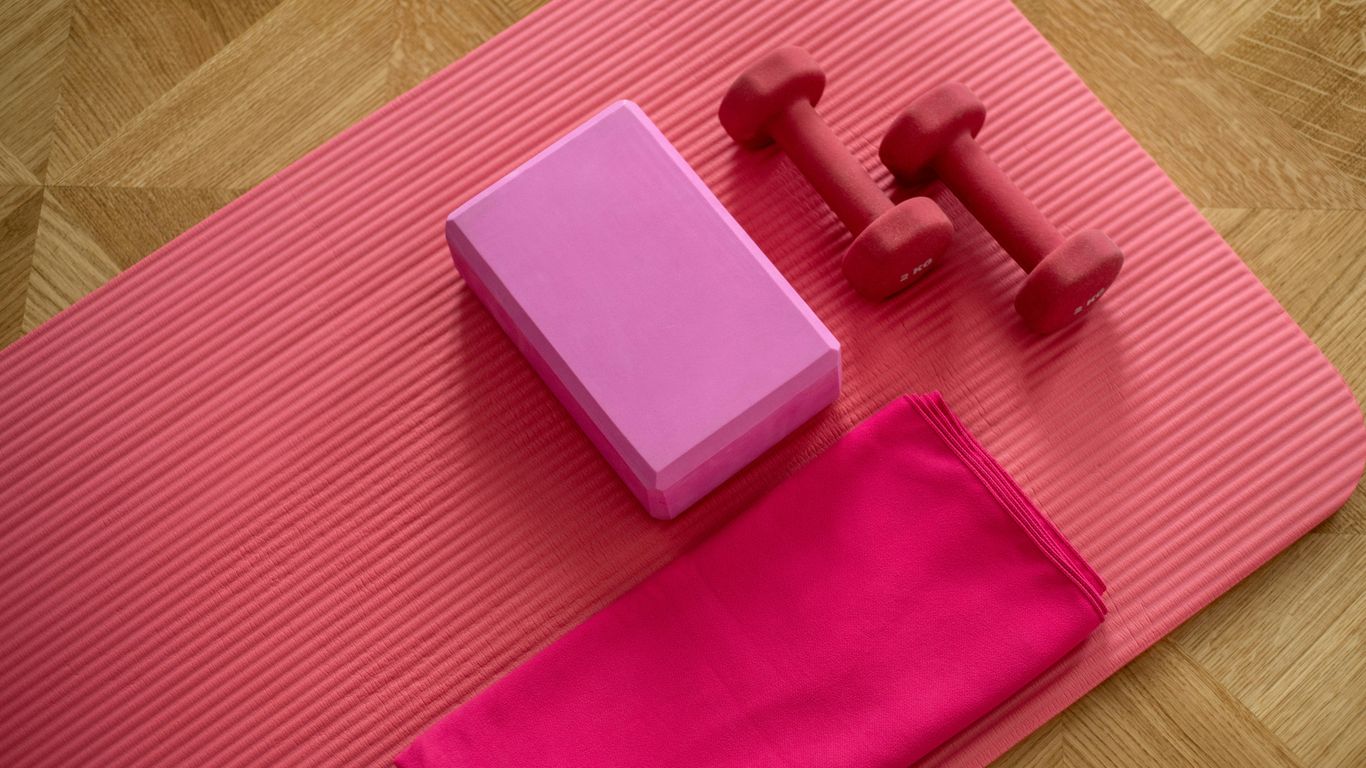
Mats for hot yoga and heavy sweating
For hot yoga, prioritize traction that remains dependable as moisture builds. A moisture-resistant surface can also make wiping down easier after class. Some practitioners prefer a yoga towel over the mat for additional absorbency, especially when their hands become slick.
Avoid assuming that a very sticky surface is automatically best. You still need to reposition your feet and hands comfortably, and a mat that traps dirt can become unpleasant if it is not cleaned regularly.
Mats for gentle and restorative yoga
Gentle and restorative sessions usually place more emphasis on comfort than rapid transitions. A moderately cushioned mat can make seated and reclined poses feel easier, while a soft blanket or bolster can provide targeted support where a mat cannot. Texture may matter less than a surface that feels pleasant against bare skin.
Choose a size that lets you relax without constantly adjusting. For slow practice, the quiet convenience of easy cleaning and simple storage may be more valuable than a highly specialized grip pattern.
Mats for Pilates and home workouts
Pilates and bodyweight workouts often involve repeated contact with the back, hips, elbows, and knees. A mat with enough cushioning and a stable underside can make floor exercises more comfortable. If you combine Pilates with yoga, seek a surface that is soft enough for controlled floor work but not so soft that standing exercises feel wobbly.
Keep the mat in a clear area and check that it does not creep across the floor during lateral movements. A towel can help with sweat, but it should not bunch beneath your feet.
Mats for travel and outdoor practice
Travel mats need to be light, compact, and easy to clean after contact with hotel floors, grass, or sand. A carrying strap is useful, but foldability may be even more important when a mat must fit into a suitcase. Outdoor practice also makes a washable or moisture-resistant surface especially convenient.
Pack the mat only when it is fully dry, and shake away grit before rolling it. A portable choice should make spontaneous practice easier, not add another awkward item to your luggage.
Compare Target yoga mat features and prices
Price is only one part of value. A low-cost mat may be perfectly suitable for occasional stretching, while a frequent practitioner may save money by choosing better durability and easier care. Compare the complete package: material, dimensions, thickness, grip, portability, and included accessories.
Budget-friendly mats for beginners
Beginners often benefit from a straightforward mat rather than a long list of extras. Look for a comfortable standard thickness, a surface that does not slide on your floor, and dimensions that fit your practice area. If you are still learning what you like, a modest purchase can leave room to refine your preferences later.
Do not overlook return policies and product reviews. Comments about curling edges, fading, odor, or loss of grip can reveal practical issues that a short product description will not.
Mid-range mats with improved durability
A mid-range mat may offer a more durable surface, better density, or a finish that is easier to wipe clean. These details matter when you practice several times a week or carry the mat regularly. They can also reduce the temptation to replace a mat simply because it has become uncomfortable or difficult to maintain.
Check the warranty or care guidance where available. Durability is easier to judge when the product description explains how the mat is constructed and cleaned.
Premium features worth paying for
Premium pricing makes sense when it solves a problem you actually have. You might pay more for a larger surface, reliable traction during sweaty sessions, foldable construction, or cushioning that feels noticeably better on your joints. A stylish print alone may be worth it for some shoppers, but it should not distract from grip and stability.
Make a short list before comparing options:
- The practice style you do most often.
- The amount of cushioning you genuinely need.
- Whether the mat must fit in a suitcase or small closet.
- How frequently you are willing to clean and maintain it.
That list turns a vague search into a practical comparison. It also helps prevent paying for features that will rarely affect your practice.
How size, material, and accessories affect value
A wider or longer mat can improve comfort, but it may cost more and take up extra storage space. Material affects weight and feel, while accessories such as straps and towels can make a modest mat more useful. Consider the full setup rather than judging the mat in isolation.
If you are comparing choices systematically, a simple decision framework can help organize tradeoffs; the Matriz BASICO approach is one example of a structured way to weigh benefits, safety, integration, costs, and organization. The framework is not yoga-specific, but the habit of comparing clear criteria is useful here.
Evaluate comfort, safety, and sustainability
A mat should feel appropriate for your body and your environment. Read labels for latex, phthalates, recycled content, and cleaning restrictions, particularly if you have sensitivities. Sustainability is worth considering, but it should sit alongside traction, longevity, and safe use rather than replacing them.
Latex and material sensitivities
Natural rubber may contain latex, so shoppers with allergies or sensitivities should verify the material before purchasing. Some synthetic mats are latex-free, but terminology varies, and the product label is the best source. Consider whether you need a surface that can be wiped frequently without harsh cleaners.
For example, the Yune Yoga CU29 Yoga Mat is described as a non-slip, cushioned mat with a textured surface, balanced cushioning, and easy-clean care. Those details are useful to compare against your needs, especially if you want one mat for yoga and bodyweight training.
Odor and off-gassing considerations
A new mat may have a noticeable smell, particularly when made from rubber or synthetic foam. Let it air out in a ventilated space before using it for a long session, and follow the care instructions instead of applying strong household chemicals. If the odor remains intense or causes irritation, stop using the mat and investigate the material information.
A mild initial smell is different from a persistent problem. Store the mat unrolled or loosely rolled while it airs, away from direct heat and sunlight.
Slip resistance and injury prevention
A grippy mat can reduce unwanted movement, but no mat can prevent every slip or injury. Use controlled transitions, keep your practice area clear, and modify movements when fatigue affects your footing. Wipe moisture from your hands or use an absorbent towel rather than forcing a pose on a wet surface.
The surface should support steady movement without making it difficult to adjust alignment. If a mat repeatedly shifts, curls, or bunches, replace it or use it only on a more suitable floor.
Recycled and responsibly sourced materials
Look for specific information rather than broad green language. Recycled content, PVC-free construction, low-waste printing, and durable design can all be relevant, but the product should explain what those terms mean. A mat that lasts longer may also reduce replacement waste, even if its material is not marketed as fully sustainable.
Balance environmental preferences with realistic care. A product that cannot tolerate your practice conditions may need frequent replacement, which undermines the value of an otherwise appealing material choice.
Maintain your yoga mat for long-term use
Care is uncomplicated when it becomes part of the routine. Wipe the mat after sweaty sessions, let it dry fully, and store it where air can circulate. Cleaning instructions vary by material, so keep the manufacturer’s guidance nearby rather than relying on a strong all-purpose cleaner.
How to clean a yoga mat after practice
Start by removing grit, hair, and loose debris with a dry cloth. Then use the recommended cleaner or a small amount of mild soap diluted in water, applying it with a soft cloth rather than soaking the mat. Wipe away residue and allow the surface to dry completely before rolling it.
Clean more often after hot yoga or outdoor practice. If you are building a complete setup, a recording session checklist offers an unlikely but useful reminder about preparation: having the right materials ready beforehand makes recurring routines easier to follow.
How to dry and store it properly
Never roll a damp mat tightly for long-term storage. Hang it or lay it flat until both sides are dry, then roll it with the practice surface facing outward if the care instructions recommend that approach. Keep it away from radiators, hot car interiors, and prolonged direct sunlight.
A strap can keep the roll secure, but do not cinch it so tightly that it permanently compresses the edges. For small homes, vertical storage in a cool, dry closet is often simple and effective.
When to replace a worn-out mat
Replace a mat when the surface becomes slick, the material flakes, or the underside no longer stays in place. Deep creases, stretching, and persistent odor are also signs that cleaning may no longer solve the problem. If you find yourself changing poses to avoid worn areas, the mat is no longer serving its purpose.
Keep an eye on high-contact zones under the hands and feet. Wear usually appears there first, even when the rest of the mat still looks presentable.
Accessories that improve care and convenience
A yoga towel can absorb sweat, while a strap makes carrying and storing a rolled mat easier. A small cleaning cloth and a ventilated storage spot are equally practical. Choose accessories that reduce friction in your routine rather than collecting equipment you will not use.
For travelers, a compact combination of mat, towel, and strap can cover most situations. If you like to study product information before buying, consider whether reading or listening helps you retain details; the same principle applies to remembering care instructions and material warnings.
Conclusion
The best Target yoga mat is the one that matches your practice, floor, body, and routine without creating extra hassle. Compare grip, thickness, material, size, and care requirements, then give portability the attention it deserves if you practice away from home. A thoughtful choice, followed by simple maintenance, can provide a steadier and more comfortable foundation for everyday movement.
Frequently Asked Questions
What thickness is best for a yoga mat?
A 5–6mm mat is a practical starting point for many people because it balances cushioning and stability. Choose thinner for portability and balance work, or thicker for more floor comfort.
Is a thicker yoga mat better for sensitive knees?
A thicker mat can reduce pressure during kneeling and floor exercises, but too much softness may affect balance. Density and stability matter as much as the thickness number.
Which yoga mat material has the best grip?
Grip varies by texture, finish, and moisture, so no single material is best for everyone. Test how the surface feels with your hands and feet, particularly if you practice dynamically or sweat heavily.
How often should a yoga mat be cleaned?
Wipe it after sweaty or outdoor sessions and clean it more thoroughly as needed. Always let it dry fully before rolling and follow the care instructions for its material.
Can I use a yoga mat for Pilates?
Yes. Choose a mat with enough cushioning for your back, hips, and elbows, plus an underside that remains stable during floor exercises.
Are natural rubber yoga mats suitable for everyone?
Natural rubber may contain latex, so people with latex sensitivities should check the product information carefully. It can also have a noticeable smell when new and may require thoughtful storage.
What should I look for in a travel yoga mat?
Prioritize light weight, compact or foldable construction, easy cleaning, and enough grip for your usual practice. A carrying strap or towel can make the setup more convenient without adding much bulk.

