

Start Your Day Right: 10 Minutes of Yoga With Adriene
Mornings can feel like a whirlwind, can't they? Between the alarm clock's insistent buzz and the rush to get going, finding a quiet moment for yourself often seems like a luxury. But what if a few minutes of intentional movement could actually set a better tone for your entire day? That's where yoga with Adriene morning 10 minutes comes in. Her approach is all about making yoga feel accessible, not intimidating. It’s less about achieving perfect poses and more about connecting with your own body and breath.
Key Takeaways
- Yoga with Adriene offers easy-to-follow practices for anyone, making it simple to begin.
- Doing yoga for a short time each day can help your body and mind feel clearer.
- Adriene's style encourages you to listen to your body and accept yourself as you are.
- Having a quiet spot for your practice can help you get more out of it.
- Even a 10-minute yoga session can really boost your mood and energy levels.
1. Yoga Mat
Alright, let's talk about the most important piece of gear for your 10-minute yoga session: the mat. This isn't just some random piece of foam; it's your personal space, your anchor for the practice. Choosing the right mat can make a surprising difference in how comfortable and stable you feel.
When you're just starting out, or even if you've been practicing for a while, the mat is where it all happens. You don't need anything super fancy, but a few things are worth considering. First off, make sure it's clean and lies flat on the floor. A mat that bunches up or slides around is just going to be a distraction, and we're trying to avoid those.
Think about the thickness. A standard mat is usually around 1/4 inch thick, which is a good balance for cushioning and stability. If you have sensitive knees or joints, you might want to look for something a bit thicker, maybe 1/2 inch. But be careful, too thick and you might feel a bit wobbly in balancing poses.
Here are a few things to check for:
- Grip: This is huge. You want a mat that gives you traction so you don't slip, especially when you start to sweat a little. Look for mats made of materials like natural rubber or TPE, which tend to offer good grip.
- Comfort: Does it feel good under your hands and feet? It should provide enough padding without being too squishy.
- Durability: You want a mat that will hold up over time, especially if you plan on using it regularly.
Setting up your mat in a clear, quiet spot is half the battle. It signals to your brain that it's time to focus inward and disconnect from the outside world, even if just for a few minutes. This dedicated space helps you find calm and observe your body and mind.
Don't forget that your mat is your foundation. It's where you'll connect with your breath and your body. So, take a moment to appreciate it and make sure it's ready for you each day. It's a simple tool, but it's pretty key to getting the most out of your yoga practice.
2. Yoga Block
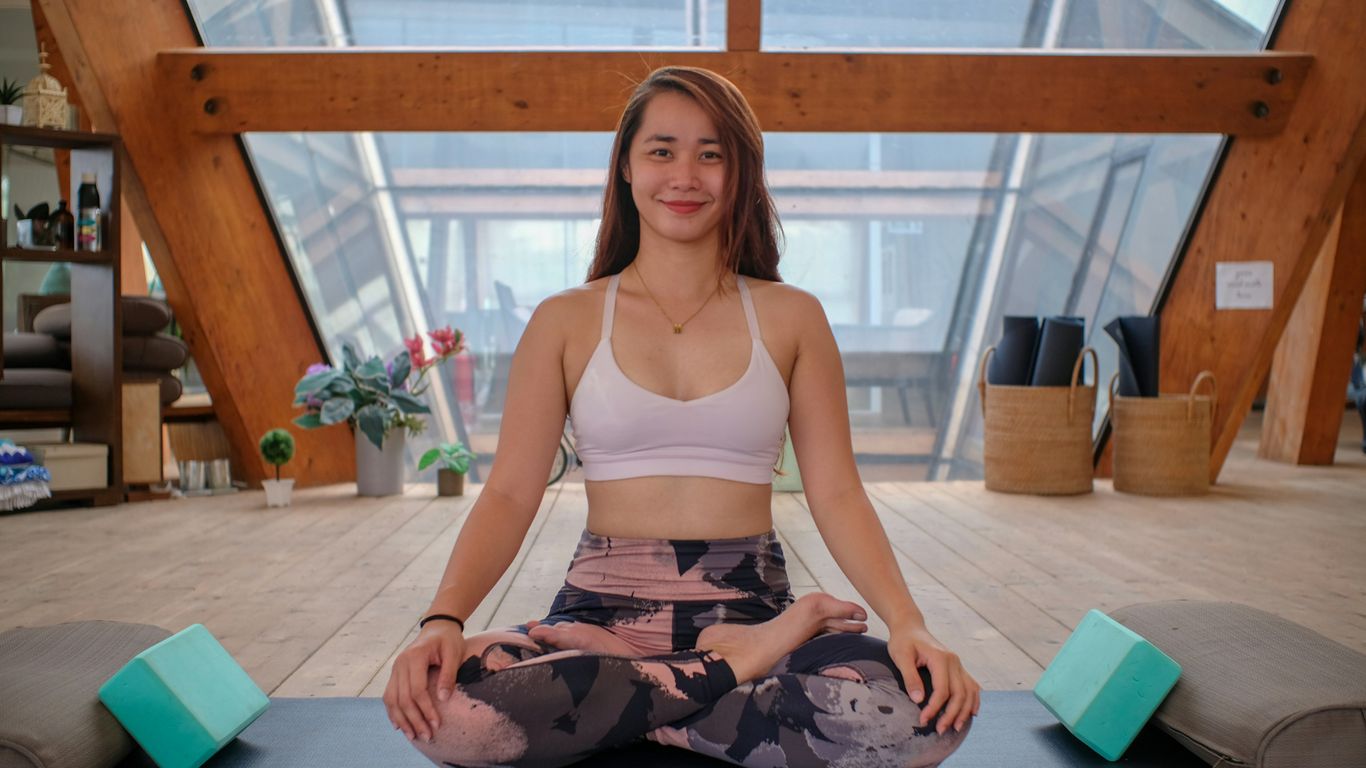
Okay, so you've got your mat, but what about a yoga block? These aren't just fancy bricks; they're super helpful tools, especially when you're starting out or just need a little extra support. Think of them as extensions of your body, helping you get into poses more comfortably and safely. They make yoga accessible to everyone, no matter your flexibility level.
Yoga blocks can be used in a bunch of ways. For instance, if you're doing a forward fold and can't quite reach the floor, placing a block under your hands gives you that extra height. It helps you maintain a straight spine instead of rounding it, which is way better for your back. Or, in a seated pose, you can sit on a block to tilt your pelvis forward, making it easier to sit up tall. They're also great for balancing poses, giving you a stable point to rest your hand on.
Here are a few common uses:
- Support in Standing Poses: Place a block under your hand in triangle pose or half moon pose to bring the floor closer.
- Seated Comfort: Sit on a block to elevate your hips, making seated poses like easy pose more comfortable.
- Backbends: Use blocks behind your back for gentle support in poses like bridge or supported fish.
Blocks are fantastic for modifying poses. Adriene always talks about listening to your body, and blocks are a great way to do that. They allow you to find the right alignment and sensation for your body on any given day. Don't feel like you need them, but know they're there to help you explore the poses more fully.
When you're picking out blocks, you'll usually see them made of foam, cork, or wood. Foam blocks are the lightest and most affordable, making them a good choice for beginners. Cork and wood blocks are denser and offer more stability, but they're also heavier and cost a bit more. For a 10-minute practice, any of these will do the job just fine. You can find yoga props like blocks at most sporting goods stores or online.
3. Yoga Strap
A yoga strap might seem like a simple accessory, but it's a game-changer, especially when you're just starting out or trying to get a little deeper into a pose. It's basically an extension of your reach, helping you connect with your body in new ways.
Think of it like this: some poses require a certain flexibility or length that you might not have yet. Instead of straining or skipping the pose altogether, a strap lets you modify it. For instance, in a forward fold, if you can't quite touch your toes, looping a strap around your feet gives you something to hold onto, allowing you to maintain good form without compromising your back. It's also super helpful for binding poses or getting a gentle stretch in your shoulders and hamstrings.
Here's how a strap can really help:
- Deepen Stretches: It allows you to hold stretches for longer and with more control, which can be really beneficial for flexibility.
- Improve Alignment: By helping you maintain proper form, it prevents you from compensating with other parts of your body.
- Increase Accessibility: Poses that might feel out of reach become more manageable, making yoga more welcoming.
Don't feel like you need a fancy one. A simple, sturdy strap is all you need to start exploring its benefits. You can find them pretty much anywhere that sells yoga gear.
Using a strap isn't a sign of weakness; it's a smart tool for mindful practice. It allows you to work with your body's current limitations and gradually build strength and flexibility safely.
4. Meditation Cushion
While a yoga mat is your primary surface, sometimes you need a little extra support, especially for seated poses or during meditation. That's where a meditation cushion, or zafu, comes in handy. It's not just about comfort; it's about alignment. Sitting on a cushion helps tilt your pelvis forward, which naturally straightens your spine. This makes it way easier to hold poses like Sukhasana (Easy Pose) or Padmasana (Lotus Pose) without your back rounding or your hips screaming in protest.
Think about it: if you're constantly fidgeting or feeling discomfort in your hips and knees, your mind is going to wander. A good cushion can help you settle in and stay present. It's a simple tool that can really change how you experience seated yoga and meditation. It helps you find that sweet spot where you can relax without slumping. It's all about making your practice more sustainable and enjoyable, allowing you to really connect with your breath and body. This mindful approach can be a game-changer for your overall well-being.
- Promotes better posture: Tilts the pelvis to align the spine.
- Reduces pressure: Eases strain on hips, knees, and ankles.
- Increases comfort: Allows for longer, more focused seated sessions.
You don't need the fanciest cushion out there. Even a firm pillow or a folded blanket can work in a pinch. The goal is to find something that gives you a stable, comfortable seat, allowing you to focus on your breath and the practice itself, rather than on physical discomfort. It's about creating a supportive environment for your body and mind to settle. Find your comfort and let your practice flow.
5. Essential Oil Diffuser
You know, sometimes just the smell of something nice can really change your whole mood. That's where an essential oil diffuser comes in handy for your 10-minute yoga session. It's not about making your space smell like a fancy spa, but more about using scents to help you relax or focus. Think of it as a little extra something to help you get into the zone.
A good scent can really help set the tone for your practice.
There are tons of different oils out there, and they all do slightly different things. Some are supposed to be calming, like lavender, which is pretty popular. Others are meant to wake you up a bit, like peppermint or citrus oils. And some are just nice and grounding, like sandalwood.
Here are a few ideas:
- For Calm: Lavender, Chamomile, Bergamot
- For Energy: Peppermint, Lemon, Orange
- For Focus: Rosemary, Eucalyptus
It's really just about experimenting to see what you like. You don't need a super expensive diffuser either; there are plenty of simple ones that do the job. Just make sure you're using pure essential oils and not just fragrance oils, as those won't have the same effect. And always follow the instructions for your diffuser – you don't want to overdo it with the oil.
Using a diffuser is a simple way to add another layer to your practice. It helps create a more immersive experience, making it easier to leave the day's worries behind and just be present on your mat for those few minutes. It's a small detail that can make a noticeable difference in how you feel during and after your yoga.
6. Alarm Clock
Okay, so you've got your mat, maybe some comfy clothes, and you're ready to roll out of bed and onto the mat. But how do you actually get yourself out of bed? That's where the trusty alarm clock comes in. It's not just about waking up; it's about waking up with intention. Choosing the right alarm sound can make a huge difference in how you feel when you first open your eyes.
Forget those jarring, sudden noises that make you jump and feel stressed before you've even had a sip of water. Think about something gentler, maybe a soft chime or even a nature sound. Some apps even let you set a gradual wake-up light, which mimics the sunrise and can be a much kinder way to transition from sleep to wakefulness.
Here are a few things to consider:
- Sound Type: Opt for sounds that are pleasant and gradually increase in volume. Avoid anything that feels aggressive.
- Volume: Start low and let it build. You want to be woken up, not startled.
- Placement: Don't put your alarm across the room unless you absolutely need the extra motivation to get out of bed. For a gentle wake-up, having it within reach is usually best.
The goal isn't to be jolted awake, but to be gently invited into the day. Think of your alarm as the first step in your morning ritual, a signal that it's time to greet the day with calm energy, not panic.
7. Water Bottle
Staying hydrated is pretty important, especially when you're moving your body. You don't want to be halfway through a sun salutation and suddenly feel parched, right? Having a water bottle nearby means you can take a sip whenever you need it, without having to break your flow or your focus. It's a simple thing, but it makes a difference in keeping you comfortable and present during your practice.
Think about what kind of bottle works best for you. Do you prefer something insulated to keep your water cool, or is a basic reusable bottle fine? Maybe you like a bottle with a straw for easy sipping, or perhaps one with a wide mouth for adding ice. Whatever it is, just make sure it's within easy reach of your mat. It's a small step that helps remove any little excuses you might have for stopping.
Here are a few things to consider when picking your hydration companion:
- Material: Stainless steel, glass, or BPA-free plastic are common choices. Each has its pros and cons regarding durability, weight, and temperature retention.
- Size: A smaller bottle might be lighter and take up less space, while a larger one means fewer refills. For a 10-minute practice, a 16-24 ounce bottle is usually plenty.
- Lid Type: Screw-top, flip-top, or straw lids all offer different levels of convenience and leak-proof security.
Keeping a water bottle handy is part of setting up your practice space for success. It's about minimizing distractions and making it as easy as possible to just get on your mat and move. Don't underestimate the power of having what you need right there.
So, grab your favorite bottle, fill it up, and place it where you can easily reach it. It's a small but mighty addition to your 10-minute yoga routine.
8. Cozy Blanket
While not strictly a yoga prop, having a cozy blanket nearby can really make your 10-minute practice feel more complete, especially during the final relaxation pose, Savasana. It's not about needing a fancy throw; it's about adding a little extra comfort to your personal space. Think of it as a gentle hug after you've put in the work on the mat.
This simple addition can transform your practice from just movement into a truly restorative experience.
Why a blanket? Well, even in a warm room, your body temperature can drop a bit when you're still. A light blanket can prevent that slight chill from pulling you out of your relaxed state. Plus, it just feels nice, right? It adds a layer of security and warmth that can help you sink deeper into relaxation.
- For Savasana: Drape it over yourself during the final resting pose to stay warm and comfortable.
- For Padding: Fold it and place it under your knees or hips if you need a bit of extra cushioning during certain poses.
- For Comfort: Simply having it within reach can create a sense of coziness and encourage you to settle in.
Don't overthink it. Any blanket you have that feels soft and inviting will do. The goal is simply to add a touch more comfort to your dedicated practice time, making it easier to unwind and absorb the benefits of your yoga session.
9. Phone Stand
Okay, so you're ready to roll out your mat for that 10-minute yoga session with Adriene. You've got your mat, maybe a water bottle, and you're all set to press play. But wait, where's your phone going to go? Sticking it on the floor might work, but it's easy to kick or accidentally step on. Plus, you might have to crane your neck to see the screen, which isn't exactly ideal for a relaxing practice.
A simple phone stand can make a surprising difference in your setup. It keeps your phone at a good viewing angle, preventing neck strain and making it easier to follow along with Adriene's cues. It also helps keep your phone out of the way, reducing the temptation to check notifications that might pop up. Think of it as a small piece of equipment that helps create a more focused and comfortable yoga space.
Here are a few reasons why a phone stand is a good idea:
- Better Viewing Angle: Positions your phone so you can see the screen clearly without straining your neck.
- Reduced Distractions: Keeps your phone stable and slightly out of immediate reach, minimizing the urge to interact with it.
- Protects Your Phone: Prevents accidental kicks or drops that could happen if it's just lying on the floor.
- Creates a Dedicated Space: Helps define your practice area, making it feel more intentional.
You don't need anything fancy. A basic stand that's stable and holds your phone securely is all you need. Some are adjustable, which is nice if you want to change the angle. Others are super simple, just a little wedge. Whatever you choose, make sure it's sturdy enough not to tip over easily.
10. Non-Slip Towel
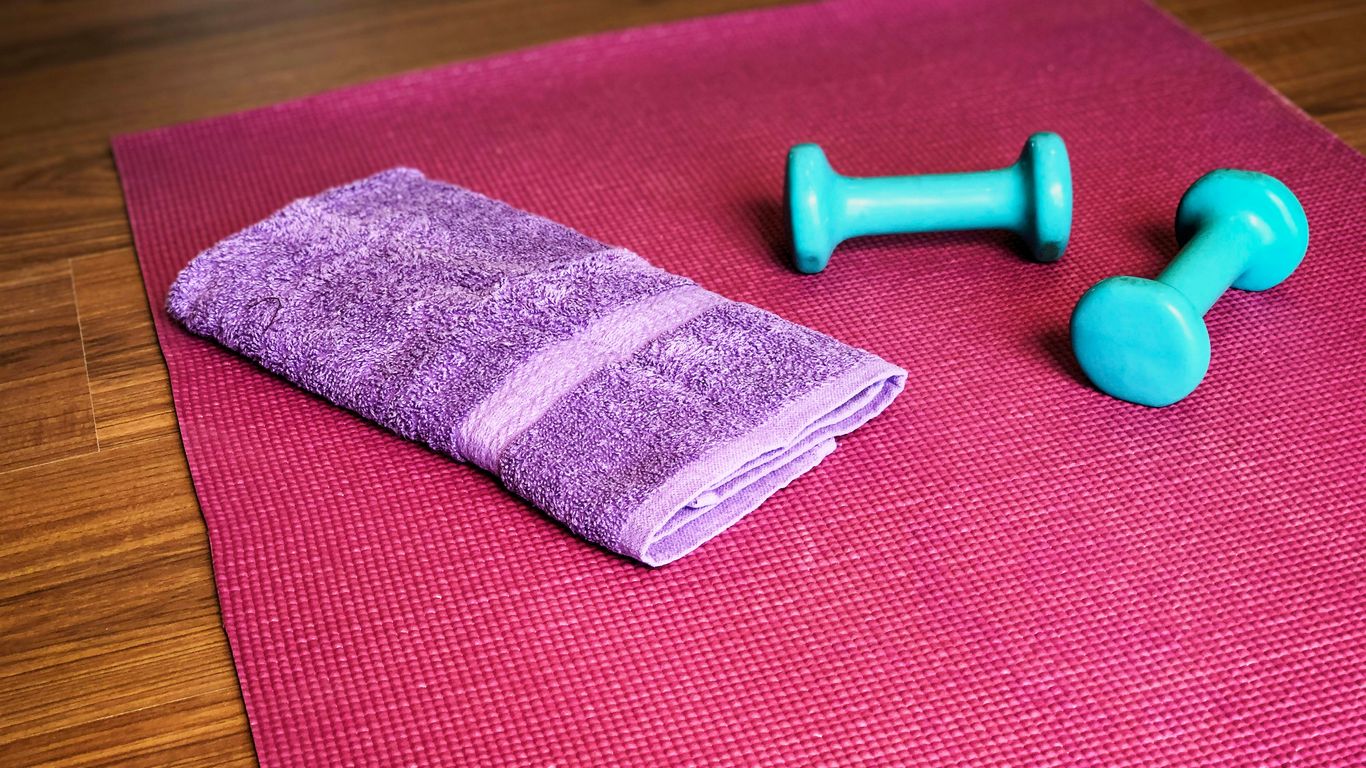
Okay, so you've got your mat, maybe a block or strap if you're feeling fancy, but what about when things get a little... sweaty? Especially if you're doing a more active 10-minute flow, or if your living room is a bit warmer than you'd like, your hands and feet might start to slide. That's where a non-slip towel comes in handy.
This simple addition can make a big difference in your stability and confidence on the mat. It's not strictly necessary for every single practice, but for those times when you need a little extra grip, it's a lifesaver. Think of it as a little insurance policy against slipping and sliding.
Here's why you might want one:
- Enhanced Grip: It provides a grippy surface for your hands and feet, especially when you start to sweat. This means you can hold poses longer and with more security.
- Mat Protection: It can help keep your yoga mat cleaner, absorbing sweat and preventing it from soaking directly into the mat. This is especially useful if you have a mat that's a bit harder to clean.
- Comfort: Some towels add a bit of cushioning, which can be nice for poses that put pressure on your knees or wrists.
When choosing a towel, look for something that's specifically designed for yoga. They're usually made of microfiber or a similar material that absorbs moisture well and stays put. You don't need anything huge; a standard bath towel size or a dedicated yoga towel works great. Just lay it over your mat, and you're good to go.
Sometimes the simplest things make the biggest impact. Don't overthink it; just find what works for you to feel secure and comfortable during your practice. A little bit of extra grip can really help you stay present and focused on your breath, rather than worrying about slipping.
Ready to Roll Out Your Mat?
So, that's the rundown on getting your day started with a little movement and calm, thanks to Adriene. It really doesn't take much time, maybe just 10 or 15 minutes, but it can make a surprising difference. You don't need to be a pro or have all the fancy gear. Just find a little space, take a breath, and see how you feel. It’s all about finding what works for you, and honestly, it’s a pretty great way to set a positive tone for whatever the day throws your way. Give it a try – your body and mind will probably thank you for it.
Frequently Asked Questions
What exactly is 'Yoga with Adriene'?
Yoga with Adriene is a super popular online place where Adriene Mishler teaches yoga. She has tons of free videos for everyone, no matter if you're new to yoga or have been doing it for a while. Her style is really friendly and makes you feel like it's okay to just do what feels good for your body.
Why is doing yoga in the morning a good idea?
Starting your day with yoga, even for just 10 minutes, can be awesome! It helps wake up your body and your brain, making you feel more alert and ready for whatever the day brings. It's a great way to chill out, feel happier, and get centered before things get busy.
Do I need special stuff to do a 10-minute yoga session?
Nope, not at all! You really don't need anything fancy. A yoga mat is nice for cushioning and grip, but you can totally do it on a carpet or even a rug. The most important thing is just showing up and moving your body.
What if I'm not flexible enough for yoga?
That's the cool thing about yoga, especially with Adriene! Her main idea is to do what feels good for *your* body. She always says it's okay to bend poses, use things like pillows for support, or skip a pose if it doesn't feel right. It's not about being perfect; it's about moving in a way that feels safe and good for you.
How can I make doing yoga in the morning a regular thing?
The trick is to start small and stick with it. Try aiming for just 5 or 10 minutes each day. Don't beat yourself up if you miss a day; just get back on your mat the next. Finding a time that works, like waking up a few minutes earlier or doing it right after you get out of bed, can help make it a normal part of your day.
What's the main point of doing yoga for a short time?
Even a quick 10-minute yoga session can make a big difference! It helps you feel more focused, less stressed, and more energized. It's like giving your mind and body a little 'hello' before the day gets crazy, helping you feel more balanced and ready to handle anything.


