

Unlock Your Well-being: Exploring the Profound Benefits of Yoga
Life can feel like a constant whirlwind, right? Between work, family, and just trying to keep up, it's easy to feel overwhelmed. Yoga offers a really effective way to hit the pause button and find some calm. It's not just about stretching and holding poses, though that's part of it. The real magic happens when you combine the physical movements with focused breathing and a bit of quiet reflection. This combination helps your nervous system switch gears from that 'fight or flight' mode we often get stuck in, to a more relaxed state. Think of it like gently guiding your body and mind back to a place of peace. Let’s look at what this practice can really do for you.
Key Takeaways
- Yoga helps you become more aware of your body and how to move it better, which can make everyday life feel easier.
- Regular practice builds strength and stamina, not just in big muscles but the small ones too, making your body more capable.
- It's not just about physical strength; yoga sharpens your mind, helping you focus and clear out distracting thoughts.
- The practice can boost your energy levels by improving circulation and reducing mental fatigue, making you feel more alive.
- Yoga offers a path to personal growth, helping you understand yourself better and build resilience to handle life's ups and downs.
Enhancing Physical Health Through Yoga
Yoga is way more than just stretching; it's a full-body workout that really pays attention to how your body works. When you get into the poses, you're not just moving, you're learning to control your muscles and understand your limits. It’s a practice that builds you up from the inside out.
Improving Flexibility and Strength
Think about holding a pose like Warrior II. You're not just standing there; you're actively engaging your legs, core, and arms. This builds strength in muscles you might not even know you have. Over time, these poses help lengthen your muscles, making you more flexible. It’s not about being able to do a split overnight, but about gradually increasing your range of motion. This makes everyday movements feel easier and less stiff.
- Builds lean muscle mass: Holding poses requires sustained effort, toning muscles throughout the body.
- Increases joint mobility: Gentle movements in yoga help lubricate joints, reducing stiffness.
- Improves balance: Many poses challenge your stability, which strengthens the small muscles that help you stay upright.
Promoting Better Posture and Alignment
We spend so much time hunched over desks or phones, and yoga is a great way to counteract that. Poses like the Mountain Pose or Cobra Pose encourage you to stand or lie tall, drawing your shoulders back and lengthening your spine. You start to feel where your body is in space, and that awareness helps you correct yourself throughout the day. Good posture isn't just about looking confident; it can actually reduce strain on your back and neck.
Reducing Risk of Injuries
When you practice yoga regularly, you become more aware of how your body moves. This means you're less likely to twist awkwardly or overextend yourself, whether you're on the yoga mat or just walking down the street. Yoga also strengthens the muscles that support your joints, like your knees and ankles. This added support can make a big difference in preventing common injuries. It’s like giving your body a built-in protective layer.
Yoga teaches you to listen to your body's signals. You learn to recognize when you're pushing too hard and when to back off, which is a skill that goes way beyond the mat and helps keep you safe in all sorts of activities.
Cultivating Mental Clarity and Focus

Ever feel like your brain is just a buzzing hive of thoughts, making it hard to zero in on anything? Yoga can actually help quiet that noise. It’s not just about bending your body into different shapes; it’s also a way to train your mind to pay better attention.
Quieting the Mind's Fluctuations
That constant loop of worries or replaying conversations in your head? Yoga offers a way to step out of that cycle. By focusing on the physical sensations in your body and the rhythm of your breath, you create space between yourself and those racing thoughts. It's like finding a quiet room in a noisy house. Yoga encourages you to be present. Instead of getting lost in 'what ifs' or 'should haves,' you learn to simply be with what is. This shift in perspective can significantly reduce the mental energy spent on unproductive overthinking.
Enhancing Cognitive Function
Beyond just focus, yoga can actually make your thinking sharper. Studies suggest that regular yoga practitioners often show improvements in tasks requiring quick thinking and accuracy. It's as if the practice helps clear away the cobwebs, making it easier to process information and make choices. Here’s a look at how yoga supports clearer thinking:
| Benefit Area | How Yoga Helps |
|---|---|
| Problem Solving | Reduced stress allows for more logical and creative approaches to challenges. |
| Memory Recall | Improved blood flow to the brain and reduced mental fatigue aid memory. |
| Decision Making | Greater self-awareness and present moment focus lead to more balanced choices. |
| Mental Stamina | Consistent practice builds the brain's ability to sustain focus over time. |
Stress Reduction and Emotional Resilience
When you're on the mat, you're constantly asked to focus. You might be concentrating on how your breath moves in and out, or maybe you're trying to hold a tricky pose steady. This practice helps bridge the gap between how you think you should feel and how you actually feel. It's about accepting where you are right now, without judgment, and working with your body's current state. The consistent practice of yoga can lead to lower levels of stress hormones like cortisol. This means you're not just feeling relaxed in the moment, but you're building resilience against stress over time. It's a proactive way to manage the pressures of daily life.
- Breath Awareness: Simply noticing your breath without trying to change it trains your mind to observe without judgment.
- Holding Poses: Staying in a pose requires sustained focus, teaching your brain to resist distractions.
- Mindful Movement: Connecting each stretch and flow with your breath anchors your mind to what's happening right now.
So, if you're feeling frazzled, rolling out your mat might be just what you need to find a little more peace in your day. It's a gentle, yet powerful, way to manage stress and cultivate a sense of inner calm.
Relieving Stress and Anxiety with Yoga
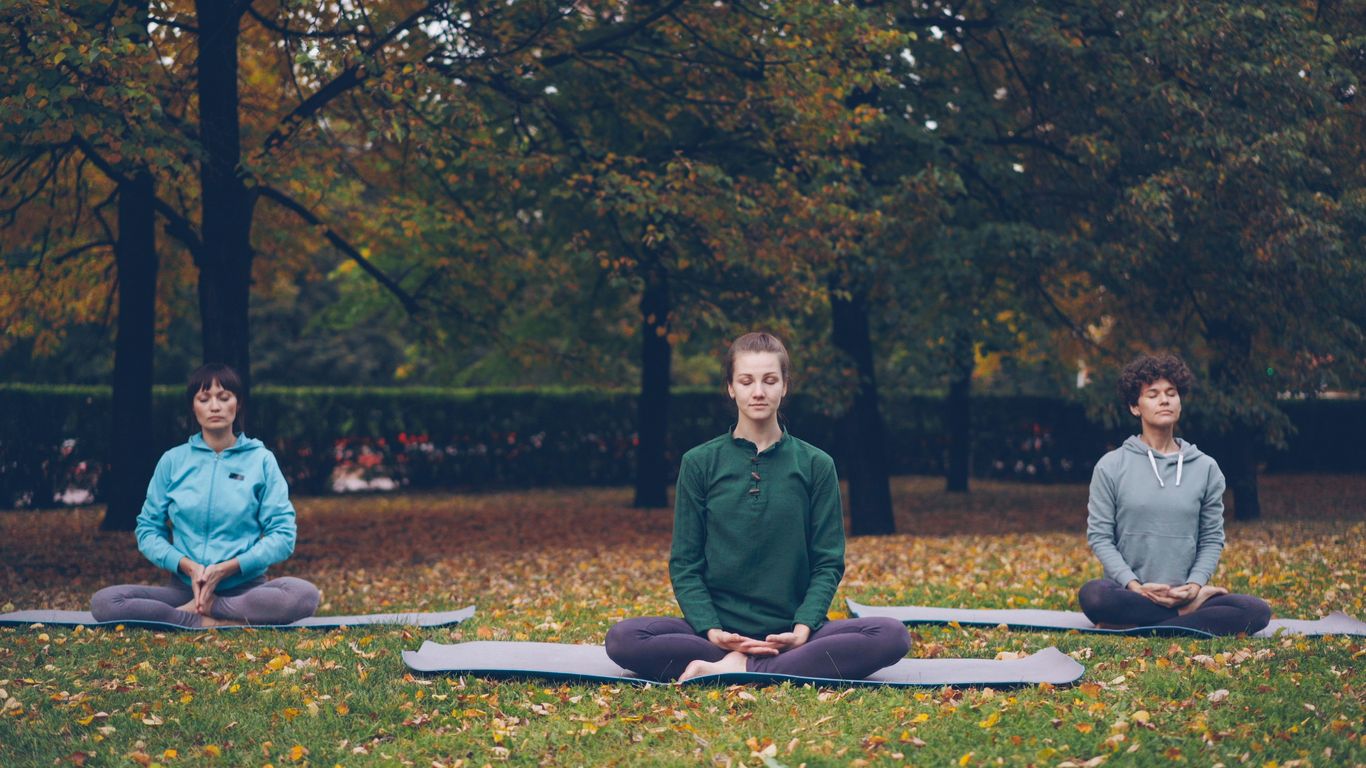
Life can feel like a constant whirlwind, right? Between work, family, and just trying to keep up, it's easy to feel overwhelmed. Yoga offers a really effective way to hit the pause button and find some calm. It's not just about stretching and holding poses, though that's part of it. The real magic happens when you combine the physical movements with focused breathing and a bit of quiet reflection. This combination helps your nervous system switch gears from that 'fight or flight' mode we often get stuck in, to a more relaxed state. Think of it like gently guiding your body and mind back to a place of peace.
Activating the Relaxation Response
When you're feeling stressed, your body goes into a kind of alarm mode. Your heart rate speeds up, your muscles tense, and your mind races. Yoga helps to turn this down. Through specific breathing techniques, called pranayama, you can actually signal to your body that it's safe to relax. Simple exercises like deep belly breathing, where you focus on expanding your abdomen as you inhale, can slow your heart rate and lower stress hormones. It's a really effective way to manage the daily grind and find some peace. Learning these techniques can be a game-changer for managing stress.
Navigating Stressful Situations with Equanimity
Yoga teaches you to observe your thoughts and feelings without getting swept away by them. When you're on the mat, you're constantly asked to focus. You might be concentrating on how your breath moves in and out, or maybe you're trying to hold a tricky pose steady. This practice helps bridge the gap between how you think you should feel and how you actually feel. It's about accepting where you are right now, without judgment, and working with your body's current state. You learn to regulate your breath: using breathwork to calm down when you feel overwhelmed or to energize yourself. You cultivate self-compassion: being kinder to yourself when you can't do a pose perfectly or when you're having an off day.
Promoting Present-Moment Awareness
One of the most significant benefits of yoga is its profound impact on stress reduction and anxiety management. The rhythmic flow of breath synchronized with movement induces a relaxation response in the body, activating the parasympathetic nervous system and counteracting the effects of stress. Moreover, mindfulness practices inherent in yoga cultivate present-moment awareness, allowing individuals to navigate stressful situations with greater calm.
The consistent practice of yoga can lead to lower levels of stress hormones like cortisol. This means you're not just feeling relaxed in the moment, but you're building resilience against stress over time. It's a proactive way to manage the pressures of daily life.
So, if you're feeling frazzled, rolling out your mat might be just what you need to find a little more peace in your day. It's a gentle, yet powerful, way to manage stress and cultivate a sense of inner calm.
Developing Emotional Balance and Mindfulness
Life throws a lot at us, doesn't it? Sometimes it feels like we're just reacting to whatever comes our way. Yoga offers a way to step back and get a better handle on our inner world. It's not just about the physical poses; it's about what happens inside your head and heart while you're doing them.
Increasing Self-Awareness and Emotional Intelligence
When you're on the mat, you're really paying attention. You notice how your body feels, where you're holding tension, and how your breath is moving. This practice of just observing, without trying to change anything, is mindfulness in action. It’s like turning up the volume on your internal signals. You start to understand your own patterns – what makes you feel stressed, what brings you calm. This awareness is the first step to managing your emotions better. Instead of being swept away by a feeling, you can recognize it, understand it, and choose how to respond.
- Noticing physical sensations linked to emotions (e.g., tight chest when anxious).
- Recognizing thought patterns that lead to certain feelings.
- Observing your reactions without immediate judgment.
Releasing Pent-Up Emotions
Sometimes, emotions get stuck. We push them down or ignore them, but they don't just disappear. Yoga can help bring these feelings to the surface in a safe way. The combination of movement, breath, and focused attention can create space for emotions to be felt and then released. It's not about forcing anything, but allowing what needs to move, to move. Think of it like a gentle clearing out.
The physical practice can act as a release valve, allowing stored tension and emotions to be processed and let go. This can lead to a feeling of lightness and greater emotional freedom.
Building Concentration Through Mindful Movement
Holding a yoga pose requires focus. You have to pay attention to your balance, your breath, and how your body is positioned. When your mind wanders – and it will! – you gently bring it back to your breath or the pose. This repeated action of returning your attention is like a workout for your brain. Over time, this builds your ability to concentrate not just on the mat, but in all areas of your life. It helps you stay present and less easily distracted by the constant buzz of daily demands.
The Path to Self-Discovery and Personal Growth
Yoga is way more than just stretching and holding poses. It's like a quiet invitation to look inward, and honestly, that's where some of the most interesting personal growth happens. When you get on your mat, you're not just moving your body; you're also paying attention to what's going on in your head and how you're feeling. This kind of self-awareness is the first real step to figuring yourself out.
You start to notice how you tend to react to things, both during your practice and in everyday life. It's like getting a clearer picture of who you are and why you do the things you do. This practice really encourages you to be straight with yourself, to accept where you are right now, and then to gently work towards being a better version of yourself. It’s about finding that inner strength and realizing you’re capable of more than you might think. This journey inward can lead to significant personal growth.
Understanding Yourself Better
When you practice yoga regularly, you begin to see yourself more clearly. You might notice patterns in your thoughts or how you respond to challenges. This increased self-awareness is key to understanding your own motivations and reactions. It helps you identify habits that aren't serving you well and encourages you to let them go.
Building Inner Strength and Resilience
Showing up on your mat consistently, even when you don't feel like it, builds discipline. This discipline can easily spill over into other parts of your life. You start to realize you can handle more than you thought, building a quiet confidence. This practice helps you bounce back when things get tough.
Creating Positive Change in Your Life
Think of yoga as a gentle push towards making positive changes. The mindfulness you develop during practice helps you be more present in your daily interactions, which can lead to better conversations and stronger relationships. It’s not about huge, sudden changes, but rather a gradual shift that makes your everyday life feel more balanced and satisfying. This consistent, mindful approach is what truly transforms your well-being. Starting your yoga journey is a profound step towards overall wellness, and it adapts to your needs. You can find local yoga studios that can guide you through the basics.
Improving Sleep Quality Naturally
Tossing and turning at night? You're not alone. In our busy world, getting good sleep can feel like a luxury. But what if a simple, gentle practice could help you drift off more easily and wake up feeling truly rested? That's where yoga comes in. It's not about doing complicated poses; it's about winding down your body and mind so sleep can find you.
Promoting Relaxation and Reducing Tension
Yoga works wonders for easing the day's stress. The slow movements and focused breathing help calm your nervous system. Think of it as hitting a reset button for your body. When you're less tense, your mind can quiet down, making it much easier to transition into sleep.
- Deep Breathing: Simple, slow breaths signal to your body that it's time to relax.
- Gentle Stretches: Releasing tight muscles, especially in your neck, shoulders, and back, can alleviate physical discomfort that might keep you awake.
- Mindful Awareness: Focusing on your breath and body sensations pulls you away from racing thoughts.
Facilitating Restful Sleep
Certain yoga poses are particularly good for preparing your body for sleep. They don't require a lot of energy and are designed to be calming. Making a short, gentle yoga sequence part of your bedtime routine can significantly improve your ability to fall asleep.
Here are a few poses that can help:
- Legs-Up-The-Wall Pose (Viparita Karani): Lie on your back and extend your legs up the wall. This pose is great for tired legs and promotes a sense of calm.
- Reclining Butterfly Pose (Supta Baddha Konasana): Lie on your back with the soles of your feet together and knees bent outwards. This opens the hips and can release tension in the lower back.
- Child's Pose (Balasana): Kneel on the floor, sit back on your heels, and fold your torso forward, resting your forehead on the mat. This is a very grounding and comforting pose.
A consistent evening practice, even just 10-15 minutes, can retrain your body to associate this time with winding down, making sleep more accessible.
Experiencing Deeper and More Rejuvenating Rest
When you fall asleep more easily and your body is relaxed, the quality of your sleep improves. You spend more time in deeper sleep cycles, which are vital for physical repair and mental restoration. This means waking up feeling more refreshed, with more energy and a clearer mind. It's not just about getting more hours of sleep, but about making those hours count.
Your Yoga Journey Awaits
So, we've talked about how yoga can help your body feel better, your mind get clearer, and your emotions find a bit more balance. It's not some magic fix, but it's a really solid way to take care of yourself, inside and out. Whether you're looking to de-stress after a long day, get a little stronger, or just feel more connected to yourself, yoga has something to offer. Don't worry about being perfect or doing fancy poses right away. Just showing up on your mat, breathing, and moving is the main thing. Give it a try, see how it feels, and let it become a part of your routine. You might be surprised at how much better you start to feel.
Frequently Asked Questions
What exactly is yoga and why should I try it?
Yoga is like a special kind of exercise that connects your body and mind. It uses stretches, poses, and breathing to help you feel better all over. Think of it as a way to get stronger, more flexible, and also calmer. It's great for anyone looking to improve their health and find a bit of peace in their busy life.
Is yoga only about being super flexible?
Not at all! While yoga can definitely help you become more flexible over time, that's not the main goal. It's more about learning how your body moves and feels. Everyone starts somewhere, and yoga is about progress, not perfection. You'll build strength and balance too, which are just as important.
Can yoga really help me relax and deal with stress?
Absolutely. One of the biggest reasons people do yoga is to manage stress. The slow, deep breaths and mindful movements help calm down your nervous system, kind of like hitting a 'reset' button for your brain. It teaches you to notice stress without letting it take over, helping you feel more peaceful.
I have a busy mind. Can yoga help me focus?
Yes, it can! Yoga helps train your mind to focus on what's happening right now, like your breath or how your body feels in a pose. This practice of paying attention makes it easier to concentrate on other things too, like schoolwork or tasks. It's like giving your brain a workout to help it stay sharp.
Do I need special equipment or to be really fit to start yoga?
Nope! You really only need a comfortable place to practice and some comfy clothes. A yoga mat is helpful, but not essential to begin. And you definitely don't need to be super fit. Yoga is for every body, and classes are usually designed for beginners, so you can start at your own pace.
How often should I practice yoga to see benefits?
Even practicing yoga just once or twice a week can start to make a difference. Consistency is key! The more you practice, the more you'll notice improvements in your flexibility, strength, focus, and overall sense of calm. Find a schedule that works for you and stick with it.

