
Sculpt Stronger Arms: Integrating Biceps Yoga into Your Routine
Trying to find a new way to build up your arms? Biceps yoga might be what you’re looking for. Instead of just grabbing dumbbells or doing endless curls, this approach uses yoga poses to target your biceps and triceps while also working your whole body. It’s not about getting huge overnight, but about building real strength and function you’ll notice in everyday life. Plus, it’s a lot more interesting than the same old arm routine. Here’s how you can start mixing biceps yoga into your weekly workouts.
Key Takeaways
- Biceps yoga isn’t just about looks—it helps with real-world strength and makes daily tasks easier.
- Balancing biceps and triceps work in yoga can help prevent muscle imbalances and injuries.
- Weight-bearing yoga poses strengthen your arms while also working your core and improving stability.
- Consistency is key—regular practice and patience will lead to stronger, more defined arms over time.
- Combining biceps yoga with good nutrition and other types of training can boost your results.
Understanding Biceps Yoga For Arm Strength
The Synergy of Biceps and Triceps
When we talk about arm strength, it's easy to focus on just the biceps, those muscles that pop when you flex. But a truly strong and balanced arm involves a partnership between the biceps and their counterparts, the triceps. These two muscle groups work in opposition – the biceps bend your elbow, and the triceps straighten it. Think about everyday tasks: picking up a bag of groceries (biceps) and then setting it down gently (triceps), or reaching for something on a high shelf (triceps) and then pulling it closer (biceps). They are a team, and for functional arm strength, you need to train both. Ignoring one for the other is like trying to row a boat with only one oar; you won't get very far, and you'll likely end up going in circles.
Beyond Aesthetics: Functional Arm Benefits
Sure, sculpted arms look great. We all want that toned look. But the benefits of strong biceps and triceps go way beyond just how you look in a tank top. Having well-developed arms means you can handle daily life with more ease. Imagine carrying your kids, moving furniture, or even just opening a stubborn jar. Strong arms make these tasks less of a struggle. In sports and other activities, like climbing or even building strength and tone your body with yoga poses, powerful arms are a huge asset. They help with performance and can even reduce your chances of getting hurt.
Debunking Common Arm Training Myths
There are a lot of old ideas floating around about training your arms, especially for women. Some people think lifting weights will make them bulky, which is usually not the case. Building significant muscle mass takes a lot of specific training and diet. Another myth is that you need to constantly hit your arms with super heavy weights. While progressive overload is important, focusing solely on heavy lifting can sometimes lead to injury if not done correctly. Yoga offers a different approach, focusing on controlled movements and endurance, which can build strength without necessarily adding bulk.
Building arm strength isn't just about lifting heavy things. It's about creating resilient, functional muscles that support your everyday activities and athletic pursuits. Yoga can help you achieve this by focusing on controlled movements and building endurance.
Integrating Biceps Yoga Into Your Fitness Regimen
So, you're ready to weave some biceps-focused yoga into your life. That's awesome! But before you jump into a headstand, let's talk about how to make this work with what you're already doing. It's not about ditching everything else; it's about smart additions.
Assessing Your Current Fitness Level
First things first, take an honest look at where you're at. Are you new to exercise altogether, or do you have a solid routine already? Knowing this helps us figure out what kind of yoga poses will be best for your arms right now. If you're just starting, maybe focus on poses where you're on your knees or using props for support. If you're more experienced, you might be ready for more challenging weight-bearing poses.
- Beginner: Focus on stability and learning the basic movements. Think gentle flows and modified poses.
- Intermediate: You can handle more complex poses and longer holds. Start incorporating more dynamic movements.
- Advanced: Ready for intense sequences and advanced variations. You've likely built a good foundation of strength and flexibility.
Defining Your Arm Sculpting Goals
What do you actually want to achieve with your arms? Are you aiming for more muscle definition, increased strength for everyday tasks, or better endurance? Your goals will shape how you approach your biceps yoga practice.
- Muscle Definition: You'll want to focus on poses that involve holding your body weight for longer periods and perhaps adding some light resistance if you're comfortable.
- Functional Strength: This means building arms that can handle daily life better. Think about poses that mimic lifting and carrying motions.
- Endurance: If you want your arms to feel less tired during activities, you'll focus on flowing through poses and holding them for moderate durations with controlled breathing.
It's easy to get caught up in wanting big, bulky arms, but remember that functional strength is incredibly useful. Being able to lift, carry, and move things easily makes a huge difference in everyday life.
Balancing Bicep and Tricep Engagement
Your arms have two main teams of muscles: biceps (front) and triceps (back). A good yoga routine for your arms needs to work both. If you only focus on one, you can end up with imbalances, which isn't great for strength or injury prevention. We'll look at poses that hit both groups, making sure your arms develop evenly. It's like making sure both sides of your body get a good workout – balance is key for overall arm health and appearance.
Key Biceps Yoga Poses For Arm Toning
When we talk about yoga for arm strength, it's not just about holding a pose for a long time. It's about using your body weight and controlled movements to really work those muscles. Think of poses that put your arms in a position to support your body, or where you're actively pushing or pulling. These are the ones that build definition and power.
Weight-Bearing Poses for Upper Body Strength
These poses are fantastic because they use your own body as the resistance. You're essentially doing a strength workout without any equipment. It's a great way to build lean muscle and improve your endurance.
- Plank Pose (Phalakasana): This is a foundational pose. Get into a push-up position, but keep your body in a straight line from head to heels. Engage your core and feel your arms, shoulders, and chest working. Hold it for as long as you can maintain good form.
- Chaturanga Dandasana (Four-Limbed Staff Pose): This is a more challenging pose, often done as a transition in a flow. Lower yourself from plank, keeping your elbows tucked close to your body, until your upper arms are parallel to the floor. It's a serious triceps and chest builder.
- Dolphin Pose: Start on your hands and knees, then lower onto your forearms, keeping your elbows directly under your shoulders. Lift your hips up and back, similar to Downward-Facing Dog, but with your forearms on the ground. This pose targets the shoulders and triceps.
Core Engagement in Arm-Focused Yoga
It might seem like arm poses are all about the arms, but your core is working overtime in most of them. A strong core provides stability, which means you can push harder and hold poses longer. It's all connected!
- Side Plank (Vasisthasana): This pose really works the obliques and shoulders. You can start with your bottom knee on the ground for support and gradually work towards lifting both legs. It's a great test of your arm and core strength.
- Boat Pose (Navasana): While often seen as a core exercise, holding yourself steady in Boat Pose requires significant engagement from your arms and shoulders, especially if you extend them forward or out to the sides.
- Crow Pose (Bakasana): This is an arm balance that requires a strong core to keep your body stable. You'll be pressing your hands into the mat and using your core to lift your legs. It's a fantastic pose for building upper body strength and confidence.
Linking Breath with Movement for Maximum Effect
Don't forget to breathe! Your breath is your guide in yoga. It helps you stay present, manage effort, and deepen your poses. Coordinating your breath with your movements can make a big difference in how effective your practice is.
- Inhale: Often used to lengthen or prepare for a movement. For example, inhaling as you rise back up from a push-up variation.
- Exhale: Typically used during exertion or release. Think about exhaling as you lower yourself into Chaturanga or push back up.
- Holding: When holding a pose, try to maintain a steady, even breath. This helps build stamina and focus. You can find more sequences that focus on arm strength in this sequence.
Remember, consistency is key. Even a few poses done regularly can lead to noticeable changes in your arm strength and tone over time. Listen to your body and don't push too hard too soon.
Crafting Your Biceps Yoga Routine
Designing a focused routine for biceps yoga can help you get the most out of your sessions and reach your strength goals. Here’s how you can put together an effective arm-toning yoga plan, even if you’re just starting out.
Structuring Your Biceps Yoga Sessions
Consistency is more important than pushing yourself to exhaustion every time. A typical biceps yoga session can be broken down like this:
- Warm up with 5 minutes of gentle movement—think arm circles or easy vinyasas—to prepare your joints.
- Flow through a series of poses that target your arms, especially your biceps and triceps, like chaturanga, plank variations, and dolphin pose.
- Mix in transitions between poses while staying mindful of your form and core engagement.
- Cool down with gentle stretches for your arms and shoulders to promote flexibility.
By paying attention to each movement and focusing on form over speed, you'll notice steady progress week after week.
Determining Sets and Repetitions in Practice
Finding the right balance between effort and recovery is key. For most people, these guidelines work well:
| Pose | Sets | Duration/Reps | Rest Between |
|---|---|---|---|
| Chaturanga Push-Ups | 2-3 | 6-10 reps | 40 sec |
| Dolphin Push-Ups | 2-3 | 8-12 reps | 40 sec |
| Plank Hover Holds | 2-3 | 30-45 sec | 30 sec |
- Start with the lower end of the rep range if you're new, and increase as you get stronger.
- If you fatigue before finishing a set, take a moment to rest, then continue.
- Adjust volume depending on your schedule and how your arms feel day-to-day.
Progressive Overload in Your Yoga Flow
To keep building muscle, you’ll want to challenge yourself over time. Try these:
- Gradually increase the number of reps or holds by 1-2 each week.
- Reduce rest intervals as your endurance improves.
- Incorporate new or more challenging poses to work the muscles differently.
- Focus on slower, controlled movements every few sessions for an extra burn.
Don’t forget: integrating biceps yoga consistently can lead to noticeable arm strength gains while also improving your mobility and flexibility. With a smart, adaptable plan, your next arm session can be both rewarding and fun.
Maximizing Results With Biceps Yoga
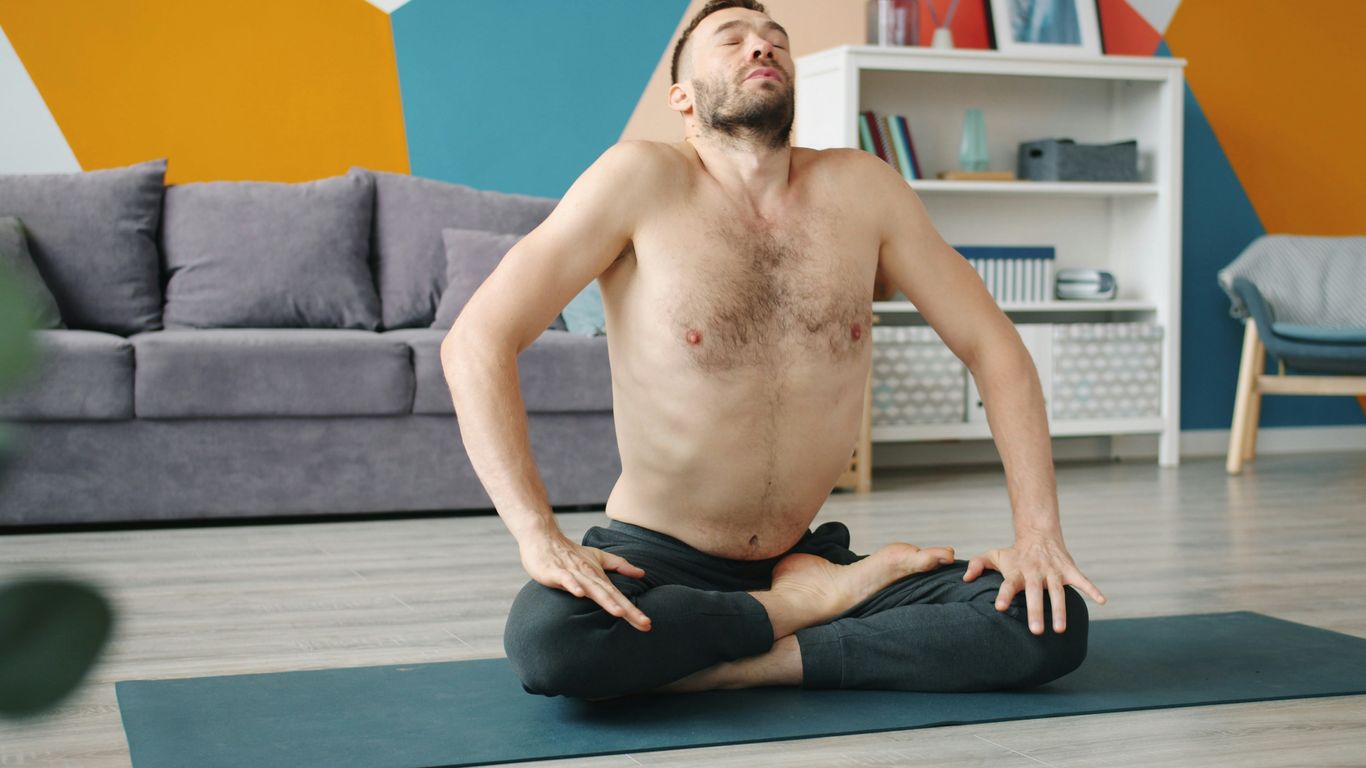
So, you've been getting into biceps yoga and feeling those arm muscles work. That's awesome! But how do you really make sure you're getting the most out of your practice? It's not just about showing up; it's about being smart with your approach. Let's talk about what really moves the needle.
The Role of Nutrition in Arm Development
Think of your body like a car. You can have the best engine (your yoga practice), but if you put in the wrong fuel, it's not going to perform its best. For arm development, protein is your best friend. It's what your muscles use to repair and grow stronger after you challenge them. Aim for lean sources like chicken, fish, beans, or tofu. Don't forget carbs either; they give you the energy to actually get through your yoga sessions without feeling totally wiped out. Complex carbs, like those found in whole grains and fruits, are great for sustained energy. You need to eat enough to support muscle growth, so don't be afraid of a slight caloric surplus if building size is your goal.
Consistency and Commitment for Sculpted Arms
This is where the rubber meets the road, honestly. You can do the most amazing yoga sequence, but if you only do it once a month, you won't see much change. Showing up regularly is way more important than doing a super intense session every now and then. It’s about building a habit. Think about it like watering a plant; a little bit every day helps it grow, while a flood once in a while doesn't do much good. Consistency helps your muscles adapt and get stronger over time. It also helps you get better at the poses themselves, like finding your balance in Plank Pose.
Listening to Your Body for Safe Progression
This is super important, and I can't stress it enough. Your body will tell you what it needs if you just pay attention. Pushing too hard, too fast, can lead to injuries, and that's the last thing anyone wants. It means knowing the difference between muscle fatigue (that good burn) and actual pain. If something feels sharp or wrong, stop. Rest is just as vital as the practice itself. Your muscles need time to recover and rebuild. Don't skip rest days! It's during rest that the real strength gains happen. It's a balance between challenging yourself and respecting your body's limits.
Building strong arms through yoga is a journey, not a race. It requires patience, mindful practice, and a good understanding of how your body works. Focus on steady progress and celebrate the small wins along the way.
Advanced Biceps Yoga Techniques
Coming to the advanced stuff, you might feel like you’ve hit a wall with basic biceps yoga. But there are some techniques that blend traditional yoga with training principles from the fitness world. These advanced approaches can make your arms both stronger and more resilient.
Combining Yoga with Other Training Modalities
You don’t have to pick between yoga and weights. Here’s how to mix things up for more serious arm gains:
- Superset yoga poses and resistance moves: Try moving from Chaturanga straight to biceps curls (using water bottles or resistance bands).
- Add isometric holds during weight exercises: Pause in Warrior II with arms extended for 30 seconds before shifting to hammer curls.
- Use props to increase resistance: Small dumbbells or kettlebells during yoga can up the challenge on traditional arm positions.
High-Intensity Yoga for Arm Endurance
Want to really push your stamina? Using HIIT-style intervals in your yoga practice gets your heart rate up and works those arms to exhaustion. Sample circuit:
- Chaturanga push-ups (45 seconds)
- Dolphin plank hold (30 seconds)
- Down dog to plank-to-cobra flows (45 seconds)
- Brief rest (30 seconds)
Repeat the sequence 3-4 times. Expect a serious burn!
This approach is a real test—your arms will shake, your muscles will fatigue, but it's in those tough moments you start seeing change.
Circuit Training Principles in Yoga
You can structure a whole routine around moving through yoga poses with a training mindset—think sets, reps, and minimal rest between movements. For advanced sculpting, try this table as a quick reference:
| Pose/Exercise | Sets | Reps/Duration | Rest Between |
|---|---|---|---|
| Plank-to-Chaturanga Pushup | 3 | 10 reps | 20 sec |
| Crow Pose Holds | 3 | 20-30 seconds | 20 sec |
| Reverse Tabletop Tricep Dips | 3 | 12 reps | 20 sec |
| Downward Dog to Dolphin Flow | 3 | 12 reps | 20 sec |
A few quick tips for these advanced techniques:
- Always warm up your wrists and shoulders first
- Keep movements controlled, not rushed
- Listen to your body and know when to pause
You’ll notice, advanced biceps yoga isn’t just about more reps—it’s about finding new ways to challenge your strength and balance, over and over.
Wrapping It Up
So, you've seen how adding some yoga-inspired moves can really help build up those arms. It's not just about looking good, though that's a nice bonus. Stronger arms help with everyday stuff, make you feel more capable, and can even help prevent injuries. Remember to keep at it, listen to your body, and don't be afraid to mix things up. Whether you're hitting the gym or just doing a few poses at home, the journey to stronger arms is totally doable and pretty rewarding. Keep moving, and enjoy the process!
Frequently Asked Questions
What is biceps yoga and how does it help build arm strength?
Biceps yoga is a style of yoga that focuses on poses and movements that work your biceps and triceps. It uses your body weight and certain postures to make your arm muscles stronger and more toned. This type of yoga doesn't just help your arms look good, but also makes them more useful for daily activities.
Can I do biceps yoga if I’m a beginner?
Yes! Biceps yoga is great for beginners. You can start with simple poses and slowly try harder ones as you get stronger. It's important to listen to your body and not push too hard at first. Over time, you'll notice your arms getting stronger and more defined.
How often should I practice biceps yoga to see results?
For the best results, try to practice biceps yoga 2 to 3 times a week. Resting between sessions is important so your muscles have time to recover and grow. Remember, being consistent is key if you want to see your arms get stronger.
Do I need any special equipment for biceps yoga?
No special equipment is needed for most biceps yoga routines. All you need is a yoga mat and comfortable clothes. Some people like to use yoga blocks or straps, but these are optional and can help if you want to try new poses.
Will biceps yoga make my arms bulky?
Biceps yoga will make your arms lean and toned, but it won’t make them bulky like lifting heavy weights might. Yoga focuses on building strength, flexibility, and endurance, so your arms will look defined and fit without getting too big.
What should I eat to help my arms get stronger with yoga?
Eating balanced meals with enough protein, healthy fats, and carbohydrates will help your muscles grow and recover. Foods like chicken, eggs, beans, nuts, and whole grains are great choices. Drinking water and getting enough sleep also help your body get stronger.


