

How to Do Yoga: A Beginner's Guide to Getting Started
Thinking about trying yoga for the first time? It's a great idea, and honestly, it's not as complicated as it might seem. Forget those fancy poses you see online; yoga is really for everyone. This guide is all about how to do yoga for beginners, breaking down the basics so you can start feeling good, both in your body and your mind. We'll cover what yoga is truly about, how to get ready for your first session, some simple poses to try, and how to find resources that work for you.
Key Takeaways
- Yoga is about uniting your mind, body, and spirit, not just about being flexible.
- Start by accepting where you are and letting go of expectations about how you should perform.
- Focus on your breath and being present in the moment; this is a big part of yoga.
- Begin with simple poses and learn to modify them for your own body.
- Look for beginner-friendly classes or online videos, and don't hesitate to talk to your instructor.
Understanding the Fundamentals of Yoga For Beginners
What Yoga Truly Means
So, you're thinking about yoga. Maybe you've seen pictures, heard friends talk about it, or just feel like you need something new. It's easy to get caught up in what yoga looks like – the pretzel poses, the fancy studios. But honestly, yoga is way more than that. The word itself, from an old language called Sanskrit, basically means 'union'. It's about bringing things together: your mind, your body, and maybe even your spirit. It's not about being super flexible or strong right away. It's more about finding a connection within yourself and with what's around you. Think of it as a way to get to know yourself better, both inside and out.
The Mind-Body Connection in Practice
This is where yoga really shines. It's not just about moving your body; it's about paying attention to how you feel while you're moving. When you do a simple stretch, you're not just stretching a muscle. You're noticing where you feel it, how deep you can go without pushing too hard, and how your breath changes. This awareness is key. It helps you understand what your body is telling you. Sometimes, when you're stressed, your shoulders might creep up towards your ears without you even realizing it. Yoga helps you notice these things. By focusing on your breath and how your body feels in different positions, you start to build a bridge between your thoughts and your physical sensations. It’s like learning a new language, the language of your own body.
Is Yoga Suitable For Everyone?
This is a big one, and the answer is a resounding yes! Seriously, yoga isn't some exclusive club. It doesn't matter if you're young or old, big or small, super fit or just starting to move. You don't need to be able to touch your toes on day one – in fact, most people can't! The point is to show up as you are. If you have any health concerns or injuries, it's always a good idea to chat with your doctor first. They can help you figure out what might be best for you. But generally speaking, yoga can be adapted for almost anyone. There are so many different styles and ways to practice that you can find something that works for your body and your life. It's about finding what feels good and right for you.
Yoga is a journey, not a destination. The goal isn't to achieve a perfect pose, but to be present with yourself in each moment, noticing your breath and your body's sensations without judgment. This simple act of awareness can be incredibly powerful.
Preparing For Your First Yoga Session
So, you're thinking about trying yoga? That's awesome! Before you even roll out a mat, there are a few things to get your head around. It's not just about bending yourself into a pretzel, you know.
Cultivating Acceptance and Releasing Expectations
This is a big one. Yoga is really about connecting with yourself, right here, right now. It's easy to get caught up in what you think yoga should look like, or how flexible you should be. But honestly, everyone starts somewhere. Let go of the idea that you need to be perfect from day one. Your body is unique, and your yoga journey will be too. Instead of aiming for a specific pose, try to just be present with whatever your body can do in that moment. It's about progress, not perfection. Think of it like learning to cook – you don't expect to make a Michelin-star meal on your first try, do you?
Finding Your Inner Stillness
Yoga is a practice that calms the mind as much as it moves the body. You might find that your mind races at first, thinking about your to-do list or what you're having for dinner. That's totally normal! The goal isn't to empty your mind completely, but to notice those thoughts without getting carried away by them. Try to gently bring your focus back to your breath or the sensations in your body. Even a few moments of quiet focus can make a difference.
The Importance of Proper Yoga Attire
When it comes to what to wear, comfort is key. You want clothes that let you move freely without feeling restricted. Think stretchy fabrics. Yoga pants or leggings are popular, but comfortable shorts, sweatpants, or even just a t-shirt and athletic shorts will work just fine. The most important thing is that you feel good and can move without worrying about your clothes.
Here's a quick rundown of what works well:
- Tops: Anything breathable and not too loose that it might get in your face during a pose. A fitted tank top or t-shirt is great.
- Bottoms: Stretchy pants, leggings, or comfortable shorts that allow for a full range of motion.
- Undergarments: A supportive sports bra is a good idea for comfort and stability.
Remember, the studio is a place for practice, not a fashion show. Focus on what allows you to move and feel at ease. The rest is just extra.
Getting Started With Basic Yoga Poses
So, you're ready to get your feet wet with some actual yoga poses? That's awesome! It can feel a little weird at first, trying to figure out how to stand or sit in these new positions. But honestly, the most important thing is just to start. Don't worry about looking like you're in a magazine or being able to do the splits right away. That's not what this is about.
Essential Poses for New Yogis
When you're just beginning, it's best to stick with some foundational poses. These are the building blocks, and they're great for getting your body used to moving and breathing in new ways. Think of them as your yoga warm-up, even if they're the whole practice for the day.
- Mountain Pose (Tadasana): This looks super simple, just standing there, right? But it's actually a great way to check in with your body. Stand with your feet about hip-width apart, or even big toes touching if that feels better. Let your arms hang by your sides, palms facing forward. Feel your feet on the ground, your legs engaged, and your spine long. It's all about finding your center.
- Cat-Cow Pose (Marjaryasana-Bitilasana): Get on your hands and knees. Make sure your wrists are under your shoulders and your knees under your hips. As you inhale, drop your belly, lift your chest and tailbone, looking slightly up (Cow). As you exhale, round your spine towards the ceiling, tuck your chin, and let your head hang (Cat). Moving between these two with your breath is fantastic for your back.
- Child's Pose (Balasana): This is your go-to resting pose. Kneel on the floor, bring your big toes to touch, and widen your knees. Sink your hips back towards your heels and fold your torso forward, resting your forehead on the mat. Your arms can stretch out in front of you or rest alongside your body. It's a safe space to just be.
Focusing on Alignment and Breath
As you try these poses, pay attention to how your body feels. Alignment is about setting up the pose in a way that supports your body and prevents strain. It's not about forcing yourself into a specific shape. Think about lengthening your spine in Mountain Pose or making sure your knees are stacked over your ankles in Cat-Cow. And don't forget your breath! It's your guide. Try to match your inhales and exhales to the movements. If you're moving into Cow Pose, inhale. If you're moving into Cat Pose, exhale. It sounds simple, but it makes a big difference.
The physical part of yoga is just one piece of the puzzle. The real magic happens when you start to connect your breath with your movement and bring a sense of awareness to how you feel. Don't get caught up in perfection; focus on the process and how it makes you feel in your body and mind.
Modifying Poses for Your Body
Everyone's body is different, and that's totally okay. You might not be able to do a pose exactly as someone else does, and that's perfectly fine. The goal is to make the pose work for you. If a pose feels like too much, there are always ways to adjust it. For example, if sitting on your heels in Child's Pose is uncomfortable, you can place a folded blanket between your thighs and calves. If your wrists hurt in Cat-Cow, you can try making fists and resting on your knuckles, or even try wall yoga poses which can be gentler on the wrists. Listen to your body and don't push through pain. Modifications are not a sign of weakness; they're a sign of smart practice.
Navigating Yoga Classes and Resources
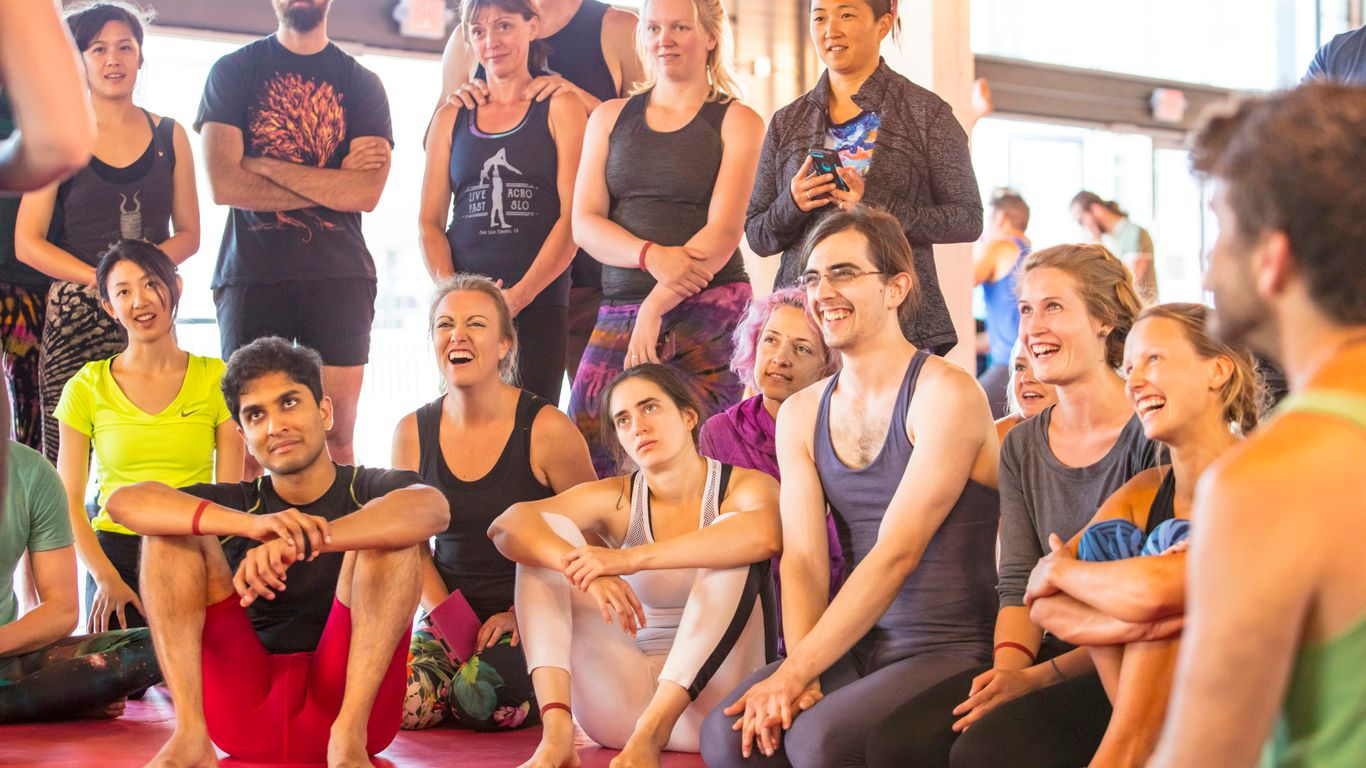
So, you've got the basics down and you're ready to explore the world of yoga beyond your living room. That's awesome! But where do you even start? It can feel a little overwhelming with all the different studios, online videos, and teachers out there. Don't sweat it, though. Finding a good fit is totally doable.
How to Find a Beginner-Friendly Class
When you're just starting, the idea of walking into a yoga studio can be a bit nerve-wracking. Will everyone know what they're doing except you? Probably not! Most studios are used to beginners. Look for classes labeled "foundational," "gentle," or simply "beginner." These are designed for people like you, who are just getting a feel for things. If you're unsure, don't hesitate to call or email the studio. Ask them directly if a class is suitable for newcomers. It's also a good idea to mention any injuries or health concerns you have so they can guide you to the best class for your body.
Here's a quick rundown of what to look for:
- Class Descriptions: Keywords like "beginner," "foundational," "gentle," "restorative," or "yin" are good signs.
- Studio Vibe: Some studios are more laid-back, while others can feel a bit more intense. A quick look at their website or a phone call can give you a feel for it.
- Teacher Experience: While not always listed, many studios highlight their instructors' backgrounds. Look for teachers who mention working with beginners.
Exploring Online Yoga Videos
If stepping into a studio feels like too much right now, the internet is your best friend. Seriously, there are tons of free yoga videos out there for beginners. You can find short, 10-minute flows to get you started, or longer sessions if you have more time. It's a great way to get comfortable with poses and breathing in your own space. Just search for "beginner yoga videos" on platforms like YouTube, and you'll find a huge variety. You can practice anytime, anywhere, without any pressure.
Communicating with Your Instructor
Once you're in a class, whether in person or online, don't be afraid to talk to your teacher. If you're feeling shy or unsure, arrive a few minutes early and introduce yourself. Let them know you're new. A good instructor will make sure you feel supported and will offer modifications for poses. They might even check in with you during class to make sure you're doing okay. Remember, they want you to succeed and enjoy your practice!
Yoga classes often include more than just physical poses. You might experience breathwork, meditation, or setting intentions at the start. Be open to these parts of the practice; they're all connected to the overall experience of yoga.
It's also good to know a few common yoga terms. You'll hear words like "asana" (which just means pose) and "Namaste" (a greeting often said at the end). Don't worry about memorizing them all; just ask your teacher if you're ever confused. They're there to help you learn.
Deepening Your Yoga Practice
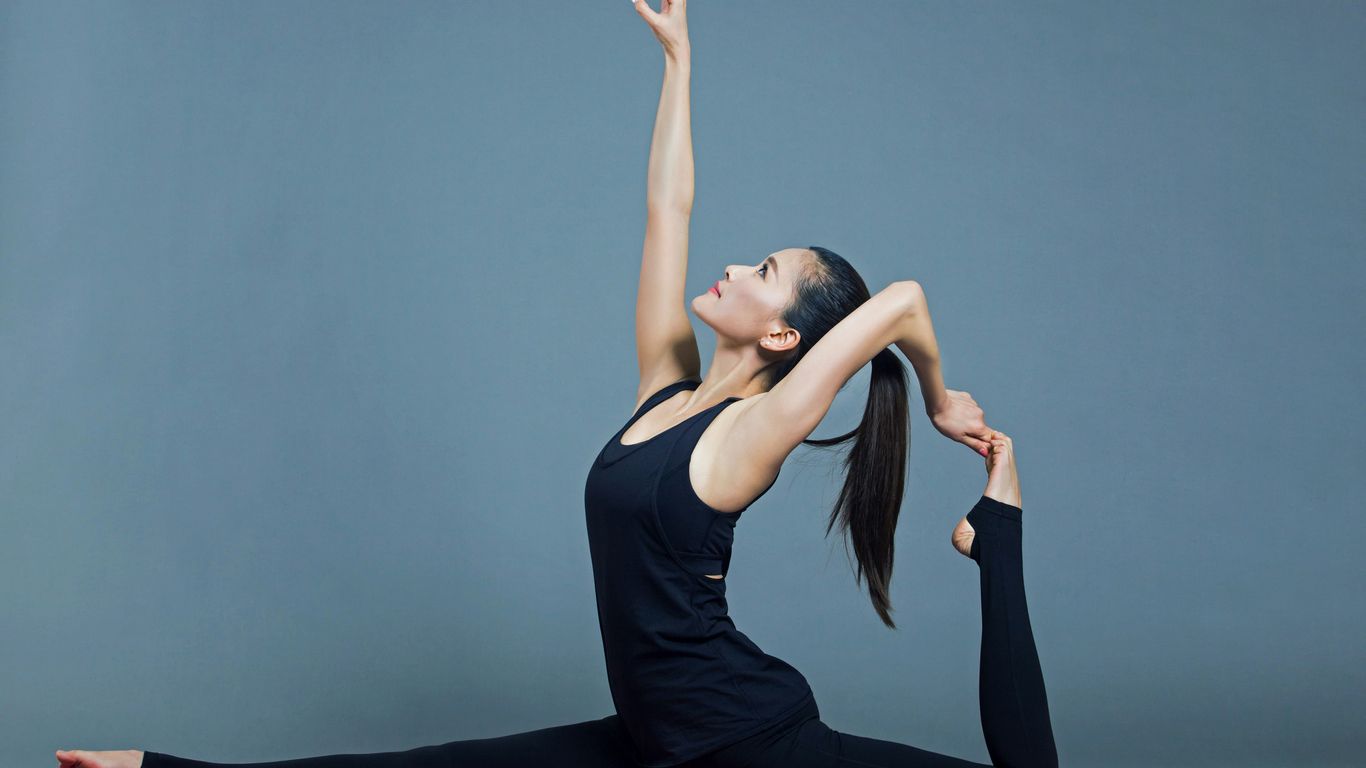
So, you've gotten the hang of the basics. You know your Downward Dog from your Child's Pose, and you're starting to feel a bit more comfortable on the mat. That's awesome! But yoga isn't really about mastering a bunch of fancy poses. It's more about what happens between the poses, and how you carry that feeling off the mat. The real magic happens when you start to weave yoga into your everyday life.
The Role of Breathing in Yoga
Breathing, or pranayama, is often called the engine of yoga. It's not just about taking in air; it's about becoming aware of your breath. Think of it like this: your breath is a constant companion. Noticing it, even when you're just waiting in line or stuck in traffic, can make a big difference. It helps calm your nervous system and brings you back to the present moment. Different yoga styles might have different breathing techniques, but the core idea is always the same: pay attention.
- Notice your inhale: Feel the air filling your lungs.
- Notice your exhale: Feel the air leaving your body.
- Observe the pause: There's a small space between the inhale and exhale – just notice it.
Even just a few minutes of focused breathing each day can help you feel less stressed and more centered. It's way more impactful than being able to do a handstand.
Understanding Yoga as a Lifestyle
Yoga is so much more than just the physical postures. It's a whole system for living. The poses are just one part of it. The real goal is to cultivate a sense of balance, awareness, and peace that you can take with you everywhere. It's about how you react to things, how you treat others, and how you treat yourself. It's a way to get to know yourself better, both on and off the mat.
Yoga is a practice of self-observation. It's about noticing your thoughts, your feelings, and your physical sensations without judgment. This awareness can help you make better choices in your daily life, leading to a more fulfilling experience.
Consistency Over Complexity
Don't get caught up in trying to do the most difficult poses you see online. That's not the point. What truly matters is showing up regularly, even if it's just for a few minutes. A consistent, simple practice will bring you more benefits than sporadic, complicated sessions. Think of it like watering a plant: a little bit every day is much better than a flood once a month.
Here's a simple way to think about building consistency:
- Set a realistic time: Even 10-15 minutes daily is great.
- Find a dedicated space: A small corner is fine; it just needs to be yours.
- Start with stillness: Begin seated or lying down to check in with yourself before moving.
- Follow your breath: Let your breath guide your movements or simply focus on it.
Remember, the most important thing is to keep showing up for yourself. Your practice will naturally grow and evolve from there.
Ready to Roll Out Your Mat?
So, you've learned a bit about getting started with yoga. It's not about being perfect or doing the most complicated poses right away. It's really about showing up for yourself, paying attention to your breath, and just being present. Whether you find a local class or try a video at home, remember to be kind to yourself. Yoga is a journey, not a race. Take it one breath, one pose at a time, and you'll start to feel the benefits. You've got this!
Frequently Asked Questions
What exactly is yoga?
Yoga is a way to connect your mind, body, and spirit. It's not just about doing fancy poses. The word 'yoga' means 'union,' suggesting that it brings together all parts of your life. While many people in the West focus on the physical poses, yoga is a much bigger practice that can help you feel more balanced and peaceful.
Is yoga only for flexible people?
Not at all! Yoga is for everyone, no matter your age, size, or how flexible you are right now. The point of yoga is actually to help you become more flexible, both in your body and in your mind. You don't need to be able to touch your toes to start.
What should I wear to my first yoga class?
You don't need special clothes to begin. Just wear something comfortable that you can move around in easily, like stretchy pants or shorts and a t-shirt. You'll likely be doing yoga in bare feet, so you don't need to worry about special shoes.
What if I can't do all the poses perfectly?
It's totally okay! Everyone starts somewhere, and yoga is a journey, not a competition. Focus on how your body feels and on your breathing. If a pose feels too hard, there are usually easier ways to do it, or you can simply rest. The most important thing is to listen to your body.
How do I find a good beginner yoga class?
Look for classes described as 'beginner,' 'foundational,' or 'gentle.' Many yoga studios offer classes specifically for new students. You can also search online for 'beginner yoga classes near me.' Don't be afraid to tell the instructor you're new; they can help you with modifications.
What's the most important part of yoga for beginners?
While the poses are important, paying attention to your breath is key. Simply noticing your inhales and exhales can help reduce stress and make you feel more present. Also, try to be accepting of where you are right now and let go of expectations about how you 'should' be doing.


