
Pink mat yoga: How to choose the right mat for comfort, grip, and style
Key Takeaways
A pink mat can be practical as well as pretty. The best choice comes down to how you practice, where you carry it, and how much grip and cushioning you actually need.
- Match thickness and traction to your usual practice.
- Choose a material that suits your cleaning and portability needs.
- Pick a shade and finish that make wear easy to manage.
- Let your budget reflect how often you practice.
- Clean and store the mat well to extend its useful life.
What to look for in a pink yoga mat
A good pink yoga mat should support your practice without becoming a distraction. Color is the fun part, but thickness, surface feel, dimensions, and construction determine whether you will want to use it regularly. Think about your floor, your joints, your commute, and the kinds of poses you return to most often.
Mat thickness and cushioning
Thickness affects both comfort and stability. A mat around 4 to 6mm usually gives a useful middle ground: enough cushioning for knees and wrists without making standing poses feel overly soft. If you practice on hard floors or spend a lot of time in seated and kneeling positions, a thicker mat may feel more forgiving.
Very thick mats can be pleasant for floor work, but they may make balance less predictable. Try to prioritize a steady surface over maximum softness, especially if your practice includes frequent transitions.
Grip and traction
Grip matters whenever your hands or feet need to stay planted. Look for a surface with enough texture to feel secure, while remembering that grip can change with sweat, humidity, and cleaning residue. A mat that feels slightly firm and tacky is often easier to control than one with a slick, cushiony finish.
If you regularly practice dynamic flows, test how the surface responds when your palms are damp. Reliable traction should support movement without forcing you to clench your toes or fingers.
Size, weight, and portability
A standard mat may be comfortable at home but awkward on a bus, in a hotel room, or on a walk to the park. Check both rolled dimensions and total weight before buying. If travel is part of your routine, portability is not a small convenience; it determines whether the mat comes with you at all.
Yune Yoga’s Pebble Yoga Mat is described as a 6mm pink mat with joint-friendly cushioning, steady grip, and portability for studio commutes or outdoor sessions. Those are useful qualities to compare when a pink mat needs to work in more than one setting.
Materials and durability
Material affects the mat’s feel, smell, weight, and care requirements. Some surfaces are naturally more textured, while others become grippier with use or warmth. Also check whether the mat resists tearing, lies flat, and can be cleaned without damaging its finish.
A durable mat does not have to be indestructible. Keeping it away from sharp objects, prolonged heat, and direct sun will usually do as much for its lifespan as choosing a higher price tier.
Choosing the right pink mat for your yoga style
The right pink mat depends on what happens on it. Restorative practice asks for comfort and calm, while faster flows call for dependable traction and a surface that does not shift under pressure. Hot yoga adds sweat and drying time to the decision.
Rather than choosing by color alone, picture a typical session from the first warm-up to the final stretch. That small exercise makes it easier to identify the features that will genuinely matter.
Mats for gentle and restorative yoga
Gentle and restorative sessions often involve longer holds, seated positions, and time on your knees or back. A moderately cushioned mat can make these shapes more comfortable, particularly on tile or wood floors. A surface that feels soft but remains stable is generally more useful than extreme plushness.
If you use blocks, bolsters, or blankets, leave enough space around the mat for those props. A calm practice still benefits from a foundation that stays flat and does not curl at the corners.
Mats for vinyasa and power yoga
Vinyasa and power yoga put more demands on traction. Repeated transitions between plank, downward-facing dog, lunges, and standing poses can expose a slippery surface quickly. Choose a mat with a dependable texture and enough density to keep your hands and feet close to the floor.
The Hatsumi Yoga Mat is described as a non-slip mat with traction that improves with heat, cushioned comfort, and use across vinyasa and other practices. It illustrates why surface behavior during movement may matter more than a soft feel in the shop.
Mats for hot yoga
Hot yoga calls for careful attention to moisture. A moisture-friendly surface is easier to live with, but many practitioners also use a towel to manage sweat and maintain a consistent hand feel. Whatever you choose, allow the mat to dry fully after class rather than rolling it up damp.
Color can be especially expressive in a hot studio, though a busy pattern may make sweat marks less noticeable than a pale solid pink. Prioritize the surface first, then choose the shade that makes you happy to unroll it.
Mats for meditation and stretching
For meditation and stretching, comfort, quiet handling, and a pleasant surface may be more important than high-performance traction. A mat that lies flat and feels inviting can help establish a simple routine at home or while traveling. Thin designs are also easier to fold or pack when cushioning is not the main concern.
A stable, uncluttered mat works well for mobility sessions too. Consider whether you need extra length for extended positions, especially if you are taller than average.
Comparing popular pink yoga mat materials
There is no single best yoga mat material. PVC, TPE, natural rubber, cork, and other alternatives each balance grip, cushioning, weight, and care differently. The most useful comparison is the one that reflects your actual habits rather than a general ranking.
PVC for cushioning and strong grip
PVC is often chosen for its cushioning and strong grip. It can feel substantial underfoot and may suit people who want a stable mat for frequent practice. Its weight can be a drawback if you carry it long distances, so check the product specifications before committing.
Pay attention to the surface finish and care instructions. Even a grippy material can become slippery when coated with lotion, dust, or sweat residue.
TPE for lightweight everyday use
TPE is commonly considered when low weight and easy transport are priorities. It can be a practical choice for home practice, classes, and short trips, particularly when you want a mat that rolls without feeling cumbersome. The surface feel varies, so read descriptions carefully and, when possible, try one in person.
A lightweight TPE option can be especially appealing if you alternate between yoga, Pilates, and stretching. The light pink TPE mat is described as a 4mm, lightweight design for Hatha, Yin, Pilates, and stretching, showing how material and intended use can be considered together.
Natural rubber for stability and traction
Natural rubber often appeals to practitioners who want a grounded, stable feel. It can provide strong traction, though some people notice a distinct smell at first and may have latex sensitivities. Always check the material statement if that concern applies to you.
Rubber mats may also be heavier than minimalist travel options. They can work well as a home base, but the weight is worth considering if your mat regularly moves between locations.
Cork and other eco-friendly alternatives
Cork and other alternative materials offer different surface experiences and visual character. Cork can feel firm and natural, while some designs become more grippy as moisture reaches the surface. These options may suit someone who wants a distinctive finish and is willing to follow specific care instructions.
Sustainability is not only about the material name. Look at expected lifespan, packaging, repairability, and whether the mat will remain useful enough to avoid an early replacement.
Finding the best pink shade and finish
Pink ranges from barely-there blush to saturated raspberry, and the shade changes the atmosphere of a practice space. Finish matters just as much: matte surfaces tend to look understated, while texture can add both visual depth and traction. Choose something that feels personal without allowing appearance to hide practical shortcomings.
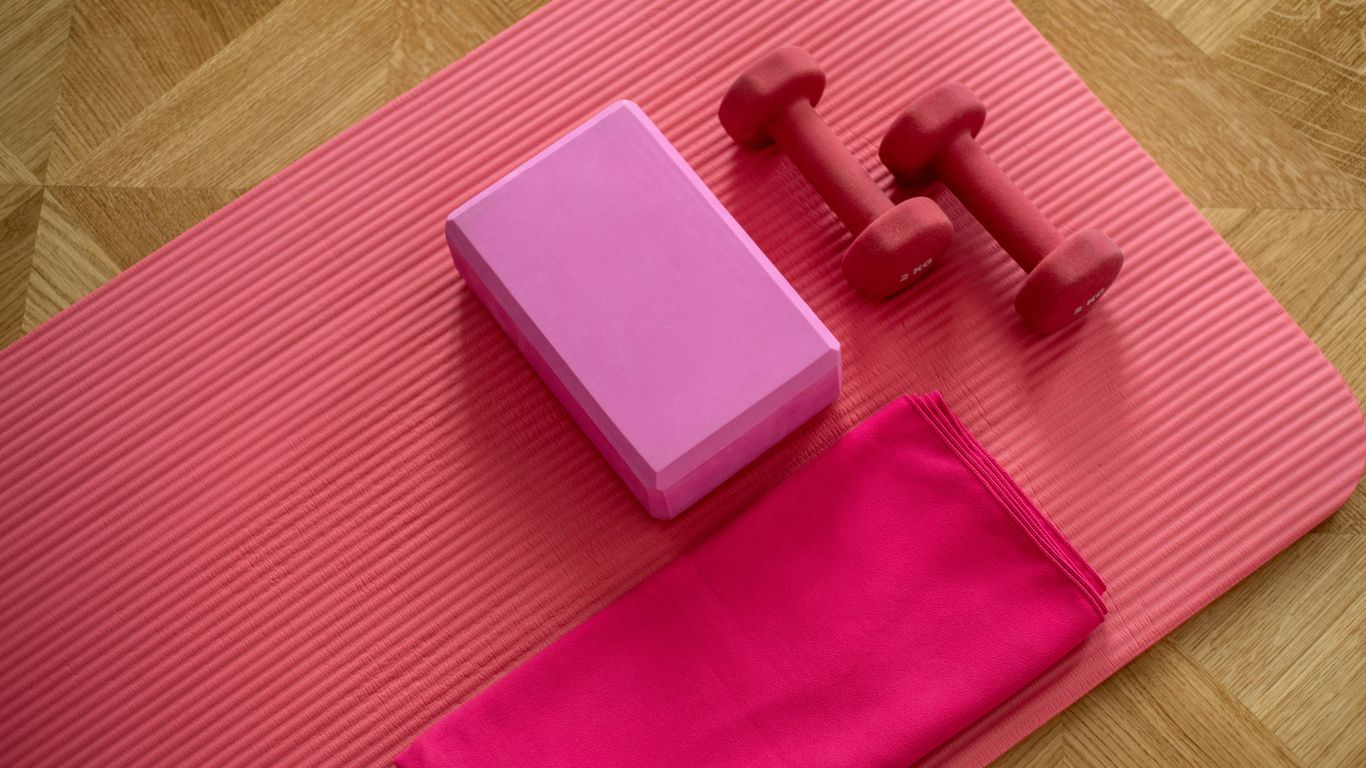
A useful way to narrow the field is to compare shade, pattern, and surface finish separately. That keeps a beautiful design from being judged as though it were also a grip specification.
Light pink mats for a soft, minimalist look
Light pink mats create a quiet, clean look and pair easily with neutral accessories. They can make a small practice corner feel open and uncluttered. The tradeoff is that dust, dark marks, and surface discoloration may be easier to see.
If you like a pale shade, choose a finish that is straightforward to wipe clean. A simple carrying strap and a storage spot away from shoes can also help preserve its appearance.
Bright and raspberry pink mats for bold style
Bright pink and raspberry shades bring energy to a home studio or class. They are a good fit if color helps you maintain enthusiasm for a regular routine. Saturated shades and patterned prints can also make small signs of everyday use less visually prominent.
The Titania Yoga Mat is described as a vibrant pink, 6mm, non-slip mat with cushioning, a moisture-resistant surface, and anti-tear construction. Its example shows how a bold color can sit alongside practical considerations such as grip and easy care.
Matte versus textured surfaces
A matte surface tends to look soft and modern, while texture can provide a more tactile feel under hands and feet. Texture is not automatically better, though; deep patterns may collect residue and can feel distracting during floor work. Run your hand over the surface if you can, and notice whether it feels secure rather than abrasive.
The finish should also suit your cleaning routine. A surface that looks beautiful but requires fussy maintenance may become less appealing over time.
How color affects cleaning and visible wear
Color does not determine cleanliness, but it affects what you notice. Pale pink may show dust and stains quickly, while darker or patterned mats may conceal them until odor or stickiness becomes the real warning sign. Either way, visual appearance should not replace regular cleaning.
For a design-led option, the Leah Duncan Geo Yoga Mat is described as pink, moisture-resistant, easy to clean, and made with a durable surface. Those details are a helpful reminder to assess care features alongside the color story.
How to care for a pink yoga mat
A simple care routine keeps a pink yoga mat more pleasant to use and helps protect its surface. Sweat, body oils, dust, and damp storage can gradually change how the mat feels. Follow the maker’s instructions first, especially if the material has a printed or specially finished surface.
Cleaning after each practice
After practice, wipe the mat with a soft cloth and a cleaner suitable for its material. Avoid soaking it unless the instructions specifically allow that, since excess water can settle into seams or backing. A quick wipe is usually easier to maintain than waiting for a heavy buildup.
Keep a small cloth or mat-safe spray with your yoga accessories if you practice away from home. Consistency matters more than using a complicated formula.
Removing sweat, odors, and stains
For sweat and odor, ventilate the mat before storing it and use a mild, material-appropriate cleaner. Do not combine household chemicals casually; a harsh product can fade pink color, weaken the surface, or leave a slick residue. Treat a stain early with gentle spot cleaning rather than aggressive scrubbing.
It helps to separate appearance problems from hygiene problems. A faint mark may be cosmetic, while persistent odor or a tacky film signals that the mat needs more thorough care.
Drying and storing the mat properly
Let the mat dry completely before rolling it. Store it in a cool, dry place away from direct sunlight and sharp edges. If you carry it outdoors, shake off grit before packing it, since small particles can wear down the surface during repeated rolling.
A few habits make storage easier:
- Roll the mat with the practice surface facing outward if the maker recommends it.
- Keep it away from radiators, hot cars, and prolonged sunlight.
- Use a strap or bag that does not compress the mat excessively.
- Avoid placing heavy equipment on top of it.
These steps reduce curling and premature wear without adding much work to your routine. For broader home-care planning, even the principle behind power-washing prep—cleaning and preparing a surface before the next finish—has a useful parallel here, though a yoga mat needs much gentler treatment.
Knowing when to replace it
Replace a mat when it no longer stays stable, has deep tears, or has become permanently slick despite proper cleaning. Peeling, cracking, or exposed backing can also affect comfort and safety. A favorite color is not a reason to keep using a surface that no longer supports your practice.
Keep track of how the mat feels rather than relying only on its age. Frequency of use, storage conditions, and body weight all influence how quickly materials change.
How to choose a pink yoga mat for your budget
Price is only one part of value. A low-cost mat may be sensible for a beginner who is still exploring practice, while a frequent traveler may benefit from paying more for lighter construction or better durability. The goal is to buy the features you will use, not the longest list of specifications.
Affordable mats for beginners
An affordable mat can be a perfectly good starting point. Look for a usable thickness, enough traction for your practice, and dimensions that fit your body and floor space. Avoid paying extra for decorative details if you are still learning what surface feel you prefer.
A beginner’s mat should also be easy to clean and simple to replace if your routine changes. Starting modestly can make it easier to learn which features deserve an upgrade later.
Mid-range mats for regular practice
Mid-range mats often make sense for people practicing several times a week. At this level, look for a more dependable surface, better construction, and a finish that handles repeated cleaning. A little more cushioning or length may be worthwhile if it solves a problem you notice in every session.
The DY66 Yoga Mat is described as a 6mm mat with practice-proven grip, joint-friendly cushioning, a lay-flat design, and commute-friendly portability. Those are the kinds of practical features that can justify moving beyond an entry-level option.
Premium mats for advanced needs
Premium pricing should correspond to a clear need. You might value a particular material, a more refined surface, extra durability, or a design that works across home, studio, and outdoor practice. If none of those qualities changes your experience, a premium price may not be necessary.
Before buying, compare warranty terms, care requirements, dimensions, and return policies. A polished finish is welcome, but it should not be the only reason to spend more.
Balancing price, performance, and longevity
A useful comparison starts with the features you will use most often. The table below provides a simple way to weigh common priorities against likely tradeoffs.
| Priority | What to compare | Possible tradeoff |
|---|---|---|
| Cushioning | Thickness and density | More weight or less balance |
| Grip | Texture and moisture response | More cleaning or a firmer feel |
| Portability | Weight, roll, and carry options | Less cushioning or stability |
| Longevity | Tear resistance and care needs | Higher upfront cost |
Use the table as a starting point, then consider your actual schedule and storage space. A mat that travels easily and gets used often may offer better value than a heavier model with features you rarely need.
When buying online, review the seller’s policies and returns information before checkout. Clear return terms and care guidance can make a bigger difference than a small price gap.
Conclusion
The best pink yoga mat is the one that feels secure, suits your practice, and fits naturally into your routine. Compare cushioning, grip, material, portability, shade, and care before letting the color make the final decision. With the right balance, a pink mat can be a practical everyday foundation as well as a cheerful part of your space.
Frequently Asked Questions
Is a pink yoga mat suitable for daily practice?
Yes. A pink mat can work for daily practice as long as its thickness, grip, and material suit your sessions and it is cleaned and stored properly.
What thickness is best for a pink yoga mat?
For many people, 4 to 6mm offers a useful balance between cushioning and stability. Choose thicker cushioning if hard floors make kneeling uncomfortable, but consider whether extra softness affects balance.
Are light pink mats difficult to keep clean?
They can show dust and marks more clearly than darker or patterned mats. Regular wiping and complete drying help preserve the appearance without requiring harsh cleaners.
What is the best material for a travel yoga mat?
A lightweight material such as TPE may be convenient for travel, while thin foldable designs can pack easily. Always compare weight with the cushioning and grip you need.
How can I make a yoga mat less slippery?
Clean away residue, allow the mat to dry completely, and check whether the surface is suitable for your style of practice. A yoga towel may also help during especially sweaty sessions.
How often should I replace a yoga mat?
Replace it when it develops deep tears, permanent slickness, peeling, or loss of stability. Usage frequency and storage conditions matter more than a fixed calendar schedule.
Can I use a pink yoga mat outdoors?
Yes, if the surface is appropriate and you use it on a clean, reasonably even area. Remove grit afterward, dry the mat fully, and avoid leaving it in direct sun for long periods.


