

H yoga: Benefits, poses, classes, and how to get started
Key Takeaways
H yoga uses a warm, often humid room to add a different physical demand to familiar yoga movements. It can be enjoyable and challenging, but comfort, hydration, and sensible pacing matter more than pushing through every pose.
- Heat may make movement feel easier while increasing the risk of overheating.
- Beginners can start with shorter, slower classes and take breaks freely.
- Good technique still matters in a warm room; heat is not a substitute for control.
- Water, a towel, breathable clothing, and a suitable mat can make class more comfortable.
- Stop if you feel unwell, and ask a health professional whether heated exercise is appropriate for you.
What h yoga is and how it works
H yoga generally refers to yoga practiced in a heated room, often with added humidity. The warmth can make the room feel intense before the first pose begins, so the experience depends as much on pacing as on the sequence itself. Class names, temperatures, and teaching styles vary, which makes it worth reading the studio description before booking.
The meaning of h yoga
The phrase “h yoga” is commonly used as a short way to describe hot yoga. Some classes focus on flowing sequences, while others use a set series of postures or a slower, restorative approach. The shared feature is the heated environment, not one universal set of poses.
A first class can feel unfamiliar because sweat arrives quickly and the room changes how effort feels. Treat the heat as an extra condition to manage, rather than proof that a deeper stretch is always available.
How heat and humidity affect practice
Warmth may help muscles feel less stiff at the beginning of class, but it can also make exertion feel deceptively manageable. Humidity slows the evaporation of sweat, so the body may have a harder time cooling itself. That is why calm breathing and regular pauses are practical skills, not signs that you are falling behind.
Keep movements controlled and avoid forcing a range of motion simply because the body feels looser. A steady, moderate effort is usually a better introduction than trying to match the most experienced person in the room.
How h yoga differs from traditional yoga
The poses themselves may be familiar from non-heated yoga, yet the setting changes the demands of practice. A warm room can raise perceived exertion, increase sweating, and make balance more difficult when hands or feet become damp. The class may also feel more cardiovascular, especially when it includes continuous transitions.
Traditional yoga in a room-temperature setting can be easier to regulate from a heat perspective. Neither format is automatically better; the useful choice is the one that suits your preferences, health needs, and ability to recover.
Common styles and class formats
H yoga may include flowing vinyasa, structured series, gentle stretching, yin-inspired work, or classes that combine yoga with other movement. Some studios offer sessions for beginners, while others expect students to be comfortable moving independently. Ask whether the class is heated, how long it lasts, and whether the teacher demonstrates modifications.
For a sense of how heated studios describe their offerings, heated yoga class formats can help you compare options without assuming every studio uses the same structure. A class described as restorative will usually feel very different from a fast-paced flow, even when both take place in heat.
Potential benefits of h yoga
People are drawn to h yoga for many reasons: they enjoy the atmosphere, want a structured workout, or prefer the sensation of warming up before stretching. Some report feeling more mobile after class, although individual responses vary. Benefits are most likely to come from consistent, well-paced movement rather than from heat alone.
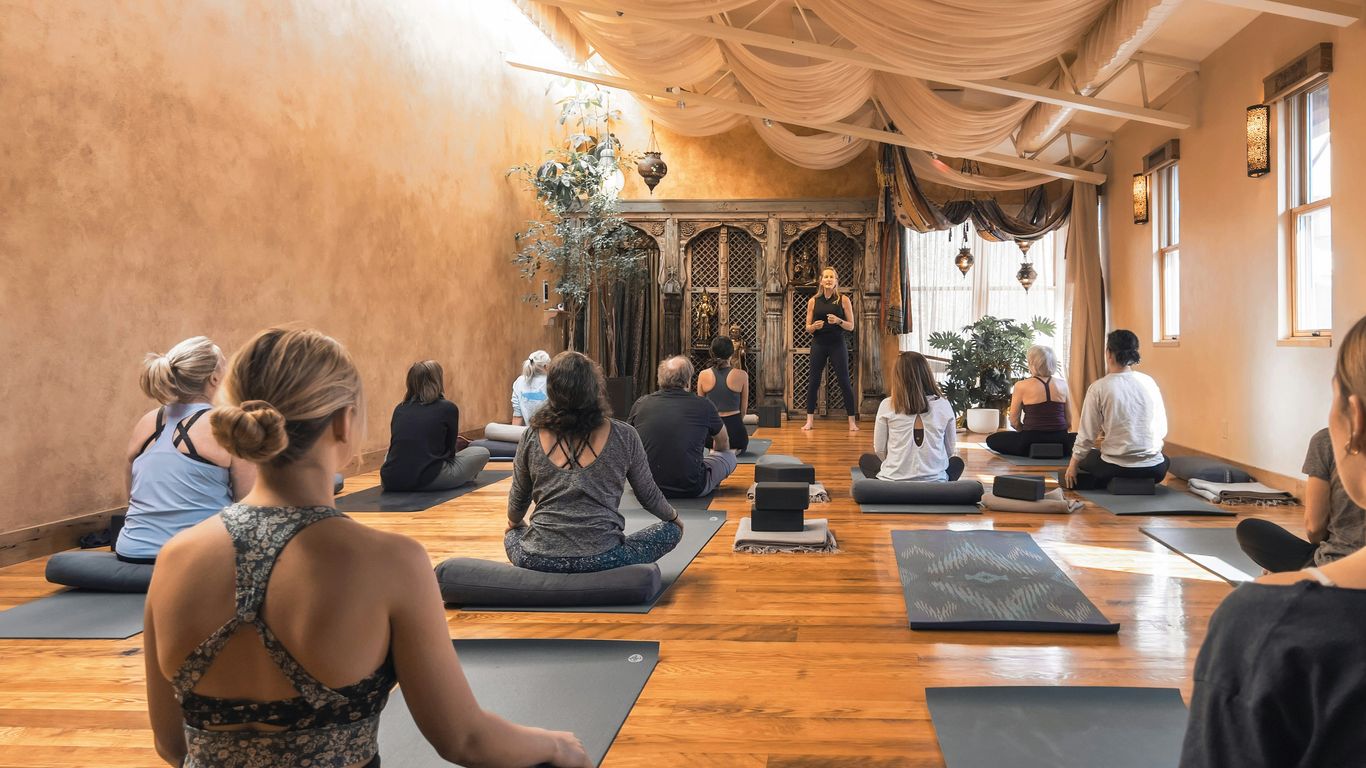
Flexibility and range of motion
Heat can make the early part of a session feel more comfortable, and gradual movement may help you explore range of motion with less initial stiffness. That does not mean a joint is ready for its maximum range. Move slowly, respect tension that feels sharp or unfamiliar, and let flexibility develop over time.
A useful goal is smoother movement, not the deepest possible shape. The body should feel worked but not threatened by the pose.
Strength, balance, and coordination
Standing postures, transitions, and held shapes can challenge the legs, trunk, shoulders, and smaller stabilizing muscles. Sweat may make the floor and hands less predictable, adding a coordination challenge. Using a stable mat and choosing a simpler variation can help you focus on alignment rather than merely staying in position.
Yune Yoga’s 6mm non-slip mat is described as offering grip that improves with heat and balanced cushioning for joint support, features that may be practical for a sweaty practice. A mat cannot replace careful foot placement, but a predictable surface can make setup feel less distracting.
Stress relief and mindful breathing
Yoga often gives people a reason to slow down and pay attention to breathing, and that can feel calming even when the room is physically demanding. The combination of movement, pauses, and concentration may help create a mental break from a busy day. If the heat makes breathing strained, however, reduce the pace rather than treating discomfort as the goal.
Simple attention works well: notice whether the breath is smooth, whether the shoulders are tense, and whether you can still hear the teacher’s cues. Those observations help keep the practice grounded.
Cardiovascular and metabolic effects
A continuous heated flow can raise heart rate and produce substantial sweating. The workload depends on the sequence, pace, room conditions, and your own fitness, so one person’s easy class may be another person’s hard session. Sweat also represents fluid loss; it is not a reliable measure of calories burned or fitness gained.
For practical comparison, this table shows how class structure can change the experience without suggesting that one format suits everyone.
| Class approach | Likely pace | Useful focus |
|---|---|---|
| Gentle heated yoga | Slow to moderate | Mobility and breathing |
| Heated vinyasa | Moderate to fast | Flow, strength, and coordination |
| Structured hot series | Repeated sequence | Familiarity and consistency |
| Heated restorative class | Slow with longer holds | Relaxation and comfortable range |
The table is a starting point, not a promise about a particular studio. Check the class description and ask how much movement, standing work, and rest the session includes.
What the research does and does not show
Research on hot yoga is still more limited than the confident claims sometimes made in marketing. Studies may examine specific populations, short interventions, or particular class formats, so their findings should not be treated as universal guarantees. Ordinary yoga benefits may also come from movement, attention, and regular practice rather than temperature alone.
If you have a medical condition, take medication that affects fluid balance, or are pregnant, ask a qualified clinician about heated exercise before attending. A cautious decision is more useful than trying to prove that you can tolerate the room.
What to expect in an h yoga class
Most classes begin with a brief orientation, move through warm-up positions, and build toward standing or flowing work before cooling down. The exact rhythm depends on the teacher and style. Expect to sweat, but do not assume you must remain in every posture for the full suggested time.
Room temperature and class length
Studios may set different temperatures and humidity levels, and the room can feel different depending on its size, ventilation, and how full the class is. Sessions commonly last around an hour, though shorter introductory classes may be available. Confirm the temperature, duration, arrival policy, and equipment requirements when you book.
Arrive early enough to settle in. A rushed entrance can make an already warm room feel more stressful.
Typical sequence of poses
A class may open with breathing and gentle floor movements, then progress to standing poses, balance work, twists, and a final rest. Flow classes link postures with transitions, while structured classes may repeat a familiar sequence. The teacher should offer ways to reduce intensity or pause.
The order is less important than the gradual build. You should have time to notice how your body is responding before the most demanding work begins.
Breathing, pacing, and rest breaks
Breathing through the nose may be encouraged, but forcing a particular breathing pattern is counterproductive if you feel short of breath. Take a child’s pose, sit down, or lie still whenever you need to reset. Resting does not cancel the work you have already done.
A practical rule is to keep enough awareness for clear communication and safe movement. If you cannot follow cues because of dizziness or distress, pause and tell the instructor.
What beginners should know before class
Tell the instructor that you are new, especially if you have never exercised in heat. You do not need to perform every pose or keep up with the most advanced student. Choose a place where you can see the teacher, keep water nearby, and leave space for an unplanned rest.
Read the studio’s policies before attending. Some venues require preregistration, and some may limit late entry once the class begins.
Essential h yoga poses and techniques
The most useful poses in h yoga are not necessarily the most dramatic ones. A basic standing posture practiced with steady breathing can teach more about control than an advanced shape attempted while overheated. Use props and modifications early, before fatigue changes your technique.
Standing poses for strength and stability
Mountain pose, chair pose, warrior variations, and wide-legged standing positions build awareness of the feet, knees, hips, and spine. Keep the knees tracking in the same general direction as the toes and distribute weight deliberately. In a hot room, shorter holds can preserve form better than stubbornly long ones.
Think of standing poses as an opportunity to organize the body. The goal is stable effort, not a rigid silhouette.
Balance poses for focus and control
Tree pose and other one-legged shapes train attention as much as muscular steadiness. Use a wall or keep the lifted foot lower on the standing leg if balance is uncertain. Sweaty feet can change traction, so step out of the pose without embarrassment when the setup no longer feels secure.
Balance often improves when the gaze is soft and breathing remains regular. Wobbling is information, not failure.
Backbends and hip-opening poses
Gentle sphinx, cobra, bridge, and supported hip-opening positions can be included in a heated sequence. Warmth may make these shapes feel accessible, but it can also encourage overreaching. Keep length through the spine and stop before pinching in the lower back or front of the hip.
Use support under the hands or hips when it helps you maintain control. A smaller range performed without strain is still a complete pose.
Twists and floor-based stretches
Seated twists, supine twists, hamstring stretches, and figure-four variations often appear toward the middle or end of class. Move into rotation gradually and avoid using the arms to force the torso farther than it wants to go. Floor work can feel especially welcome after sustained standing effort.
Keep breathing easy through each stretch. If the room feels overwhelming, lying still with knees bent may be more useful than adding another shape.
Modifications for different ability levels
A good modification changes the demand while preserving the purpose of the pose. You might bend the knees, lower the hands to blocks, shorten a stance, or remain seated while the group stands. Ask the teacher for options before class if you have an injury, limited mobility, or a concern about balance.
Three simple choices can make a first class more manageable:
- Reduce the range of motion before reducing your attention.
- Use a wall, block, strap, or folded towel for support.
- Replace a difficult transition with a pause or a slower step.
These are not lesser versions of practice. They are ways to keep the session useful when the room or the pose asks for more than you can safely give.
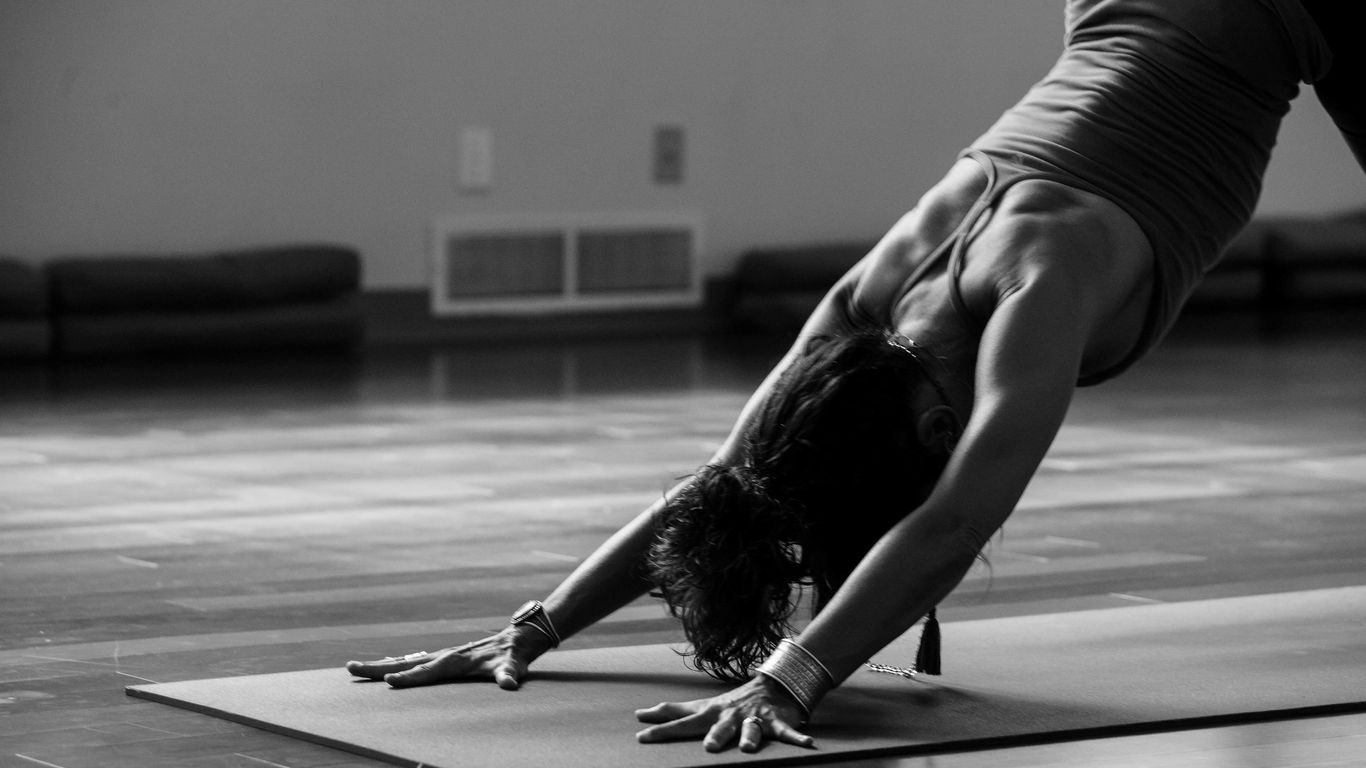
How to prepare for h yoga safely
Preparation begins several hours before class, not when you walk into the studio. A light meal, sensible hydration, and breathable clothing can reduce avoidable discomfort. If you feel ill, sleep-deprived, or unusually depleted, postponing class is a reasonable choice.
What to eat and drink before class
Choose familiar foods and allow time for digestion. A small meal or snack with carbohydrates and some protein may work better than a heavy, greasy meal immediately before movement. Avoid experimenting with unusual supplements on the day of your first heated class.
Drink normally before class rather than trying to compensate with a large amount of water at once. The right amount varies with body size, weather, activity, and medical guidance.
Clothing, towels, and essential equipment
Wear light, breathable clothing that stays comfortable when wet. Bring a mat, a large towel for sweat, and water; a hand towel can also be useful. A washable, absorbent towel such as the Buffalo Hills Shadow Yoga Towel is described as layering over a mat for a steadier and more hygienic surface during hot classes.
A grippy mat can help, but no accessory should make you feel obligated to hold a pose. Pack only what you can carry easily and keep the setup simple.
Hydration and electrolyte considerations
Sweating for a long period can mean losing both fluid and electrolytes, though needs differ widely. Water is often sufficient for an ordinary class, while people with heavy sweat loss or specific medical needs may need individualized advice. Do not assume that sports drinks are necessary simply because the room is hot.
If you have kidney, heart, blood-pressure, or fluid-balance concerns, ask a clinician before changing your electrolyte intake. More is not automatically better.
Recognizing overheating and dehydration
Warning signs can include unusual weakness, headache, nausea, confusion, chills, clammy skin, or dizziness. A racing heart that does not settle with rest is another reason to stop. Heat illness can develop even in people who exercise regularly.
The safest response is early action. Sit or lie down, cool yourself, tell the instructor, and seek medical help when symptoms are severe or do not improve.
When to stop or leave the room
Leave the room if you feel faint, confused, nauseated, or unable to breathe comfortably. You do not need permission to protect your health, and you should not wait for the final relaxation pose. A responsible studio should make it easy to exit, cool down, and ask for help.
When choosing a studio, look for clear safety guidance and attentive instruction. A general safeguarding guide is a useful reminder that environments involving vulnerable people need clear boundaries, reporting processes, and responsible supervision, even though its subject is broader than yoga.
How to build an effective h yoga routine
A sustainable routine leaves room for recovery and ordinary life. Start with the class format you can attend consistently, then adjust based on how your body feels later that day and the next morning. The most impressive plan is rarely the most useful one if it makes you dread the next session.
Choosing between studio and home practice
A studio provides a prepared heated room, a teacher, and a shared schedule. Home practice offers privacy and flexibility, but safely creating heat at home requires care; do not turn a poorly ventilated room into an improvised sauna. You can also practice the movements at home without heat and reserve heated classes for occasional sessions.
For travel or small spaces, a light mat can make consistency easier. Yune Yoga describes the Ataraxy Yoga Mat as a 6mm mat with non-slip traction that improves with heat, designed for studio, outdoor, and travel use.
Starting with beginner-friendly classes
Choose a class that clearly states its level and pace. A beginner-friendly session should explain basic alignment, offer alternatives, and leave enough time for questions. If the description emphasizes intensity or advanced transitions, save it for later.
It can help to contact the studio first and ask whether the room is strongly heated, whether breaks are encouraged, and what equipment is provided. Clear answers are a good sign.
Planning weekly practice frequency
Start with one heated class a week and observe recovery before adding more. On other days, gentle walking, mobility work, or room-temperature yoga can provide movement without repeating the same heat stress. Rest days are part of the plan, not an interruption to it.
A simple weekly structure might look like this:
- One heated class at an easy-to-moderate effort.
- One or two lower-intensity movement sessions.
- At least one full rest day.
Adjust the pattern around sleep, work, weather, and how you actually feel. Consistency grows from a plan that can bend.
Tracking progress without overtraining
Track practical markers such as whether breathing stays steady, whether you need fewer unscheduled pauses, and whether movements feel more controlled. Do not use sweat volume or soreness as your main scorecard. Improvement may look quiet: better balance, calmer pacing, or a more comfortable recovery.
If performance drops, fatigue accumulates, or aches become persistent, reduce frequency and seek advice. Progress should not require ignoring repeated warning signs.
Finding a qualified instructor and suitable studio
Look for instructors who explain modifications, respect different ability levels, and take heat-related symptoms seriously. The studio should communicate its temperature, class length, equipment rules, and emergency procedures clearly. A welcoming atmosphere matters, but competent supervision matters more.
Before committing, compare the class description with your aims. For a broader example of studios listing strength, flexibility, agility, and balance as distinct goals, yoga class options may help you think about what you want from the format. You can also ask whether a trial class is available and leave if the environment does not feel safe.
Conclusion
H yoga can be a satisfying way to combine familiar poses with the distinct challenge of a warm room. Start gently, hydrate sensibly, use modifications, and treat rest as part of the practice. With the right class, practical equipment, and attention to your body’s signals, heated yoga can become one option in a balanced movement routine rather than a test of endurance.
Frequently Asked Questions
Is h yoga the same as hot yoga?
Usually, h yoga is used as a shortened term for hot yoga, or yoga practiced in a heated room. Class temperatures, humidity, sequences, and teaching styles can still vary considerably.
Is h yoga suitable for beginners?
Many beginners can try it if they choose an introductory class, tell the instructor they are new, and take frequent breaks. People with health concerns should ask a qualified medical professional first.
What should I bring to h yoga?
A mat, water, and a large towel are common essentials. Breathable clothing and a small hand towel can also make the session more comfortable.
How often should I practice h yoga?
Begin with one class a week and assess how you recover. You can add sessions gradually, balancing heated practice with lower-intensity movement and full rest days.
Can h yoga help with flexibility?
The warmth may make movement feel more comfortable, and regular practice can support mobility. Heat can also make it easier to overreach, so flexibility work should remain gradual and controlled.
What are signs that I should stop?
Dizziness, confusion, nausea, unusual weakness, chills, or difficulty breathing are reasons to stop and cool down. Tell the instructor and seek medical help if symptoms are severe or do not improve.
Should I eat before a heated class?
Most people do better with familiar, lighter food and enough time to digest. Avoid a heavy meal immediately before class, and adjust based on your own experience and medical advice.

