

Mastering Yoga Poses for Beginners: A Simple Guide to Your First Flow
Getting started with yoga can feel a bit much, right? So many poses, so much talk about alignment. It’s easy to feel like you’re not flexible enough or just plain lost. But honestly, it’s not that complicated. We’re going to look at some basic yoga poses for beginners, the kind that will get you moving without feeling like you’re in a competition. Think of it as dipping your toes in the water, not diving into the deep end. This guide is all about making your first yoga flow feel simple and doable.
Key Takeaways
- Start with simple yoga poses for beginners to build confidence and learn the basics.
- Focus on proper form and listen to your body to avoid injuries.
- Breathing is a big part of yoga; pay attention to your breath throughout your practice.
- Consistency is more important than how long you practice each time.
- Don't be afraid to ask for help from a qualified yoga teacher.
Understanding Foundational Yoga Poses for Beginners
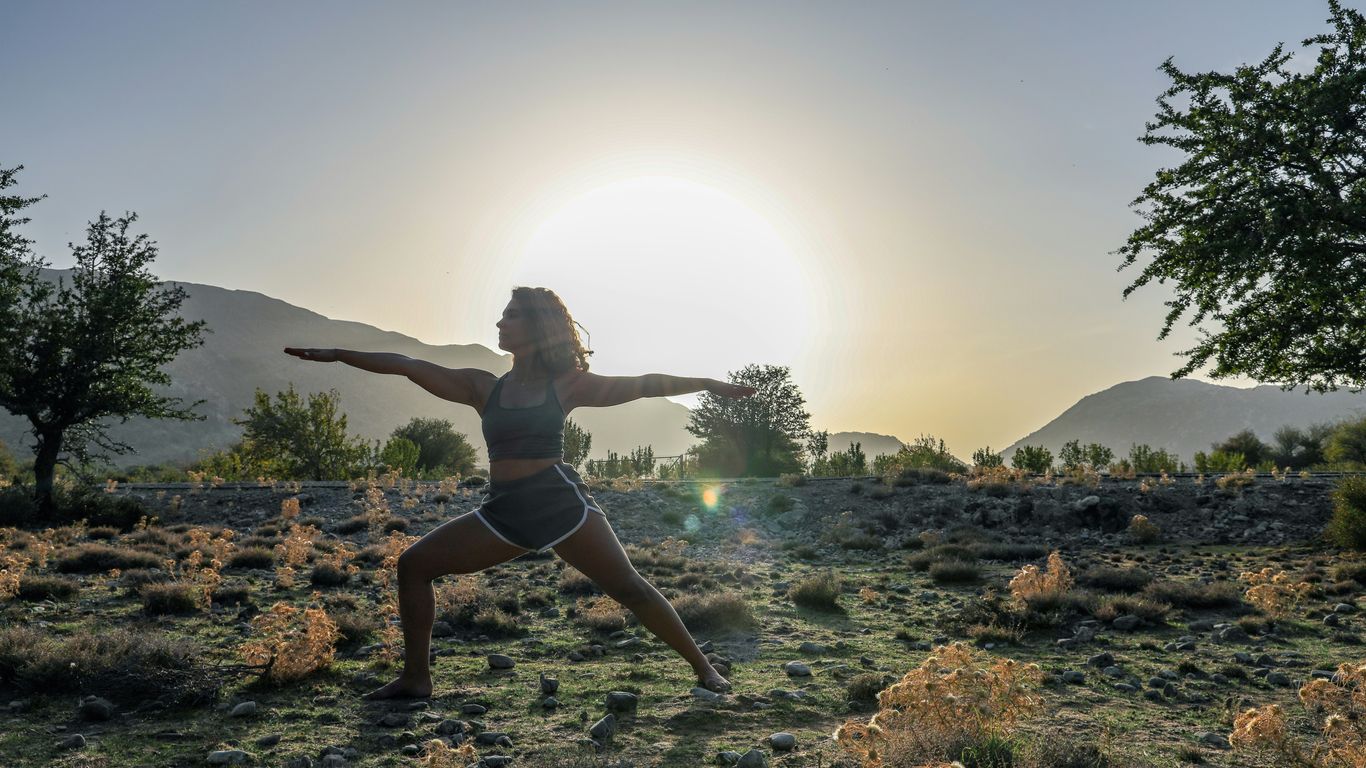
Starting yoga can feel a bit like learning a new language, and the foundational poses are your first vocabulary words. These aren't just random stretches; they're the building blocks for everything else you'll do on the mat. Think of them as the sturdy base of a house – without a solid foundation, the rest of the structure is unstable.
Why Start with Beginner Yoga Poses?
It might seem obvious, but starting with beginner poses is really about setting yourself up for success. Trying to jump into complex poses right away is like trying to run a marathon without training – you're likely to get injured or just feel completely overwhelmed. These initial poses help you get a feel for how your body moves and responds. They teach you to connect with your breath and build a sense of awareness about your own physical space. It’s not about being perfect; it’s about showing up and learning what your body can do right now.
The Importance of Gradual Progression
Yoga isn't a competition, and there's no prize for doing the most difficult pose first. The real magic happens when you allow yourself to progress slowly. Each foundational pose, like Mountain Pose, offers a chance to build strength and flexibility incrementally. This gradual approach minimizes the risk of pulling a muscle or straining yourself. It also helps you develop patience, a quality that’s just as important on the yoga mat as it is in everyday life. You learn to respect your body's limits and celebrate small victories.
Key Principles of Foundational Poses
Foundational poses are designed to be accessible and beneficial for everyone, regardless of their current fitness level. They focus on:
- Alignment: Learning how to position your body correctly to get the most benefit and avoid strain.
- Breath Awareness: Connecting your movement with your breath, which helps calm the mind and deepen the stretch.
- Body Awareness: Tuning into how your body feels in each pose, noticing sensations and making adjustments as needed.
These initial poses are more than just physical postures; they are tools for self-discovery. They help you understand your body's capabilities and limitations, fostering a connection between your mind and body that can extend far beyond your yoga practice.
By focusing on these principles, you create a safe and effective practice that will serve you well as you explore more challenging sequences later on.
Essential Standing Poses for Your First Flow
Mountain Pose: Grounding Your Practice
Mountain Pose, or Tadasana, is where many yoga journeys begin. It might seem like just standing there, but it's actually a really active pose. You want to feel grounded, like your feet are really connected to the earth. This pose is all about finding your center and setting a stable foundation for everything else you'll do. It helps you stand taller and feel more aware of your body. It's the starting point for building better posture and a sense of calm.
Here's how to get into it:
- Stand with your feet together, or if that feels too tight, leave a little space between them.
- Distribute your weight evenly across both feet. Feel the four corners of your feet pressing down.
- Gently engage your thigh muscles and lengthen your spine upwards.
- Let your shoulders relax down away from your ears.
- Your arms can hang by your sides, palms facing forward or towards your body.
Building Confidence with Simple Stretches
Standing poses are fantastic for building strength and balance. They get your blood flowing and help you feel more connected to your physical self. Think of them as the building blocks for more complex movements later on. They teach you how to use your own body weight to create stability and power.
- Improved Balance: Standing poses challenge your stability, which over time, makes you steadier on your feet. This is helpful not just in yoga, but in everyday life too.
- Body Awareness: You start to notice how your body feels when you're standing tall versus when you're slumping. This awareness is a big part of yoga.
- Strength Building: Poses like Warrior II, which you'll get to later, work your legs and core. Even simple standing poses engage muscles you might not use much otherwise.
Don't worry if you wobble a bit at first. Everyone does. The goal isn't to be perfectly still right away, but to practice finding your balance and coming back to it when you lose it. It's a process, and each attempt helps you grow. You can explore 10 essential yoga poses designed for beginners to enhance physical strength and improve balance. Practicing these poses can also cultivate a more serene and focused state of mind. Practicing these poses can also cultivate a more serene and focused state of mind.
Gentle Poses for Spinal Health and Relaxation
When you're just starting out with yoga, it's super important to include poses that are kind to your spine. These aren't the flashy ones you see in magazines, but they're the backbone (pun intended!) of a good practice. They help wake up your back muscles and get things moving smoothly.
Cat and Cow: Warming Up the Spine
This is a dynamic duo that really gets your spine feeling alive. You start on your hands and knees, like a tabletop. On an inhale, you drop your belly, arch your back, and lift your head and tailbone – that’s Cow pose. Then, on an exhale, you round your spine up towards the ceiling, tuck your chin, and let your back puff up like a Halloween cat. It’s a simple movement, but doing it a few times really loosens things up. The key is to move with your breath, letting each inhale and exhale guide the motion.
Here’s a quick rundown:
- Start on all fours, wrists under shoulders, knees under hips.
- Inhale: Drop your belly, lift your chest and tailbone (Cow).
- Exhale: Round your spine, tuck your chin (Cat).
- Repeat for about a minute or two, flowing between the two.
Child's Pose: Embracing Tranquility
After some movement, you need a moment to just be. That's where Child's Pose, or Balasana, comes in. It’s like a gentle hug for your body, especially your back. You kneel on the floor, bring your big toes to touch, and then let your knees spread a bit apart. From there, you fold forward, resting your forehead on the mat and letting your arms stretch out in front of you or rest alongside your body. It’s a pose that really lets you sink into yourself and just breathe. It’s a great way to reset and find some calm, and it’s perfect for anyone looking to ease back pain. You can even place a cushion under your forehead or between your hips and heels if that feels more comfortable. This pose is a wonderful way to find a moment of peace during your practice, and it’s a great way to connect with your breath. You can find more information on Child's Pose and its benefits.
These gentle poses are not just about physical movement; they're about creating a sense of ease and connection within your body. They teach you to listen to your body's signals and respond with kindness, which is a valuable lesson both on and off the mat.
Exploring Seated and Reclining Yoga Poses
After getting a feel for standing poses, it's time to explore positions that bring us closer to the ground. These seated and reclining postures are fantastic for building a sense of calm and stability, and they're super accessible for just about everyone. They offer a chance to really settle into your body and connect with your breath.
Easy Pose: Cultivating Stillness
Easy Pose, or Sukhasana, is exactly what it sounds like – an easy way to sit! It's a simple cross-legged position that's perfect for meditation, breathing exercises, or just taking a moment to be present. It helps you find a comfortable, upright posture without a lot of fuss.
- Start by sitting on the floor.
- Cross your legs comfortably, placing your feet under your opposite knees.
- Rest your hands on your knees, palms facing up or down, whatever feels best.
- Sit tall, lengthening your spine, and relax your shoulders away from your ears.
This pose is a great way to practice mindfulness and prepare your body and mind for deeper relaxation. It’s a gentle reminder that yoga isn't always about big movements; sometimes, it's about finding stillness.
Sometimes, the most profound progress in yoga comes not from pushing your limits, but from learning to be comfortable in stillness. Easy Pose invites this kind of quiet exploration.
Restorative Poses for Deep Relaxation
Restorative yoga uses props like blankets, bolsters, and blocks to support your body in gentle poses for extended periods. The goal here isn't to stretch deeply, but to allow your body to relax completely and release tension. It's like giving your nervous system a much-needed break.
Here are a few restorative poses to try:
- Supported Child's Pose: Place a bolster or folded blankets between your thighs and chest, allowing your torso to rest fully. Your forehead can rest on the mat or a block.
- Legs-Up-the-Wall Pose (Viparita Karani): Sit with your side against a wall, then swing your legs up the wall as you lie back. This pose is amazing for circulation and calming the mind. You can place a blanket under your hips for extra comfort.
- Supported Bridge Pose: Lie on your back with knees bent and feet flat on the floor. Place a block or bolster under your sacrum (the bony part at the base of your spine). Let your body be supported by the prop.
These poses are wonderful for winding down after a more active practice or anytime you need a moment of deep rest. They help calm the mind and soothe the body, making them a perfect addition to your yoga posture guide.
Remember, the key to restorative yoga is comfort and support. Don't hesitate to adjust props until you feel completely at ease. It’s all about letting go and allowing your body to be held.
Mastering Key Poses for Strength and Flexibility
Alright, so you've gotten a feel for the basics, and now it's time to talk about some poses that really start to build that inner strength and help you open up. Don't let the simplicity fool you; these poses are powerhouses. They work your muscles in new ways and start to lengthen those tight spots.
Downward-Facing Dog: A Full-Body Energizer
This one, Downward-Facing Dog (Adho Mukha Svanasana), is a classic for a reason. It's like a gentle reset button for your whole body. You're essentially creating an inverted 'V' shape with your body. It stretches out your hamstrings, calves, and shoulders, while also giving your arms and wrists a good strengthening workout. It's a fantastic way to build stamina and get your blood flowing.
Here's a quick rundown on getting into it:
- Start on your hands and knees, with your hands directly under your shoulders and knees under your hips.
- Spread your fingers wide, pressing firmly into your palms.
- Tuck your toes and lift your hips up and back, straightening your legs as much as feels comfortable.
- If your hamstrings are tight, don't worry about straightening your legs completely. Bending your knees a bit is totally fine and actually helps you lengthen your spine better.
- Let your head hang heavy between your arms, relaxing your neck.
It might feel a little awkward at first, but with regular practice, you'll notice a big difference in how your body feels. It's a pose that really helps you connect with your physical self.
Benefits of Basic Poses for Flexibility
Beyond just building strength, these foundational poses are also your best friends when it comes to improving flexibility. Think about how much time many of us spend sitting – these poses help counteract that stiffness. Poses like Downward-Facing Dog, as mentioned, work on the back of your legs and your spine. Others, like a simple Seated Forward Fold, can really help release tension in your lower back and hips.
Here are some ways these poses help you become more flexible:
- They gently stretch muscles that tend to get tight from daily activities.
- Over time, you'll notice an increase in your range of motion, making everyday movements feel easier.
- Looser muscles are less prone to strains and injuries, both on and off the mat.
Remember, the goal isn't to force yourself into a pretzel. It's about listening to your body and gradually encouraging it to open up. Using props like blocks or straps can be super helpful when you're starting out, allowing you to get the stretch without pushing too hard. It's all about finding what works for your body right now. You can find some great yoga stretches that focus on this.
Consistency is key here. Even a few minutes each day can lead to significant improvements in how flexible and comfortable you feel in your own body. It's a journey, not a race, so be patient with yourself.
Tips for a Safe and Effective Beginner Practice
Starting out with yoga is exciting, but it's also smart to have a few pointers to keep things smooth and safe. Think of these as your friendly guideposts on the mat.
Listening to Your Body's Limits
This is probably the most important thing to remember. Yoga isn't a competition, and it's definitely not about pushing yourself into pain. Your body will give you signals, and it's your job to pay attention. If something feels like a sharp pinch or a strain, that's your cue to back off a bit. It's okay to feel a stretch, but sharp pain means stop. Flexibility and strength build over time, not overnight.
- Start with poses that feel accessible, like Mountain Pose, to build confidence.
- Don't be afraid to use props like blocks or straps to support yourself.
- Child's Pose is always there as a safe place to rest and reset when you need it.
Progress in yoga isn't about how far you can stretch today—it's about showing up consistently and letting your body adapt over time.
The Role of Breath in Foundational Poses
Your breath is like your anchor in yoga. It helps you stay present and can even calm your mind when a pose feels a little tricky. Try to sync your breath with your movements. For example, inhale as you lengthen your spine, and exhale as you deepen a stretch. Even simple poses become more meaningful when you focus on your breath.
Seeking Guidance from Certified Instructors
While practicing on your own is great, having an instructor can really make a difference, especially when you're new. They can spot things like your alignment, help you avoid common mistakes that might lead to injury, and offer modifications if a pose isn't quite working for you. If going to a studio isn't possible, many online classes offer great instruction too. Look for teachers who have experience with beginners; they'll know just how to guide you.
Here's a simple way to structure your week:
| Day | Focus Area | Suggested Duration |
|---|---|---|
| Monday | Standing Poses | 10 minutes |
| Wednesday | Restorative Poses | 15 minutes |
| Friday | Flow & Energizing | 20 minutes |
Keep Flowing!
So, you've taken your first steps into the world of yoga, exploring some basic poses. That's awesome! Remember, this is just the beginning. Yoga isn't about nailing every pose perfectly right away, or comparing yourself to anyone else. It's really about showing up for yourself, listening to your body, and enjoying the journey. Keep practicing, be patient, and you'll find your own rhythm. Roll out your mat whenever you can, take a breath, and see where it takes you. You've totally got this.
Frequently Asked Questions
What are yoga starting positions and why are they important?
Yoga starting positions, also called foundational poses, are simple yoga moves designed for people new to yoga. They are super important because they help you learn how to line up your body correctly, which keeps you safe. They also teach you how to breathe with your movements, making your practice more calming and effective. Think of them as the building blocks for all the cool yoga stuff you'll do later.
Can I really get a good workout from beginner yoga poses?
Absolutely! Even though these poses are simple, they still work your muscles, help you stand up straighter, and make you more flexible over time. You might not be sweating buckets right away, but practicing them regularly builds strength and makes your body feel better. It's less about intensity and more about steady progress.
What if I'm not flexible enough for yoga?
That's a common worry, but yoga is for everyone, no matter how flexible you are! Beginner poses are designed to be accessible. If a stretch feels too hard, you can ease up or use things like yoga blocks or straps to help you. The goal is to gently open up your body over time, not to force it into positions it's not ready for.
How often should I practice yoga as a beginner?
Consistency is key! Even practicing for just 10-15 minutes a day can make a big difference. It's better to practice a little bit regularly than to do a long session once in a while. Try to set aside a specific time each day or a few times a week to get on your mat. Your body will thank you for it!
What's the best way to avoid getting hurt when doing yoga?
The most important rule is to listen to your body. If something feels painful, stop or adjust the pose. Don't try to push yourself too hard, especially when you're starting. Learning the correct way to do poses from a teacher or reliable guide is also super important to make sure you're aligned properly and not straining anything.
Do I need a special teacher to learn yoga?
While you can learn a lot from guides and videos, having a qualified yoga instructor can be really helpful, especially at the beginning. They can show you exactly how to do the poses, correct your posture if you're doing something wrong, and give you tips tailored to you. This helps make your practice safer and more effective.


