

Mastering Yoga: Essential Beginner Positions for a Strong Start
Starting yoga can feel a little overwhelming, especially when you're not sure where or how to begin. But don’t worry—this guide is here to help. Yoga beginner positions are the perfect way to ease into the practice without feeling lost or frustrated. These poses are simple, approachable, and give you a solid base to build on as you grow more comfortable. Let’s get started on your yoga journey.
Key Takeaways
- Yoga beginner positions are simple, approachable poses that help build confidence and body awareness for new practitioners.
- These foundational poses are important for improving strength, flexibility, and balance over time.
- Consistent practice, even for short periods, is more effective for progress than infrequent long sessions.
- It's important to listen to your body and avoid pushing past your limits to ensure a safe and positive experience.
- Seeking advice from a qualified yoga instructor can help ensure proper form and prevent injuries.
Understanding Foundational Yoga Beginner Positions
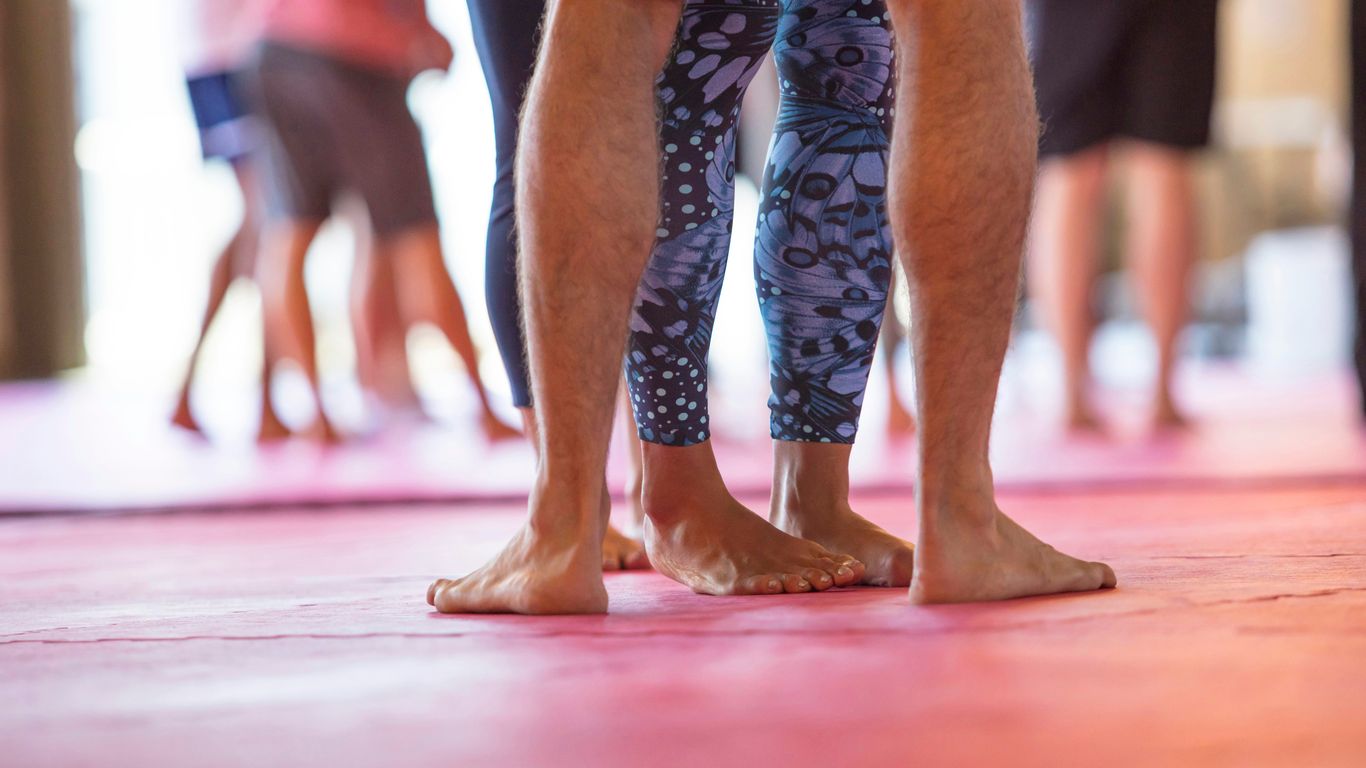
Starting yoga can feel a bit daunting, right? You see all these flexible people on Instagram and wonder if you'll ever get there. But here's the thing: everyone starts somewhere, and that somewhere is with these basic, beginner-friendly poses. Think of them as your yoga toolkit, the building blocks for everything else you'll do on the mat.
What Are Yoga Starting Positions?
Yoga starting positions are essentially the entry-level poses. They're designed to be simple, approachable, and safe, helping you get a feel for how your body moves and responds. They're not just about stretching; they're about learning to connect with your breath and becoming aware of your body's alignment. These poses are the foundation upon which you'll build your practice, much like learning your ABCs before writing a story. They help you build confidence and a sense of what feels right in your body.
Why They Are Crucial for Beginners
For anyone new to yoga, these foundational poses are incredibly important. They teach you the basics of alignment, which is key to preventing injuries. Getting your body in the right position from the start means you can actually feel the benefits of the pose without straining yourself. Plus, they help you sync up your breath with your movements, a core part of yoga that can feel tricky at first. Mastering a few simple poses can really boost your confidence and make you want to keep practicing.
Here’s a quick rundown of why they matter:
- Injury Prevention: Proper alignment taught in basic poses reduces the risk of pulling a muscle or straining yourself.
- Body Awareness: You start to notice how your body feels, where you hold tension, and how to move more mindfully.
- Confidence Building: Successfully holding a pose, even a simple one, gives you a sense of accomplishment.
- Breath Connection: Learning to breathe with your movement is a skill that improves with these foundational poses.
Common Misconceptions About Starting Poses
There are a few myths floating around about these beginner poses. Some people think they're too easy, or that they don't really count as 'real' yoga. But that's just not true. Even experienced yogis use these poses to warm up, refine their technique, or simply reconnect with the basics. They might seem simple, but they still work your muscles, improve your flexibility, and help with your posture. Skipping them because you think they're 'too basic' can actually lead to developing bad habits or even getting hurt later on. It’s better to start with the standing and seated postures and build from there.
Starting with the basics isn't just a suggestion; it's a smart way to begin. It teaches you patience and focus, and helps you build a practice that truly works for your body, not against it. These fundamental yoga poses are your first step on a rewarding journey.
Essential Yoga Beginner Positions for a Strong Start
Starting yoga can feel a little overwhelming, especially when you're not sure where or how to begin. But don’t worry—this section is here to help. Yoga starting positions are the perfect way to ease into the practice without feeling lost or frustrated. These poses are simple, approachable, and give you a solid base to build on as you grow more comfortable. Let’s look at some of the key poses that will get you started on your yoga journey.
Mountain Pose (Tadasana) and Its Benefits
Mountain Pose, or Tadasana, is often the first pose beginners learn. It might look simple—standing upright with feet together and arms at your sides—but it’s a powerhouse for improving posture and balance. This pose teaches you how to ground yourself and connect with your breath, making it a perfect starting point for any yoga practice. It's the foundation upon which many other standing poses are built.
Here's a quick rundown of its benefits:
- Strengthens thighs, knees, and ankles.
- Improves posture and body awareness.
- Creates a sense of stability and calm.
To practice Tadasana:
- Stand with your feet together or slightly apart.
- Distribute your weight evenly across both feet.
- Engage your thighs and lengthen your spine.
- Relax your shoulders while keeping them aligned.
- Breathe deeply, focusing on staying steady.
Child's Pose (Balasana) for Relaxation
Child's Pose is a go-to position for rest and relaxation. Kneeling on the mat, you fold your torso over your thighs and stretch your arms forward or rest them by your sides. It’s a gentle stretch for the back, hips, and ankles, while offering a moment to reset. It's a pose that many find incredibly comforting, especially when you need a break during a yoga session.
Why beginners love it:
- Releases tension in the lower back and shoulders.
- Encourages deep breathing and relaxation.
- Provides a safe space to pause during a yoga session.
Pro tip: If your forehead doesn’t comfortably reach the mat, use a folded blanket or a cushion for added support.
Downward Facing Dog: A Foundational Pose
Downward Facing Dog, or Adho Mukha Svanasana, is a staple in yoga sequences. It’s a full-body stretch that strengthens the arms, shoulders, and legs while lengthening the spine. Beginners might find it challenging at first, but with consistency, it becomes a favorite. It's a pose that really helps you understand how your body can move and stretch.
Key steps for Downward Dog:
- Start on your hands and knees.
- Spread your fingers wide and press into the mat.
- Lift your hips toward the ceiling, forming an inverted V shape.
- Keep your knees slightly bent if your hamstrings feel tight.
- Focus on elongating your spine and relaxing your neck.
Benefits include:
- Stretches the hamstrings, calves, and shoulders.
- Strengthens the arms and wrists.
- Boosts energy by increasing blood flow.
Starting with these foundational poses builds confidence and sets the stage for a fulfilling yoga journey. Remember, progress comes with patience and practice. You can find more information on these and other beginner poses in this guide.
Building Strength and Flexibility with Foundational Poses
Foundational yoga poses might look simple, but don't let that fool you—they pack a punch when it comes to building strength. These poses engage multiple muscle groups, often requiring you to hold your body weight in ways you're not used to. For example, poses like Warrior II engage your legs and glutes, promoting physical resilience and stability. By incorporating various yoga postures, individuals can improve their overall physical conditioning and develop a stronger physique. This is a great way to start your yoga journey and build a strong foundation.
How Yoga Beginner Positions Improve Strength
These basic stances are surprisingly effective for building muscle and endurance. They challenge your body in new ways, often using your own weight as resistance. Think of Plank Pose, which really works your core, shoulders, and arms. Or Chair Pose, which gives your thighs and calves a good workout. Practicing these regularly creates a solid base for more advanced poses and helps improve your posture and stability, which is useful both on and off the mat.
Flexibility Benefits of Basic Poses
Yoga isn't just about getting stronger; it's also about opening up your body. Foundational poses like Downward Facing Dog stretch out your hamstrings, calves, and spine. Adding these to your practice can help reduce stiffness, especially if you sit a lot during the day. Over time, you'll notice an improvement in your range of motion, and loosening tight muscles can also help prevent injuries.
Here's a quick look at what you can gain:
- Reduced stiffness from prolonged sitting.
- Improved range of motion over time.
- Help in preventing injuries by loosening tight muscles.
Getting the alignment right is key to reaping the benefits of these poses and avoiding strain. Always start slow, focusing on form rather than depth. It’s better to hold a shallow pose correctly than to overextend and risk injury. Using props like blocks or straps can help you find proper alignment without overdoing it. And remember, a strong core supports your back and keeps you balanced in almost every pose.
Key Alignment Tips for Beginners
- Start slow: Focus on form over depth. It's better to hold a pose correctly, even if it's not as deep, than to push too hard and risk injury.
- Use props: Blocks, straps, or even a wall can be your best friends when you're starting out. They help you achieve the right alignment without straining.
- Engage your core: This is super important. A strong core acts like a natural support system for your back and helps with balance in pretty much every pose.
Always listen to your body. If a pose feels wrong, adjust it instead of pushing through discomfort. Yoga is about awareness, not perfection. You can find more information on yoga poses for strength to help you along the way.
The Mind-Body Connection Through Yoga Beginner Positions
Yoga isn't just about moving your body; it's about connecting what you feel physically with what's going on in your head. Those basic poses you're learning? They're actually pretty powerful tools for this connection. When you're in Mountain Pose, for example, you're not just standing there. You're noticing how your feet feel on the ground, how your spine is lengthening, and how your breath is moving in and out. It’s a simple act, but it pulls your attention away from all the usual mental chatter.
The Role of Breath in Foundational Poses
Your breath is like the anchor in your yoga practice. It's what keeps you steady when a pose feels a bit wobbly or challenging. Think about holding Downward Facing Dog. Instead of getting frustrated that your hamstrings feel tight, you can focus on taking slow, deep breaths. This controlled breathing helps calm your nervous system and allows you to stay present. It’s amazing how much longer you can hold a pose, and how much more stable you feel, just by paying attention to your breath. This practice of conscious breathing is a core part of yoga enhancing the mind-body connection.
Mindfulness Practices in Basic Yoga
Basic yoga poses are a fantastic way to practice being mindful without needing to do anything complicated. It’s about bringing your awareness to the present moment.
- Noticing Sensations: Feel the stretch in your muscles, the pressure on your hands, or the way your body feels supported.
- Observing Thoughts: When your mind wanders (and it will!), just notice the thought without judging it, then gently bring your focus back to your breath or the pose.
- Accepting Your Body: Acknowledge where you are today. Some days you'll feel more flexible or stronger than others, and that's perfectly okay.
How Starting Positions Foster Mental Clarity
Sometimes, the simplest things can clear your head the most. Beginner poses like Mountain Pose or even just lying down in Savasana (Corpse Pose) are great for this. They’re not demanding, which means you can really focus on the physical sensations and your breath. When you concentrate on how your body is aligned and the rhythm of your breathing, it’s like hitting a pause button on a busy day. Taking the time to get these basic poses right isn't just about learning yoga; it's about creating a quiet space in your mind.
Practicing these foundational poses regularly helps you build a sense of calm and focus that can extend beyond your mat. It’s about learning to be present with yourself, whatever that looks like on any given day.
This connection between physical movement and mental awareness is a big reason why people stick with yoga. It’s not just about getting more flexible or stronger, though those things happen too. It’s about feeling more centered and clear-headed. For those looking to deepen this sense of connection, exploring partner yoga can be a wonderful next step.
Tips for Mastering Yoga Beginner Positions Safely
Getting started with yoga is exciting, but doing it safely means paying attention to a few key things. It's not about how fast you can get into a pose, but how well you can do it without hurting yourself. Think of it like learning to ride a bike; you start slow, maybe with training wheels, and gradually build up your skills.
The Importance of Consistency in Practice
Showing up regularly is way more important than how long you practice each time. Try to set aside a little time each day, even just 10 or 15 minutes, to get on your mat. This builds muscle memory and helps the poses feel more natural over time. You'll be surprised how much progress you make just by being consistent. Here’s a simple way to structure your week:
- Monday: Focus on standing poses like Mountain Pose for about 10 minutes.
- Wednesday: Dedicate 15 minutes to relaxing poses, such as Child’s Pose.
- Friday: Spend 20 minutes exploring a simple flow that includes poses like Downward Facing Dog.
Listening to Your Body’s Limits
Yoga isn't a competition, and it's definitely not about pushing yourself into pain. Your body will give you signals. If something feels sharp or wrong, ease out of the pose. A little bit of stretch or mild discomfort is okay, but sharp pain is your cue to stop. Strength and flexibility come with time and patience, not force. You can always use props like blocks or straps to make foundational poses more accessible. Remember, Child's Pose is always there if you need a moment to reset.
Progress in yoga isn’t about how far you can stretch today—it’s about showing up consistently and letting your body adapt over time.
Seeking Guidance from Certified Instructors
While practicing on your own is great, having a qualified instructor can really help. They can spot things you might miss, like how you're aligning your body, and offer adjustments to keep you safe. If you can't make it to in-person classes, many experienced teachers offer online sessions. A good instructor knows how to guide beginners, encouraging steady progress without pushing you too hard. Don't be afraid to ask questions or let them know if you need a modification for a pose. Finding the right teacher can make a big difference in your yoga journey.
Common Challenges and How to Overcome Them
Starting yoga is awesome, but let's be real, it's not always smooth sailing. You might run into a few bumps along the way, especially when you're just getting the hang of things. Don't let that discourage you, though! Most beginners face similar hurdles, and there are simple ways to work through them.
Dealing with Tight Muscles in Starting Poses
Lots of people find that certain muscles just feel super tight, making poses like forward folds or even just reaching your toes feel impossible. Hamstrings and shoulders are common culprits. The key here is patience. Instead of forcing anything, focus on gradual progress. It's like trying to untangle a knot; you can't just yank it.
- Warm-up: Spend a few minutes doing some gentle movements before you even get into a pose. Think simple leg swings or arm circles.
- Use Props: Don't be shy about using yoga blocks or straps. They're not cheating; they're tools to help your body find the right position safely. A block under your hands in a forward fold can make a huge difference.
- Targeted Poses: Some poses are great for loosening up. Child's Pose is a fantastic resting pose that also gently stretches your back and hips.
Progress in yoga isn’t about how far you can stretch today—it’s about showing up consistently and letting your body adapt over time.
Overcoming Balance Issues
Feeling wobbly in poses like Tree Pose? Totally normal! Even experienced yogis sometimes lose their balance. It’s all part of the process. The more you practice, the steadier you'll become. Think of it like learning to ride a bike; you fall off a few times before you get the hang of it.
- Use Support: Practice near a wall. You can lightly touch it for stability if you feel yourself tipping.
- Engage Your Core: Your core muscles are your body's anchor. Actively drawing your belly button towards your spine helps a lot.
- Focus Your Gaze: Pick a spot on the wall or floor in front of you and keep your eyes fixed on it. This helps calm your nervous system and improve stability.
Staying Motivated as a Beginner
It's easy to get discouraged when you don't see huge changes overnight. Yoga is a journey, and sometimes the progress feels slow. But remember why you started! There are plenty of benefits to yoga practice, even beyond the physical.
- Set Small Goals: Aim for consistency rather than intensity. Maybe try practicing three times a week for 15 minutes each time.
- Celebrate Wins: Did you hold a pose a little longer today? Did you feel a bit more relaxed after your session? Acknowledge those small victories!
- Find a Buddy or Class: Having someone to practice with or a class to attend can provide accountability and make it more fun. Exploring basic yoga poses with a friend can be motivating.
Your Yoga Journey Starts Now
So, you've learned about some basic yoga poses. It might seem like a lot at first, but remember, everyone starts somewhere. These simple positions are your building blocks. Don't worry about getting them perfect right away. Just focus on showing up on your mat, listening to your body, and breathing. Consistency is way more important than how flexible you are or how long you can hold a pose. Keep practicing these moves, and you'll start to feel the difference. You've got this!
Frequently Asked Questions
What are the most important beginner yoga poses?
For beginners, poses like Mountain Pose (Tadasana) are great for learning to stand tall and balanced. Child's Pose (Balasana) is perfect for resting and calming down. Downward Facing Dog is a good full-body stretch that strengthens your arms and legs.
Why are basic yoga poses important?
Basic poses are like the building blocks of yoga. They teach you how to line up your body correctly to avoid getting hurt, help you get used to breathing with movement, and build your confidence so you feel ready for more challenging poses later on.
Can I really get a workout from simple yoga poses?
Absolutely! Even though they seem easy, basic poses work your muscles, help your posture, and make you more flexible. Holding poses like Plank or Warrior II uses your body weight to build strength and endurance.
How does breathing help in yoga?
Breathing is super important in yoga. It helps you stay focused and calm, like a guide for your body. When you breathe deeply and smoothly, you can hold poses longer and feel more steady and relaxed.
What if I have tight muscles or trouble balancing?
It's okay! If your muscles are tight, warm up gently and use props like blocks to help. For balance, practice near a wall for support and focus on a single spot. Remember, these things get better with regular practice.
How often should I practice yoga as a beginner?
Consistency is more important than how long you practice. Try to do yoga for about 10-15 minutes every day, or at least a few times a week. This helps your body build muscle memory and makes progress steady and safe.


