

Mastering Ashtanga Yoga: A Comprehensive Guide for Beginners and Beyond
Thinking about trying Ashtanga yoga? It's a practice that's been around for a while, and for good reason. It's known for being pretty structured and can really challenge you, both physically and mentally. If you're looking for a way to build strength, get more flexible, and maybe even find a bit more calm in your day-to-day life, Ashtanga yoga might be worth exploring. It's more than just the poses; it's about connecting your breath to your movement and learning to focus. This guide will walk you through what Ashtanga yoga is all about and how you can get started, no matter your current fitness level.
Key Takeaways
- Ashtanga yoga follows a set series of poses, linked together with breath and movement (vinyasa).
- The practice emphasizes Ujjayi breath and specific gaze points (drishti) to build focus and internal heat.
- Start slowly and listen to your body; don't worry about perfection, especially when you're new to Ashtanga yoga.
- Finding a qualified Ashtanga yoga teacher is highly recommended for safe and effective practice.
- Consistency is more important than intensity; regular practice, even if short, leads to progress in Ashtanga yoga.
Understanding the Foundations of Ashtanga Yoga
Ashtanga Yoga isn't just about bending yourself into pretzel shapes; it's a whole system with a deep philosophy behind it. Think of it as a structured path, not just for your body, but for your mind and spirit too. It's been around for a long time, drawing from ancient yogic texts. The whole idea is to build strength, flexibility, and mental focus, all while connecting your breath to your movements. It's a practice that can really change things up.
The Eight Limbs of Ashtanga Yoga
The name
Navigating the Ashtanga Yoga Sequences
Ashtanga Yoga is known for its set sequences, and the Primary Series, or 'Yoga Chikitsa,' is where most people begin. This series is like a yoga therapy session, designed to detoxify and align the body. It's not just about memorizing poses; it's about moving through them with breath and focus. The structure is quite specific, and understanding it is key to developing a steady practice.
Mastering Key Ashtanga Yoga Poses
The Primary Series has a set order of postures. You'll start with Sun Salutations, which are basically warm-ups that get your blood flowing and prepare you for what's next. Then come the standing poses, building strength and balance. After that, you move into seated poses, which are great for flexibility and opening up the hips. Finally, there's a finishing sequence that winds things down. It's a lot to take in at first, but each pose builds on the one before it. The goal is to move through the sequence with your breath, not just to get through the poses.
The Art of Jump Backs and Jump Throughs
These transitions, often called 'jump backs' and 'jump throughs,' can seem pretty intimidating when you first see them. They're a way to move between poses, like from a forward fold to a plank, or from a plank back to a seated position, using your breath and core strength. It takes time and practice to get these smooth. Don't worry if you're not jumping right away; many people step or walk through these transitions. The key is to engage your core and use your exhale to move back and your inhale to move forward. It's a skill that develops over time, so be patient with yourself. You can find some helpful tips on how to approach these movements [8efe].
Understanding Vinyasa Flow
Vinyasa is the word for linking breath with movement. In Ashtanga, every movement between poses is synchronized with an inhale or an exhale. This creates a continuous flow, almost like a dance. It helps build internal heat, which is thought to purify the body. The Sun Salutations are a perfect example of Vinyasa. You'll inhale to move into one position and exhale to move into the next. This constant connection between breath and movement is what makes Ashtanga feel so dynamic and meditative. It's not just about the poses themselves, but the way you move between them. This mindful movement is a core part of the [7b54] practice.
Here's a basic breakdown of how Vinyasa works in the Primary Series:
- Sun Salutations: Each movement (e.g., stepping forward, lifting arms) is paired with a breath.
- Transitions: Moving from one pose to the next, like from Plank to Chaturanga, is done on an exhale.
- Flow: Inhaling often lifts or opens the body, while exhaling typically grounds or folds it.
The sequences in Ashtanga are designed to be practiced in a specific order. While the poses themselves are important, the way you transition between them using your breath is just as significant. It's this continuous flow that builds heat and focus.
It's easy to get caught up in trying to do the poses perfectly, but remember that the breath and the flow are just as important, if not more so. Building a consistent practice means showing up regularly and working with what your body can do each day. Don't be afraid to ask for help from a teacher if you're unsure about a pose or a transition. Finding a qualified instructor can make a big difference in your progress and safety.
Beginning Your Ashtanga Yoga Journey
Starting Ashtanga yoga can feel like a big step, and honestly, it is. It's a structured practice, and that can be both a comfort and a challenge when you're just getting going. But don't let the set sequences or the reputation for intensity put you off. The most important thing is to be patient with yourself and focus on showing up. Nobody masters the Primary Series on day one, or even day one hundred. It’s a journey, and every little bit of progress counts.
Tips for New Ashtanga Yoga Practitioners
When you're new to this style, it's easy to feel a bit lost. Here are some pointers to help you find your footing:
- Start with the basics: If you're completely new to yoga, don't jump straight into the full Primary Series. Get comfortable with the Sun Salutations and a few standing poses first. This helps your body get used to the movement and builds a foundation without feeling totally overwhelmed.
- Listen to your body: This is huge. Your body will tell you what it needs. If something feels painful, ease up. Modify poses. It’s not about pushing yourself to the absolute limit every time. Yoga is about connection, not just pushing boundaries.
- Use props: Seriously, don't be shy about blocks, straps, or blankets. They aren't a sign of weakness; they're tools to help you get into poses safely and with better alignment. They can make a world of difference.
- Find a teacher: While online resources are great, a good teacher can offer personalized feedback. They can spot alignment issues you might miss and guide you through the practice safely. Look for someone who emphasizes proper form and a mindful approach.
Starting with Sun Salutations
Sun Salutations, or Surya Namaskar, are the warm-up for Ashtanga. They link breath and movement, and doing them consistently will prepare your body for the rest of the practice. There are two main types, A and B, and practicing them regularly is a great way to build stamina and get a feel for the flow. Focus on the Ujjayi breath – that gentle constriction in the throat that creates a soft sound. It’s your anchor. You can find great resources online to learn the correct sequence and breath count for Sun Salutations.
Building Strength and Flexibility Gradually
Ashtanga is known for building both strength and flexibility, but this doesn't happen overnight. It's a gradual process. If you find certain poses challenging, like Chaturanga Dandasana (Four-Limbed Staff Pose), don't get discouraged. Consistent practice, even if it's just a few poses a day, will slowly increase your range of motion and muscle strength. You might also consider some gentle stretching outside of your Ashtanga routine to help improve flexibility over time. Remember, consistency is more important than intensity. A shorter, regular practice is far more beneficial than a long, infrequent one. It's okay to take breaks and rest when you need to; this is part of the process too. For example, learning to transition into poses like the Upward Bow Pose requires patience and building up strength over time, and there are specific ways to approach it, like starting with your heels and hips close together [e95d].
The journey of Ashtanga yoga is a marathon, not a sprint. Each practice is an opportunity to learn, to grow, and to connect with yourself. Celebrate the small victories and be kind to yourself on the days when practice feels more challenging. The breath is always there to guide you back to the present moment.
Developing a Consistent Ashtanga Practice
Building a regular Ashtanga practice isn't always easy, but it's totally doable. It's less about doing the whole series perfectly every single day and more about showing up for yourself. Think of it like tending a garden; you need consistent care for things to grow.
Creating Your Personal Ashtanga Practice Space
Having a dedicated spot for your yoga can make a big difference. It doesn't need to be fancy, just a quiet corner where you can roll out your mat without distractions. This space becomes a signal to your brain that it's time to practice. It helps build that routine we talked about. Even a small area can work, as long as it feels like yours.
The Importance of Regularity
Consistency is really the name of the game in Ashtanga. It's better to practice for 20 minutes every day than to do a full two-hour session once a week. This regular engagement helps your body adapt and build strength and flexibility gradually. It also trains your mind to stay present.
Here’s a simple way to think about it:
- Show Up: Aim to get on your mat, even if you don't feel like it.
- Breathe: Focus on your Ujjayi breath; it's your anchor.
- Move: Go through the poses you know, or just do Sun Salutations.
- Be Kind: Don't judge yourself. Every practice is different.
The structured nature of Ashtanga, with its set sequences, provides a reliable framework. This predictability can be incredibly grounding, allowing practitioners to focus their energy inward and observe the subtle shifts happening within their physical and mental landscapes. It’s a path that rewards patience and persistence. You can adapt your Ashtanga practice to fit your available time and energy, which is key to a sustainable routine. Adapting Ashtanga practice
Staying Motivated Through Challenges
There will be days when you feel tired, stiff, or just plain unmotivated. That's totally normal. Instead of pushing through or giving up, try to adapt. Maybe you do a shorter practice, or focus on just the standing poses. Keeping a journal can help you see how far you've come, which is a great motivator. Celebrating small wins, like holding a pose a little longer or feeling more steady, also goes a long way. Remember, it's a journey, not a race. If you're short on time, a potent 20-minute routine can still be incredibly beneficial. Connecting with other practitioners can also provide support and inspiration when you need it most.
The Role of Guidance in Ashtanga Yoga
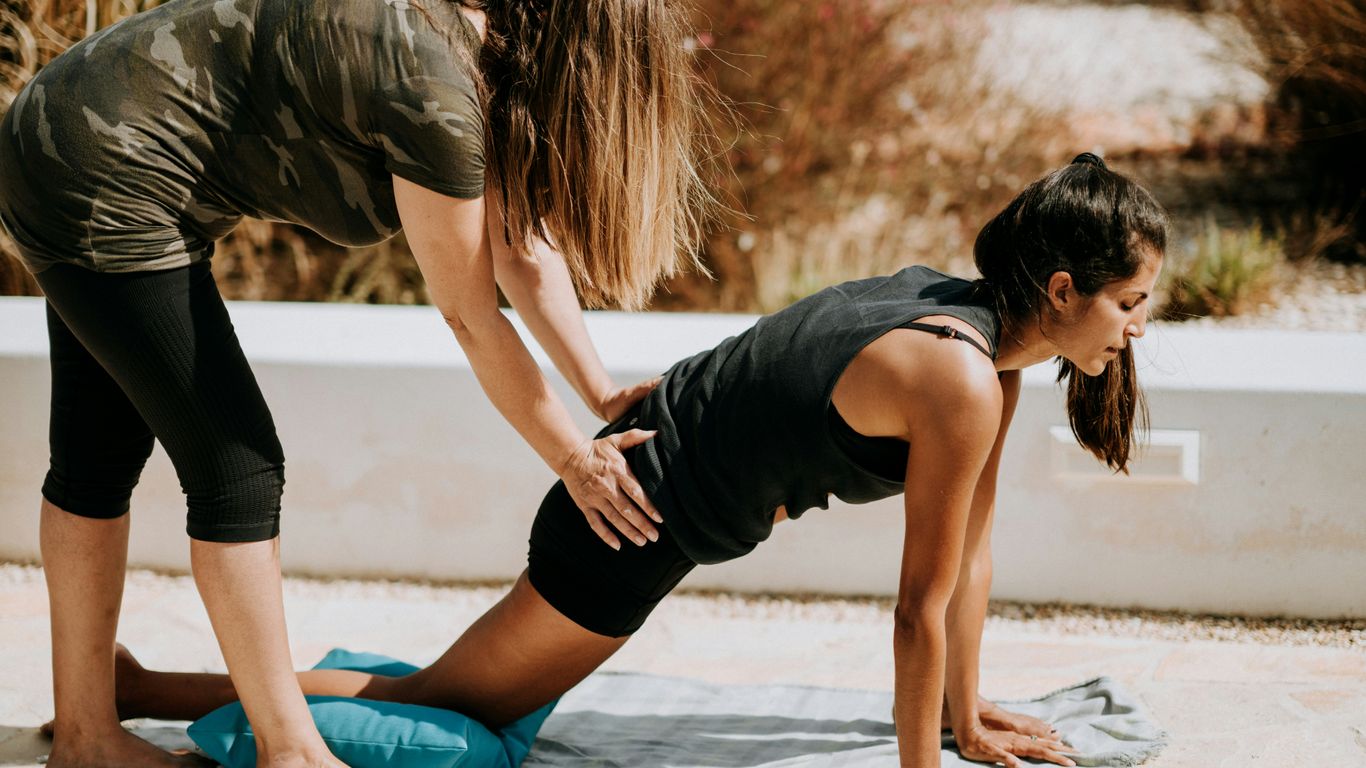
Starting Ashtanga can feel like learning a new language, and honestly, sometimes it feels like you're just fumbling around. That's where having someone who actually knows what they're doing comes in super handy. A good teacher isn't just there to show you the next pose; they're like a guide on a hike, pointing out the tricky roots and the best way to step so you don't trip.
Finding a Qualified Ashtanga Yoga Teacher
Seriously, don't skip this step. A qualified instructor can spot things in your posture that you'd never see yourself. They know how to adjust you safely, which is a big deal in a practice that can push your limits. They can also offer modifications when a pose feels impossible, making sure you're still getting the benefits without risking injury. Think of them as your personal Ashtanga coach, helping you build a solid foundation. It's really about making sure you're practicing correctly from the get-go. You can find great teachers online too, which is a lifesaver if you don't have a studio nearby. Check out Ashtanga teachers for online classes.
Benefits of Workshops and Community
Beyond regular classes, workshops are fantastic for digging deeper into specific poses or concepts. They're usually more intensive and give you a chance to ask all those burning questions you might be too shy to ask in a regular class. Plus, being part of a yoga community, whether it's at a studio or online, makes the whole journey feel less isolating. You get to share experiences, cheer each other on, and realize you're not the only one struggling with that tricky bind. It’s a shared effort, really.
Understanding Modifications and Safety
This is where a teacher really shines. They'll show you how to use props like blocks or straps to get into poses safely, even if you're not super flexible yet. They'll also teach you to listen to your body, which is probably the most important lesson of all. Pushing too hard too soon is a fast track to getting hurt, and that's the last thing anyone wants. A good teacher helps you find that sweet spot between challenging yourself and respecting your body's current limits.
Ashtanga yoga is a powerful practice, but like any powerful tool, it needs to be handled with care and knowledge. Guidance ensures you're not just going through the motions, but truly understanding the 'why' behind the 'what'. It's about building a sustainable practice that supports your well-being long-term.
Here's a quick look at what a teacher can help with:
- Alignment: Getting the basic setup right and then refining subtle details.
- Breath: Syncing your breath with movement and learning deeper breathing techniques.
- Modifications: Using props and variations to suit your body.
- Safety: Preventing injuries and knowing your personal limits.
Remember, consistent practice brings results, and having a guide makes that journey smoother and safer. The physical benefits, like improved stamina and flexibility, are noticeable, but the mental clarity that comes with a well-guided practice is just as significant. Ashtanga yoga offers holistic benefits when approached with the right support.
Deepening Your Ashtanga Yoga Experience
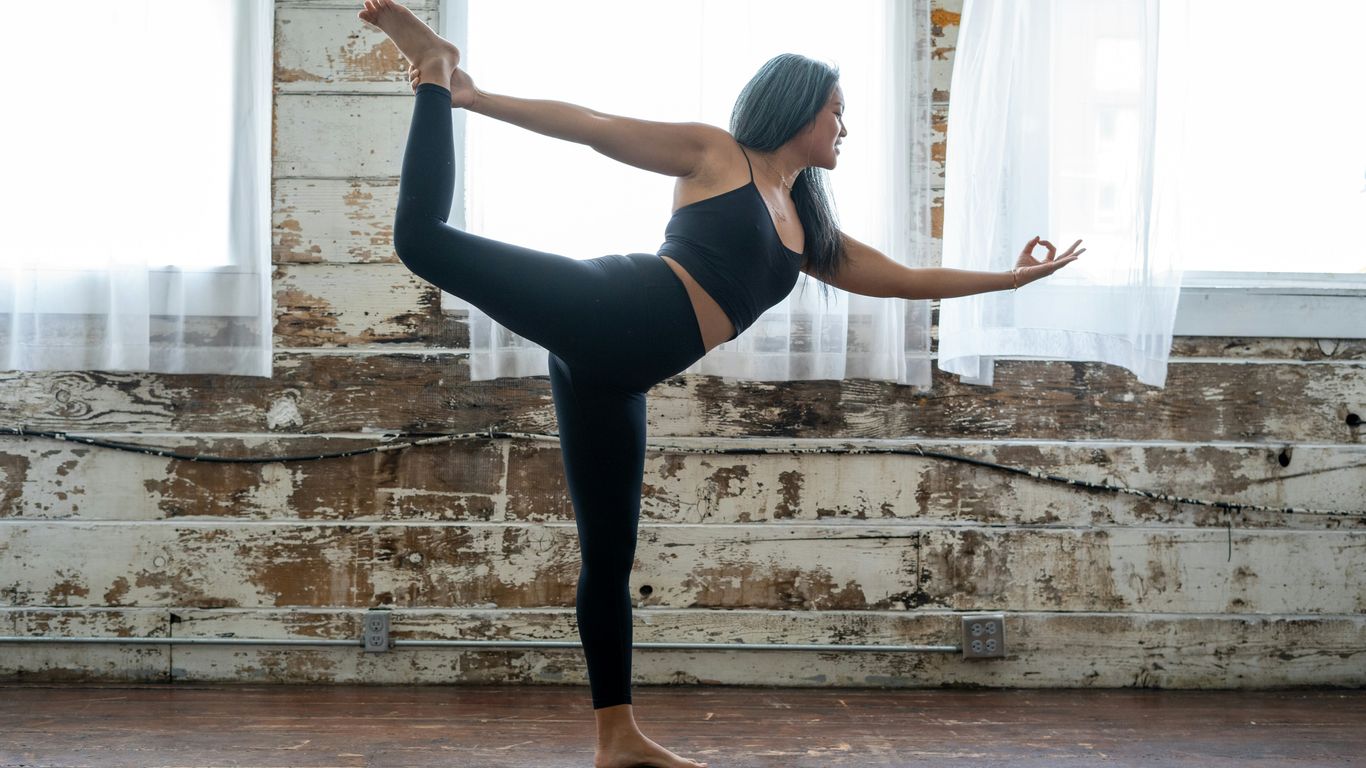
Ashtanga yoga is more than just a series of poses; it's a practice that can really transform you, both inside and out. It works on your body, your mind, and your general sense of well-being. Many people start Ashtanga for a good workout, and they definitely get that, but they often find they gain so much more.
Integrating Ashtanga Lessons into Daily Life
The real magic of Ashtanga happens when you start to bring what you learn on the mat into your everyday life. It's about living with more intention and awareness. This practice can lead to a more balanced perspective on life's challenges. It’s about building a sustainable Ashtanga practice that supports you long-term, fostering a sense of inner peace and overall vitality. It’s a journey of self-discovery that unfolds with each breath and each pose. The structured nature of Ashtanga, with its set sequences, provides a reliable framework. This predictability can be incredibly grounding, allowing practitioners to focus their energy inward and observe the subtle shifts happening within their physical and mental landscapes. It’s a path that rewards patience and persistence.
Exploring the Deeper Dimensions of Practice
Beyond the physical, Ashtanga yoga has a profound effect on the mind. The constant focus required to link breath with movement, known as vinyasa, acts as a moving meditation. This practice trains your mind to stay present, quieting the usual chatter of worries and to-do lists. Many practitioners report feeling calmer and more centered after a session. Over time, this can translate into a significant reduction in stress and anxiety in daily life. You learn to observe your thoughts without getting carried away by them, which is a powerful skill. This mental discipline can also spill over into other areas, improving focus and concentration. The eight limbs of Ashtanga offer a roadmap for this exploration:
- Yamas (Ethical restraints)
- Niyamas (Personal observances)
- Asana (Postures)
- Pranayama (Breath control)
- Pratyahara (Sense withdrawal)
- Dharana (Concentration)
- Dhyana (Meditation)
- Samadhi (Blissful union)
The true power of Ashtanga lies not just in mastering the poses, but in how you carry the lessons learned on the mat into your daily existence. It's about living with more intention, kindness, and awareness, transforming not only your own life but also positively influencing those around you.
Rest and Recovery for Sustainable Progress
Building strength and flexibility is a big part of Ashtanga, but it's just as important to allow your body to recover. The Primary Series, for example, is designed to systematically open the body. You'll find yourself gradually increasing your range of motion in poses that might have seemed impossible at first. Think about those deep forward folds or challenging backbends – with consistent effort, your body starts to respond. This isn't just about looking good; increased flexibility can help prevent injuries and make everyday movements feel easier. At the same time, holding poses for several breaths builds significant muscular strength and endurance. Your core gets stronger, your limbs become more toned, and you develop a better sense of how your body works. It’s a balanced approach to physical fitness that builds a resilient body. Remember, consistency is key, and that includes rest days. Listening to your body and giving it time to repair is what makes a practice sustainable long-term. You can find more about the specific breathing technique that is fundamental to the practice here.
Wrapping Up Your Ashtanga Journey
So, that's Ashtanga yoga in a nutshell. It's a practice that asks a lot of you, for sure, but the payoff is pretty big. You'll likely find yourself stronger, more flexible, and maybe even a little calmer. It’s not always easy, and some days will feel tougher than others, but sticking with it can really change things for the better. Whether you're looking to get in shape, de-stress, or just try something new, Ashtanga might just be what you're looking for. Give it a shot, be patient with yourself, and see where this powerful practice takes you.
Frequently Asked Questions
Is Ashtanga Yoga okay for people who are just starting out?
Yes, absolutely! Ashtanga can be a great start for beginners. You'll begin with the basics, focusing on how to breathe and move. Over time, as you practice more, you'll get stronger and better at the poses.
How often should I practice Ashtanga Yoga?
The traditional way is to practice six days a week. But it's really important to listen to your body. Find a schedule that works for you and make sure to take days off when you need them to rest.
Do I need to be super flexible to do Ashtanga Yoga?
Nope, you don't need to be flexible to start. The practice itself will help you become more flexible over time. Just focus on doing what feels right for your body and don't push yourself too hard.
What kind of clothes are best for Ashtanga Yoga?
Wear clothes that are comfy and let you move easily. Many people like to wear tighter-fitting clothes so they don't get in the way when they're moving through the poses.
How can I find a good Ashtanga Yoga teacher?
You can look for yoga studios in your area that offer Ashtanga classes. Searching online for teachers who are certified is also a good idea. A great teacher will help you with how you stand in poses and encourage you to be mindful.
What if I feel like Ashtanga Yoga is too much sometimes?
It's totally normal to feel that way sometimes! If you get overwhelmed, just pause and focus on your breathing. It's okay to change poses to make them easier or take a break. You can always come back to your practice when you feel ready.

