
Exploring the Diverse World of Different Forms of Yoga: A Comprehensive Guide
Yoga is this ancient practice that's really grown into a bunch of different styles, and honestly, it can be a bit confusing trying to figure out what's what. You might think yoga is just about stretching, but it's so much more. Some types will have you moving non-stop, building up a sweat, while others are super slow and focus on holding poses for a long time. It really depends on the specific kind of yoga you choose. Each style has its own vibe and what it aims to do, whether that's building strength, increasing flexibility, or just calming your mind. We're going to look at some of the most common different forms of yoga out there, what makes them unique, and how you can pick the one that's just right for you.
Key Takeaways
- There are many different forms of yoga, each offering a unique experience and set of benefits.
- Hatha yoga provides a gentle start with basic poses and breathwork, ideal for beginners.
- Vinyasa and Ashtanga yoga are more dynamic, focusing on flowing sequences and building strength.
- Specialized styles like Bikram (hot yoga) and Iyengar (precision alignment) cater to specific preferences or needs.
- Choosing the right yoga type involves considering your personal goals, fitness level, and being open to trying different styles.
Understanding Different Forms Of Yoga
The Versatility of Yoga Styles
Yoga isn't just one thing; it's a whole spectrum of practices. You might think of yoga as just stretching, but it can be so much more. Some classes will have you moving non-stop, building heat and sweat, while others are super slow, focusing on holding poses for a long time. It really depends on the style you choose. Each type has its own vibe, intensity, and what it aims to achieve. Some focus on building serious strength, others on flexibility, and some are all about calming the mind. It's pretty amazing how many ways there are to practice. Exploring various yoga styles, including popular choices like hatha, vinyasa, and yin, alongside specialized practices such as prenatal, acro yoga, and power yoga, can help you discover the diverse world of yoga to find a practice that suits your needs.
Connecting Body, Mind, and Awareness
No matter the style, most yoga practices share a common thread: linking your physical body with your mental state and your overall awareness. It's about paying attention to how your body feels in each pose, how your breath moves, and what's going on in your head. This connection is what makes yoga a holistic practice. It's not just about the physical workout; it's about becoming more present and aware of yourself.
The core of yoga lies in the mindful connection between breath, body, and mind, creating a unified experience that extends beyond the physical mat.
Choosing A Yoga Type That Suits You
With so many different kinds of yoga out there, picking one can feel a bit overwhelming at first. But don't worry, it's actually a good thing! It means there's likely a perfect fit for whatever you're looking for right now. Are you hoping to de-stress after a long week? Need to build some muscle? Or maybe you just want to feel more centered? Thinking about what you want to get out of your practice is the first step to finding the right style. It's all about finding what works for you. For instance, Hatha Yoga, the most popular style in the West, combines postures, breathing, and meditation to foster balance and harmony in your life.
Here's a quick look at some common goals and styles:
- Stress Relief: Restorative Yoga, Yin Yoga
- Building Strength: Vinyasa Yoga, Ashtanga Yoga
- Flexibility: Yin Yoga, Hatha Yoga
- Mindfulness: All styles, but especially meditation-focused ones like Kundalini
- Beginner Friendly: Hatha Yoga, Iyengar Yoga
Foundational Styles For Every Practitioner
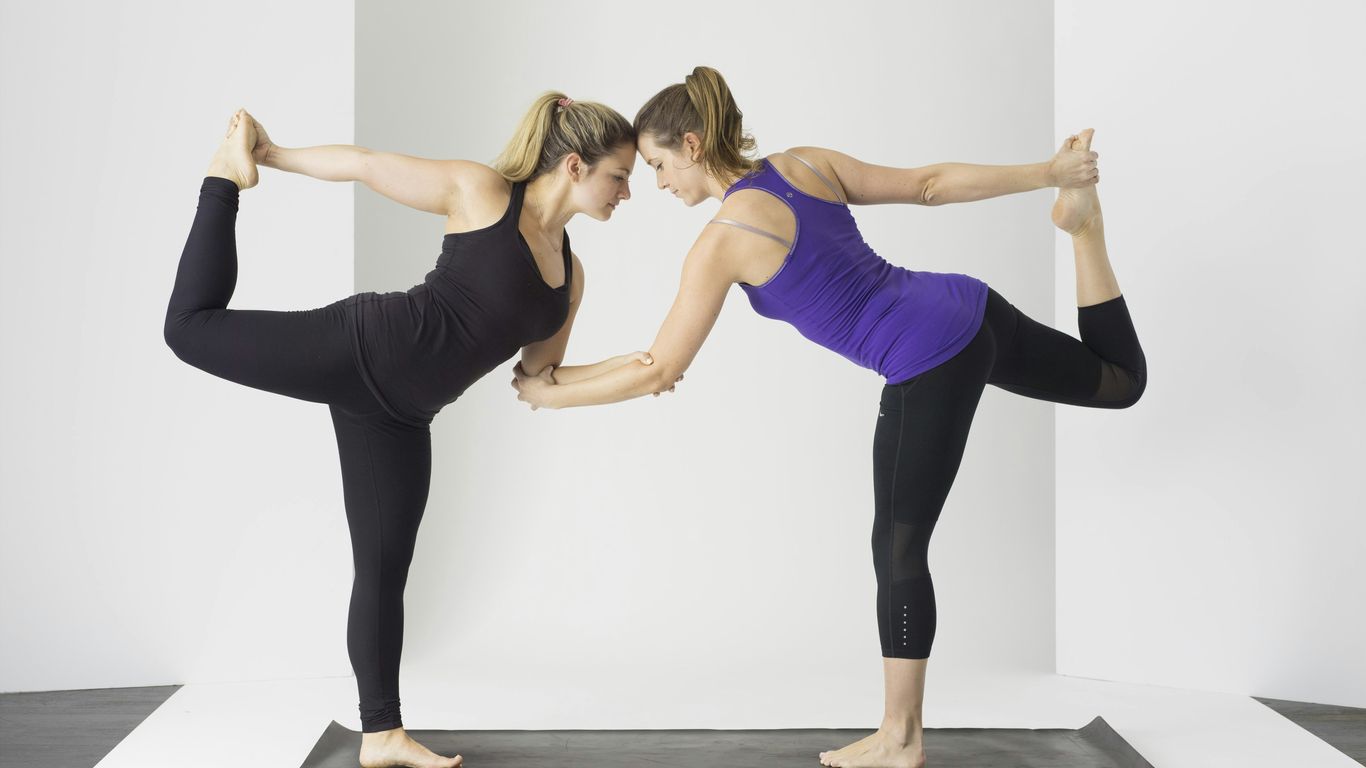
So, you're thinking about starting yoga, or maybe you've tried a class or two and want to know what the big deal is with all the different names. It's totally normal to feel a bit lost at first. Yoga isn't just one thing; it's a whole spectrum of practices, and honestly, it can be a bit confusing trying to figure out what's what. Some types will have you moving non-stop, building up a sweat, while others are super slow and focus on holding poses for a long time. Each style has its own vibe and what it aims to do, whether that's building strength, increasing flexibility, or just calming your mind. We're going to look at some of the most common different types of yoga out there, what makes them unique, and how you can pick the one that's just right for you.
Hatha Yoga: A Gentle Introduction
Hatha yoga is often the entry point for people new to yoga. The pace is slow, and the poses are basic, focusing on how to move and breathe at the same time. It's a great way to get comfortable with the fundamental postures and breathwork. One of the best things about Hatha yoga is how it breaks down each posture and explains the basics, making yoga feel less intimidating. It's recommended as a good starting point for most beginners, offering a solid foundation for any future yoga journey. You can find many resources online to get a feel for Hatha yoga basics.
Vinyasa Yoga: The Flow Of Movement
If you like the idea of moving from one pose to the next in a smooth, dance-like way, Vinyasa might be your style. Classes often link breath with movement, so you'll inhale into one pose and exhale into the next. This creates a continuous flow that can be quite energizing. Because you're constantly moving, Vinyasa classes can be a good workout, helping to build stamina and strength. The sequences can vary a lot from class to class, so it keeps things interesting.
Ashtanga Yoga: A Rigorous Discipline
Ashtanga yoga is known for being a more physically demanding practice. It follows a specific series of poses that are always done in the same order. This structure means you know what to expect, and you can really focus on perfecting each movement and breath. Ashtanga involves a lot of linking breath to movement, similar to Vinyasa, but with a set sequence. It's a disciplined practice that builds strength, flexibility, and stamina. It's definitely a workout, and it's a good choice if you're looking for a challenge and enjoy routine.
These foundational styles are like the building blocks of the yoga world. They offer different approaches to connecting with your body and breath, making them accessible and beneficial for a wide range of people. Whether you prefer a gentle start or a more dynamic challenge, there's a style here to get you moving.
Exploring Precision And Alignment In Yoga
Sometimes, you're not just looking for a general stretch or a way to unwind. You might have a specific aim in mind, like really digging into proper form, pushing your physical limits, or even finding a practice that feels more like a workout. That's where these specialized styles come in. They take the core principles of yoga and tailor them to help you achieve particular outcomes.
Iyengar Yoga: Precision And Alignment
For those who appreciate detail and structure, Iyengar Yoga is a fantastic choice. This style puts a huge emphasis on getting each pose just right, focusing on precise alignment. You'll often see props like blocks, straps, blankets, and bolsters used quite a bit. These aren't crutches; they're tools to help you achieve the correct form safely, especially if you're new to yoga or dealing with an injury. Classes tend to move at a slower pace, giving you plenty of time to really feel what each pose is doing in your body. It’s great for building strength, improving balance, and increasing flexibility over time. The meticulous attention to detail in Iyengar Yoga makes it accessible and beneficial for practitioners of all levels. This method emphasizes holding postures with meticulous attention to detail, making it accessible and beneficial for practitioners of all levels. You can find classes specifically designed for Iyengar Yoga that utilize these props to their full potential.
Anusara Yoga: Heart-Centered Philosophy
Anusara yoga is a more modern style that blends a strong focus on alignment with a positive, heart-opening philosophy. While it can be physically engaging, it also emphasizes celebrating the good in life and connecting with your inner self. Classes often involve flowing sequences that are guided by what they call "Universal Principles of Alignment," which helps you move safely and with awareness. It's a practice that aims to bring joy and a sense of grace into your movement and your outlook. Christina's approach to teaching yoga asana focuses on precise alignment, clear instructions, and thoughtful sequencing. This method aims to create a sustainable practice for students, emphasizing a centered and purposeful experience in each pose. This style is great for people who want a practice that feels both physically beneficial and emotionally uplifting. It's a practice in acceptance and quiet observation.
Here's a quick look at what Anusara Yoga offers:
- Focus on alignment: Learn to move your body in healthy, supportive ways.
- Positive philosophy: Encourages self-acceptance and celebrating life.
- Heart-opening themes: Many classes explore themes of love, connection, and gratitude.
This style is great for people who want a practice that feels both physically beneficial and emotionally uplifting. It's a practice in acceptance and quiet observation.
Deepening Your Practice With Other Yoga Types
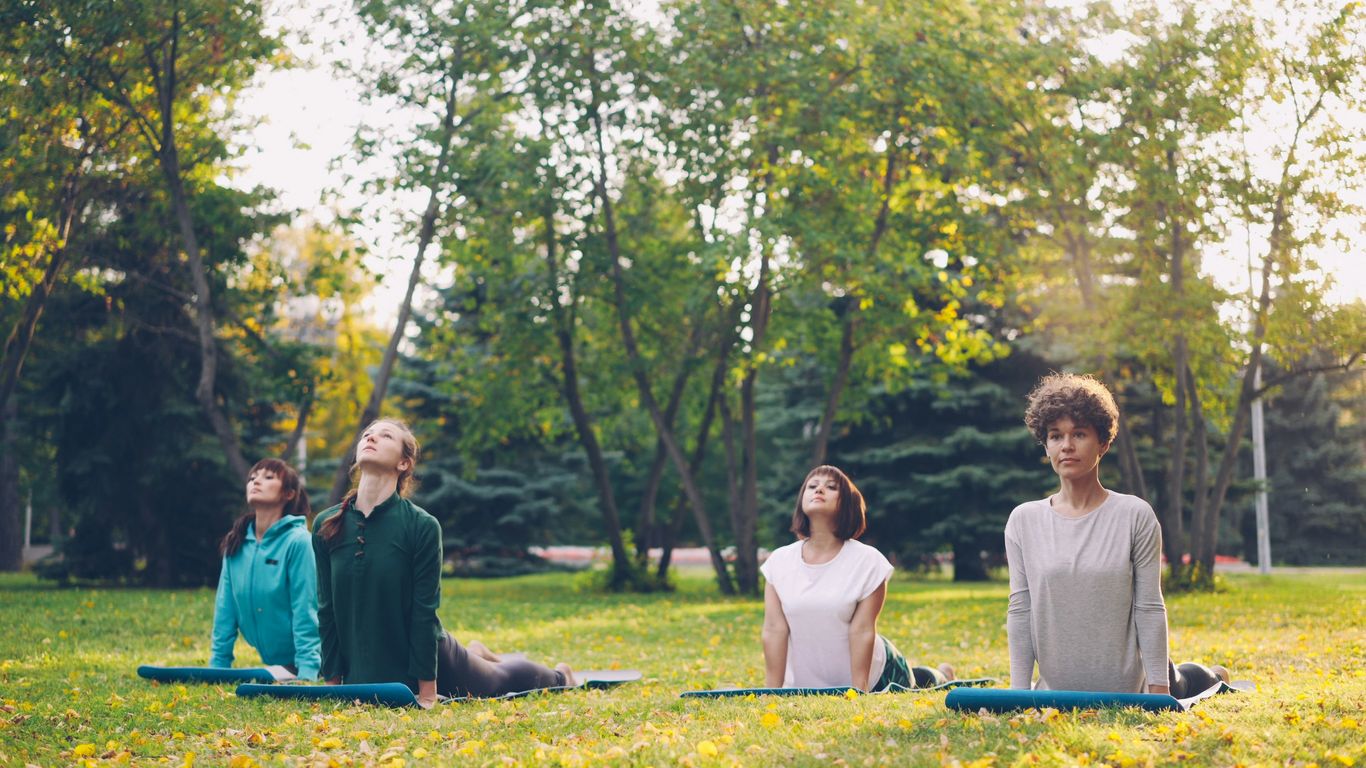
So, you've got a handle on the basics and maybe even a favorite style or two. That's awesome! But the world of yoga is vast, and there are some really interesting styles out there that can take your practice to a whole new level. These aren't necessarily for absolute beginners, but they offer unique ways to explore your body, mind, and energy.
Yin Yoga: The Power Of Stillness
Yin yoga is pretty much the opposite of a fast-paced workout. Instead of holding poses for a few breaths, you'll be holding them for minutes – sometimes five or even longer. This isn't about building muscle; it's about getting deep into your connective tissues, like your ligaments and fascia. Think of it as a way to increase flexibility and give your joints some love. It's super meditative because you have to stay present with the sensation. It’s a fantastic way to cultivate patience and quiet the mind. The goal is to find a comfortable edge and breathe into it.
Restorative Yoga: For Relaxation And Healing
If you're feeling stressed, tired, or just need some serious TLC, restorative yoga is your jam. This style is all about relaxation. You'll use a lot of props – blankets, bolsters, blocks – to support your body in gentle poses. The goal isn't to stretch or strengthen, but to allow your body to completely relax and heal. It's like a gentle massage for your nervous system. You might even find yourself drifting off to sleep, and that's totally okay! It's a great way to recover after a tough week or a strenuous yoga session.
Kundalini Yoga: Awakening Inner Energy
Kundalini yoga feels quite different from the more physical styles. It's often seen as more spiritual, aiming to stir up the energy believed to be at the base of your spine. You'll find a lot of chanting, special breathing techniques, meditation, and active movements mixed with holding poses. The goal is to become more aware of yourself and find inner calm. It's less about how a pose looks and more about what you feel inside. This practice can be quite profound for those seeking a more introspective journey.
These specialized styles show just how adaptable yoga can be. Whether you're looking for a rigorous physical challenge, a deep dive into anatomical precision, or a more introspective journey, there's a yoga practice designed to meet you where you are and help you get where you want to go. It's all about finding what works for you and your current needs, and sometimes that means exploring beyond the most common yoga types.
Specialized And Transformative Yoga Practices
Sometimes, you're not just looking for a general stretch or a way to unwind. You might have a specific aim in mind, like really digging into proper form, pushing your physical limits, or even finding a practice that feels more like a workout. That's where these specialized styles come in. They take the core principles of yoga and tailor them to help you achieve particular outcomes.
Bikram Yoga: The Heat Is On
If you like a challenge and don't mind breaking a serious sweat, Bikram might be your jam. This style is practiced in a room heated to about 105°F (40°C) with 40% humidity. It follows a set sequence of 26 poses and two breathing exercises, always in the same order. The idea is that the heat helps your muscles loosen up, allowing for deeper stretches and promoting a good detox through sweat. It’s pretty intense, so make sure you're well-hydrated before you start. It’s a routine-based practice that really tests your endurance. You can find workshops that focus on this style here.
Jivamukti: A Holistic And Invigorating Practice
Jivamukti, which translates to 'liberated while living,' is a style that really aims to connect the physical practice with spiritual teachings. It's not just about the poses; you'll find a lot of chanting, meditation, and often, inspirational talks woven into the class. The sequences are usually vigorous, so expect a good workout, but it's all done with a focus on ethical living and devotion. It's a practice designed to awaken your spirit as much as your body. Key elements you'll encounter in Jivamukti include:
- Asana: Dynamic and often challenging physical postures.
- Bhakti: Devotion and chanting to connect with a higher consciousness.
- Ahimsa: Non-violence, extending to ethical choices in daily life.
- Shastra: Study of yogic scriptures and philosophy.
- Nada: Focus on the spiritual sound of chanting and music.
- Dhyana: Meditation to cultivate inner stillness.
Prenatal Yoga: Supporting Mother And Child
This style is specifically designed for expectant mothers. It's all about adapting yoga poses to support the changing body during pregnancy. The focus is on gentle movements, breathing techniques that can help with labor, and poses that relieve common pregnancy discomforts like back pain. It's also a wonderful way to connect with other expecting mothers and build a supportive community. Safety is the top priority, so classes are always modified for different stages of pregnancy. The benefits are numerous:
- Physical Comfort: Helps ease aches and pains associated with pregnancy.
- Preparation for Labor: Breathing exercises can be incredibly useful during childbirth.
- Emotional Well-being: Provides a space for relaxation and connection.
- Community Building: Connects expectant mothers with each other.
While many yoga styles can be adapted, dedicated prenatal classes are taught by instructors trained in the specific needs and safety considerations for pregnant individuals. It's about nurturing both the mother and the developing baby. Yoga offers many science-backed benefits that can transform your life, including modulating stress responses [0167].
These specialized styles show just how adaptable yoga can be. Whether you're looking for a rigorous physical challenge, a deep dive into anatomical precision, or a more introspective journey, there's a yoga practice designed to meet you where you are and help you get where you want to go.
The Importance Of Trying Different Types Of Yoga
So, you've dipped your toes into the yoga pool and maybe found a style that feels pretty good. That's fantastic! But here's a little secret: the yoga world is way bigger than just one or two styles. Exploring different types of yoga is key to finding what truly works for your body and mind, not just today, but for the long haul. Think of it like trying different foods; you might love pizza, but you'd never know you also adore Thai curry if you never tried it, right?
Experimenting With Different Styles
Honestly, the best way to figure out your yoga jam is to just go for it and try different classes. Don't feel like you're locked into one style after just a single session. Pop into a few different studios, maybe even try a couple of different teachers within the same style. See what clicks. Sometimes, it's not just the style itself, but the energy of the room or the way a teacher guides you that makes all the difference. You might walk into a class expecting one thing and discover something completely unexpected that you love.
Here's a quick look at how intensity can vary:
| Yoga Style | Intensity Level | Primary Focus |
|---|---|---|
| Hatha Yoga | Gentle | Basic poses, breathwork |
| Vinyasa Yoga | Moderate-High | Flowing movement, strength |
| Restorative Yoga | Very Gentle | Relaxation, healing |
| Ashtanga Yoga | High | Rigorous sequences, discipline |
| Bikram Yoga | High | Intense heat, set sequence |
Listening To Your Body's Needs
Your body is pretty smart, and it usually sends signals about what it needs. Maybe one day you're feeling stiff and need the deep stretches of Yin Yoga. The next day, you might feel restless and crave the dynamic flow of Vinyasa. Or perhaps you're just plain exhausted and need the deep rest offered by Restorative Yoga. Paying attention to these signals is super important. It helps you choose a practice that supports you, rather than pushes you too hard or leaves you feeling unsatisfied. It's about finding balance and giving yourself what you need on any given day. Remember, yoga is a practice, not a competition, and listening to your body is part of that practice.
The goal isn't to master every single pose or style. It's about showing up on your mat, being present, and discovering what makes you feel good, strong, and at peace. Every class is a new opportunity to learn something about yourself.
Finding Your Personal Yoga Path
Ultimately, your yoga journey is unique to you. There's no single
Finding Your Path on the Mat
So, we've looked at a bunch of different yoga styles, from the super chill to the really intense. It’s pretty clear that yoga isn't just one thing; it’s this huge, adaptable practice that can fit pretty much anyone. Whether you're looking to build strength, find some peace, or just move your body a bit more, there’s likely a style out there that feels right for you. Don't be afraid to try a few different classes or teachers. What works for one person might not work for another, and that’s totally okay. The most important thing is to just get on the mat and see how it feels. You might discover something amazing about yourself along the way.
Frequently Asked Questions
What's the main difference between Hatha and Vinyasa yoga?
Hatha yoga is like the chill, beginner-friendly version. It's slower and focuses on basic poses and breathing. Vinyasa yoga, on the other hand, is more like a dance. You link your breath to smooth movements, flowing from one pose to the next. It's usually a bit more energetic.
Is Ashtanga yoga really difficult?
Yes, Ashtanga yoga is known for being quite challenging. It involves a set series of poses that you do in the same order every time. It requires strength, flexibility, and a good amount of stamina. It's great if you're looking for a serious workout and enjoy a structured practice.
What is Yin yoga all about?
Yin yoga is the opposite of fast-paced. You hold poses for a really long time, sometimes several minutes. The goal isn't to build muscle, but to gently stretch the deep tissues in your body, like your joints and connective tissues. It's super calming and helps you become more patient.
Why would I choose Restorative yoga?
Restorative yoga is all about deep relaxation and healing. You use lots of props like blankets and pillows to support your body in very gentle poses. It's perfect if you're feeling stressed, tired, or just need some serious downtime. It helps your nervous system relax and recover.
What makes Bikram yoga unique?
Bikram yoga is famous for practicing in a super hot room – around 105°F! It's a specific sequence of 26 poses and breathing exercises done in a set order. The heat is supposed to help your muscles relax and allow for deeper stretches, plus you'll definitely sweat a lot.
How do I know which yoga style is right for me?
The best way to find out is to try different styles! Think about what you want to get from yoga. Are you looking for a workout, relaxation, or something in between? Don't be afraid to experiment with different classes and teachers. Listen to your body; it will often tell you what it needs.

