

Mastering the Hardest Yoga Poses: A Guide to Advanced Asanas
Thinking about taking your yoga practice to the next level? You've probably seen those incredible poses online or in class and wondered how on earth people do them. Well, getting into the hardest yoga poses isn't magic; it's a journey that takes time, practice, and a smart approach. This guide is all about breaking down those intimidating asanas and showing you how to build the strength, flexibility, and focus needed to try them yourself. Let's get started on mastering some of the most challenging yoga poses out there.
Key Takeaways
- Mastering the hardest yoga poses like Handstand and Eight-Angle Pose requires dedicated strength building and balance work.
- Deep backbends such as Scorpion Pose and advanced hip openers like King Pigeon Pose demand significant flexibility and patience.
- Consistent practice, understanding your personal limits, and using props are vital for safely attempting advanced asanas.
- Cultivating focus, balance, and proprioception through regular practice are foundational principles for tackling difficult yoga poses.
- The mental benefits of pushing your limits in advanced yoga include enhanced resilience, boosted confidence, and a strong sense of accomplishment.
Mastering Handstand And Arm Balances
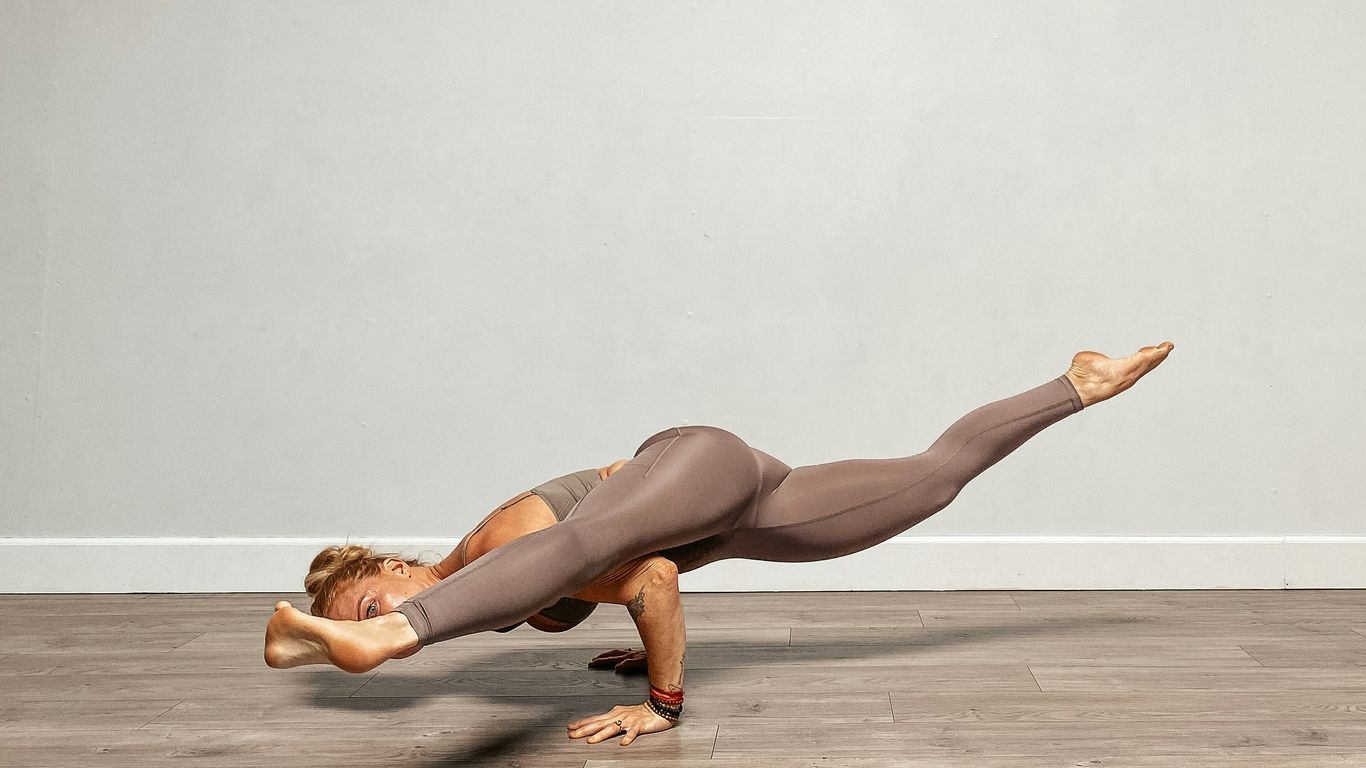
Alright, let's talk about getting upside down and finding that sweet spot of balance. Handstands and arm balances are definitely some of the more intimidating poses out there, but they're also incredibly rewarding. They really challenge your strength, your focus, and your belief in what your body can do.
Understanding Handstand (Adho Mukha Vrksasana)
Handstand, or Adho Mukha Vrksasana, is the classic inversion where you balance on your hands with your body extended upwards. It looks impressive, and honestly, it feels pretty amazing when you nail it. The key here is building a solid foundation. You need strong shoulders, a stable core, and a good sense of where your body is in space. Pressing firmly into your hands is non-negotiable for stability.
Here's a breakdown of what goes into it:
- Setup: Start in a tabletop position or Downward-Facing Dog. Place your hands shoulder-width apart, fingers spread wide. This gives you a broad base.
- Core Engagement: Tuck your ribs in and draw your navel towards your spine. This protects your lower back and provides the power to lift.
- The Kick-Up: You can either walk your feet in and gently kick up one leg at a time, or use a bit more momentum with both legs. The goal is control, not just flailing.
- Alignment: Once up, aim for a straight line from your wrists through your shoulders, hips, and heels. It's like stacking blocks.
It takes time, so don't get discouraged if you're just kicking up and falling over for a while. Practicing near a wall can be a lifesaver when you're starting out. It gives you a safety net so you can focus on the feeling of being inverted without the constant fear of tipping over. You can even try a handstand workshop to get personalized guidance.
Building Strength for Crow Pose (Bakasana)
Crow Pose, or Bakasana, is often one of the first arm balances people learn. It's a fantastic way to build the specific strength needed for more complex inversions. It looks like you're just perching on your arms, but there's a lot of power involved.
To get into Crow, you'll typically squat down with your feet hip-width apart. Place your hands on the mat in front of you, fingers spread, and then bring your knees to rest on the backs of your upper arms, as close to your armpits as possible. From here, you lean forward, shift your weight into your hands, and lift your feet off the ground. It's all about finding that balance point where your core is engaged and your arms are strong enough to hold you.
- Core is King: Seriously, your abs are doing most of the heavy lifting here. Keep them tight!
- Arm Strength: You need to press down firmly into your hands. Think about pushing the floor away.
- Mindful Lean: The forward lean is key. Too much, and you fall; too little, and you won't lift.
If you're finding it tough, try holding Plank Pose for longer periods. It's a great way to build up the arm and shoulder endurance needed for Bakasana. Using blocks under your hands can also give you a little extra height to start.
Achieving Eight-Angle Pose (Astavakrasana)
Now, Eight-Angle Pose, or Astavakrasana, is a whole different ballgame. This one is a serious test of strength, flexibility, and balance, all rolled into one. You'll be sitting on the floor, wrapping one leg around your arm, and then balancing on that arm while extending the other leg out to the side.
It's a pose that requires a deep understanding of how to engage your core and upper body to support your weight. You also need open hips and hamstrings to get the leg into the right position. It's definitely an advanced yoga workout kind of pose.
The journey to Astavakrasana is often a long one, involving many smaller steps. Focus on building strength in your arms and core, and gradually work on opening your hips. Don't rush the process; celebrate the small wins along the way.
Here are some things to keep in mind:
- Hip Flexibility: Poses like Pigeon Pose or Lizard Pose can help prepare your hips.
- Arm Strength: Consistent practice of Plank, Chaturanga, and arm balances like Crow will build the necessary power.
- Core Connection: Always keep your core engaged to maintain stability and protect your spine.
This pose is a great example of how different aspects of yoga practice come together. It's not just about strength; it's about the intelligent application of that strength with flexibility and balance.
Exploring Deep Backbends And Hip Openers
This section dives into some of the more intense yoga poses that really challenge your flexibility and strength, particularly in your back and hips. We're talking about poses that require a significant amount of opening and control.
The Challenge of Scorpion Pose (Vrschikasana)
Scorpion Pose is a serious test of your backbending ability and core strength. It's a pose where you're essentially in a forearm stand, but with your back arched deeply and your feet reaching towards your head. It demands a lot of shoulder mobility and spinal flexibility. To get there, you'll want to build up your strength in forearm stands and practice poses that open up your chest and shoulders. Think about poses like camel pose or bridge pose to start preparing your spine for such a deep bend. It's not a pose to rush into; patience is key.
Progressing Towards King Pigeon Pose (Kapotasana)
King Pigeon Pose is a beautiful, advanced variation of the more common Pigeon Pose. While Pigeon Pose is great for hip opening, King Pigeon takes it a step further by incorporating a deep backbend. You'll be reaching one foot back towards your head, often grabbing it with your hand. This pose really works on opening the shoulders, chest, and hip flexors. If you're working towards this, make sure you've got a solid foundation in regular Pigeon Pose and have developed good spinal mobility. Practicing poses that stretch the quadriceps and open the chest will be super helpful. You might find that using props, like a strap to help reach your foot, makes this pose more accessible as you build up to it. It's a great way to improve your hip mobility [b3f6].
Deepening Splits with Hanumanasana
Hanumanasana, or Full Splits, is a pose many people aspire to. It's a powerful stretch for the hamstrings, hip flexors, and groin. Getting into the full split requires a lot of flexibility in the entire lower body. You can prepare for this by consistently practicing poses that target these areas, like Lizard Pose, Frog Pose, and various lunges. Don't be afraid to use blocks or blankets under your hips or thighs for support. The goal isn't just to get your legs as far apart as possible, but to do so with your hips square and your spine long. It's about finding length and stability in the stretch. Working on hip openers like those found in [b7cb] can also make a big difference.
Remember, these advanced poses aren't just about physical prowess. They require a mental commitment to practice, patience with your body's progress, and a willingness to listen to its signals. Pushing too hard, too soon, can lead to injury, so always honor your limits.
Foundational Principles For Advanced Asanas
The Importance of Dedication and Focus
Getting into those really tough yoga poses isn't something that happens overnight. It takes a serious commitment, day in and day out. You really have to show up, even when you don't feel like it. Consistent practice is the bedrock upon which all advanced asanas are built. It's about showing up for yourself, breathing through the challenges, and slowly, surely, building the strength and awareness needed. This isn't about being perfect; it's about the process and the steady effort you put in. It’s a journey, not a race, and each small step forward counts.
Cultivating Balance and Proprioception
Advanced poses often demand a keen sense of where your body is in space. This is called proprioception, and it's like your body's internal GPS. You can build this by practicing poses that challenge your stability, even simpler ones. Think about holding a single-leg balance for longer, or trying poses with your eyes closed (carefully, of course!).
Here's a little breakdown of how to work on it:
- Start Simple: Tree pose, Warrior III, and Eagle pose are great starting points.
- Add Challenges: Try closing your eyes for a few breaths in these poses, or stand on an uneven surface like a folded mat.
- Mindful Transitions: Pay close attention to how your body moves between poses. Notice the subtle shifts in weight and muscle engagement.
Improving your proprioception helps not just with balance but also with overall body control and coordination, making those complex movements feel more natural. It's a skill that benefits your entire yoga journey.
Integrating Breathwork with Challenging Poses
Your breath is your anchor, especially when things get tricky. It's easy to hold your breath or breathe shallowly when you're struggling in a pose, but that's the opposite of what you want. A steady, deep breath calms your nervous system and provides the oxygen your muscles need. It also helps you stay present and focused.
When you feel yourself starting to wobble or strain, bring your attention back to your breath. Inhale deeply, filling your belly and chest, and exhale slowly, releasing tension. This simple act can completely change your experience in a challenging pose.
Think of your breath as a tool to guide you. It can help you find stillness in the pose, ease discomfort, and signal when it's time to come out. Learning to synchronize your breath with your movement is a core part of mastering advanced asanas and is a key aspect of understanding yoga progression.
Preparing Your Body For The Hardest Yoga Poses
Getting ready for those really tough yoga poses isn't just about showing up. It's about making sure your body is actually ready to do the work without getting hurt. Think of it like getting a car ready for a long road trip – you wouldn't just hop in and go, right? You check the oil, the tires, all that stuff. Yoga's the same, but you're checking your own body.
The Necessity of a Thorough Warm-Up
Seriously, don't skip this part. A good warm-up gets your blood flowing and your muscles ready to move. It's not just a few stretches; it's about preparing your joints and waking up your entire body. Think dynamic movements that mimic the poses you're about to attempt, but in a gentler way. This could include things like:
- Sun Salutations (Surya Namaskar) to get the whole body moving.
- Arm circles and shoulder rolls to prep your upper body for inversions and arm balances.
- Leg swings and hip circles to open up the hips and legs for deep stretches.
- Gentle twists to warm up the spine.
A proper warm-up significantly reduces the risk of pulling a muscle or straining something when you go for that advanced pose. It's the foundation for safe practice.
Understanding Your Personal Limits
This is a big one, and it's super personal. What works for the person on the mat next to you might not be right for you, and that's totally okay. Pushing too hard, too soon is how people get injured. It's better to hold a modified version of a pose or stay in a preparatory pose for longer than to force yourself into something your body isn't ready for. Listen to what your body is telling you. Does it feel like a sharp pain, or just a deep stretch? There's a difference. Learning to distinguish between discomfort that signals progress and pain that signals danger is a skill that takes time to develop. You can always build strength and flexibility gradually.
The Role of Props in Advanced Practice
Props aren't cheating; they're smart tools. Yoga blocks, straps, blankets, and even chairs can be your best friends when you're working on challenging poses. They help you find proper alignment, support your body, and allow you to experience the pose safely. For example, using blocks under your hands in a forward fold can help you keep your spine long, or a strap around your foot in a bind can help you reach it without straining. They help make difficult poses more accessible and allow you to work on the specific muscles and alignment needed for progression. It's about working smarter, not just harder, and using props is a key part of that strategy. Many advanced yoga poses can be approached with the help of these aids.
Trying to rush into advanced poses without this preparation is like trying to build a house on sand. It might look okay for a bit, but it's not going to last and could all come crashing down. Patience and preparation are your most important allies on this journey.
The Mental And Physical Benefits Of Advanced Practice
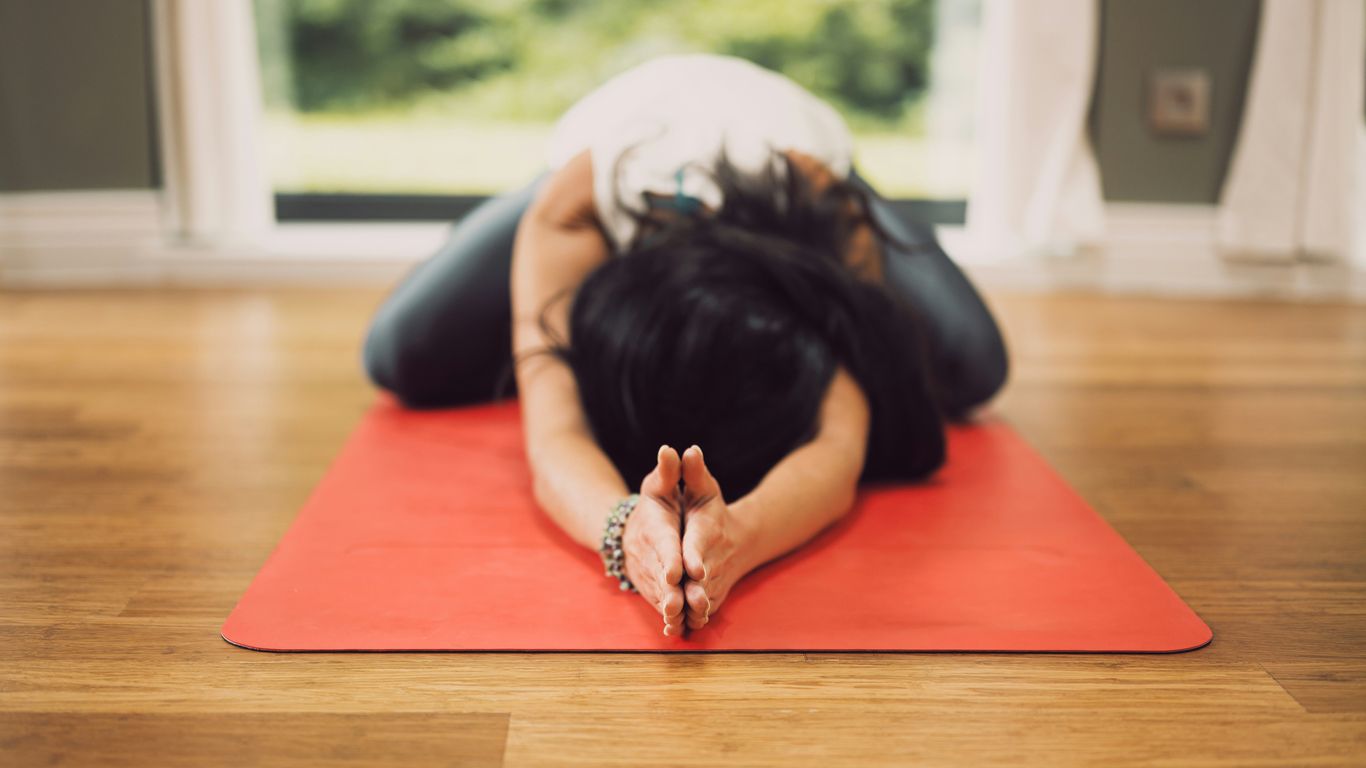
Pushing yourself into those more complex yoga poses isn't just about showing off a cool new trick. Honestly, the real magic happens inside your head and deep within your body. When you finally nail that pose you've been working on for weeks, or even months, it does something for your confidence. It’s like, 'Wow, I can actually do this!'
Enhancing Mental Resilience and Calm
Think about it: holding a challenging pose requires a serious amount of focus. You can't be worrying about your grocery list or that email you forgot to send. Your mind has to be right there, with your breath and your body. This kind of intense concentration is a workout for your brain, helping to quiet down the usual mental chatter. Over time, this practice translates into a greater ability to stay calm when things get hectic off the mat. It's about learning to find your center, even when everything else feels a bit wobbly. This practice can lead to a noticeable reduction in stress and a general feeling of being more centered throughout your day.
Boosting Self-Confidence and Motivation
Every time you progress in an advanced pose, it's a win. Maybe you held it a second longer, or your alignment got a little better. These small victories add up. They build a quiet confidence that says, 'I am capable.' This feeling spills over into other areas of your life. You start believing you can tackle other challenges, whether it's a tough project at work or a personal goal. It's a powerful motivator to keep showing up on your mat and to keep pushing your boundaries, not in a reckless way, but in a way that respects your body's journey. It's amazing how mastering a physical challenge can really change your outlook.
Achieving a Sense of Accomplishment
There's a unique satisfaction that comes from achieving something difficult through your own effort. Advanced yoga poses are a perfect example of this. They demand patience, persistence, and a willingness to be uncomfortable. When you finally achieve that pose, it's not just a physical feat; it's a testament to your dedication. This sense of accomplishment is incredibly rewarding and can be a huge boost to your overall well-being. It reinforces the idea that consistent effort leads to tangible results, a lesson that's useful far beyond the yoga studio. It's about celebrating the journey and the progress, not just the destination. You might even find yourself looking for transformative yoga retreats to continue this journey of self-discovery.
The journey into advanced yoga poses is as much about the internal shifts as it is about the external physical changes. It's a path that cultivates a stronger, more focused mind alongside a more capable body, leading to a profound sense of personal growth and well-being.
Here's a look at some of the benefits:
- Improved Focus: Holding complex poses requires intense concentration, training your mind to stay present.
- Stress Reduction: The physical exertion and mental calm achieved can significantly lower stress levels.
- Increased Self-Belief: Overcoming physical challenges builds confidence that extends to other life areas.
- Enhanced Body Awareness: You develop a deeper connection to how your body moves and feels, improving proprioception.
- Greater Patience: The process of mastering difficult poses teaches the value of slow, steady progress.
Keep Practicing, Keep Growing
So, you've looked at some of the tougher yoga poses out there. It's a lot, right? Remember, nobody gets into these positions overnight. It takes time, a lot of practice, and honestly, sometimes a bit of humor when you fall out of something. The real win isn't just hitting the pose, it's the journey you take to get there. You'll build strength, get more flexible, and learn a whole lot about what your body can do. Just keep showing up on your mat, listen to your body, and don't be afraid to ask for help. Your yoga practice is yours, so enjoy the process and all the little victories along the way.
Frequently Asked Questions
What makes a yoga pose "advanced"?
An advanced yoga pose is one that needs a lot of practice and time to get right. It usually needs a mix of focus, control, strength, being flexible, and moving well. These poses often push your body and mind beyond what you're used to.
Is it safe for beginners to try hard yoga poses?
It's usually not recommended for beginners to jump into very difficult poses right away. It's best to build a strong base with simpler poses first. Trying advanced poses without enough preparation can lead to injuries. Always listen to your body and get guidance from a teacher.
How can I prepare my body for challenging yoga poses?
Before attempting tough poses, always do a good warm-up. This gets your muscles ready and helps prevent injuries. Also, it's smart to use things like yoga blocks or straps to help you get into the pose safely and correctly. Understanding your own body's limits is super important too.
What are the mental benefits of practicing difficult yoga poses?
Working on hard yoga poses can make you mentally stronger and calmer. It helps you deal with stress better. Plus, when you finally nail a pose you've been working on, it really boosts your confidence and makes you feel proud of yourself.
How important is breathwork when doing advanced yoga poses?
Breathing is key in all yoga, but it's extra important in challenging poses. Your breath helps you stay calm, focused, and in control. It also helps your body get the oxygen it needs to hold difficult positions and makes the pose feel less tiring.
What should I do if I can't do a difficult pose right away?
Don't get discouraged! Yoga is a journey, not a race. Keep practicing the steps that lead up to the pose. Celebrate the small improvements you make along the way. Working with a yoga teacher can also give you personalized tips and modifications to help you progress.

