

Conquer Your First Yoga Challenge: A 7-Day Journey to Mindful Movement
Thinking about trying yoga but feeling a bit nervous? You're not alone. Lots of people get "yoga jitters" before their first class. It's totally normal to feel a little unsure about something new. But don't sweat it! This guide is here to help you get over those nerves and make your first yoga experience a good one. We'll cover what you need to know, from picking the right class to what to expect when you get there. We'll give you some tips to feel more comfortable so you can enjoy all the good things yoga has to offer. Get ready to tackle your yoga challenge and start a journey of feeling better.
Key Takeaways
- Yoga is a practice for mind, body, and spirit, offering benefits like better flexibility, less stress, and more peace. It's adaptable for everyone.
- Don't worry about not being flexible or fit enough; yoga is about your personal journey, not perfection. Everyone starts somewhere.
- Comparison is unhelpful. Focus on your own progress and enjoy the process. Remember, everyone in class is there for their own reasons.
- To stay present, focus on your breath and body sensations. If your mind wanders, gently bring it back. Being kind to yourself is important.
- Preparation helps. Choose beginner-friendly classes, wear comfy clothes, and consider arriving a bit early to get settled.
1. Yoga Mat
Alright, let's talk about the yoga mat. This is probably the most important piece of gear you'll need for your 7-day challenge. Think of it as your personal space, your little island of calm where all the magic happens. It's not just about cushioning your knees, though that's a big part of it. A good mat gives you grip, so you don't slide around when things get a little sweaty, and it helps define your practice area.
When you're picking one out, there are a few things to consider. Thickness is a big one. Most mats are around 1/4 inch thick, which is a good starting point. Thicker mats offer more padding, which is nice if you have sensitive knees or joints, but they can sometimes make balancing a bit trickier. Thinner mats are lighter and better for balance, but might not be as comfy.
Here are some things to keep in mind:
- Material: Different materials offer different levels of grip and durability. PVC is common and durable, but some people prefer more eco-friendly options like natural rubber or TPE.
- Grip: This is super important! You want a mat that keeps you from slipping, especially in poses where you're holding weight on your hands or feet.
- Portability: If you plan on taking your mat to a studio or traveling, consider how heavy and bulky it is.
- Price: Mats can range from pretty cheap to quite expensive. For your first challenge, you don't need the fanciest mat out there. Something reliable will do just fine. You can find some great options for under $50, like the Gaiam Premium 5mm.
Don't stress too much about finding the perfect mat right away. The most important thing is that you have something to practice on. You can always upgrade later if you find you need something different. Many studios also offer mat rentals if you want to try before you buy.
Ultimately, your mat is a personal choice. What feels good to one person might not feel right to another. The best mat is the one that makes you feel comfortable and supported enough to show up on your mat every day. If you're looking for a solid all-around choice, the eKO series is often recommended for its quality and performance.
2. Yoga Block
Think of a yoga block as your personal yoga assistant. It's not cheating to use one; it's smart! These simple rectangular props are incredibly versatile and can make a big difference, especially when you're just starting out. They help you get into poses safely and effectively, even if you don't have the flexibility yet.
Blocks can be used in a few different ways:
- To bring the floor closer: If you can't quite reach your toes in a forward fold, placing a block under your hands gives you that extra height. This lets you maintain good posture without straining.
- To support your body: In poses like reclining bound angle pose, a block under your knees or thighs can take pressure off your hips and allow you to relax more deeply.
- To deepen a stretch: Sometimes, placing a block under your hips in poses like pigeon or a low lunge can help you find a more stable and comfortable position, allowing you to hold the pose longer and feel the stretch more fully.
There are different types of blocks, but for beginners, the standard foam blocks are usually a good bet. They're lightweight and have a bit of give. You'll see them used in all sorts of classes, from Hatha yoga to more gentle styles.
Using props like blocks isn't about being less capable; it's about making yoga accessible and sustainable for your body. They allow you to explore the shape of a pose without forcing yourself into it, which is key for preventing injury and building a consistent practice.
3. Alignment Strap
You might see people using these long fabric belts in yoga classes and wonder what they're for. Well, an alignment strap is actually a super helpful tool, especially when you're just starting out. It's basically an extension of your reach, helping you get into poses safely and correctly.
Think of it like this:
- Getting Deeper Stretches: If you can't quite reach your toes in a forward fold, looping a strap around your feet gives you something to hold onto. This lets you deepen the stretch without straining your hamstrings or back.
- Improving Posture: In poses like reclining bound angle, a strap can help keep your feet together and your knees supported, making it easier to relax into the pose and work on your alignment.
- Building Strength: For poses that require you to hold your limbs in specific ways, like certain arm balances or binds, a strap can help you maintain the correct position while you build the strength needed to hold it without assistance.
It's not about forcing yourself into a pose; it's about using a prop to find the right shape and sensation. You'll find straps are really useful for a lot of different poses, helping you create space and stability in your body. They're a great way to make your practice more accessible and effective, no matter your current flexibility level. You can find them at most yoga studios or online retailers that sell yoga accessories.
Using a strap doesn't mean you're not 'good enough' at yoga. It means you're smart about your practice and using the tools available to help you grow. It's a sign of self-awareness and a commitment to practicing safely and effectively.
4. Child's Pose
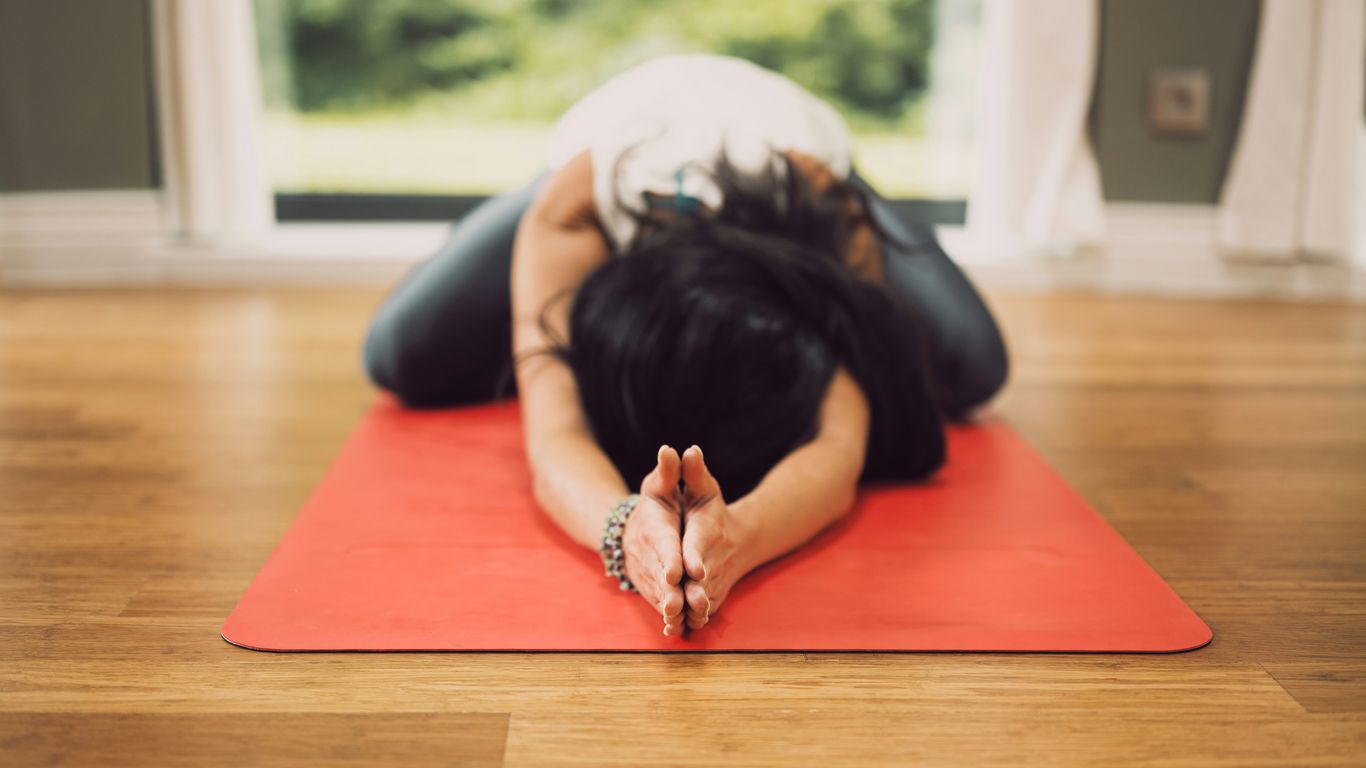
Child's Pose, or Balasana in Sanskrit, is a fundamental resting posture that's like a gentle hug for your body and mind. It's a go-to pose when you need a moment to pause, catch your breath, and just be. Think of it as your personal reset button during a yoga session.
To get into Child's Pose, start on your hands and knees. Bring your big toes to touch and widen your knees about hip-width apart, or a bit wider if that feels better for your hips. Then, sink your hips back towards your heels. You can let your torso rest down between your thighs. Extend your arms forward, resting your forehead on the mat, or you can bring your arms back alongside your body with your palms facing up.
Here's a quick breakdown:
- Kneel on your mat.
- Separate your knees wide or keep them closer together.
- Fold your torso down between your thighs.
- Rest your forehead on the mat.
- Extend your arms forward or rest them by your sides.
This pose is incredibly effective at calming the nervous system and relieving mild stress. It also offers a gentle stretch for your hips, thighs, ankles, and back. It’s a great way to reconnect with your breath and find a sense of tranquility. Don't hesitate to use Child's Pose whenever you feel the need for a break during your practice; it's there for you.
Child's Pose isn't just for beginners; it's a pose that experienced yogis return to again and again. It reminds us that rest is an active and important part of any practice, not just a reward for finishing.
5. Breath
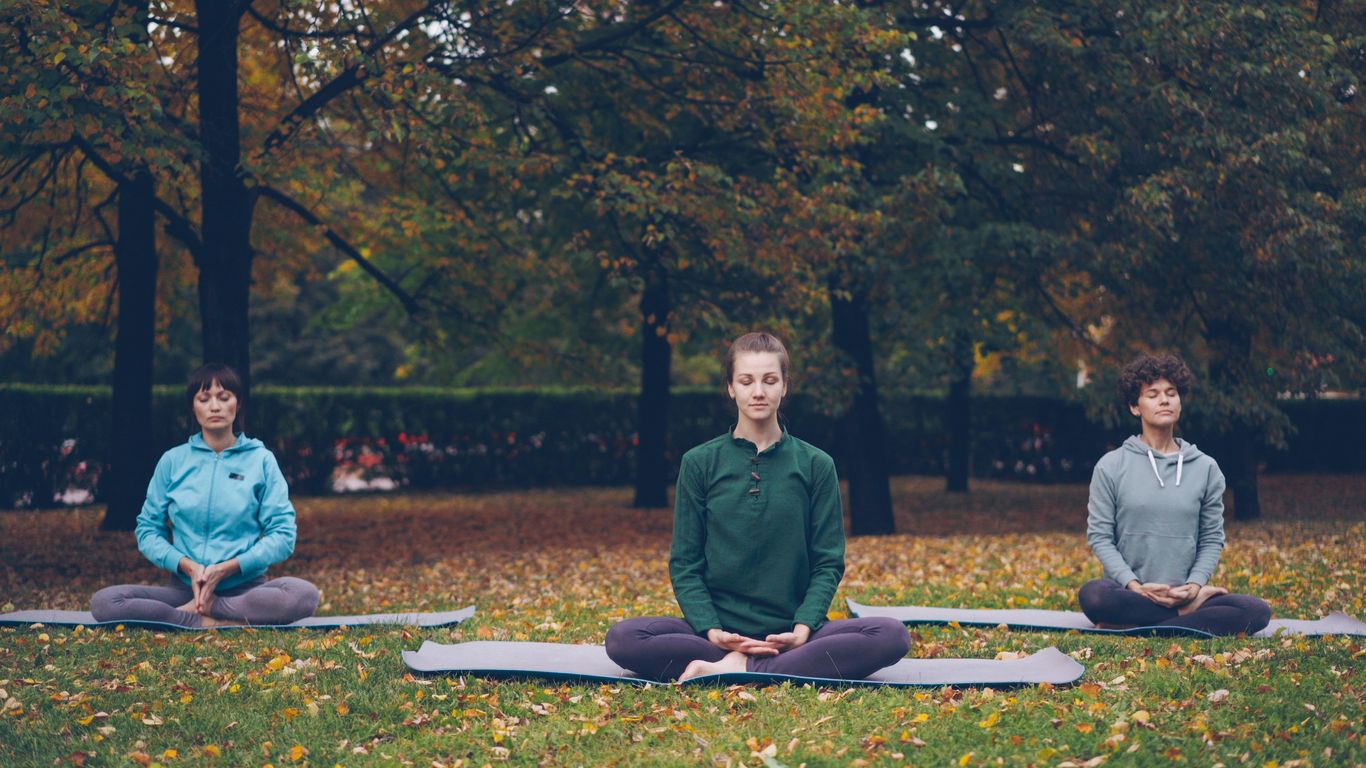
Breathing is kind of the whole point in yoga, isn't it? It's not just about moving your body; it's about connecting your breath to those movements. Think of your breath as the anchor that keeps you grounded during your practice. When you're just starting out, it can feel a little awkward trying to coordinate everything. You might find yourself holding your breath without even realizing it, especially when you're trying a new pose.
Focusing on your breath can really change your whole experience. It helps calm your mind and makes the physical part of yoga feel less intense. A simple technique to try is diaphragmatic breathing, or belly breathing. Just place one hand on your belly and the other on your chest. As you inhale, try to make your belly rise more than your chest. When you exhale, let your belly fall. This helps you take deeper, more relaxing breaths.
Here are a few things to keep in mind about your breath:
- Inhale: Usually associated with expanding, lifting, or opening the body. Think of it as gathering energy.
- Exhale: Often linked to folding, releasing, or grounding. This is where you let go of tension.
- Syncing: Try to match your breath to your movements. Inhale as you lift your arms, exhale as you fold forward. This creates a nice rhythm.
Don't worry if it doesn't feel natural right away. It takes practice. There are lots of ways to explore breathwork, and even simple exercises can make a big difference. You can find some accessible yoga breathing exercises designed for newcomers that are pretty straightforward. Pranayama techniques can help you get started.
Sometimes, just paying attention to your breath is the most challenging part of yoga. It's easy for your mind to wander off to your to-do list or what you're having for dinner. But that's okay. The practice is about gently bringing your attention back to your breath, over and over again. It's like training a puppy – it takes patience and consistency.
As you get more comfortable, you might hear about different breathing techniques like Ujjayi breath, sometimes called "ocean breath." It makes a soft sound in the back of your throat and can be really soothing. Your teacher can guide you on this as you progress. Just remember, the goal isn't perfection, it's presence. Mindful breathing techniques are a great way to start building that awareness.
6. Hatha Yoga
Hatha yoga is a really common style, especially for people just starting out. Think of it as a more traditional approach to yoga. It's not about super fast flows or complicated poses; instead, it focuses on holding poses for a bit and really getting a feel for them. The main idea is to build strength and flexibility through basic postures.
In a Hatha class, you'll typically move through a series of poses, often called asanas, and the instructor will guide you on how to get into them correctly. They'll usually give you verbal cues to help with your alignment. It’s a great way to learn the basics of yoga and get comfortable with your body. If you're looking for a solid foundation, a hatha yoga class for beginners is a good place to start.
Here’s what you can generally expect:
- Pace: It's usually slower than other styles, giving you time to settle into each pose.
- Focus: Emphasis is placed on proper form and breathing.
- Poses: You'll likely encounter foundational poses like Mountain Pose, Downward-Facing Dog, and Warrior poses.
- Breathing: Synchronizing your breath with your movements is a key part of the practice.
Hatha yoga is often seen as a stepping stone to other yoga styles. It teaches you the building blocks, like how to breathe and how to hold a pose, which are useful no matter what kind of yoga you end up doing. It’s about finding a balance between effort and ease in each posture.
Don't worry if you can't do every pose perfectly right away. The goal is progress, not perfection. It's all part of your yoga journey and learning what your body can do.
7. Gentle Yoga
Gentle yoga is all about moving your body in a way that feels good, without pushing too hard. Think of it as a kinder, softer approach to yoga, perfect for when you're just starting out or need a break from more intense workouts. It focuses on slow movements, holding poses for a bit longer, and really paying attention to how your body feels.
This style is great because it doesn't require a lot of flexibility or strength right away. You can modify poses easily to fit what your body can do on any given day. It's less about achieving a perfect shape and more about connecting with yourself and finding a sense of calm.
Here’s what you can expect from a gentle yoga session:
- Slower Pace: Poses are held for several breaths, allowing you to settle in and notice sensations.
- Mindful Movement: Emphasis is placed on coordinating breath with movement, creating a flowing, meditative experience.
- Restorative Poses: You'll often find poses that are designed to relax and rejuvenate, like supported child's pose or gentle twists.
- Accessibility: Modifications are common, making it suitable for various fitness levels and physical conditions.
Gentle yoga can be a wonderful way to ease stress and tension. It's a practice that nurtures your body and mind, helping you feel more grounded and at peace. If you're looking for a way to start your yoga journey that's supportive and calming, gentle yoga is definitely worth exploring. It's a great way to build confidence in your beginner yoga series.
You might find that gentle yoga helps you tune into your body's signals more effectively. It's a practice that encourages listening rather than forcing, which can be a really helpful skill both on and off the mat.
This type of yoga is also fantastic for days when you're feeling a bit tired or just need some quiet time. It's a way to show yourself some kindness and build a consistent practice without feeling overwhelmed. Many people find that even a short 10-minute gentle yoga session can make a big difference in their day.
8. Restorative Yoga
Restorative yoga is all about slowing down and letting your body truly relax. Unlike more active styles, the goal here isn't to build heat or strength, but to find a deep sense of calm. Poses are held for longer periods, often with the help of props like blankets, bolsters, and blocks, to support your body completely.
This practice is perfect for when you need to de-stress and recharge. It helps shift your nervous system out of that constant 'fight or flight' mode and into a more peaceful state. Think of it as giving your body and mind a much-needed break.
Here are some common elements you'll find in a restorative class:
- Supported Poses: You'll likely use props to hold you in poses, so you don't have to exert any effort. This allows your muscles to release tension.
- Long Holds: Poses are held for several minutes, giving your body time to relax and open up passively.
- Mindful Breathing: While not as active as in other styles, the breath is still important. You'll be encouraged to breathe deeply and gently to deepen the relaxation.
- Quiet Environment: Classes are usually very quiet, allowing for introspection and a deeper connection with yourself.
It's a wonderful way to complement a more vigorous practice or simply to find some peace in your week. You can find some great simple restorative yoga poses that are easy to try at home too.
Restorative yoga is like a gentle hug for your nervous system. It encourages stillness, allowing your body to signal that it's safe to let go of tension and simply be. This quiet time can be surprisingly powerful for overall well-being.
Don't be surprised if you feel incredibly sleepy after a restorative class – that's a sign it's working!
9. Beginner Yoga Class
Walking into your very first yoga class can feel a bit daunting, right? It’s totally normal to have some jitters. The most important thing is to remember that everyone in that room started somewhere, and most people are just focused on their own mat. Studios usually have classes specifically for newcomers, often labeled as 'beginner,' 'gentle,' or 'Hatha.' These are great places to start because the pace is usually slower, and the instructor can give you more attention.
When you get to the studio, try to arrive a little early. This gives you time to check in, find a spot, and get acquainted with the space. You can also chat with the instructor briefly to let them know it's your first time and mention any injuries or concerns you might have. They're there to help you feel comfortable and safe.
Here’s a quick rundown of what you might experience:
- Arrival and Settling In: You'll likely check in at the front desk or with the instructor. Find your mat space and grab any props you might need, like blocks or straps, though many studios provide them.
- Opening: The class often begins with a few moments of quiet, maybe some deep breathing or a short meditation to help you transition from your day.
- The Practice: You'll be guided through a series of poses (asanas). The instructor will demonstrate and offer verbal cues for alignment. Don't worry if you can't do every pose perfectly; modifications are common, and resting in Child's Pose is always an option.
- Closing: Classes usually end with a few minutes of relaxation, often in Savasana (Corpse Pose), to let everything sink in.
It's a good idea to wear comfortable clothing that lets you move freely. Think about something breathable that won't get in your way. You don't need fancy gear to start; just something you feel good in. If you're curious about what to expect, checking out some online beginner classes can give you a feel for the flow, like those found in a free 7-day express yoga reset course [4d4c].
Remember, yoga isn't about competition or looking a certain way. It's about connecting with your body and breath. Be kind to yourself, listen to your body, and enjoy the process of learning. Every experienced yogi was once a beginner, just like you.
10. Studio
So, you've got your mat, maybe a block or strap, and you're feeling ready to tackle some poses. That's awesome! But where do you actually do all this yoga? For many, the answer is a dedicated yoga studio. It's a space specifically designed for practice, and honestly, it can make a big difference, especially when you're just starting out.
Think about it: studios are usually quiet, calm places. They're set up so you can focus on your breath and movement without distractions from home. Plus, you're surrounded by other people who are also there to practice, which can be pretty motivating. It's a shared energy that's hard to replicate elsewhere.
When you go to a studio, there are a few things to keep in mind to make sure everyone has a good experience. It's pretty simple stuff, really:
- Arrive a little early: Aim for about 5-10 minutes before class starts. This gives you time to settle in, find a spot, and not feel rushed.
- Shoes off: Most studios have a designated area for shoes. Keep the studio floor clean for practice.
- Silence your phone: Seriously, put it on silent or airplane mode. No one wants to hear a notification during Savasana.
- Respect personal space: Yoga mats are usually placed a comfortable distance apart. Be mindful of your neighbor's space.
- Clean up after yourself: If you use any props, put them back neatly. And give your mat a quick wipe down if needed, especially if you've worked up a sweat. Keeping things tidy is part of the practice.
Some studios might even offer mat rentals if you forget yours or don't want to haul one around. They often have props like blocks and blankets available too, so you don't have to buy everything yourself right away. It's a great way to try things out. You can often find beginner yoga classes listed on their websites, which are perfect for your first few weeks. It's all about creating a comfortable environment for you to explore your yoga journey.
Your Yoga Journey Continues
So, you've made it through the week! That's pretty awesome, honestly. Remember, this seven-day challenge was just the start. Yoga isn't about being perfect or doing fancy poses right away. It's about showing up for yourself, even when it feels a bit awkward or tough. Keep listening to your body, be kind to yourself when you stumble – we all do – and celebrate those small wins, like just getting on your mat. This practice is yours, and it'll change and grow with you. Don't stop now; the real magic happens when you keep going.
Frequently Asked Questions
What should I wear to my first yoga class?
Wear comfy clothes that let you move freely. Think stretchy pants or shorts and a t-shirt or tank top. Avoid anything too baggy that might get in the way or fall over your face. Fabrics that let your skin breathe are a good choice.
Do I need to be flexible to do yoga?
Not at all! Yoga is for everyone, no matter how flexible you are. The goal is to connect with your body and breath, not to be perfect. You'll get more flexible the more you practice. Everyone starts somewhere, and instructors know this.
What if I'm not fit enough for a yoga class?
Yoga isn't about being super fit. It's about moving your body and finding what feels good for you. Classes are made for all levels, and teachers offer ways to make poses easier if you need it. The most important thing is showing up and trying.
Should I bring my own yoga mat?
It's a good idea to have your own yoga mat, but many studios offer mats you can borrow or rent. It's always best to check the studio's website or give them a quick call to see what they provide before you go.
What if I feel self-conscious or compare myself to others?
It's easy to feel this way, but remember everyone is on their own yoga path. Try to focus on your own practice and how it makes you feel. Most people in class are focused on their own experience. Replace any doubtful thoughts with encouraging ones, like 'I'm learning and growing.'
What happens if I can't do a pose perfectly?
Don't worry about perfection! Yoga is about progress, not being flawless. If a pose is too hard, there's always Child's Pose to rest in. Challenges are part of learning. Just try your best each day, and know that it's okay if things don't work out perfectly.


