

Mastering the Basics: Essential Yoga Exercises for Beginners
So, you're thinking about trying yoga? That's awesome! It can feel a little intimidating at first, like, what are all these poses and why does everyone else seem to know exactly what they're doing? I remember my first few classes, I was just trying to copy what the person next to me was doing, hoping I wasn't totally messing it up. But honestly, it doesn't have to be that complicated. We're going to look at some basic yoga exercises for beginners that will help you feel more comfortable and confident on your mat. Think of these as your starting point, the building blocks for a practice that feels good for you.
Key Takeaways
- Starting with foundational yoga poses builds strength, flexibility, and awareness, setting a solid base for your practice.
- Standing poses like Mountain Pose and Warrior I help with balance and strength, while Tree Pose specifically challenges your stability.
- Gentle seated and floor poses, such as Child's Pose and Cat-Cow, are great for relaxation and spinal mobility.
- Poses like Cobra Pose are beneficial for spinal health, and mastering balance involves breath, focus, and sometimes props.
- Ending your practice with Corpse Pose (Savasana) is important for relaxation and staying present, even if it feels challenging at first.
Understanding Foundational Yoga Exercises for Beginners
Starting yoga can feel a bit like walking into a new language class. You hear words and see movements that are totally unfamiliar, and you just want to get the hang of it without looking too lost. That's where foundational yoga exercises come in. Think of them as the alphabet and basic grammar of yoga. They're the building blocks that make everything else possible, from holding a pose longer to moving smoothly between them. Getting these basics right is super important for building a safe and rewarding practice.
The Purpose of Foundational Poses
These initial poses, often called "asana poses," are designed to do a few key things. First, they help you build strength and flexibility in a way that's accessible. You're not trying to do a handstand on day one, right? Instead, you're working on things like proper alignment and getting a feel for how your body moves. This awareness is huge. It helps you understand where you're tight, where you're strong, and how to move without hurting yourself. Plus, these poses are great for getting you used to focusing on your breath, which is a big part of yoga. It's all about creating a solid base so you can eventually try more complex stuff without feeling completely out of your depth. Learning these basic yoga stances provides a stable base for more complex movements and prevents injuries.
Categories of Yoga Postures
Yoga postures aren't just a random collection of stretches. They're usually grouped into different types, and knowing these can help you see how a class flows and what benefits each pose offers. You'll often see:
- Standing Poses: These are your workhorses for building strength and balance. Think of poses like Mountain Pose or Warrior I. They get your legs working and help you feel grounded.
- Seated Poses: Great for stretching out your hips, legs, and back. These are often more relaxing and help you settle into your breath.
- Backbends: These open up your chest and front body, which feels really good if you spend a lot of time hunched over. Cobra Pose is a common example.
- Balancing Poses: These challenge your stability and focus. Tree Pose is a classic beginner balance pose.
- Restorative Poses: These are all about relaxation and recovery. Child's Pose is the ultimate example of a resting sanctuary.
Understanding these categories helps you see the bigger picture of a yoga practice. It's not just about doing a bunch of random moves; it's about creating a balanced experience for your body and mind.
Benefits of Starting with Basics
Why all the fuss about starting slow? Well, it really pays off. When you focus on the foundational poses, you're not just learning a few stretches. You're developing body awareness, which is like having a built-in guide for your practice. You also start to build a connection with your breath, which calms your mind and helps you stay present. This mindful approach means you're less likely to push too hard and risk injury. Plus, mastering these simpler poses builds confidence. It shows you that you can do yoga and that you're capable of progressing. It’s a great way to build confidence to give it a shot. Many beginner-friendly classes, like those focusing on Hatha Yoga, will spend a good amount of time on these foundational movements.
Essential Standing Yoga Poses for New Practitioners
Standing poses are the backbone of many yoga practices, especially when you're just starting out. They're not just about holding yourself up; they're about building a solid foundation, both physically and mentally. Think of them as the starting line for your yoga journey. They help you connect with the ground beneath you, which can be surprisingly grounding when life feels a bit chaotic.
Mountain Pose: Grounding and Awareness
Mountain Pose, or Tadasana, might seem too simple to even be a pose, but don't let its stillness fool you. It's all about finding your center. Stand with your feet hip-width apart, or even closer if that feels more stable. Let your arms hang by your sides, palms facing forward. The trick here is to really feel your feet on the floor, spreading your toes and pressing down evenly. Engage your leg muscles slightly, tuck your tailbone just a bit, and let your shoulders relax down away from your ears. This pose teaches you to stand tall and present in your own body. It’s the starting point for so many other standing poses, so getting this right makes a big difference.
Warrior I: Building Strength and Focus
Warrior I, or Virabhadrasana I, is a more dynamic pose that builds strength and a sense of determination. Start by stepping one foot back, about three to four feet, turning your back foot out slightly. Your front knee should be bent directly over your ankle, creating a strong foundation. The key is to square your hips forward as much as possible. Raise your arms overhead, keeping your shoulders relaxed. This pose really works your legs and core, and it helps you focus your energy. It can feel challenging at first, but with practice, you'll feel a powerful sense of stability and strength.
Tree Pose: Cultivating Balance
Tree Pose, or Vrksasana, is a fantastic way to work on your balance. Stand on one leg, bringing the sole of your other foot to your inner ankle, calf, or thigh (avoid pressing directly on the knee joint). Bring your hands to your heart center or extend them overhead like branches. Finding a steady point to gaze at, known as a drishti, can really help. It's okay if you wobble; that's part of the process! Tree Pose teaches patience and concentration. It’s a beautiful reminder that even when you’re not perfectly still, you can still find your balance.
Here's a quick look at how these poses can help:
- Mountain Pose: Improves posture, body awareness, and grounding.
- Warrior I: Builds leg strength, stamina, and a sense of confidence.
- Tree Pose: Develops balance, focus, and mental clarity.
Remember, yoga is a practice, not a performance. It's perfectly normal to feel unsteady or find certain poses challenging. The goal is to show up for yourself, breathe, and move with kindness. Don't compare your practice to anyone else's; just focus on what your body needs today.
Gentle Seated and Floor Poses for Relaxation
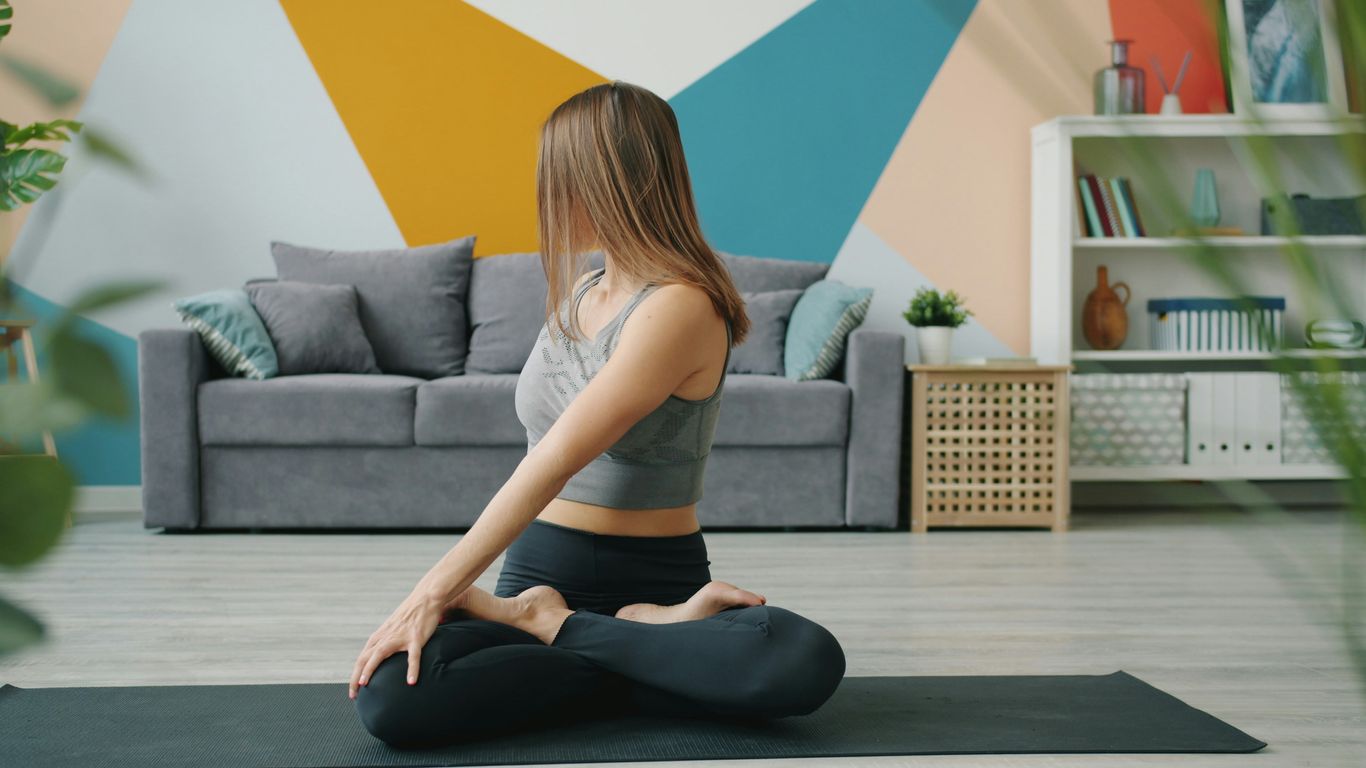
After you've built a little heat and awareness with standing poses, it's time to bring your practice down to the mat for some grounding and calming movements. These seated and floor poses are perfect for winding down, releasing tension, and connecting with your breath. They're also super accessible, making them a great starting point for anyone new to yoga.
Child's Pose: A Resting Sanctuary
Child's Pose, or Balasana, is like a gentle hug for your body. It's a fantastic pose to return to whenever you need a moment of rest or feel overwhelmed. It helps to calm the mind and gently stretch the hips, thighs, and ankles.
Here's how to get into it:
- Start on your hands and knees, with your big toes touching and your knees about hip-width apart.
- Sink your hips back towards your heels.
- Fold your torso forward, resting your forehead on the mat. You can extend your arms forward or rest them alongside your body, palms facing up.
- Breathe deeply, allowing your belly to expand with each inhale and soften with each exhale.
This pose is a wonderful way to reset during your practice. Don't worry if your hips don't quite reach your heels; just relax into the shape your body makes. It's a great pose for beginners to seated yoga poses.
Cat-Cow Pose: Spinal Mobility
Cat-Cow, or Marjaryasana-Bitilasana, is a dynamic duo that wakes up your spine. Moving between these two poses with your breath helps to increase flexibility and lubricate the spinal joints. It's a simple yet effective way to warm up your back and improve posture.
Let's break it down:
- Begin on your hands and knees, wrists under shoulders and knees under hips.
- Inhale: Drop your belly, arch your back, and lift your gaze and tailbone towards the ceiling (Cow pose).
- Exhale: Round your spine towards the ceiling, tuck your chin to your chest, and let your head hang heavy (Cat pose).
- Continue to flow between these two poses, coordinating your breath with the movement.
This flow is excellent for releasing tension held in the back and neck. Try to move slowly and mindfully, feeling the articulation of each vertebra.
Head to Knee Pose: Hip and Hamstring Stretch
Head to Knee Pose, or Janu Sirsasana, is a wonderful seated forward bend that targets the hamstrings and hips while also calming the nervous system. It's a pose that encourages introspection and release.
To practice this pose:
- Sit on the floor with your legs extended straight in front of you.
- Bend your right knee and place the sole of your right foot against your inner left thigh.
- Inhale, lengthen your spine, and as you exhale, hinge forward from your hips, reaching towards your left foot.
- Keep your left leg active and your spine long. You can rest your hands on your shin, ankle, or foot, or use a strap if needed.
This pose is a great way to work on flexibility in the back of the legs and hips. Remember to breathe into any areas of tightness and avoid forcing the stretch. It's about finding a comfortable edge where you can still breathe easily.
If reaching your foot feels like too much, don't fret. Using a strap or even a rolled-up blanket can help you find a more comfortable position. The goal is to feel a gentle stretch, not strain. This pose is a great addition to any practice focused on relaxation and flexibility.
Key Poses for Spinal Health and Flexibility
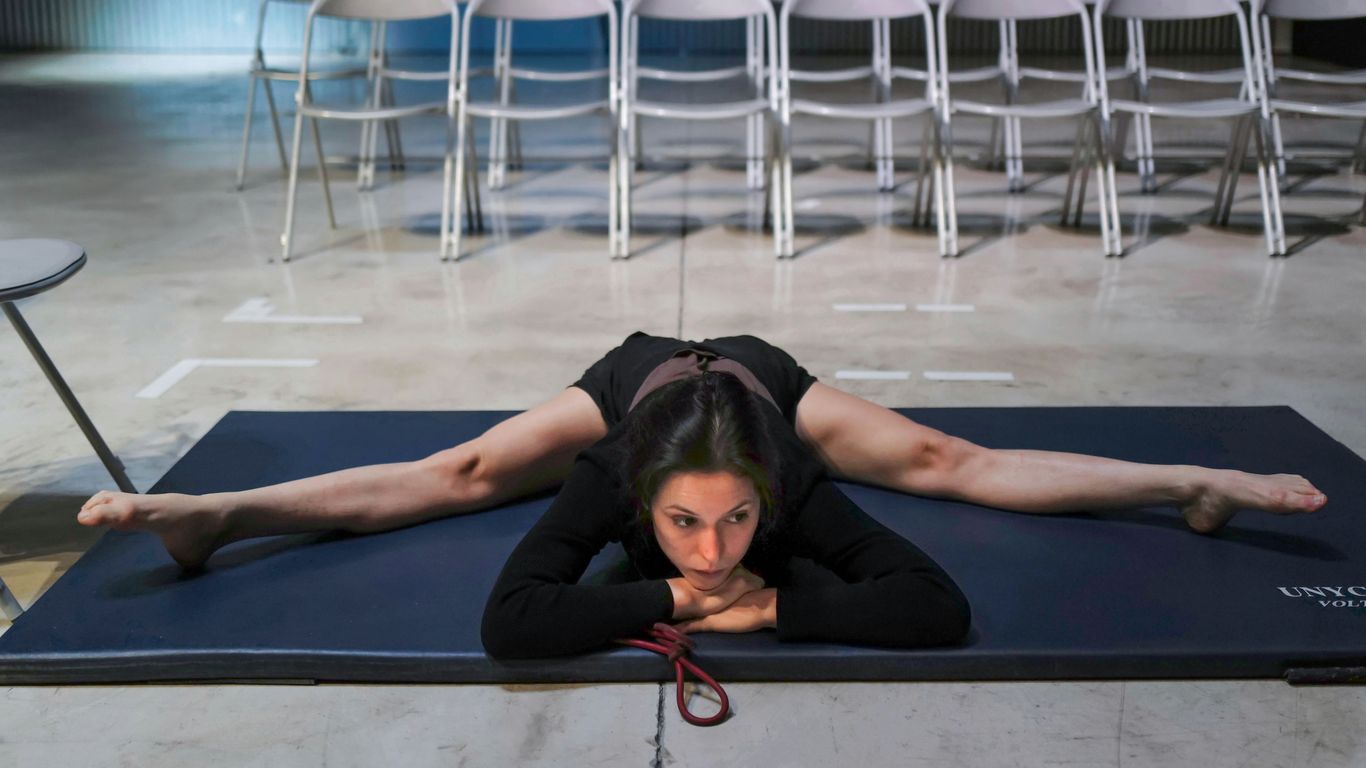
Our spine is pretty important, right? It keeps us upright and lets us move. Yoga has some really great poses that can help keep it happy and healthy. We're talking about poses that gently move and strengthen the whole spinal column. It's not about forcing anything, but more about encouraging natural movement and building support around it.
Cobra Pose: Gentle Backbend
Cobra Pose, or Bhujangasana, is a fantastic way to introduce a gentle backbend. It helps to open up the chest and shoulders, which can get pretty tight from sitting at desks all day. Plus, it works on strengthening the muscles along your spine.
- How to do it: Lie on your stomach with your hands under your shoulders. Press into your hands just enough to lift your chest a little off the floor. Keep your elbows tucked in and your shoulders relaxed. Don't crank your neck up too high; keep it in line with your spine. Hold for a few breaths and then slowly lower back down.
- What to watch out for: Trying to lift too high too soon can strain your back. Also, avoid letting your shoulders creep up towards your ears.
- Benefits: It helps wake up your spine, opens your chest, and can even help with posture.
Cat-Cow Pose: Mobilizing the Spine
Cat-Cow Pose, or Marjaryasana-Bitilasana, is like a gentle massage for your spine. It's a dynamic pose, meaning you move between two shapes, which is great for warming up the spine and increasing its flexibility. It's done on your hands and knees.
- How to do it: Start on all fours, hands under shoulders, knees under hips. As you inhale, drop your belly, arch your back, and lift your head and tailbone (Cow). As you exhale, round your spine towards the ceiling, tuck your chin to your chest, and let your tailbone drop (Cat). Flow smoothly between these two poses with your breath.
- What to watch out for: Moving too fast can make it less effective. Try to link each movement with an inhale or exhale.
- Benefits: This pose is brilliant for improving spinal mobility, releasing tension in the back, and coordinating breath with movement.
Taking care of your spine doesn't have to be complicated. Simple, consistent movements like those in Cobra and Cat-Cow can make a big difference over time. It's about listening to your body and moving with awareness, not pushing yourself into pain.
Here's a quick look at how these poses help:
| Pose | Primary Benefit for Spine |
|---|---|
| Cobra Pose | Gentle extension, strengthens back muscles |
| Cat-Cow Pose | Increases flexibility, mobilizes the entire spinal column |
Remember, the goal is to feel better, not to achieve a perfect shape. If something doesn't feel right, ease back or skip it. Your spine will thank you for the gentle attention.
Mastering Balance and Stability in Yoga
Techniques for Improving Balance
Finding your balance in yoga isn't just about standing on one foot; it's about connecting your mind and body. When you're working on poses like Tree Pose or Warrior III, really focus on engaging your core muscles. Think of your core as a strong anchor that keeps you steady. Also, try to keep a soft bend in your standing knee – a locked knee can make you wobbly. Distribute your weight evenly through the sole of your standing foot. It’s like you’re trying to feel all four corners of your foot pressing into the ground.
Using Props for Stability
Don't shy away from props! They aren't a sign of weakness; they're smart tools to help you learn and grow. A yoga block can be placed under your hand in standing poses if you can't quite reach the floor, or under your foot in balancing poses for a wider base of support. A wall is also your best friend when you're starting out. You can place your hand on it for gentle support in poses like Warrior II or even practice balancing poses with your back to the wall, using it as a guide.
The Role of Drishti and Breath
Your gaze, or 'drishti,' plays a big part in balance. Find a non-moving spot in front of you and fix your eyes on it. This helps to calm your mind and steady your body. It's like a visual anchor. And then there's your breath. Slow, deep breaths can do wonders for your stability. When you breathe deeply and evenly, you send a signal to your nervous system to relax, which in turn helps your body feel more grounded and less shaky. It's a simple but powerful combination.
Building balance and stability is a gradual process. It requires patience and consistent effort. Each time you step onto your mat, you have an opportunity to refine these skills. Celebrate the small victories, like holding a pose for an extra breath, and don't get discouraged by wobbles. They are part of the learning curve.
Here's a quick look at how different elements contribute:
- Core Engagement: Provides a stable center.
- Steady Gaze (Drishti): Anchors the mind and body.
- Even Weight Distribution: Creates a solid foundation.
- Controlled Breathing: Calms the nervous system and promotes steadiness.
- Props: Offer support and build confidence.
Concluding Your Practice: Corpse Pose
The Importance of Savasana
Most yoga classes wrap up with Savasana, which translates to "corpse pose." It might sound a bit dramatic, but it's actually a really important part of your practice. For beginners, it can sometimes feel like the hardest pose because it asks you to just be still and quiet your mind. The whole point is to let everything you've done in the practice settle into your body and mind. It's where you get to absorb all the good stuff.
Tips for Staying Present
Staying completely still and present can be surprisingly tough. Your mind might wander, or you might feel an itch you just have to scratch. That's totally normal! Don't get frustrated with yourself. Here are a few things that can help:
- Focus on your breath: Just notice the gentle rise and fall of your chest or belly. Don't try to change it, just observe.
- Body scan: Slowly bring your awareness to different parts of your body, starting from your toes and moving all the way up to the crown of your head. Just notice any sensations without judgment.
- Use a gentle mantra: Silently repeat a simple word or phrase like "calm" or "peace" with each exhale.
Remember, Savasana isn't about achieving a perfect state of stillness. It's about practicing the skill of returning to the present moment, again and again, with kindness towards yourself. It's a chance to truly rest and integrate the benefits of your yoga session.
The goal is not to achieve a blank mind, but to practice observing your thoughts without getting carried away by them. If you find yourself getting caught up in thinking, gently guide your attention back to your breath or body. It's a practice, and like any practice, it gets easier with time and patience.
Keep Practicing!
So, you've learned some basic yoga moves. That's awesome! Remember, the most important thing is just to keep showing up on your mat, even if it's just for a few minutes. Don't worry about being perfect; yoga is a journey, not a race. Listen to your body, be patient with yourself, and you'll start to notice how much stronger and more flexible you become over time. Plus, that calm feeling after a session? Totally worth it. Keep exploring, keep breathing, and enjoy the process.
Frequently Asked Questions
What are the most important yoga poses for someone just starting out?
For beginners, it's best to start with poses that build a solid foundation. Think of poses like Mountain Pose (Tadasana) for grounding and good posture, Warrior I (Virabhadrasana I) to build strength and focus, and Tree Pose (Vrksasana) to help with balance. Gentle poses like Child's Pose (Balasana) are great for rest, and Cat-Cow Pose (Marjaryasana-Bitilasana) helps make your spine more flexible. Ending your practice with Corpse Pose (Savasana) is also super important for relaxation.
Why is it important to start with basic yoga poses?
Starting with basic poses, often called foundational poses, is like building the base of a house. These simple movements help you get stronger, more flexible, and more aware of how your body moves. They teach you how to line things up correctly, which helps prevent injuries. Plus, learning these basics helps you focus better and become more mindful, which are big parts of what yoga is all about.
How can I improve my balance in yoga poses?
Improving balance takes practice! Try to keep your core muscles tight and your knees a little bent, especially in standing poses. When you're standing on one leg, spread your weight evenly. Don't be afraid to use things like yoga blocks or even a wall for support when you're starting out. Focusing your eyes on one steady spot in front of you, called a 'drishti,' can also really help you stay steady. And remember, deep, slow breaths can calm your mind and body.
What is the purpose of Savasana (Corpse Pose) at the end of a yoga class?
Savasana, or Corpse Pose, is actually one of the most important poses, even though it looks like you're just lying down! It's a time to let your body and mind completely relax after the effort of the practice. The goal is to be present and aware without doing anything. It helps your body absorb the benefits of the poses and calms your nervous system, leaving you feeling refreshed.
Can I use props to help me in yoga poses?
Absolutely! Yoga props like blocks, straps, and blankets are fantastic tools, especially for beginners. Blocks can help bring the floor closer to you, making poses more accessible. Straps can help you reach further in stretches. Blankets can add cushioning or lift your hips. They aren't cheating; they're smart ways to support your body, help you get the most out of a pose, and practice safely.
What if a yoga pose feels uncomfortable or painful?
This is super important: if something hurts, stop! Yoga should feel good for your body, even if some poses are challenging. Discomfort is different from pain. If you feel sharp or shooting pain, or if a pose just doesn't feel right, ease out of it or modify it. Listen to your body – it's your best guide. You can always ask an instructor for help with modifications.

