

Exploring the Spectrum: How Many Different Types of Yoga Are There Really?
So, you're curious about yoga, huh? Maybe you've seen a class schedule and thought, 'Wow, that's a lot of options.' It can feel a bit overwhelming trying to figure out where to start. People practice yoga for all sorts of reasons – to stretch, to relax, to get stronger, or just to quiet their minds for a bit. But with so many different styles out there, it's a fair question to ask: how many different types of yoga are there really? Let's break it down.
Key Takeaways
- Yoga is a practice that unites the body, mind, and spirit, with roots stretching back thousands of years.
- While there are traditional paths like Hatha, Raja, Jnana, and Bhakti yoga, modern studios often offer a wide variety of styles.
- Modern yoga styles such as Vinyasa, Ashtanga, Iyengar, and Kundalini focus on different aspects like flow, structure, precision, or energy.
- Specialized practices like Restorative, Bikram, Aerial, and Acro yoga cater to specific needs, from deep relaxation to unique physical challenges.
- Choosing the right yoga style depends on your personal goals, whether you're a beginner, need a physically demanding practice, or are simply looking for something that sparks your interest.
Understanding The Core Of Yoga
When most people think of yoga, they picture someone contorting themselves into a pretzel shape. And yeah, those poses, called asanas, are definitely a big part of it, especially in the West. But honestly, that's just scratching the surface. Yoga is way older than fancy yoga pants and Instagram-worthy poses. It's been around for thousands of years, and at its heart, it's about connecting your mind and body. The word "yoga" itself comes from a Sanskrit word, "yuj," which basically means "union" or "to yoke." So, it's about bringing things together – like your thoughts and your actions, or your physical self and your inner self.
What Is Yoga?
So, what exactly is yoga? It's a whole system for physical and mental well-being. Think of it as a toolkit for life. While the physical postures are what most of us see, the practice goes much deeper. It includes things like breathing techniques, meditation, and even a whole philosophy about how to live. It's not really a sport or just a workout; it's more of a personal journey. The goal isn't to be the most flexible person in the room, but to connect with yourself. You can't really "fail" at yoga because it's all about where you are right now and how you're feeling. It's about finding a sense of wholeness, a union of your physical being and your mental state. It's a practice that has been around for ages, with millions worldwide finding their own path through it.
The Yoga Mindset
Getting into yoga often means shifting your perspective. A common mistake for beginners is treating it like any other exercise routine, where you focus on hitting a target or achieving a certain outcome. But yoga is different. It's less about the destination and more about the process, the journey itself. The mindset here is one of self-discovery and self-acceptance. Instead of pushing yourself to achieve a specific pose, you're encouraged to pay attention to your body and your breath. It's about being present in the moment and observing what's happening within you, without judgment. This approach helps build a stronger connection between your mind and your body, leading to a more integrated sense of self.
Yoga is a practice that encourages you to be present with yourself, observing your thoughts and sensations without trying to change them. It's about finding a balance between effort and ease, pushing your boundaries gently while also honoring your limits.
Mindful Breathing And Meditation
Two really big pieces of the yoga puzzle are mindful breathing and meditation. You'll hear breathing techniques called pranayama, and they're not just about getting more oxygen. They're tools to help calm your nervous system, focus your mind, and even manage your energy. When you pay attention to your breath, you naturally start to slow down and become more aware of your body. Meditation, often practiced after the physical poses, is where you really get to sit with yourself. It's about quieting the mental chatter and cultivating a sense of inner peace. These practices, combined with the physical postures, form the foundation of what yoga truly is – a path to understanding yourself and the world around you. Learning about the different ways to know things, like perception and inference, is part of this deeper exploration yoga philosophy.
Here's a quick look at how these elements often fit together:
- Asanas (Poses): Prepare the body, build strength and flexibility.
- Pranayama (Breathing): Regulates energy, calms the mind, increases focus.
- Dhyana (Meditation): Cultivates awareness, reduces stress, promotes inner peace.
- Philosophy: Provides a framework for understanding life and oneself.
Exploring Traditional Yoga Paths
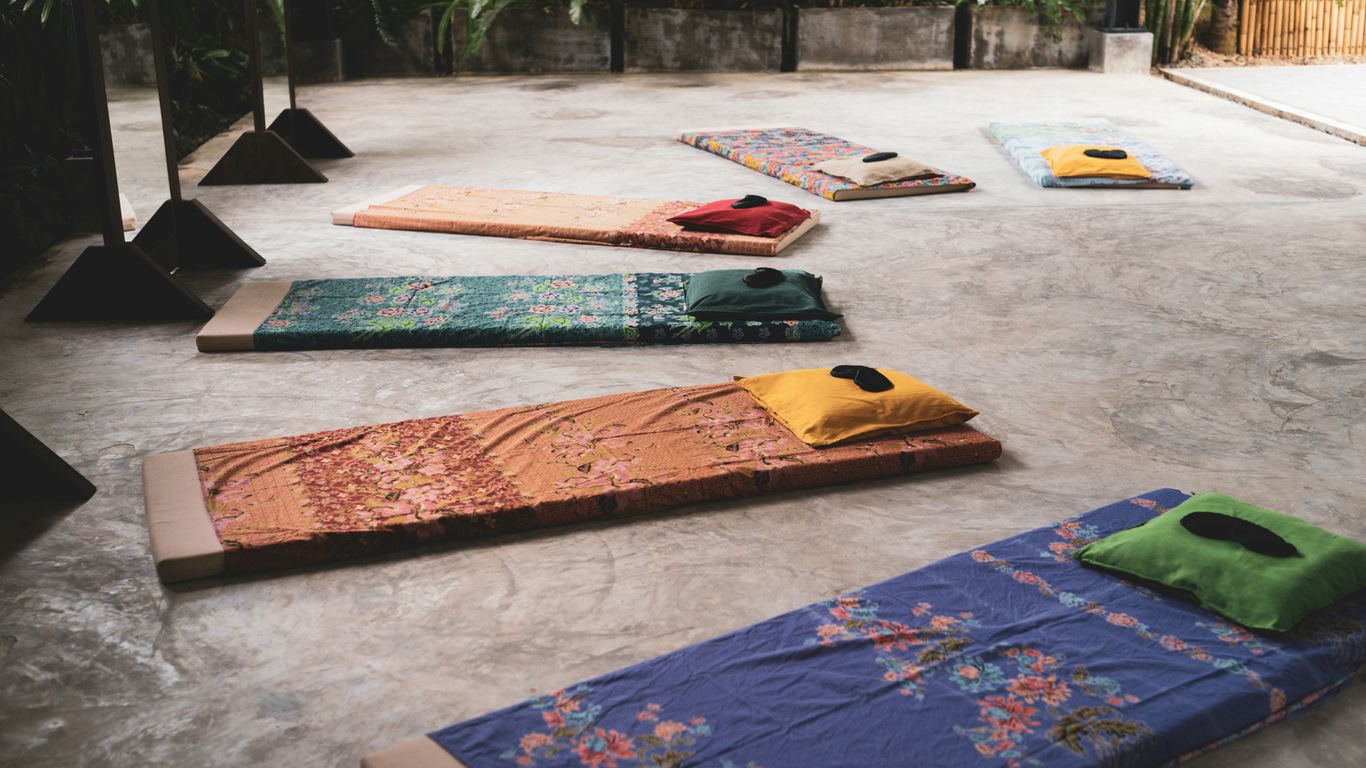
Before we get into all the fancy modern styles, it's good to know where yoga really comes from. Think of these as the original blueprints, the foundational ways people have been practicing yoga for ages. They're less about specific poses you see in a gym class and more about a whole way of living and thinking.
Hatha Yoga: The Path Of Physical Discipline
Hatha Yoga is probably what most people picture when they hear "yoga." It's the one that focuses on the physical postures, or asanas. But it's not just about bending yourself into a pretzel. The idea is to get your body ready for deeper practices by balancing your energy. The name itself, "Ha" (sun) and "Tha" (moon), points to this balance of opposites. It's about uniting the body and mind through physical effort.
Raja Yoga: The Royal Path Of Meditation
Raja Yoga is often called the "royal path" because it's considered the most disciplined. This path is all about controlling the mind through meditation. It's less about what your body is doing and more about what your mind is doing. Think of it as training your brain to be calm and focused. It involves things like concentration and deep meditation, aiming for a state of pure awareness.
Jnana Yoga: The Path Of Knowledge
If you're someone who loves to think and question things, Jnana Yoga might be for you. This is the path of wisdom and intellectual study. Practitioners use self-inquiry and study of ancient texts to understand the true nature of reality and the self. It's about using your intellect to see through illusions and find deeper truths. It's a path for the thinkers, the philosophers.
Bhakti Yoga: The Path Of Devotion
Bhakti Yoga is the path of the heart, all about love and devotion. Instead of focusing on the mind or body, this path channels emotions towards a higher power or the divine. Practices often include chanting, singing, and prayer. It's about surrendering yourself and expressing your love and faith. It's a very emotional and heartfelt approach to spiritual connection.
Modern Yoga Styles And Their Focus
Yoga has really evolved, hasn't it? While the ancient paths offer deep wisdom, a bunch of newer styles have popped up, each with its own spin. These modern approaches often blend traditional elements with contemporary needs, making yoga accessible and appealing to a wider audience. It's pretty cool how the practice keeps adapting.
Vinyasa Yoga: Flowing With Breath
Vinyasa is all about movement linked to breath. Think of it as a dance where each pose flows smoothly into the next, guided by your inhales and exhales. It's a dynamic practice that can feel quite athletic, building heat and stamina. The continuous flow is the defining characteristic of Vinyasa. Because there isn't a set sequence, classes can vary a lot, keeping things interesting.
Ashtanga Yoga: A Structured Sequence
Ashtanga is a more rigorous style that follows a specific, set series of poses. You'll do the same sequence every time, which allows for a deep exploration of each posture and a building of internal heat. It's known for being physically demanding, helping to build strength, flexibility, and endurance. It's a disciplined practice that can be very rewarding for those who like structure and a challenge.
Iyengar Yoga: Precision And Alignment
Iyengar yoga places a huge emphasis on precise alignment and holding poses for longer periods. This style often uses props like blocks, straps, and blankets to help practitioners achieve the correct form, even if they're dealing with injuries or limitations. It's a meticulous approach that really helps you understand the mechanics of each pose. You can explore the advantages of various poses in detail with this method.
Kundalini Yoga: Awakening Life Force Energy
Kundalini yoga is a more spiritual and energetic practice. It aims to awaken the 'kundalini energy' believed to be coiled at the base of the spine. Classes often involve chanting, specific breathing techniques (pranayama), meditation, and dynamic movements or kriyas. It's a practice that works on both the physical and energetic levels, often leaving practitioners feeling uplifted and centered.
Specialized And Contemporary Yoga Practices
Beyond the foundational styles, yoga has branched out into some really interesting and specialized areas. These practices often blend traditional elements with modern needs or unique approaches, offering something for almost everyone.
Restorative Yoga: Deep Relaxation
This style is all about slowing down and letting your body truly rest. Think of it as a gentle hug for your nervous system. Restorative yoga uses props like bolsters, blankets, and blocks to fully support your body in comfortable poses. The goal isn't to stretch or strain, but to allow the body to release tension and find a deep sense of calm. It's fantastic for stress relief, improving sleep, and just generally feeling more at peace. It's a practice focused on self-care and rejuvenation.
Bikram Yoga: The Heat Of The Practice
Bikram yoga is a specific sequence of 26 postures and two breathing exercises, always practiced in a room heated to about 105°F (40°C) with 40% humidity. The heat is meant to help muscles warm up, allowing for deeper stretches and promoting a significant sweat. While some find the intense heat invigorating and detoxifying, it's definitely not for everyone. Many studios now offer "hot yoga" classes that may vary in sequence and temperature, giving practitioners more flexibility.
Aerial Yoga: Yoga In The Air
Ever wondered what yoga would be like with a little less gravity? Aerial yoga uses a soft fabric hammock suspended from the ceiling to support your body. This allows for deeper stretches, inversions without pressure on the spine, and a unique sense of freedom. It can be great for decompressing the spine and building core strength, but it does require a bit of trust in the equipment!
Acro Yoga: Partnered Poses
Acro yoga is a dynamic practice that combines yoga, acrobatics, and Thai massage. It involves a base, a flyer, and a spotter. The base supports the flyer in various acrobatic poses, while the spotter ensures safety. It's a really fun way to build trust, communication, and strength with a partner. It looks impressive, but it takes practice and a good amount of coordination.
These specialized practices show just how adaptable yoga can be. Whether you're looking for intense heat, a gentle release, or a playful partner workout, there's likely a contemporary style that fits what you're seeking. It's always a good idea to try a few different types to see what feels right for your body and mind.
Choosing The Right Yoga For You
Beginner Friendly Styles
So, you're thinking about rolling out a yoga mat for the first time? That's awesome! It can feel a bit overwhelming with all the different styles out there, right? For folks just starting out, it's usually best to ease into things. Styles like Hatha yoga are often a good starting point because they tend to move at a slower pace, focusing on basic poses and breath. Yin yoga is another great option; it involves holding poses for longer periods, which can be really grounding and helps you get comfortable with stillness. These styles aren't about pushing yourself to the limit; they're more about getting acquainted with your body and the practice itself.
Yoga For Physical Demands
If you're looking for a yoga practice that really gets your heart pumping and builds strength, there are definitely styles for that. Vinyasa yoga is known for its flowing sequences, where you move from one pose to the next with your breath. It can be quite dynamic and a good workout. Ashtanga yoga is similar in its flow but follows a set series of poses, making it a more structured and physically demanding option. For those who like a challenge and don't mind a bit of heat, Bikram yoga, which is practiced in a heated room, can really test your endurance and flexibility. It's all about finding a style that matches your energy levels and what you want to achieve physically.
Finding A Style That Excites You
Ultimately, the best yoga for you is the one you'll actually stick with. Think about what you enjoy. Do you like a structured routine, or do you prefer more freedom to move? Are you looking for a quiet, meditative experience, or something more social and energetic? Some people find that they're drawn to the precision of Iyengar yoga, which uses props to help you get into poses perfectly. Others might love the spiritual and chanting aspects of Kundalini yoga. Don't be afraid to try a few different classes or studios. Many places offer introductory deals, so you can sample a few styles without a big commitment. What makes you excited to get on your mat is the most important question to ask yourself.
So, How Many Types of Yoga Are There, Really?
It turns out, counting the exact number of yoga types is a bit like trying to count stars – there are so many, and new ones keep popping up! We've seen how the ancient paths like Hatha and Raja offer deep philosophical roots, while modern styles like Vinyasa and even goat yoga add fun, accessible twists. The real takeaway isn't a specific number, but the sheer variety available. Whether you're looking for a tough workout, a quiet moment of reflection, or something totally unique, there's a yoga practice out there for you. The best approach? Try a few, see what feels right, and remember that the journey of yoga is really about connecting with yourself, not about getting the 'perfect' pose.
Frequently Asked Questions
What exactly is yoga?
Yoga is basically a way to connect your body, mind, and spirit. It's an ancient practice that helps you find balance, learn how to stretch properly, breathe mindfully, and focus your thoughts. Think of it as a journey to understand yourself better.
Are there really that many types of yoga?
Yes, there are many! Yoga has evolved over thousands of years, and today we see both traditional forms and newer styles. The exact number is hard to pin down because new variations keep popping up, but they generally fall into older, more established paths and modern, creative styles.
What's the difference between traditional and modern yoga?
Traditional yoga paths, like Hatha or Raja, often focus on specific aspects like physical poses, meditation, knowledge, or devotion. Modern styles often blend these elements, creating flowing sequences or unique experiences like hot yoga or aerial yoga, making them more accessible or tailored to specific interests.
Is yoga difficult for beginners?
Not at all! Many yoga styles are perfect for beginners. Hatha yoga is often recommended because it's slower-paced and teaches the basics of poses and breathing. The most important thing is just showing up and being open to learning, not worrying about being perfect.
How do I pick the right yoga style for me?
Think about what you're looking for. If you want a workout that's precise, Iyengar might be good. If you're more of a free spirit, Vinyasa or Aerial yoga could be fun. Consider what excites you and makes you want to practice. There's no single 'best' type; it's about finding what fits you right now.
What are the main benefits of practicing yoga?
Yoga offers a lot of good things for you! It can help reduce stress, improve your mood, make your body feel better by improving posture and easing joint pain, and even lower your blood pressure. Plus, the more you practice, the more you'll feel the positive effects.

